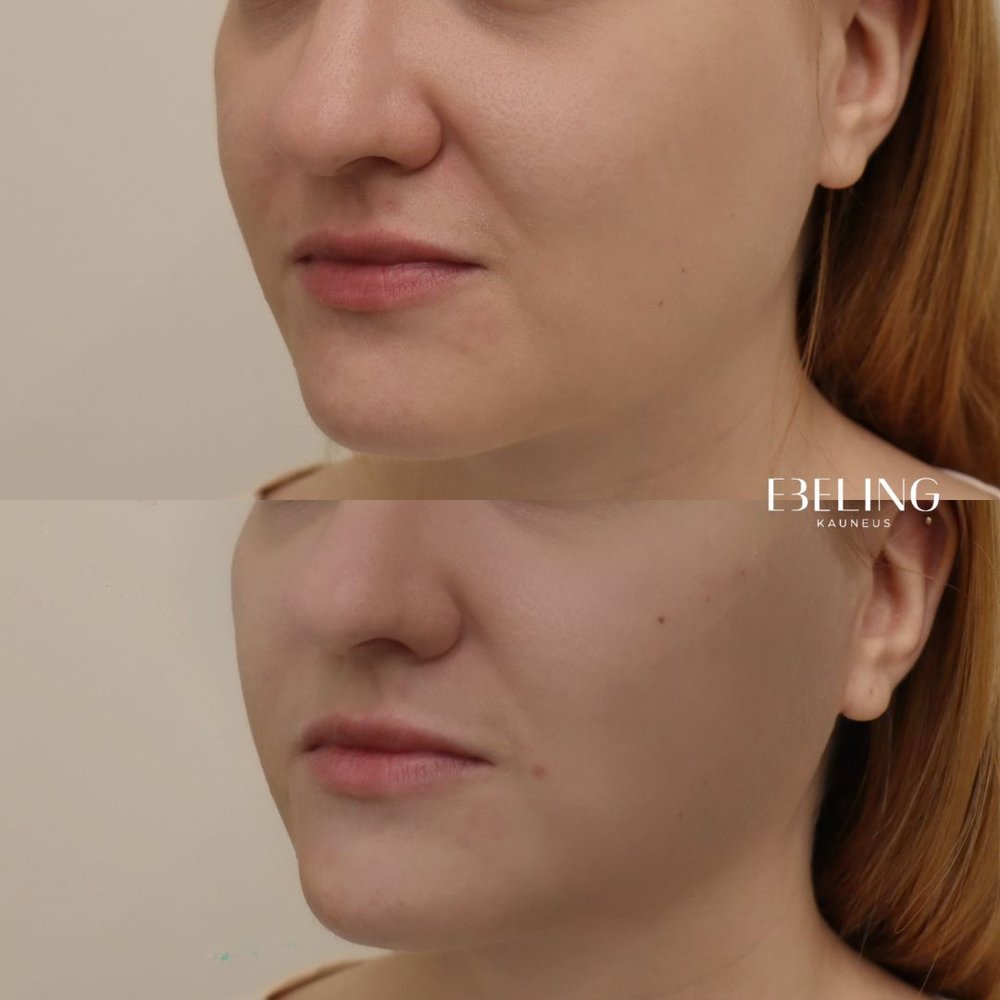
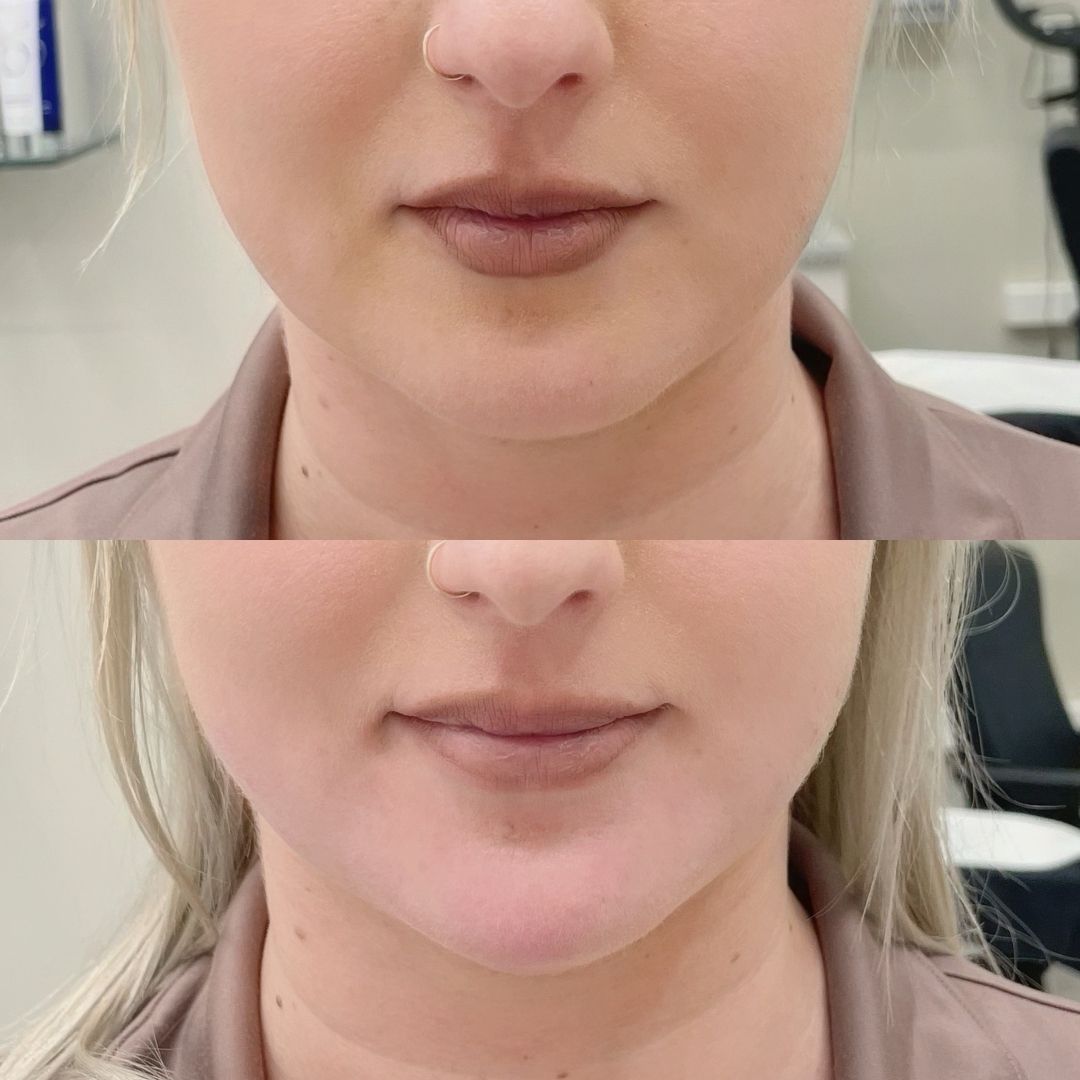
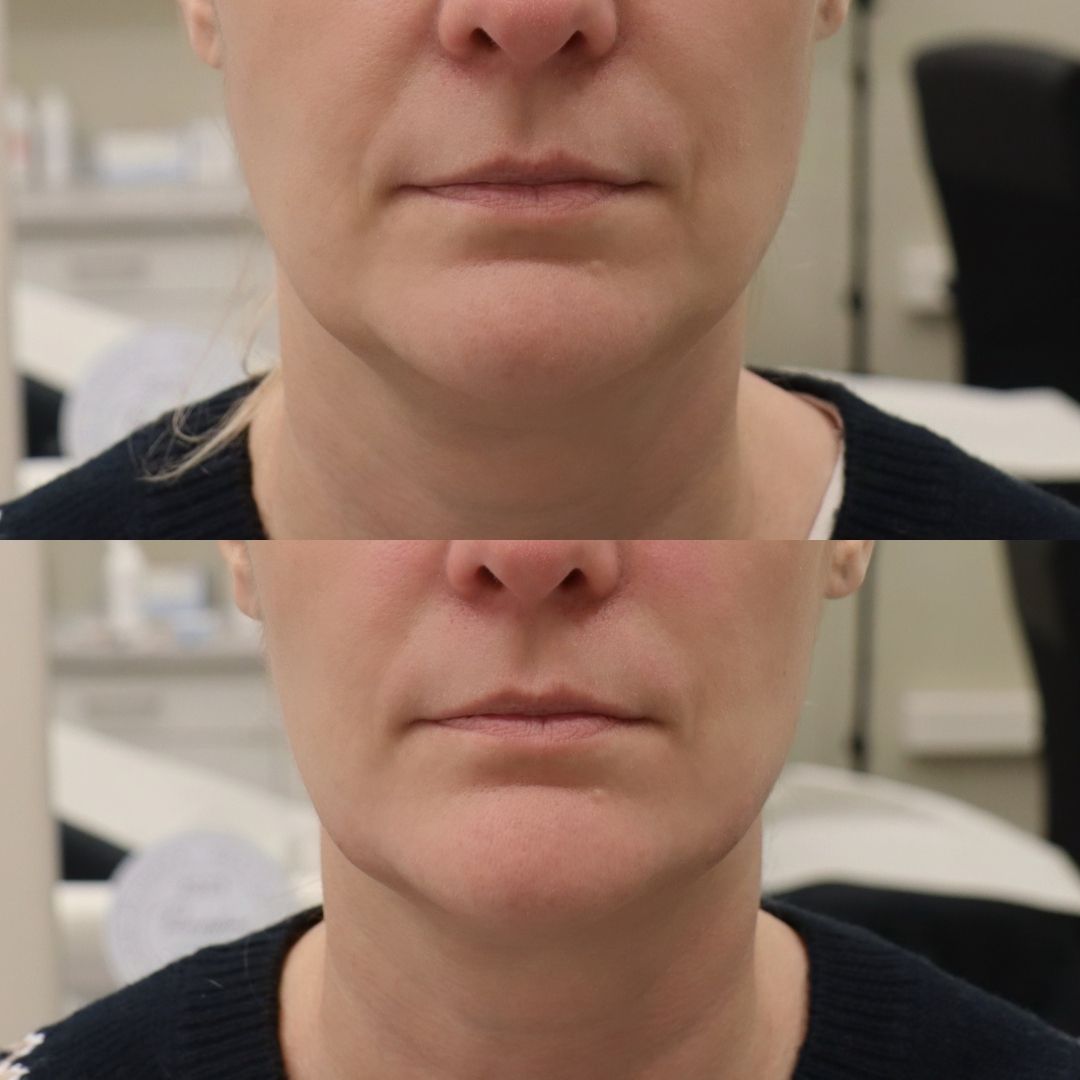
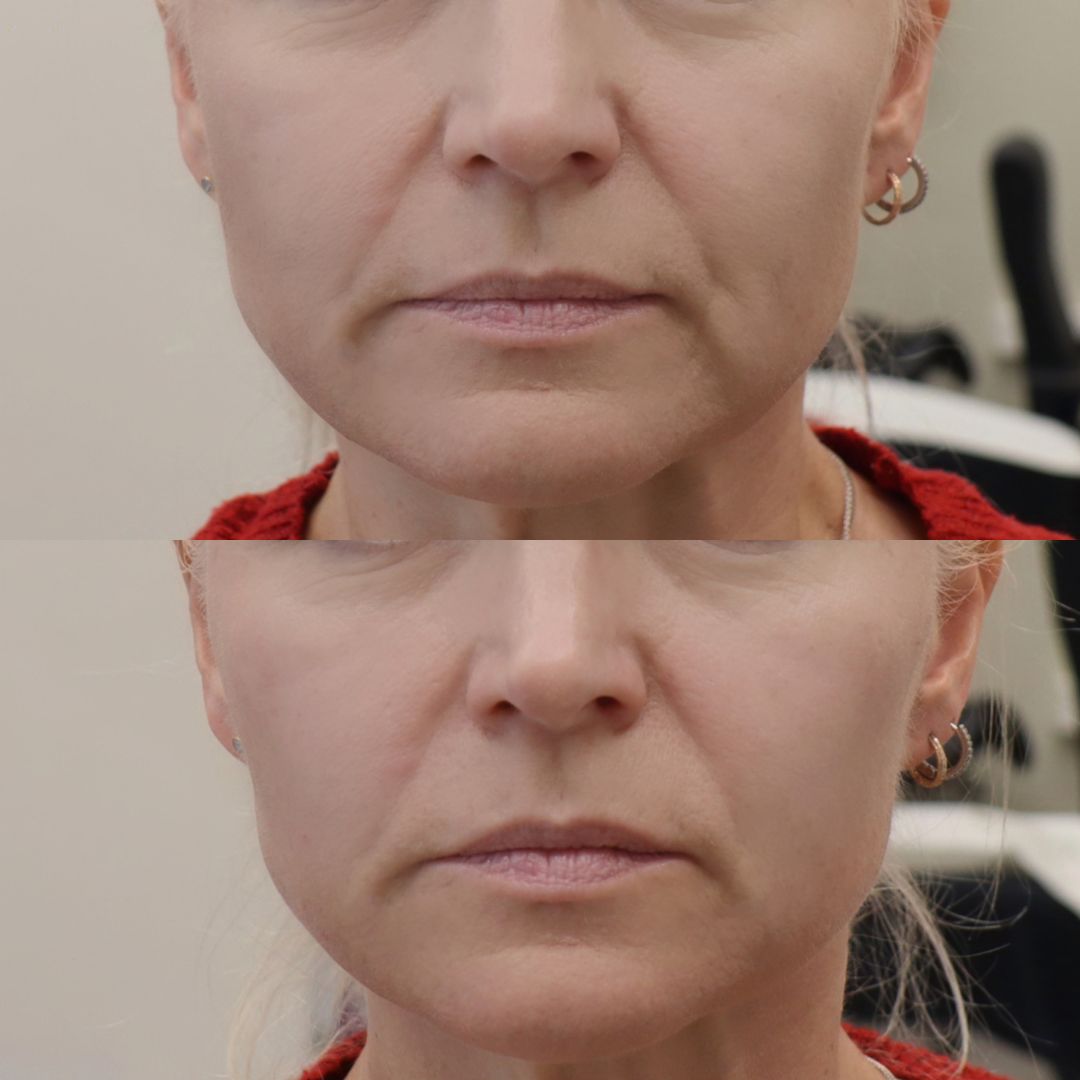
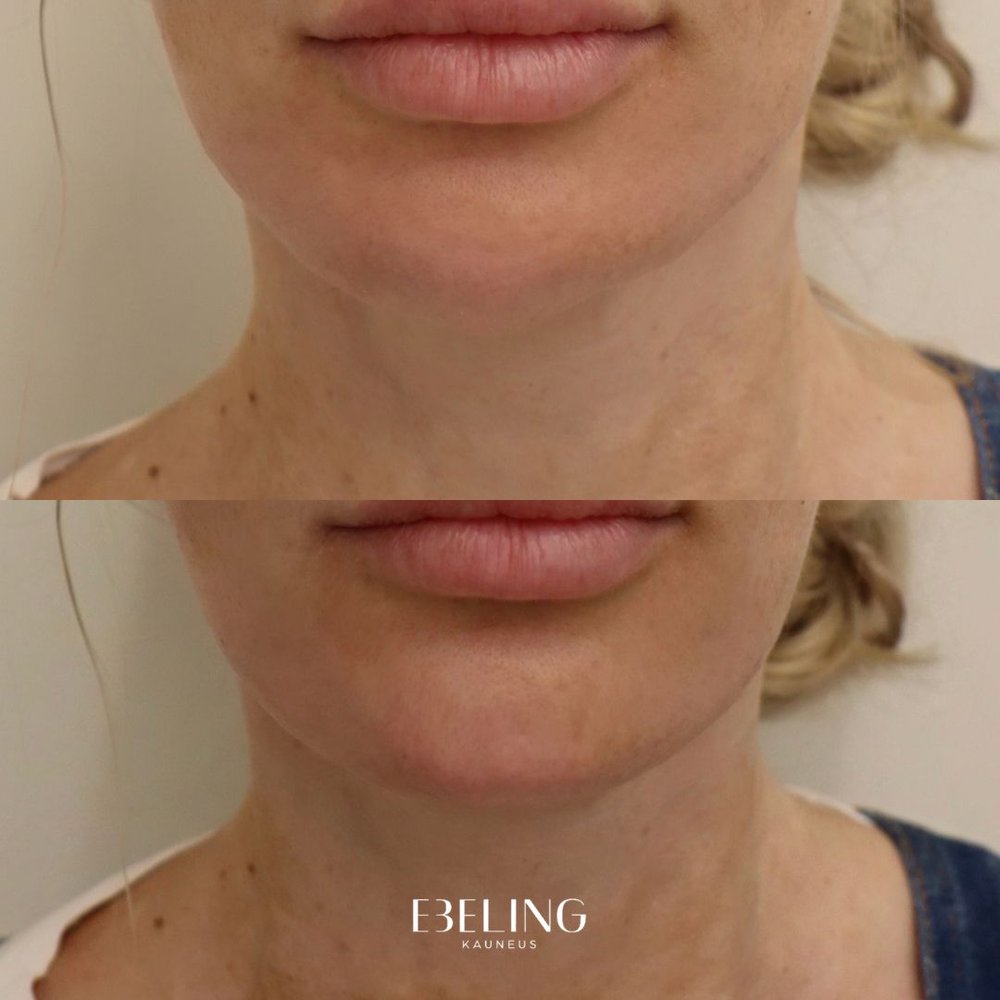
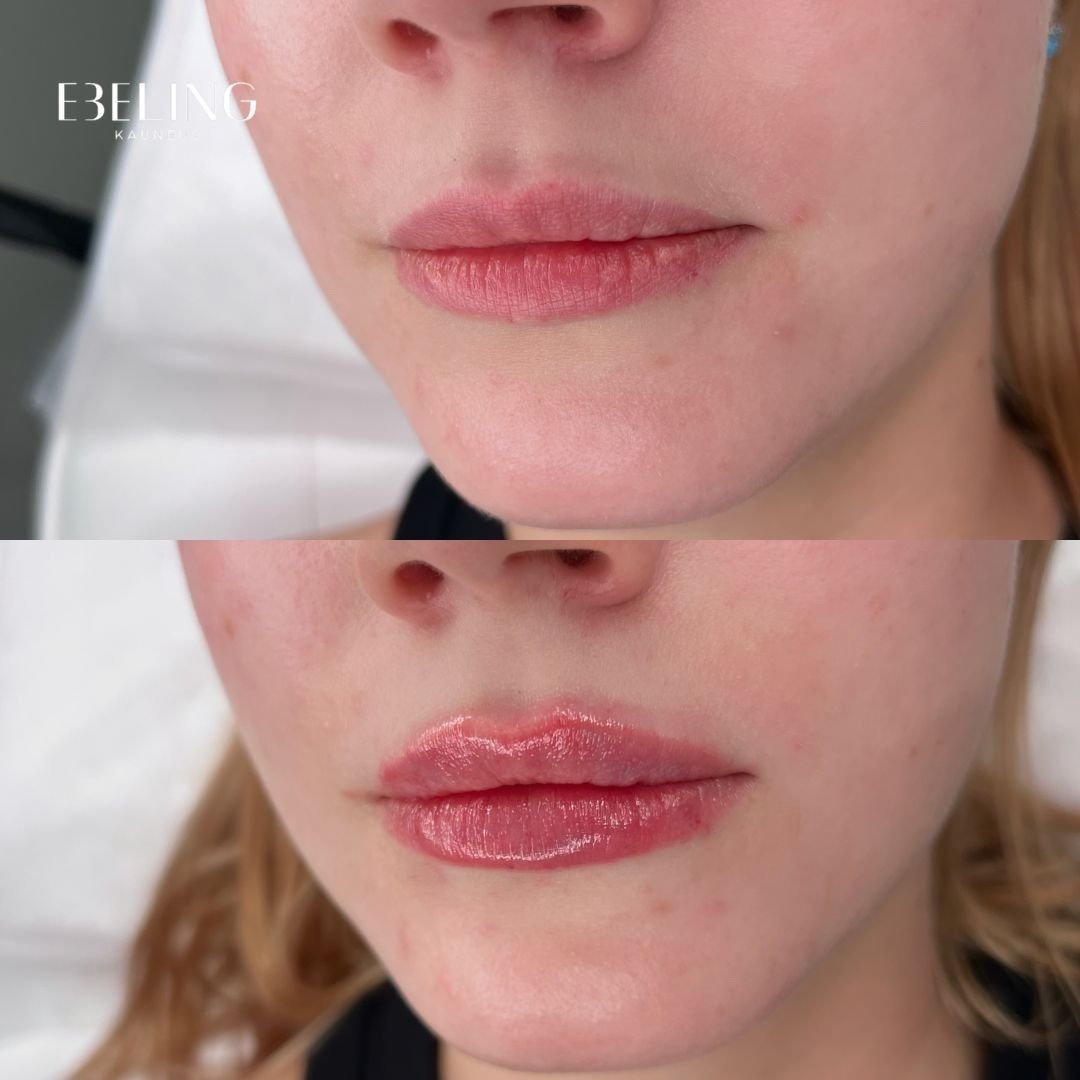
Are fillers safe?
The filler treatment is safe when
- treatment is performed by a licensed healthcare professional
- the practitioner has solid experience in aesthetic treatments and has the possibility to use hyaluronidase if necessary
- use a safe, well-established hyaluronic acid product with a good reputation, preferably also FDA-approved
By law, anyone can perform filler treatments. Therefore, it’s important for consumers to carefully research both the provider and the filler in advance. Filler treatments also have certain contraindications, which will be addressed during the consultation. For instance, an active inflammation in the treatment area, pregnancy or breastfeeding, or a tendency toward anaphylactic reactions may rule out the procedure.
What to do before a filler treatment?
- Avoid over-the-counter medicines that thin the blood (e.g. Aspirin - active ingredient acetylsalicylic acid) for a week before treatment.
- Also avoid supplements and natural products (such as vitamin E or fish oil) that could increase bruising or bleeding.
- Take a break from using anti-age skin care products (e.g. AHA and BHA products, retinols and other retinoids) for a few days.
- Do not wax, sugar, or shave hair during the 48 hours leading up to treatment.
- Avoid alcohol and smoking for a couple of days before your filler treatment.
- If you're prone to cold sores, take an over-the-counter medication before the procedure.
Does the filler treatment hurt?
Filler treatments are well tolerated but not entirely painless procedures. Pain, especially in the lips, can be sharp if anaesthesia is not used.
There are many ways to relieve pain
- An anesthetic cream applied to the skin’s surface will dull the sharpest point of pain. The cream should be applied to the treatment area well before the injection.
- Most high-quality hyaluronic acid gels contain a small amount of lidocaine (a numbing agent) that disperses throughout the treatment area during the first few injections. After the initial injection is felt, subsequent injections are administered into a numb area.
- The treatment area can be anaesthetised with superficial anaesthetic injections to almost completely eliminate the pain.
- Dental anaesthesia makes the filler treatment completely painless.
The results will not be available for evaluation for a couple of weeks
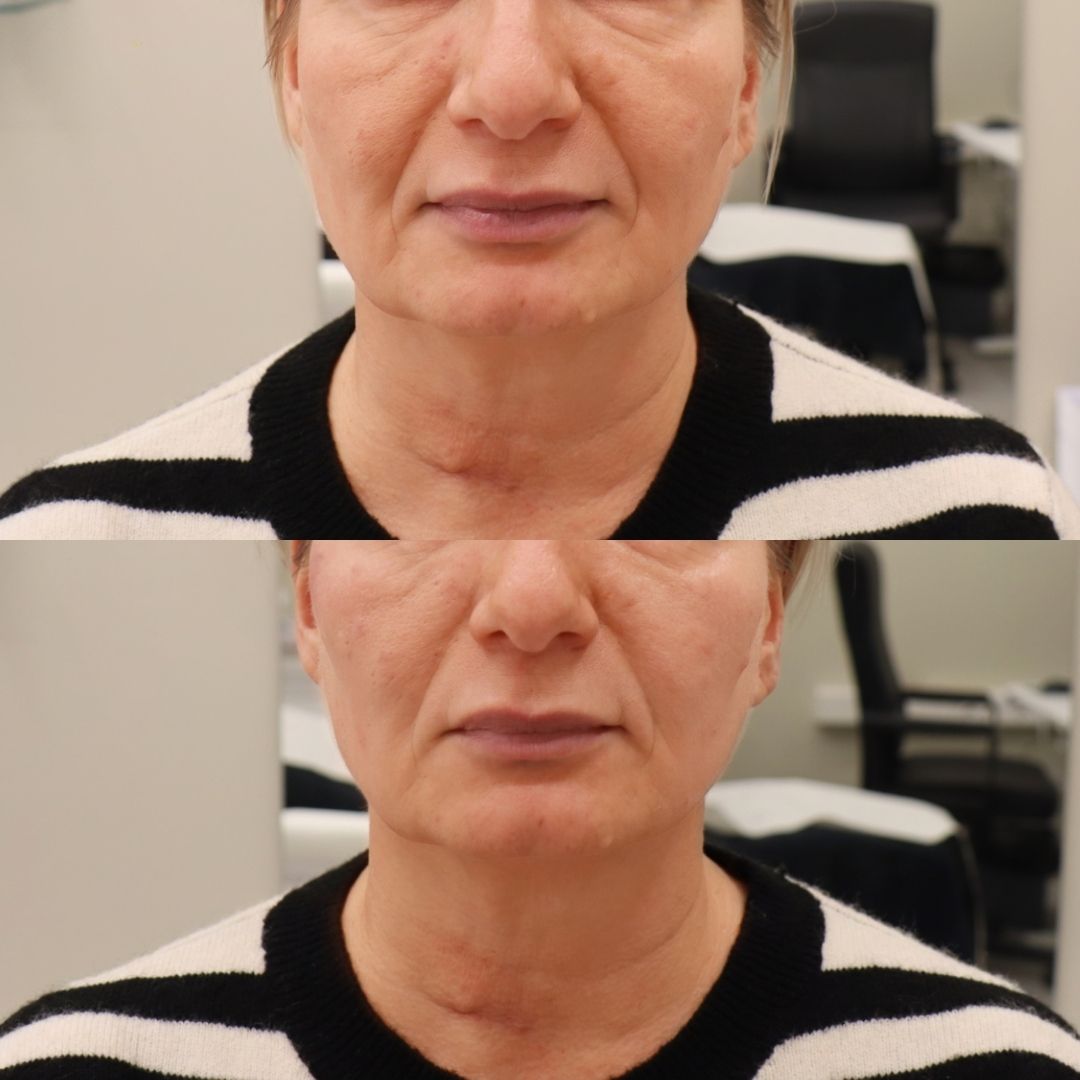
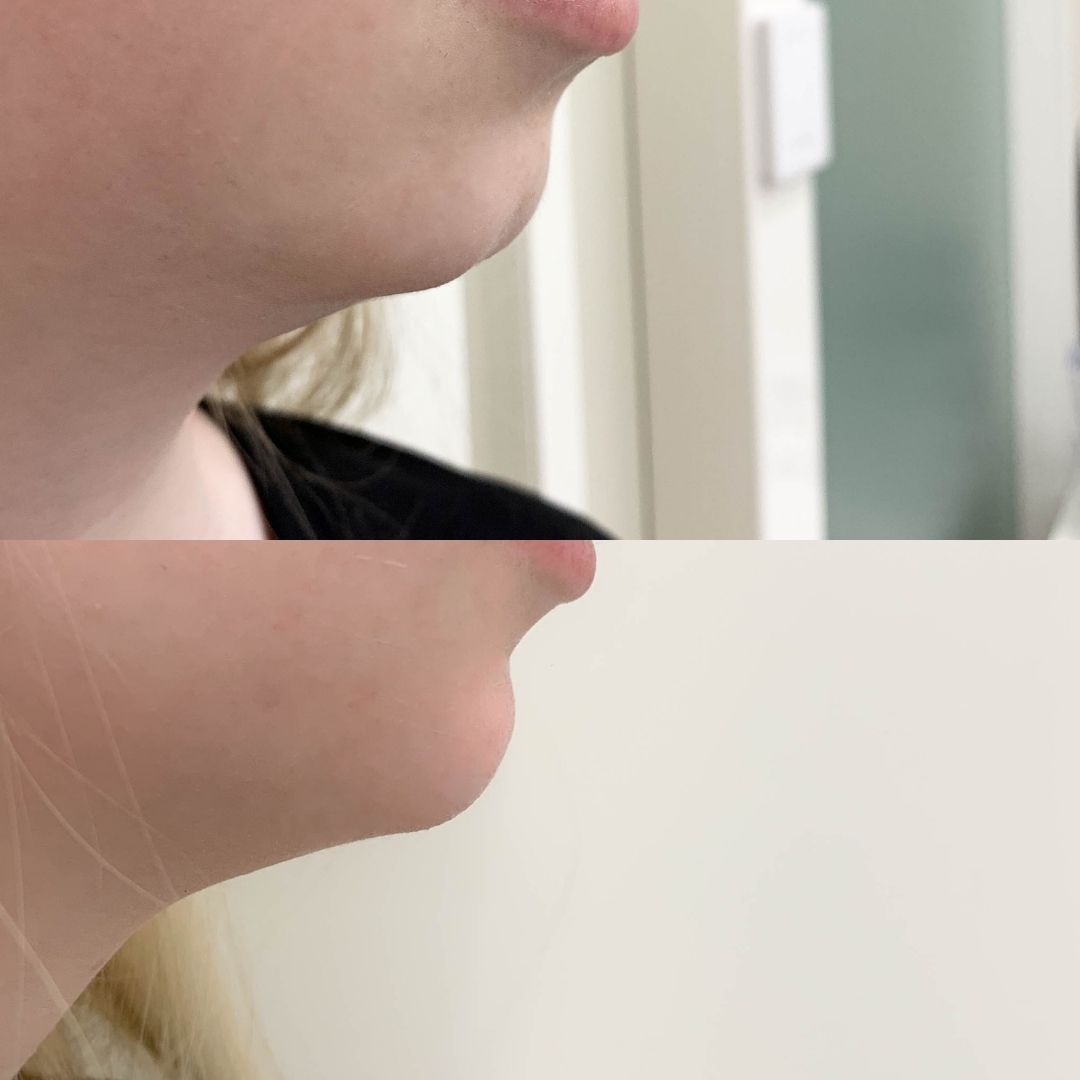
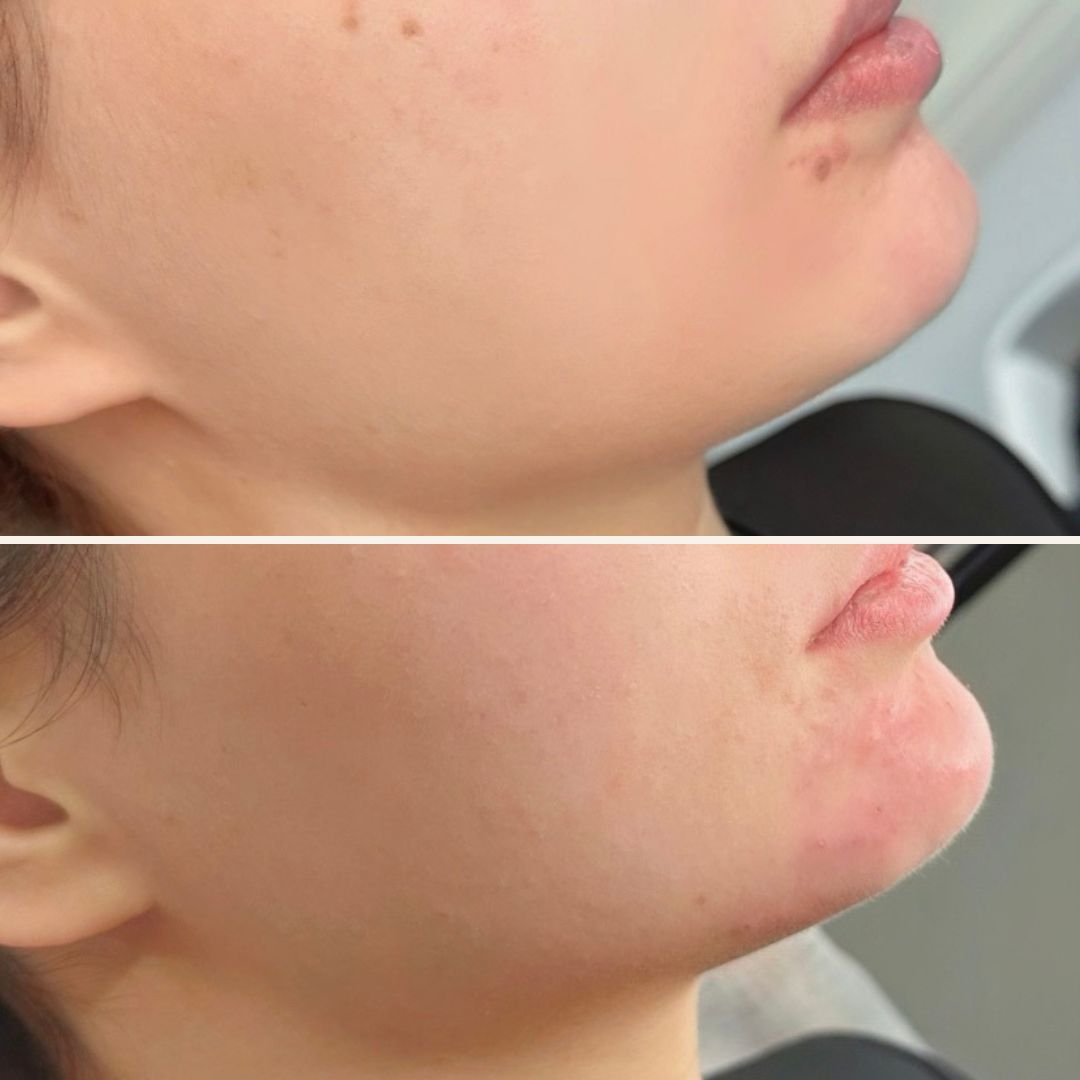
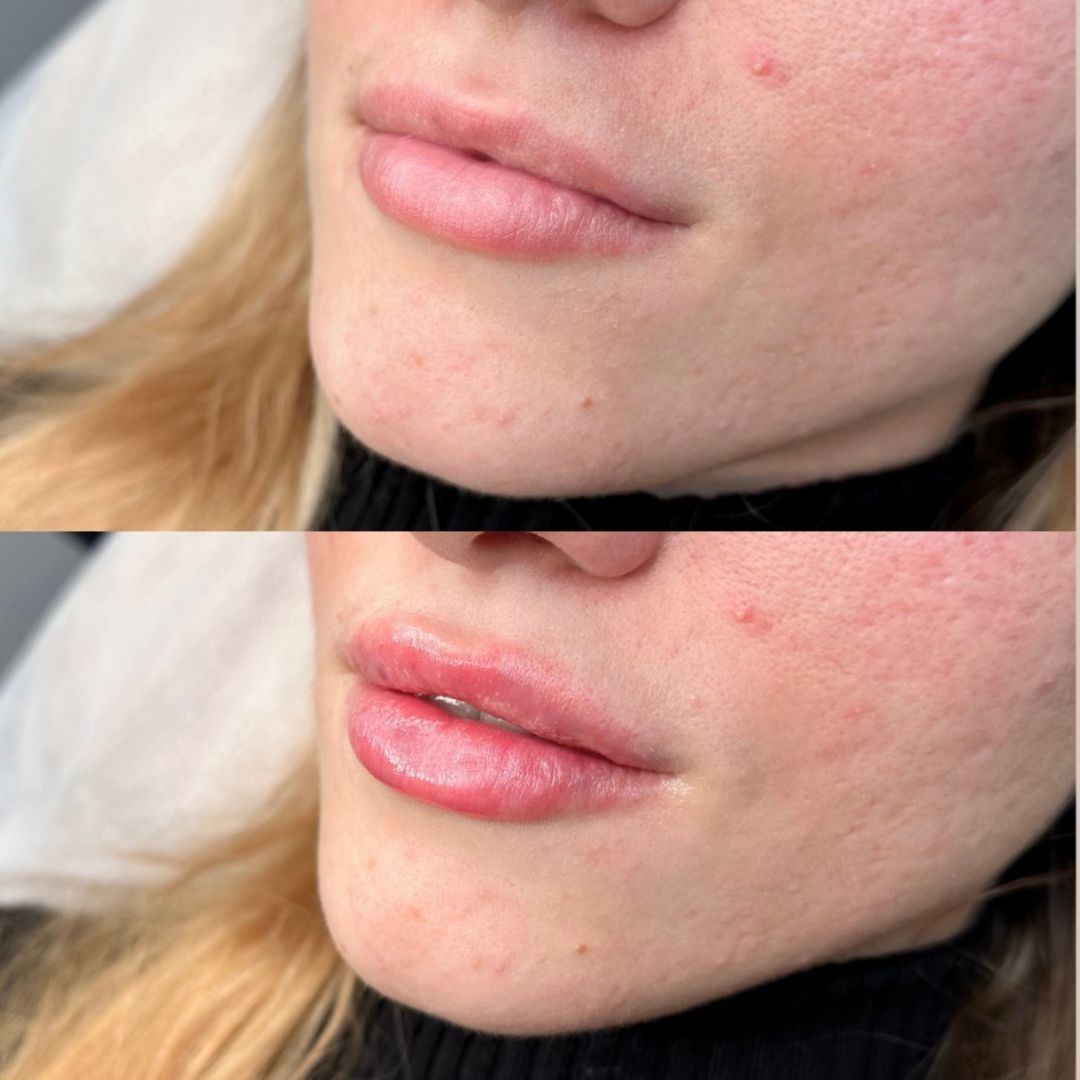
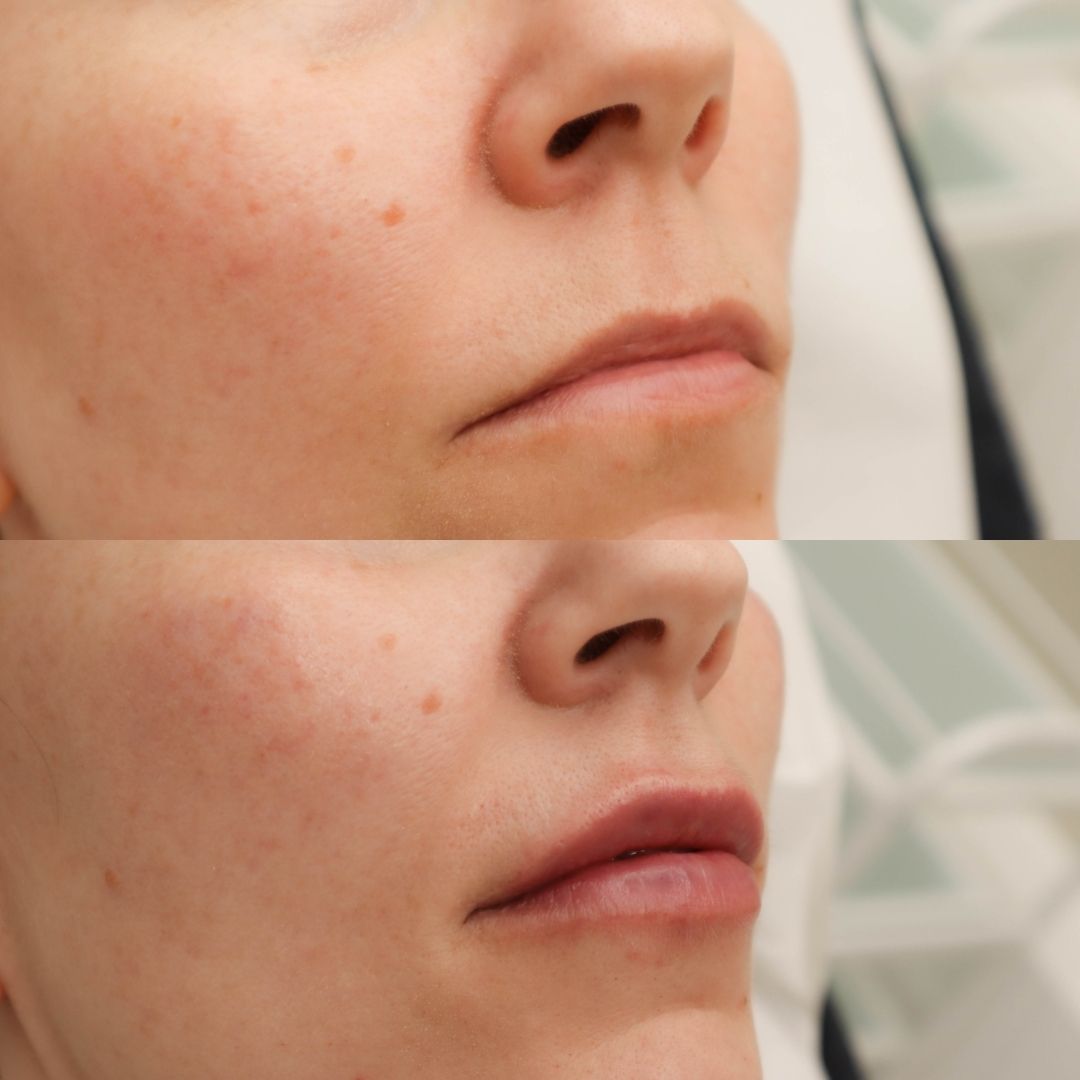
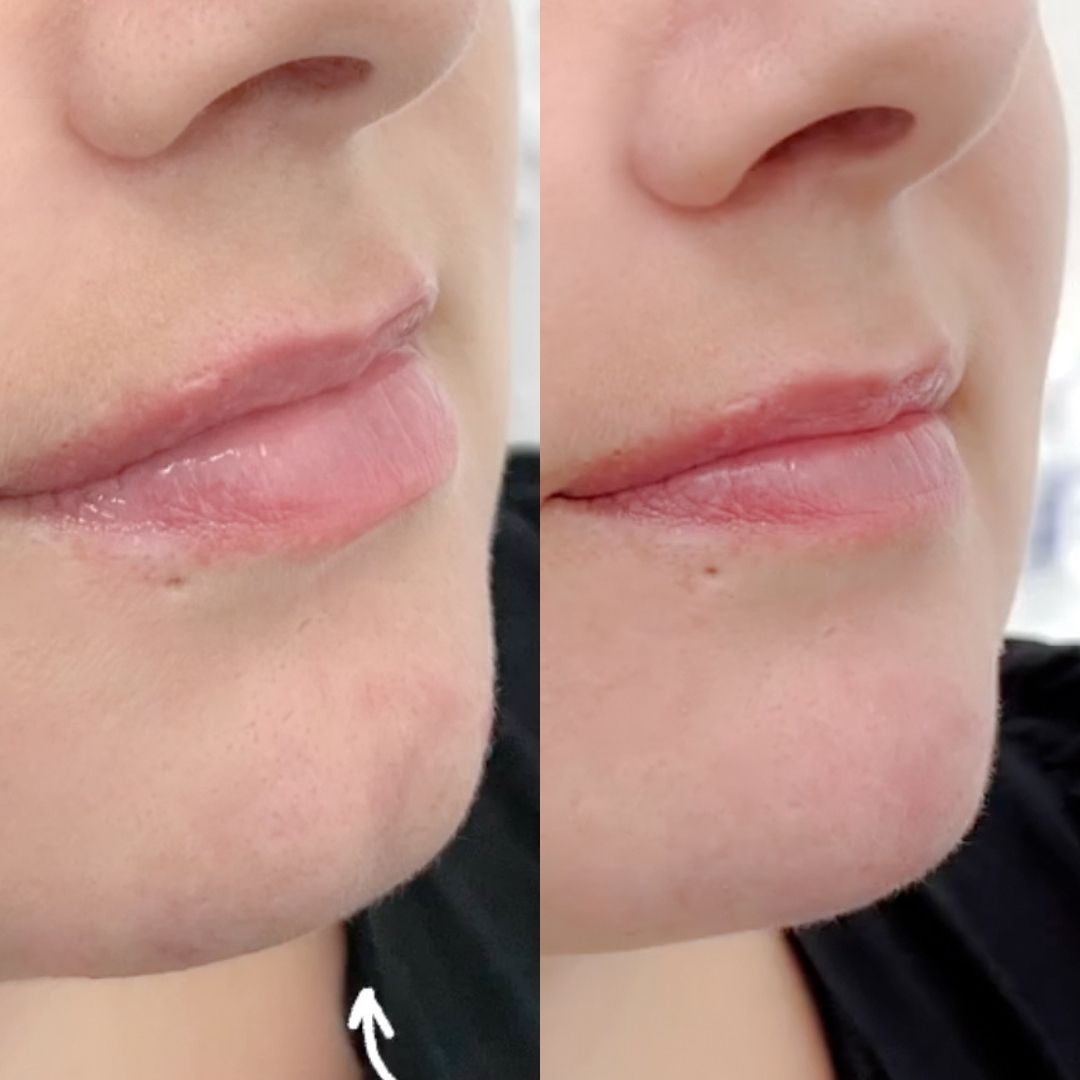
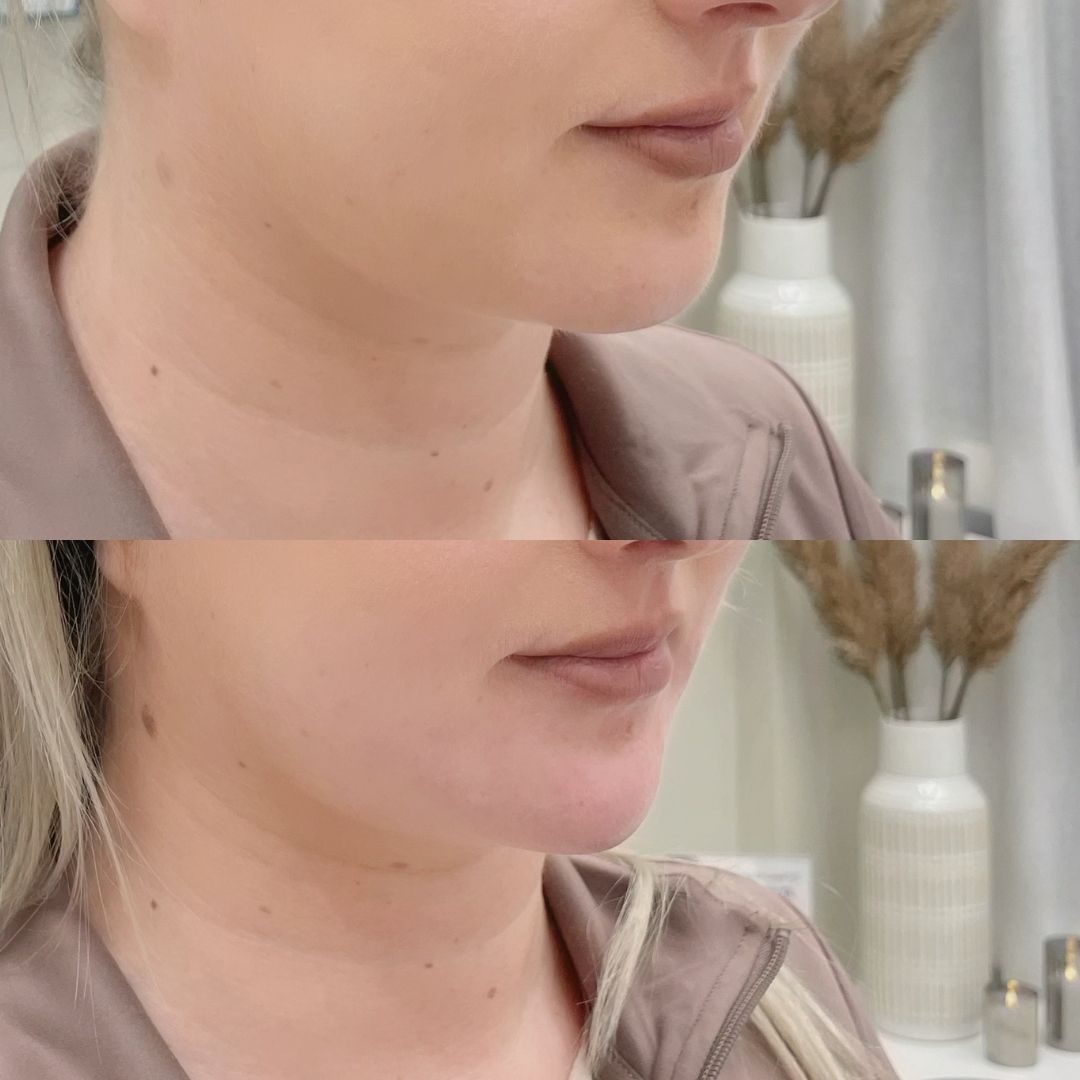
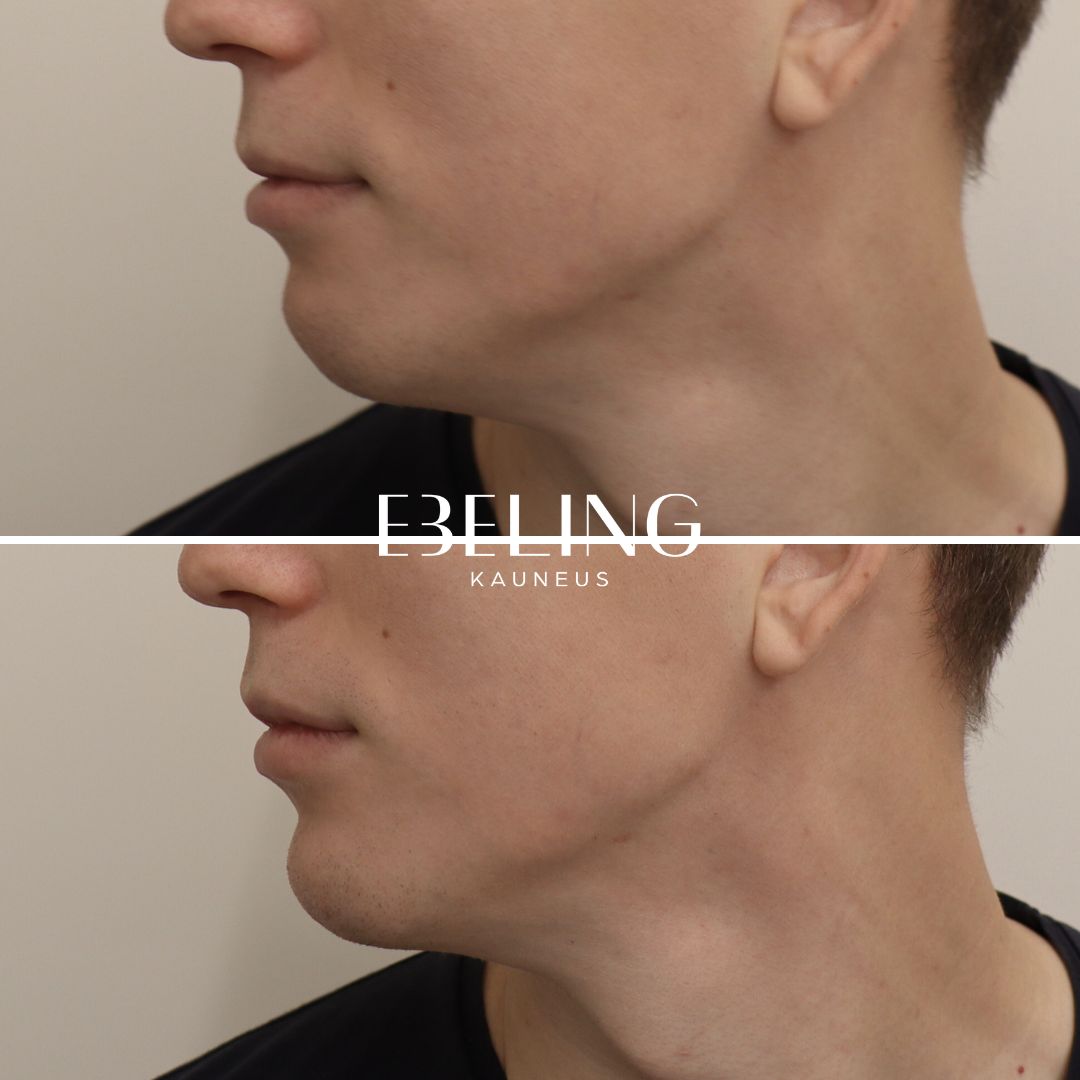
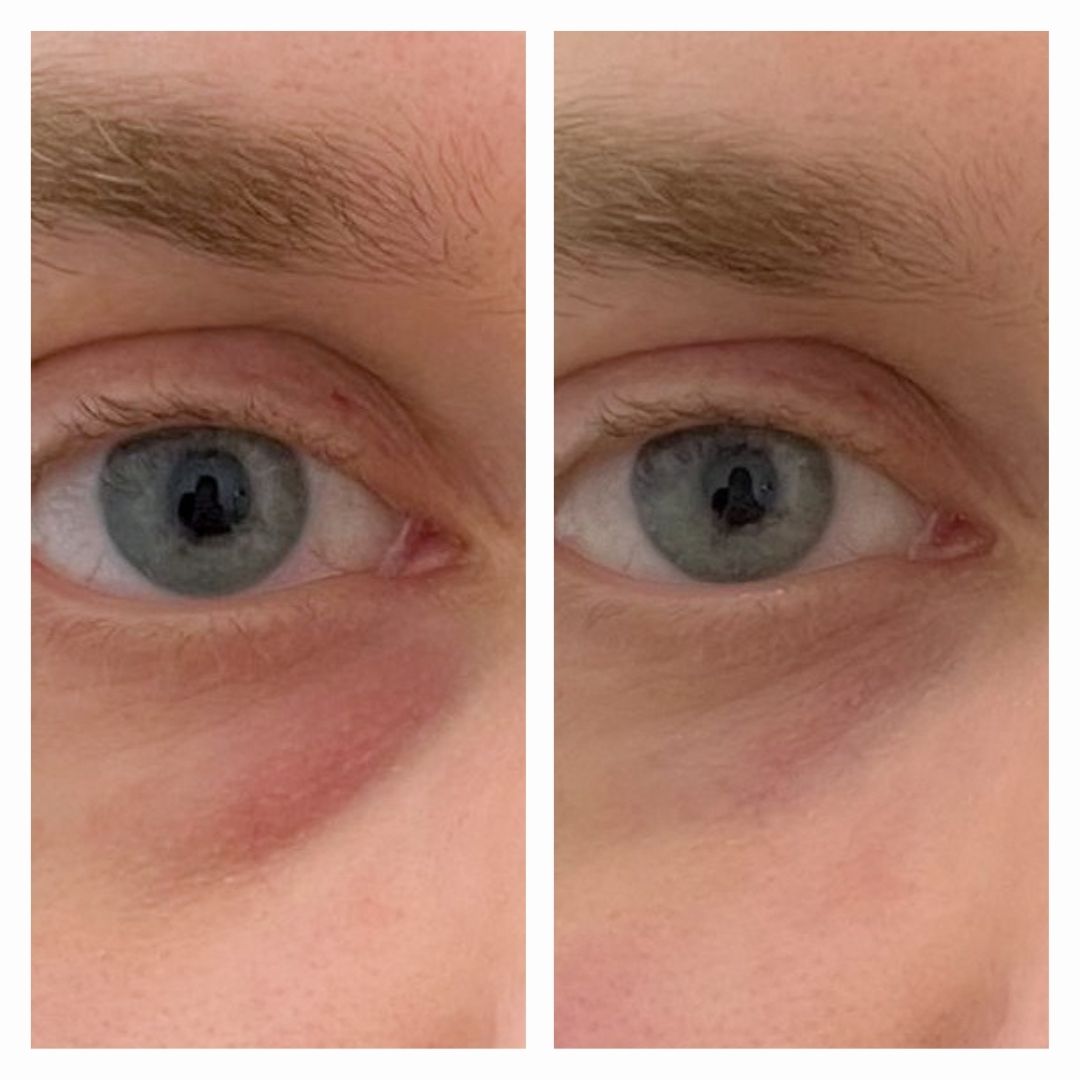
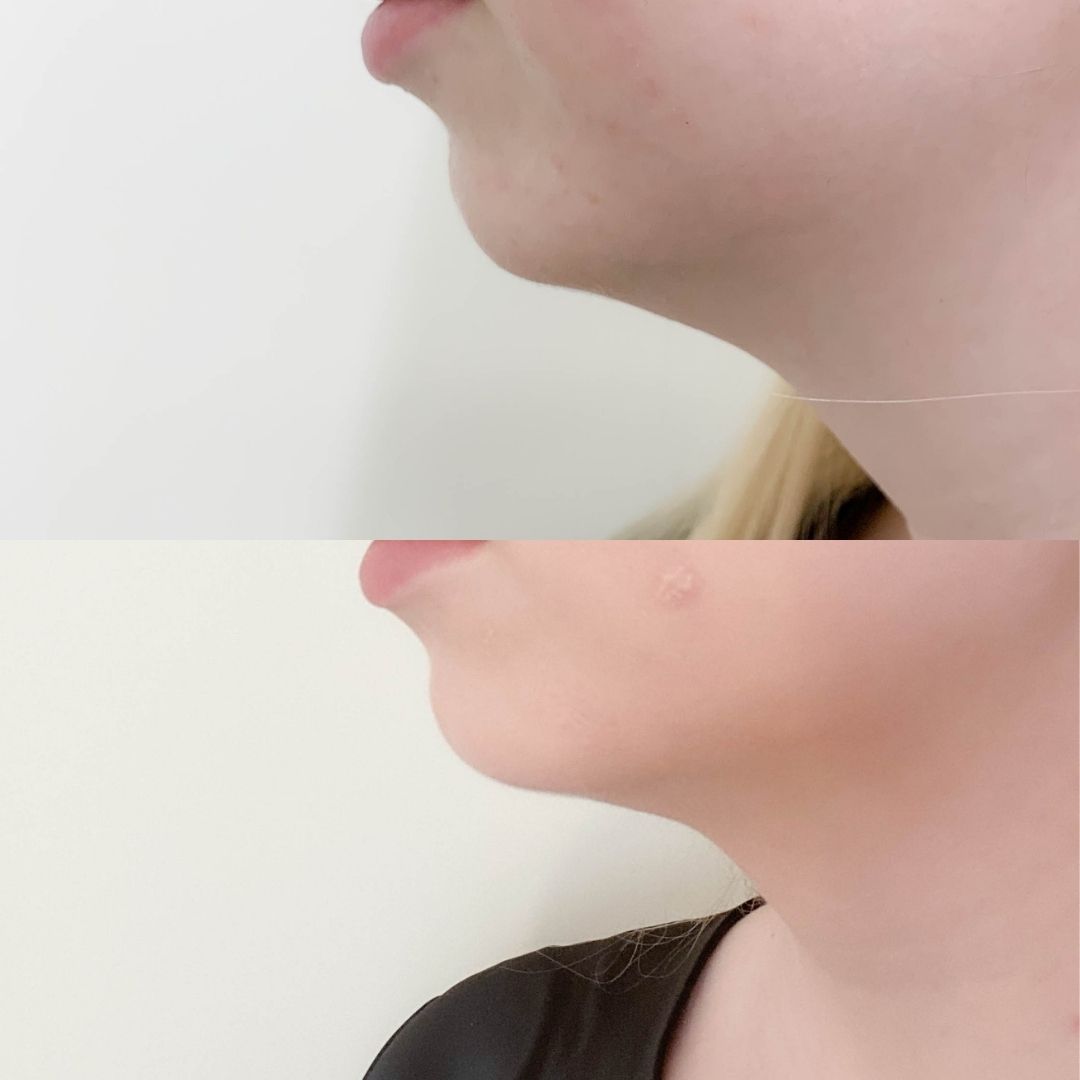
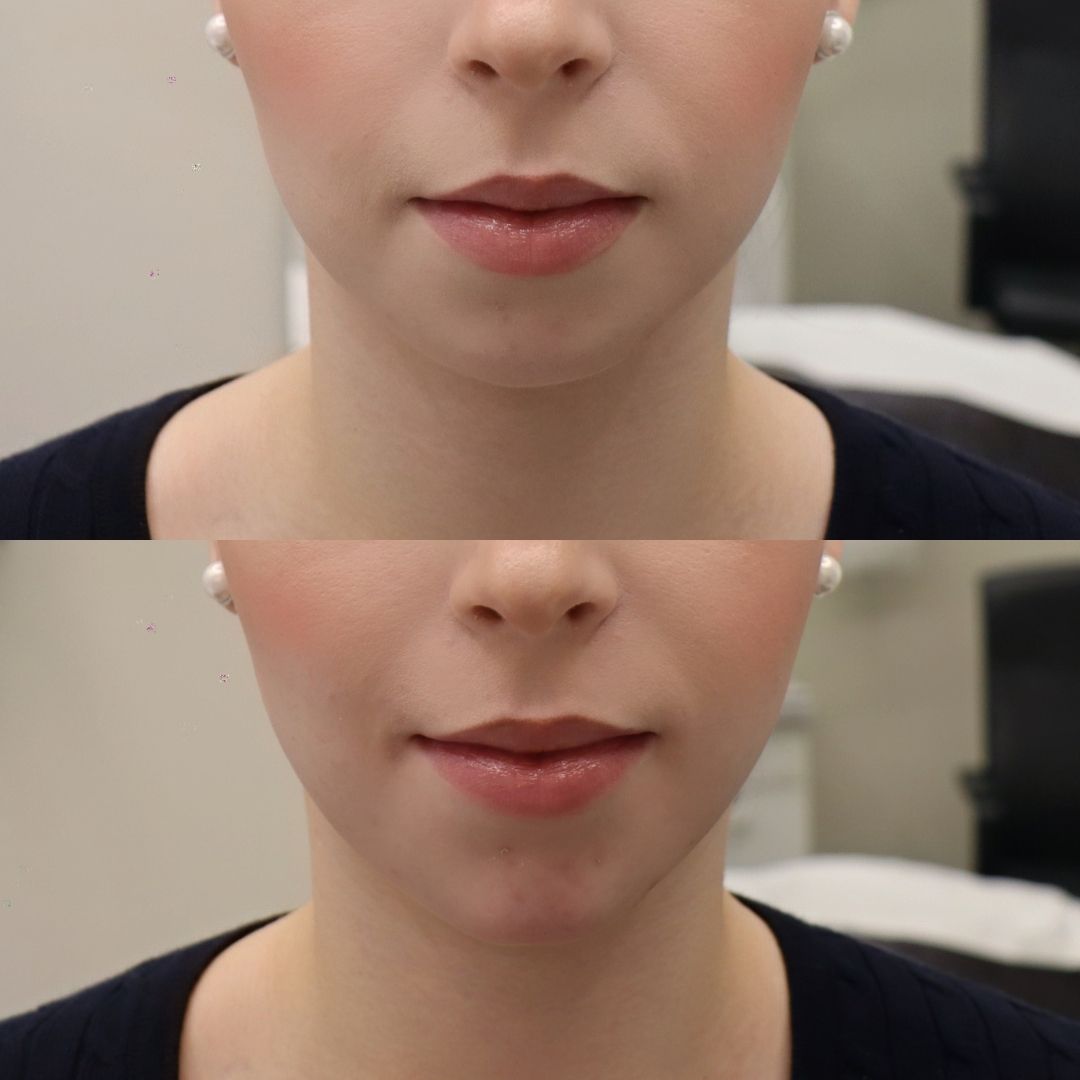
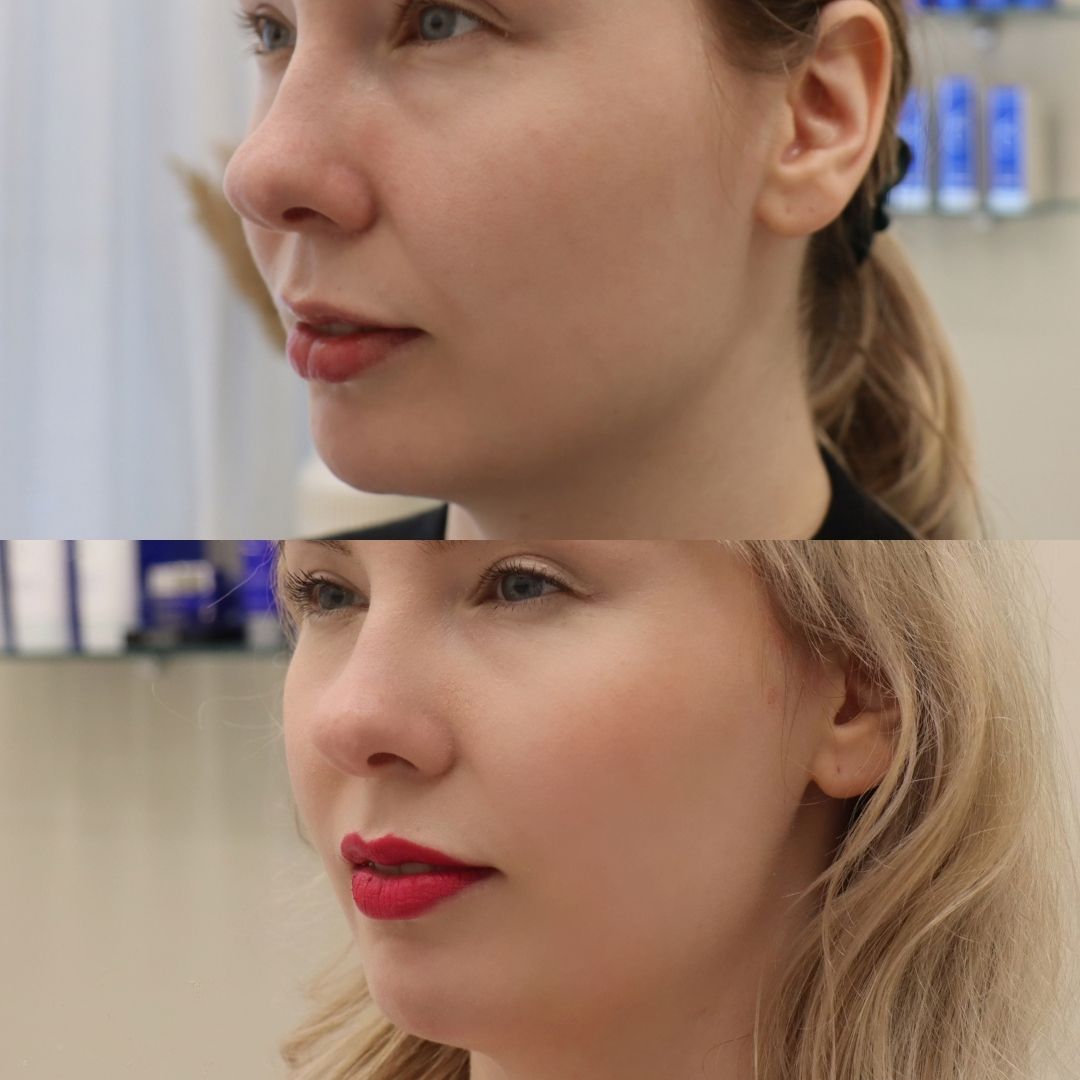
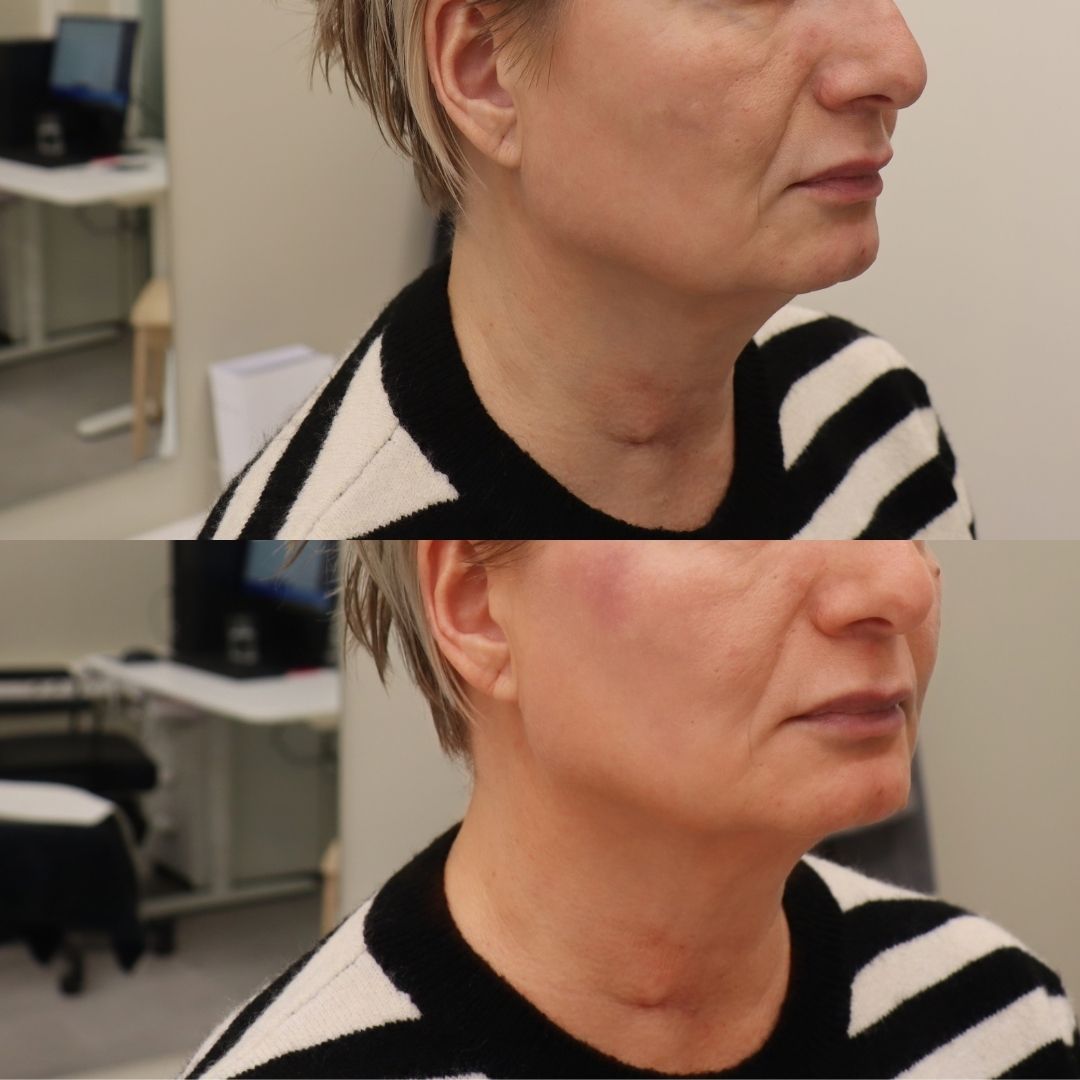
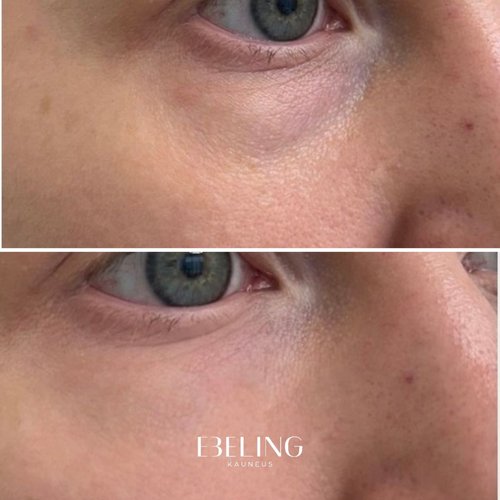
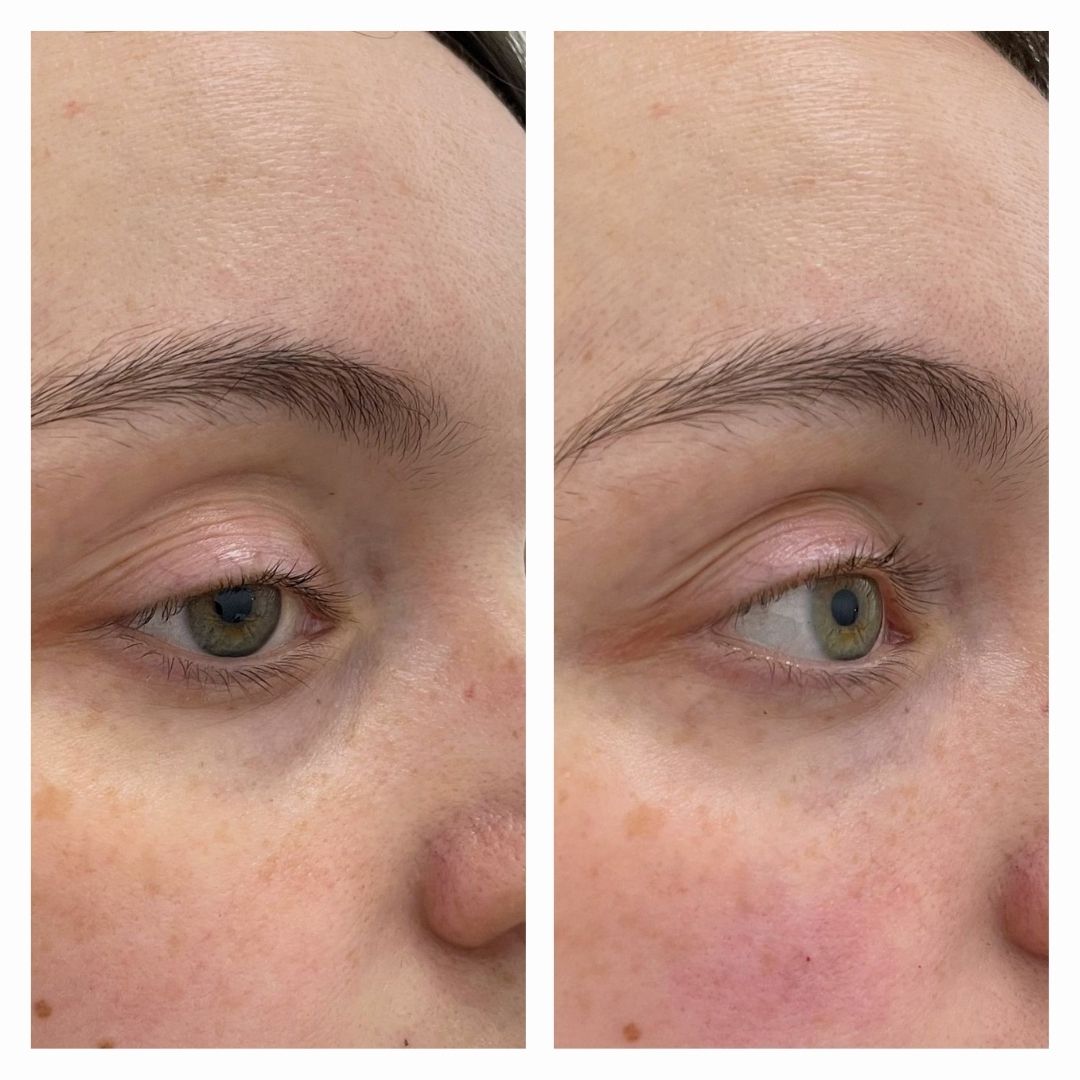
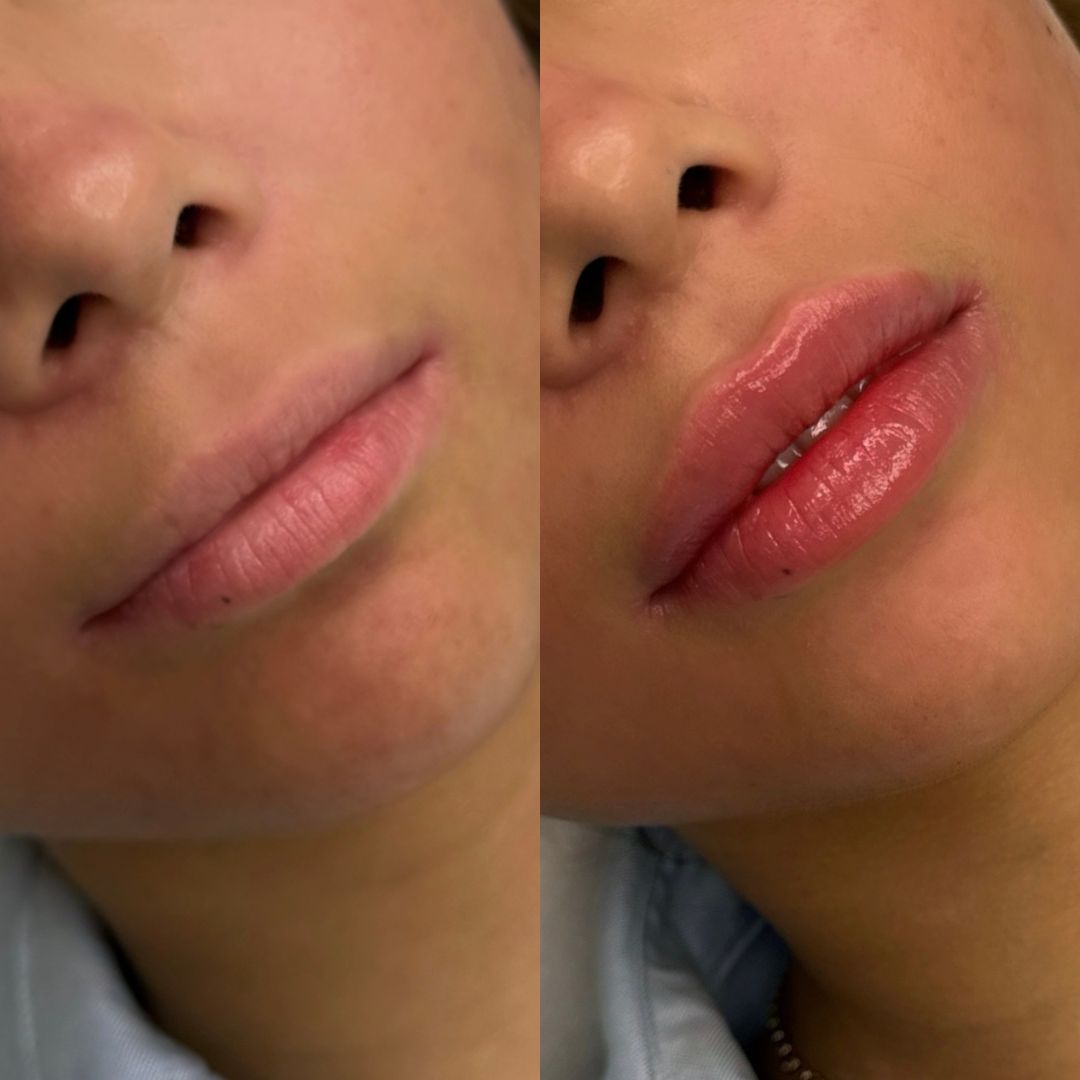
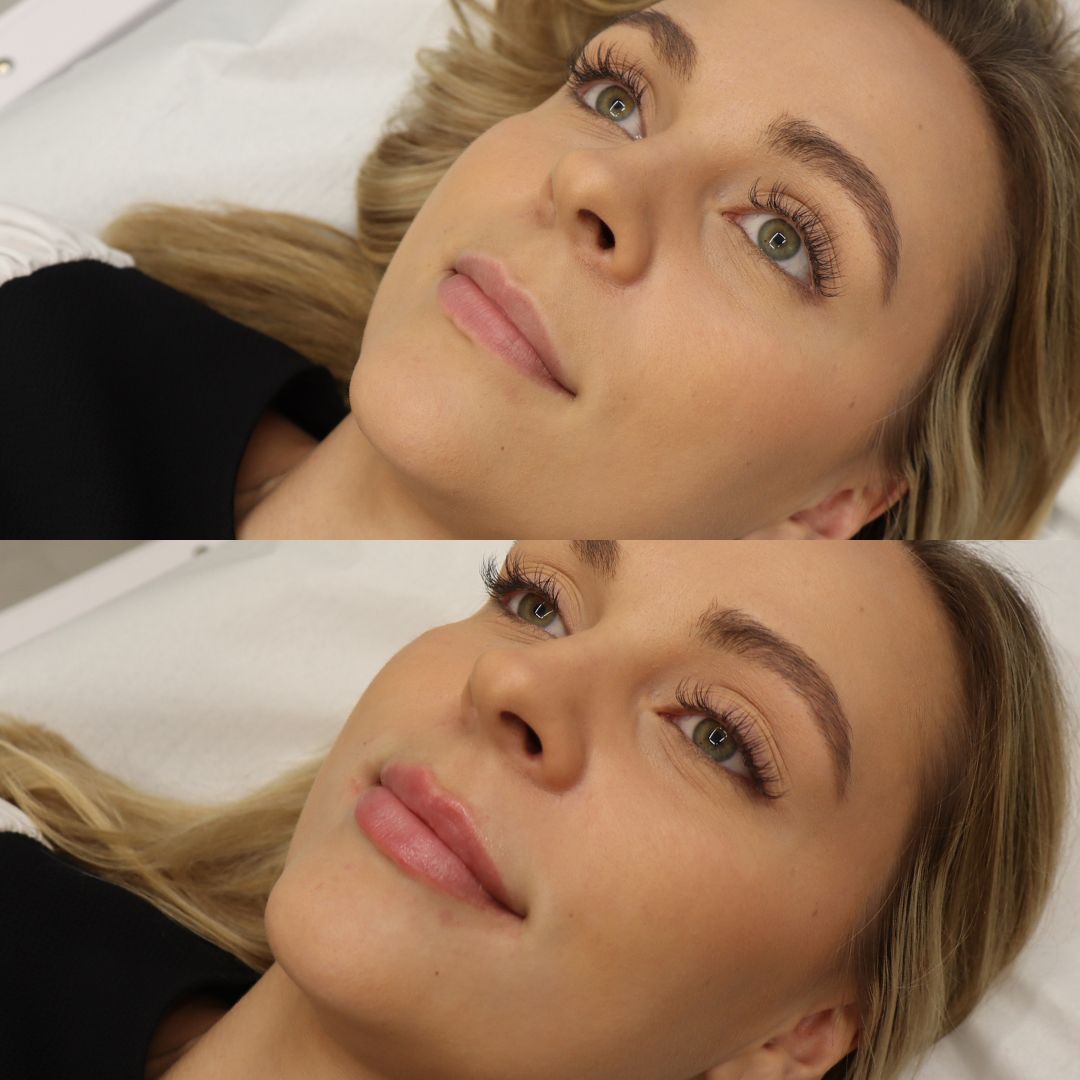
The indicative result of the filler treatment is visible immediately after the end of the treatment. However, the treatment often causes swelling. Because of the swelling, the first result is not definitive.
It takes a couple of weeks for swelling, tightness, and other side effects to subside. Remember that swelling may not always diminish symmetrically, so the first few days can look slightly different each day. This is perfectly normal. The final result can be reliably assessed two weeks after the filler treatment.
What about after filler treatment?
- Avoid extreme temperatures (sunbathing, solarium, sauna, hot baths and showers, frost) for the first few days.
- Antihistamines (e.g. Zyrtec) reduce swelling.
- Don't worry if the filler feels hard and firm on the skin during the first few weeks. This is normal before the gel settles and integrates into the tissue.
- Make-up and skin care products can be applied to the treatment area the day after the procedure.
- Don't drink alcohol and don't exercise in the first few days.
It’s crucial to follow the aftercare guidelines meticulously. Those who do so often recover faster from filler treatments, and it can also influence both the outcome and how long the results last.