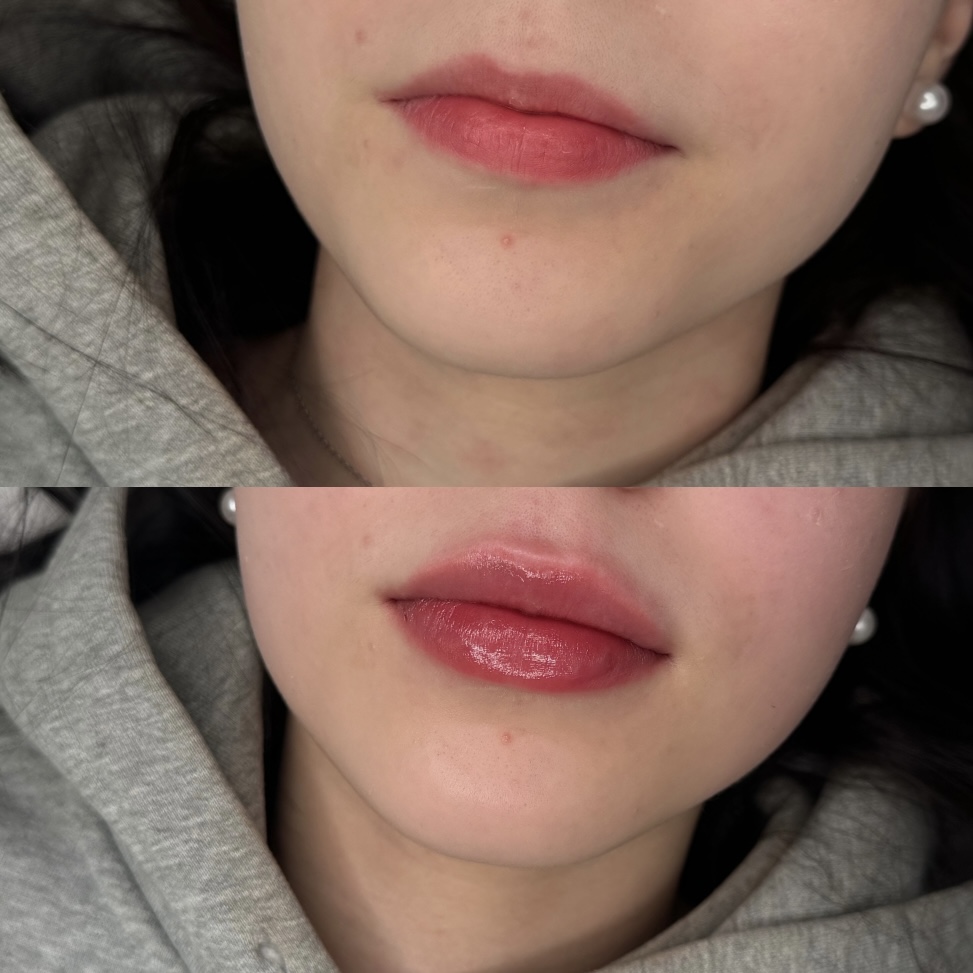
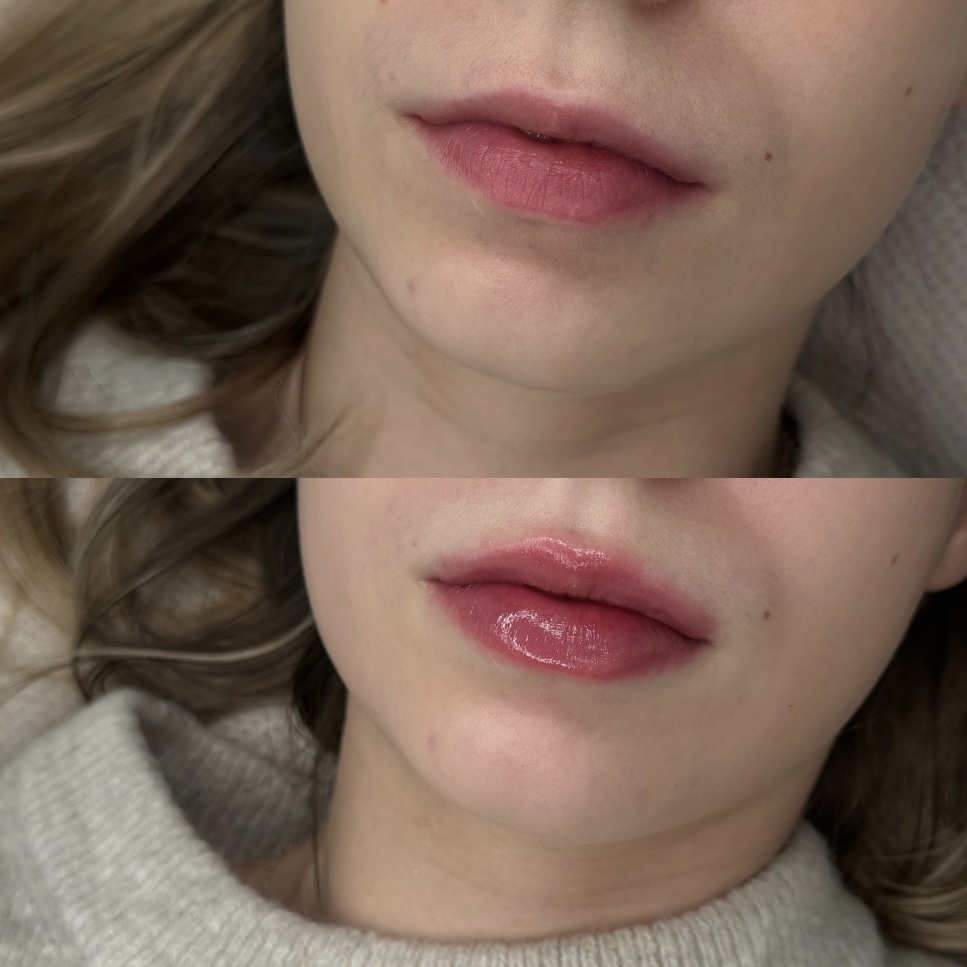
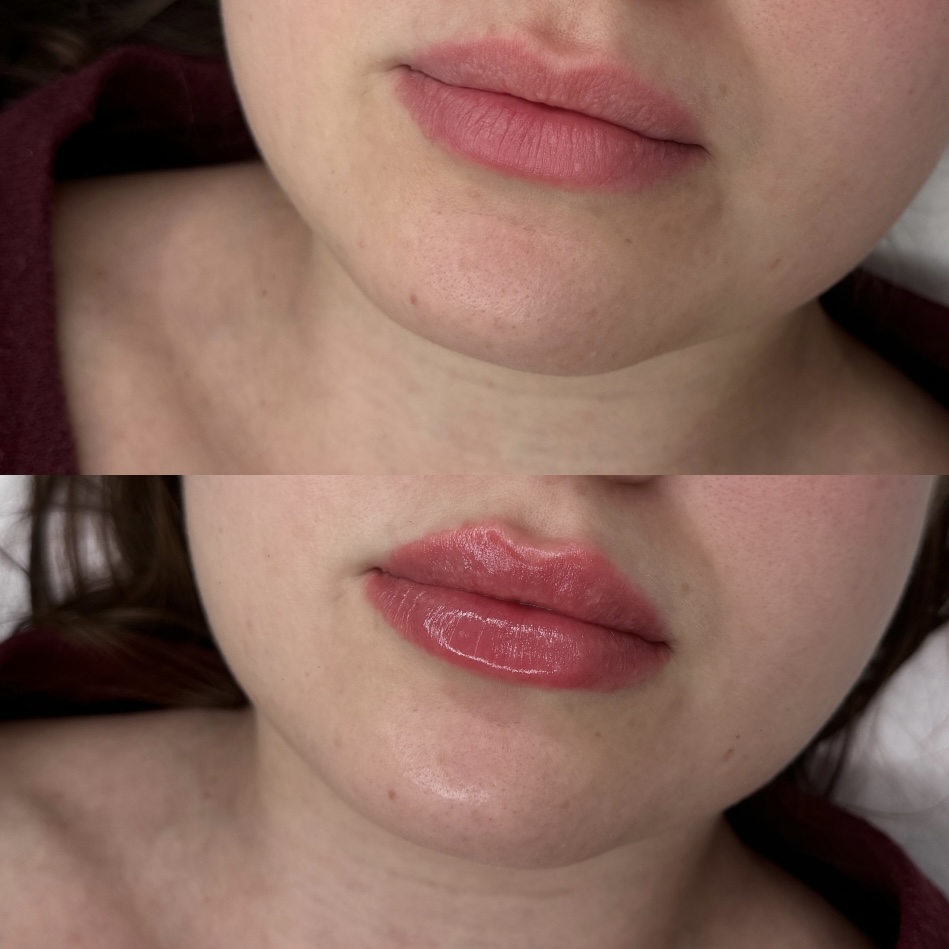
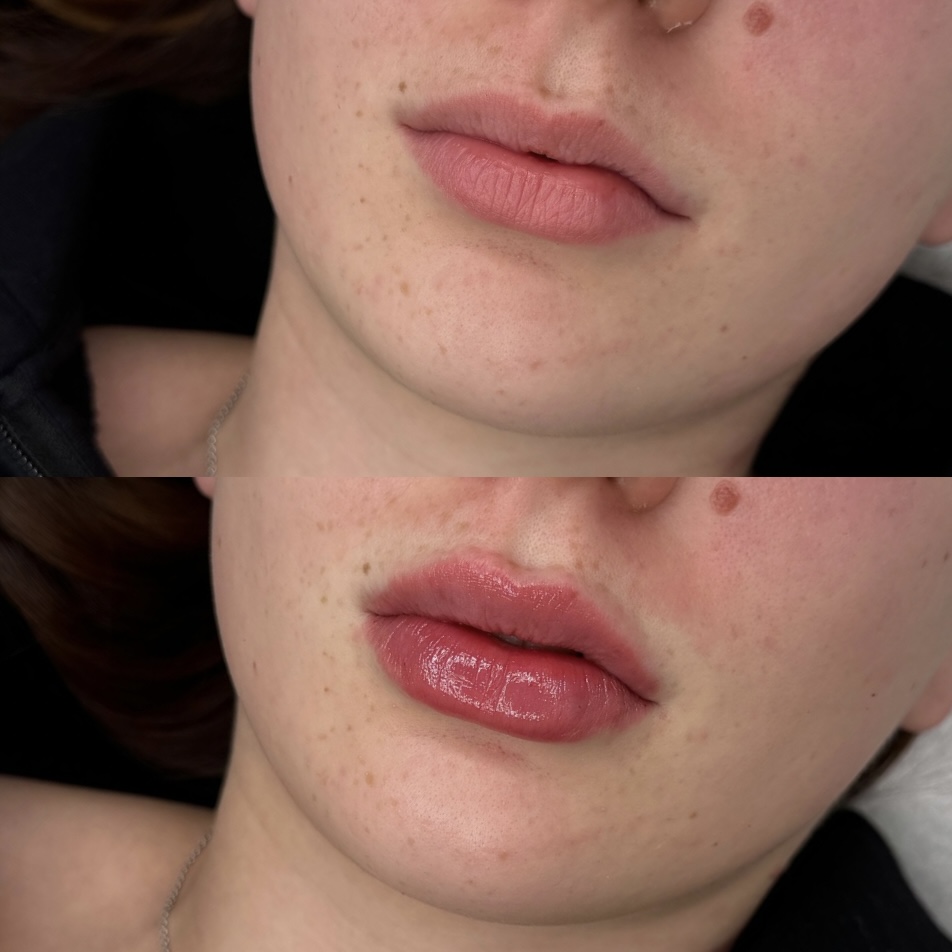
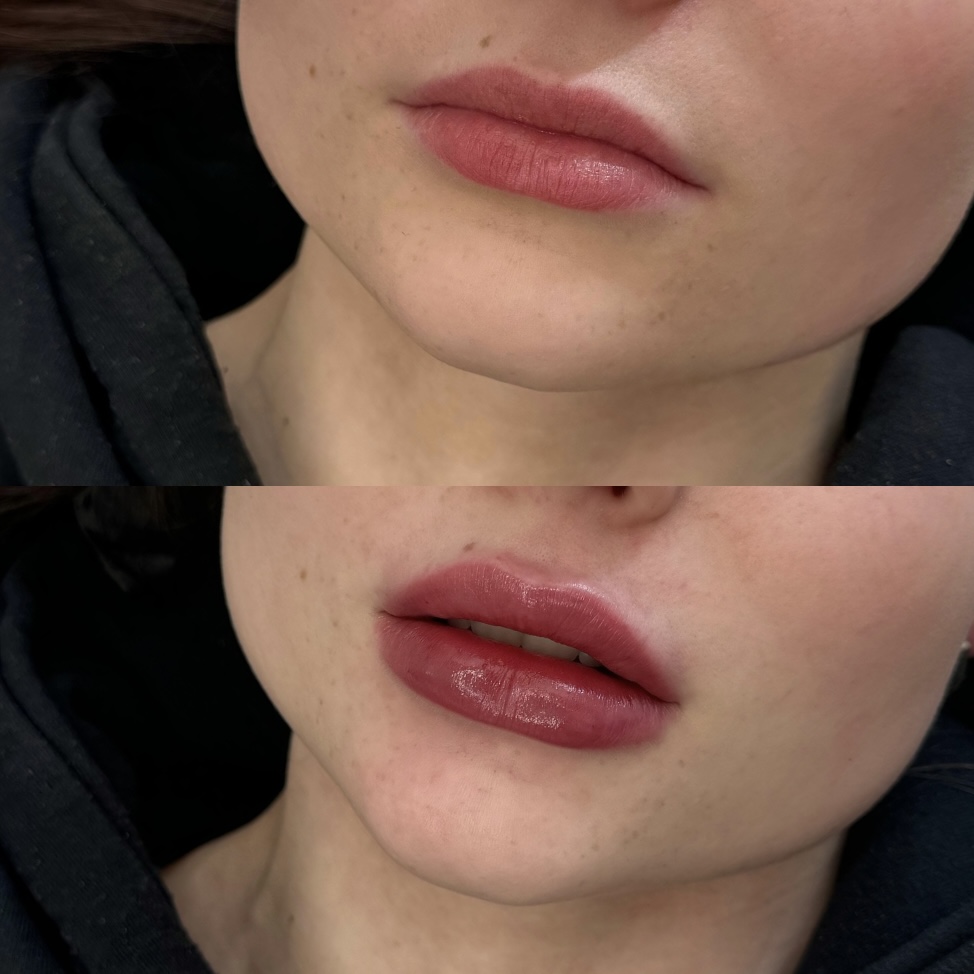
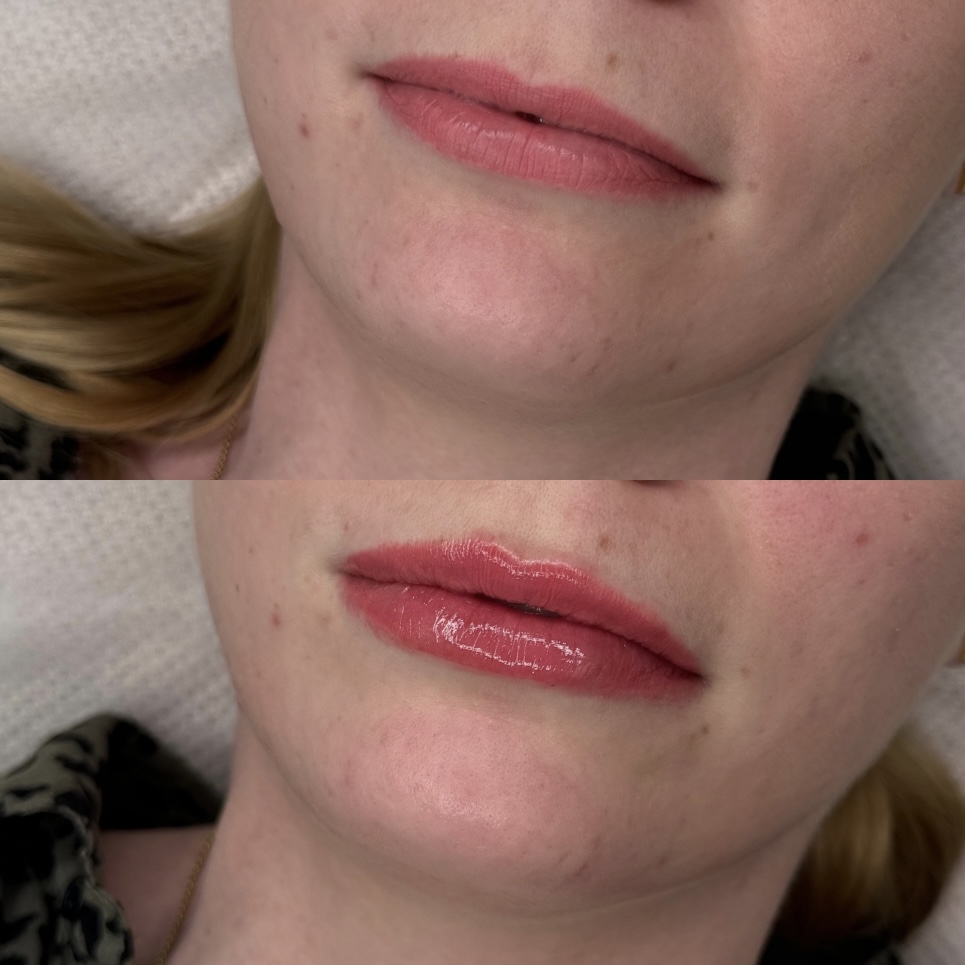
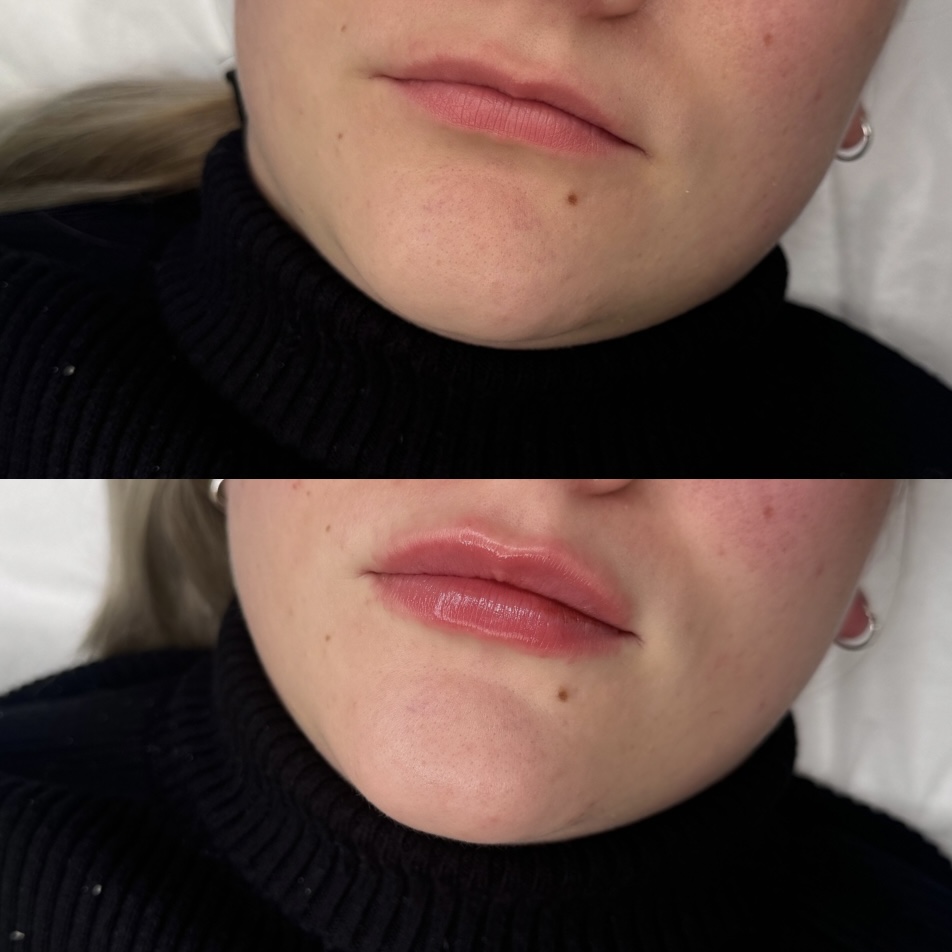
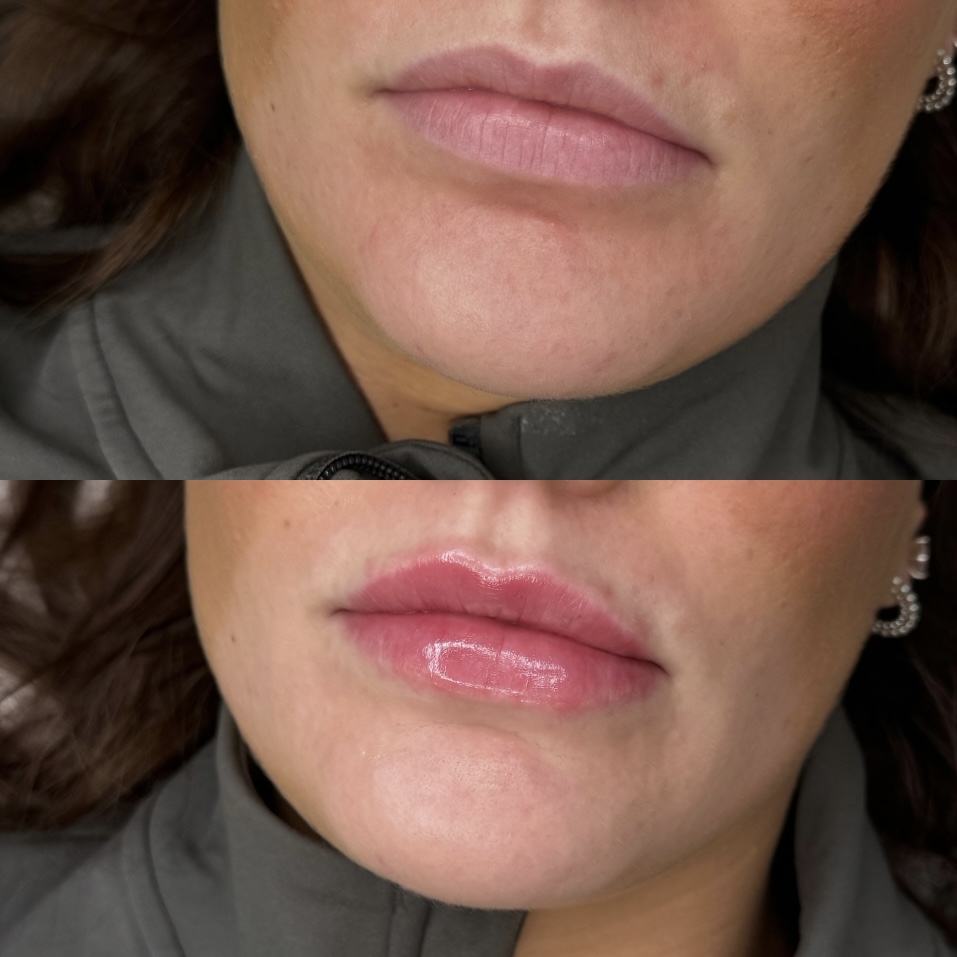
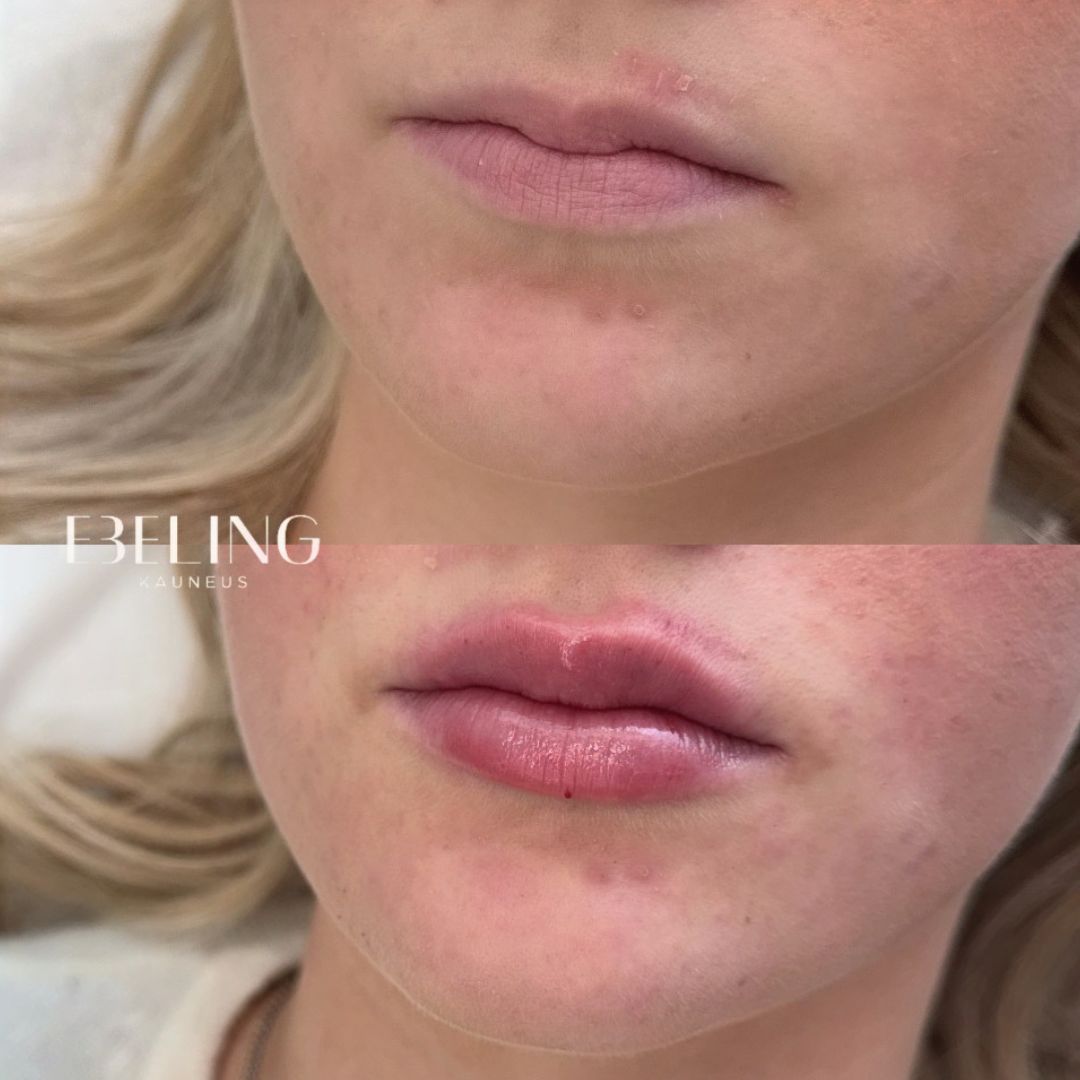
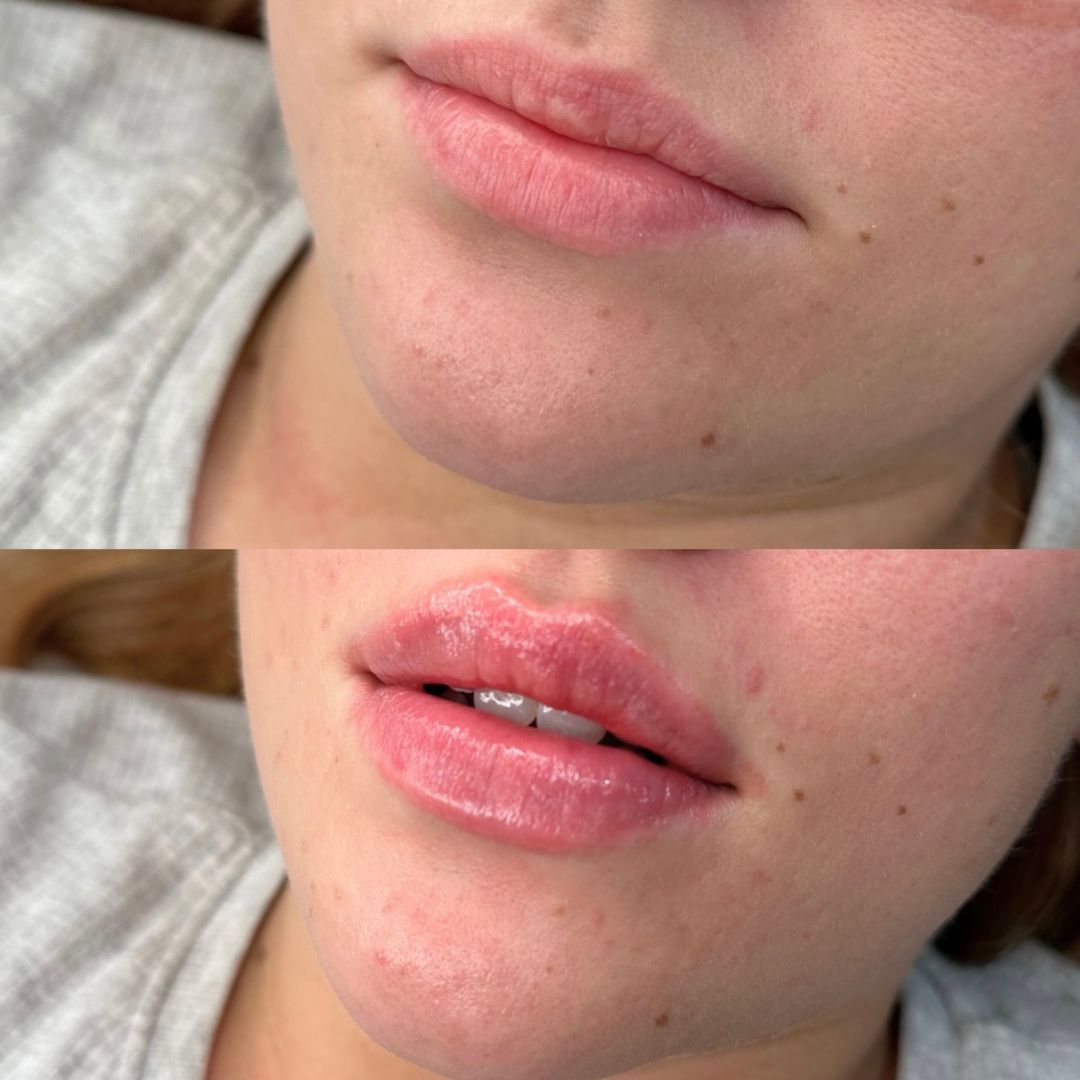
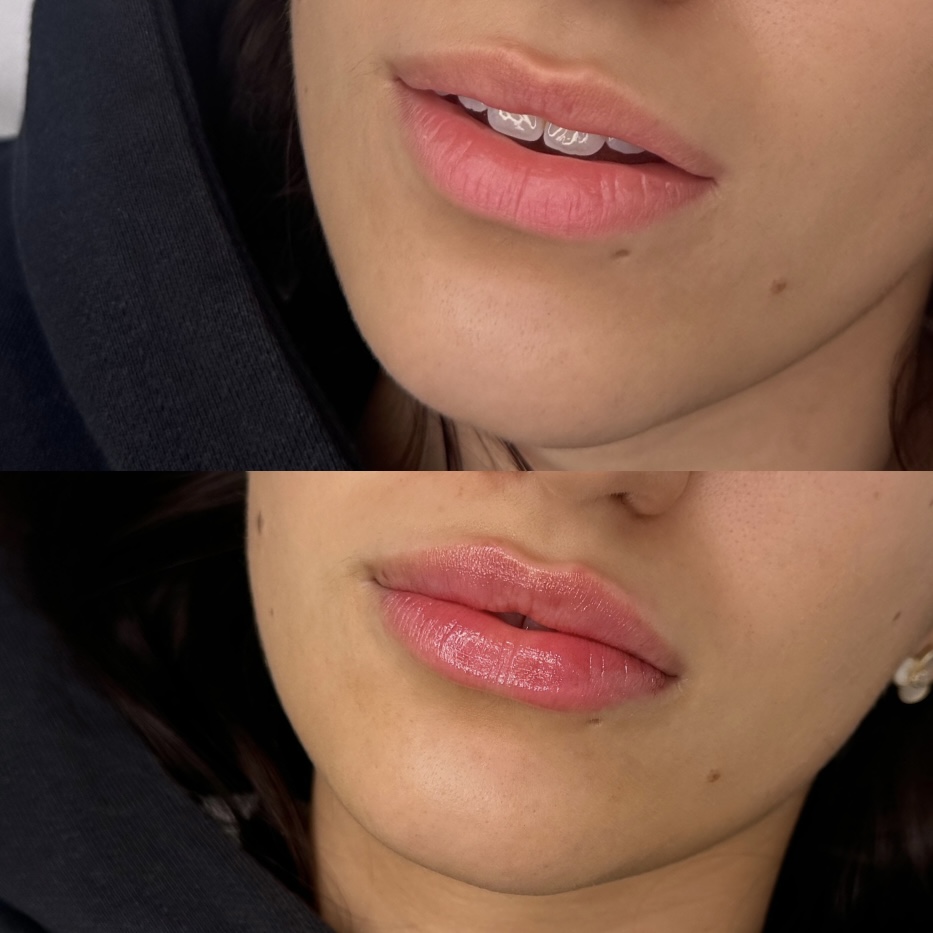
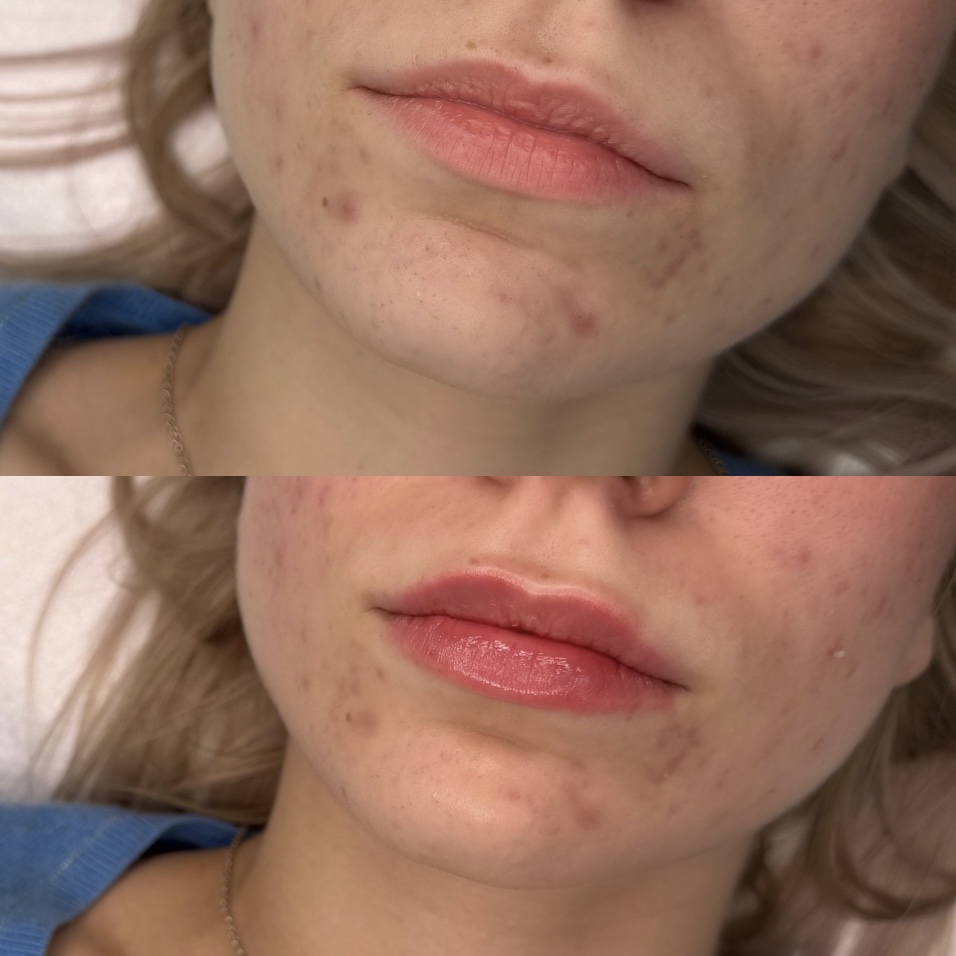
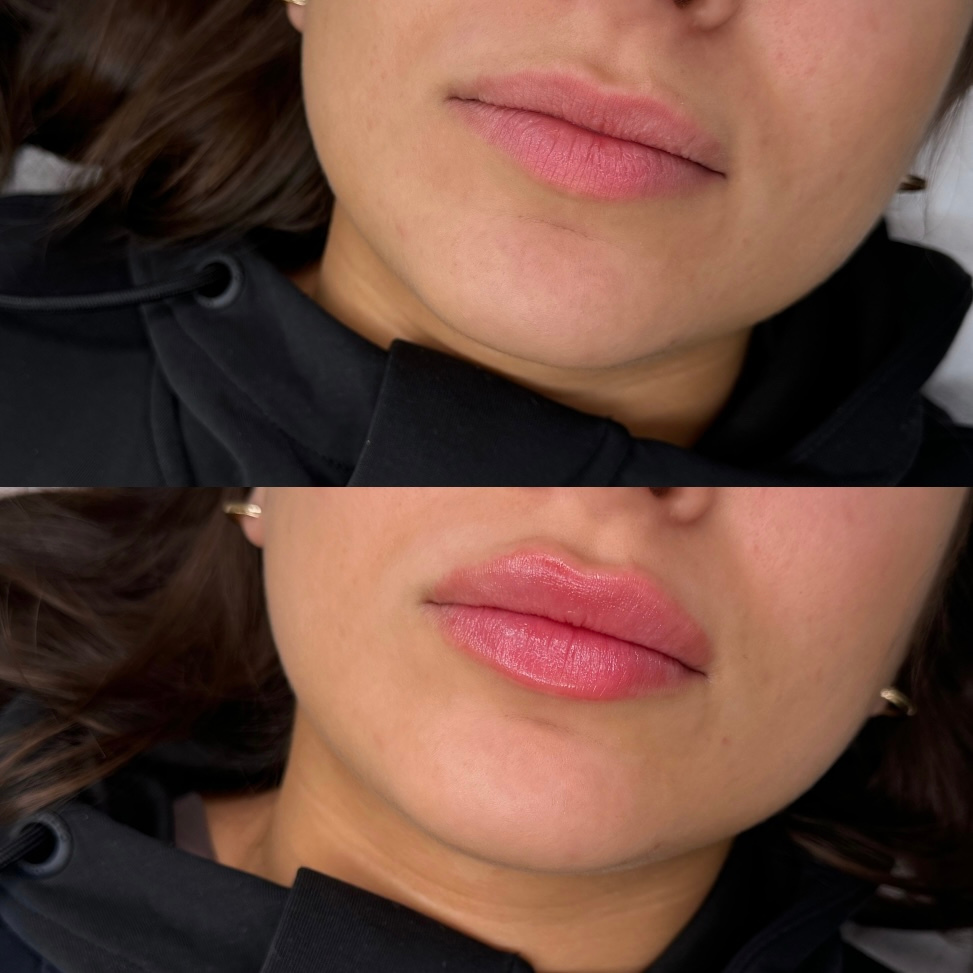
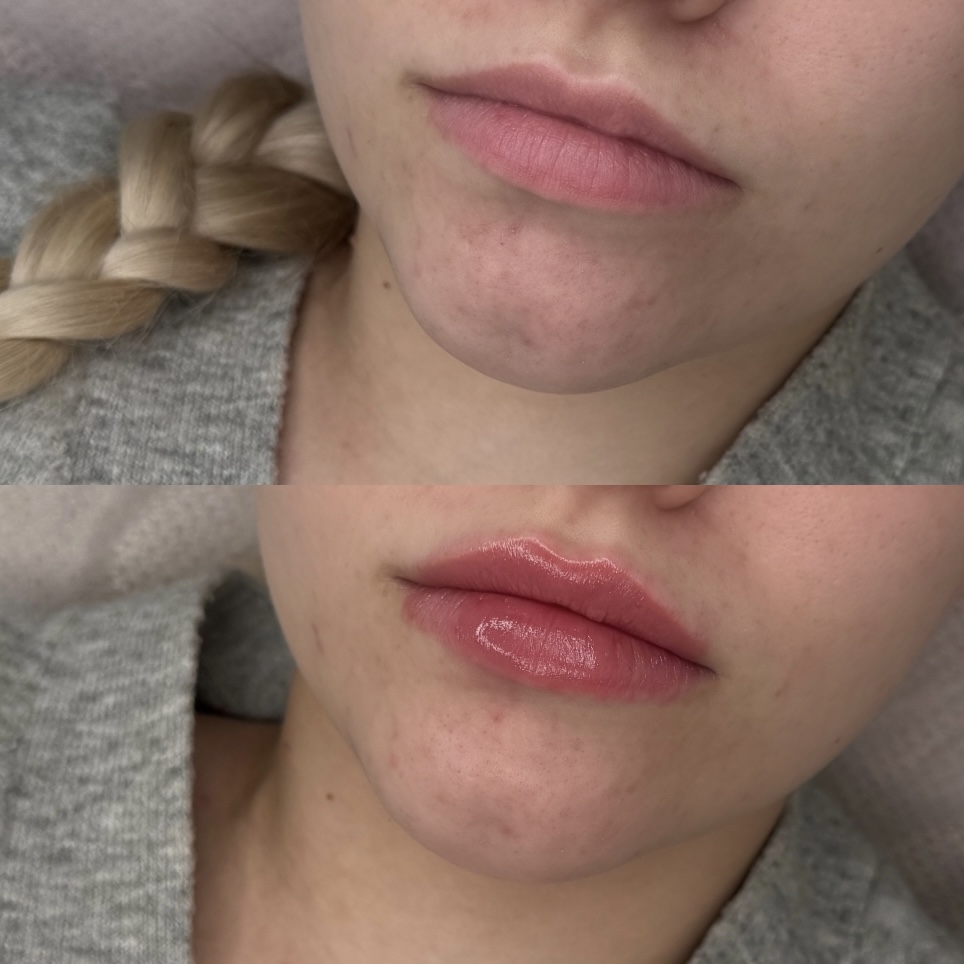
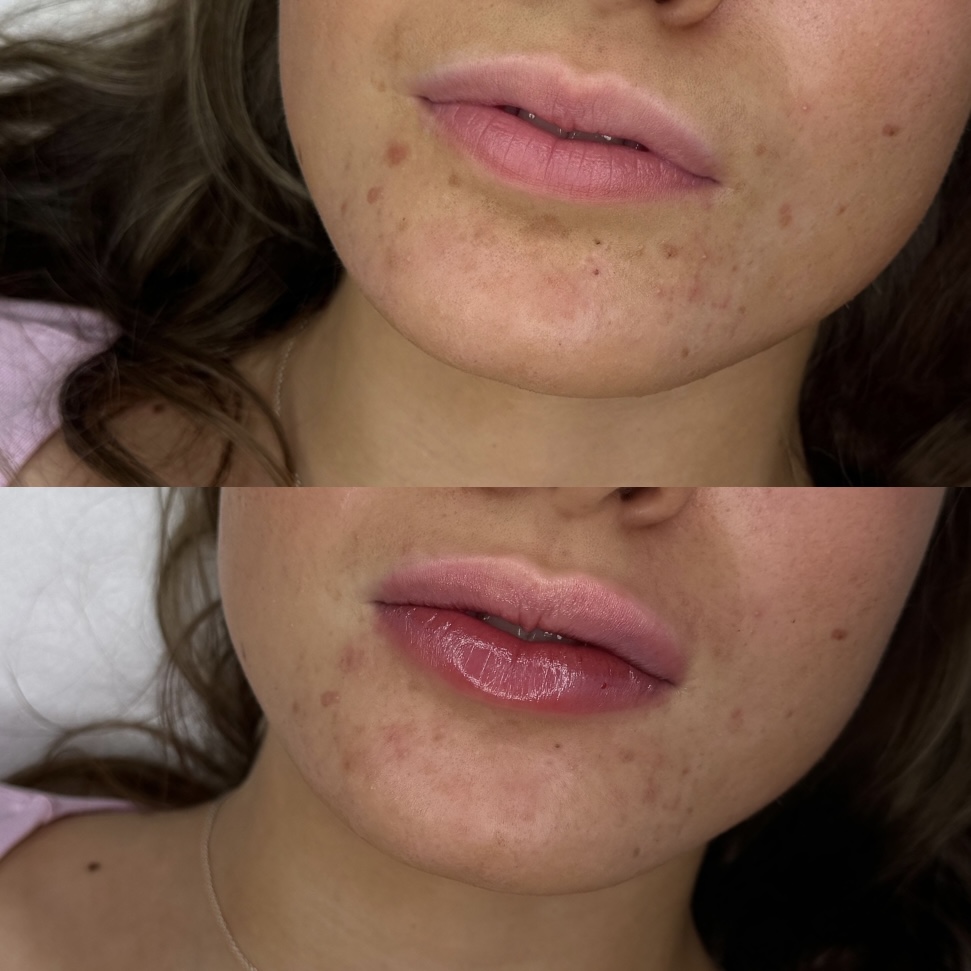
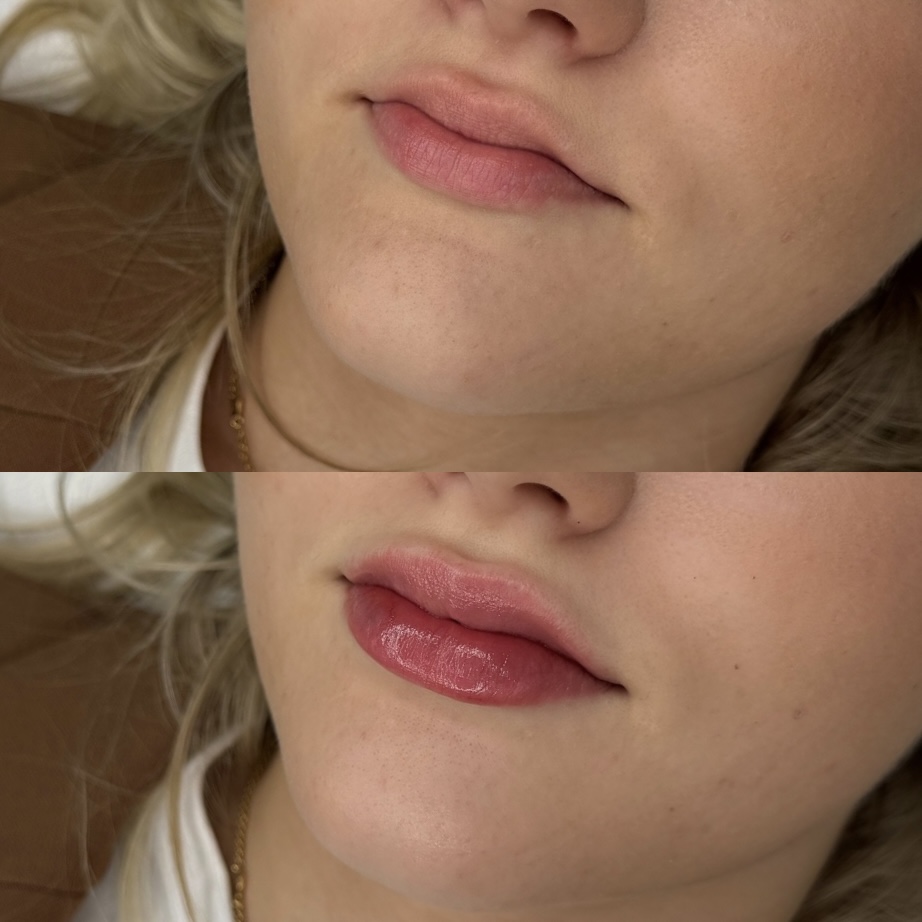
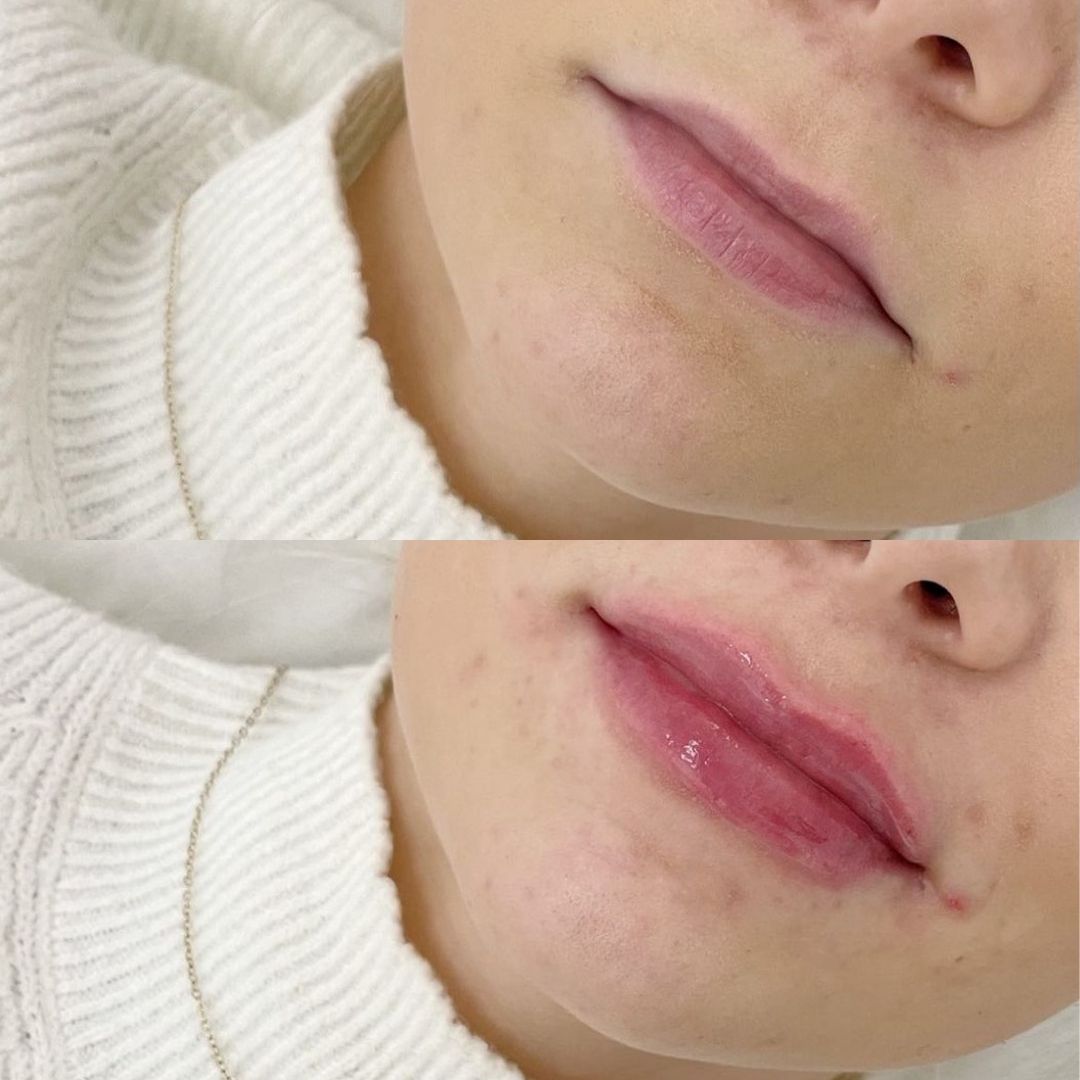
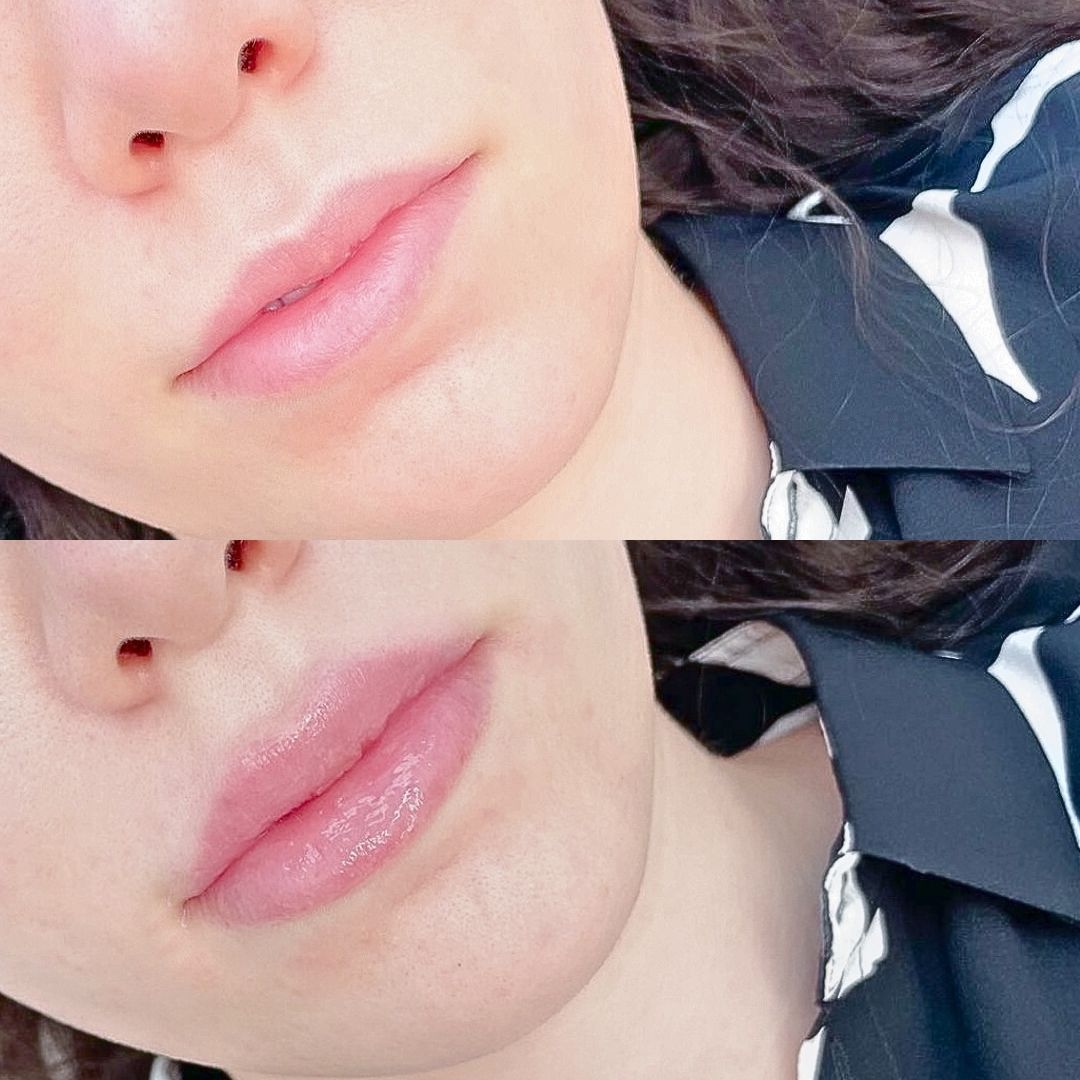
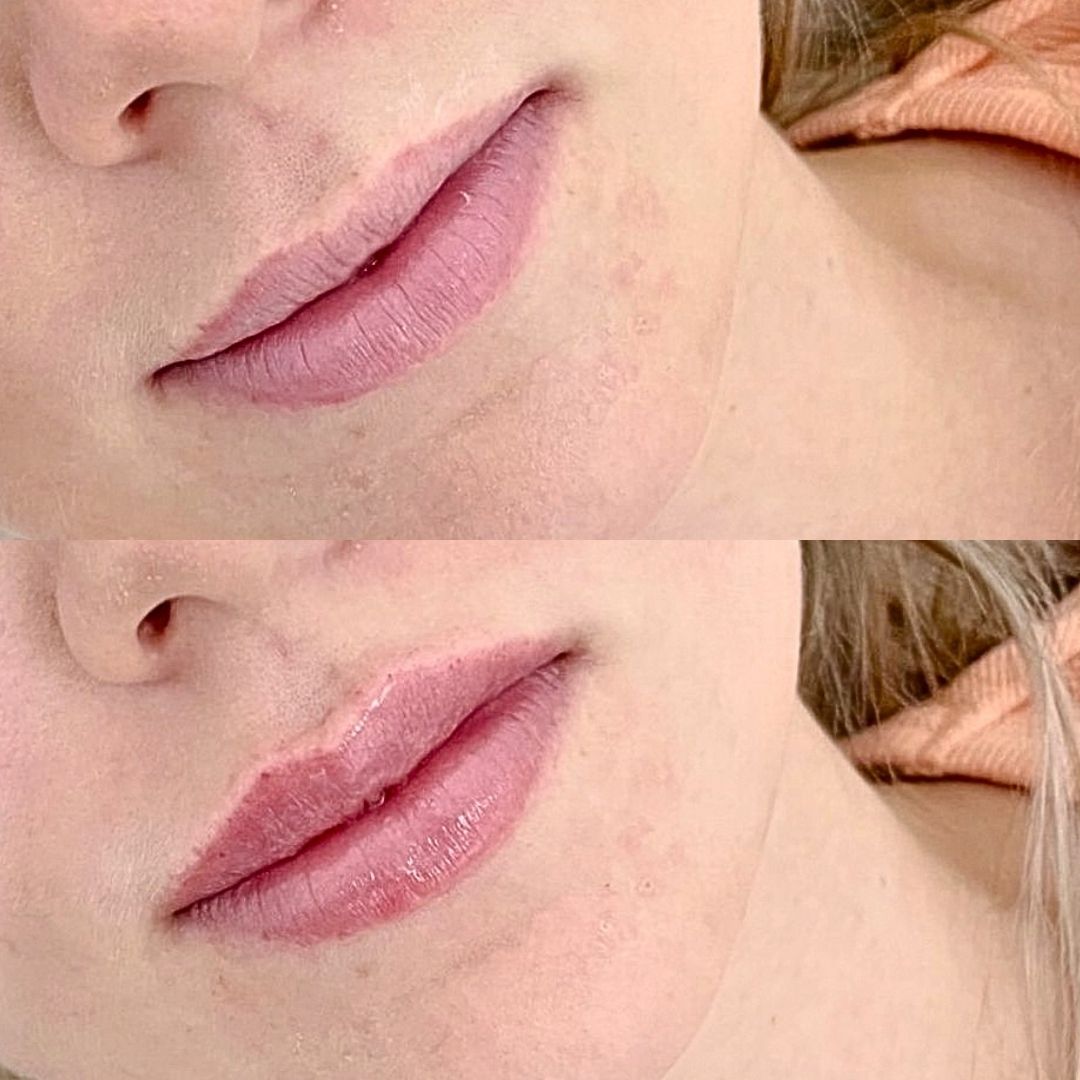
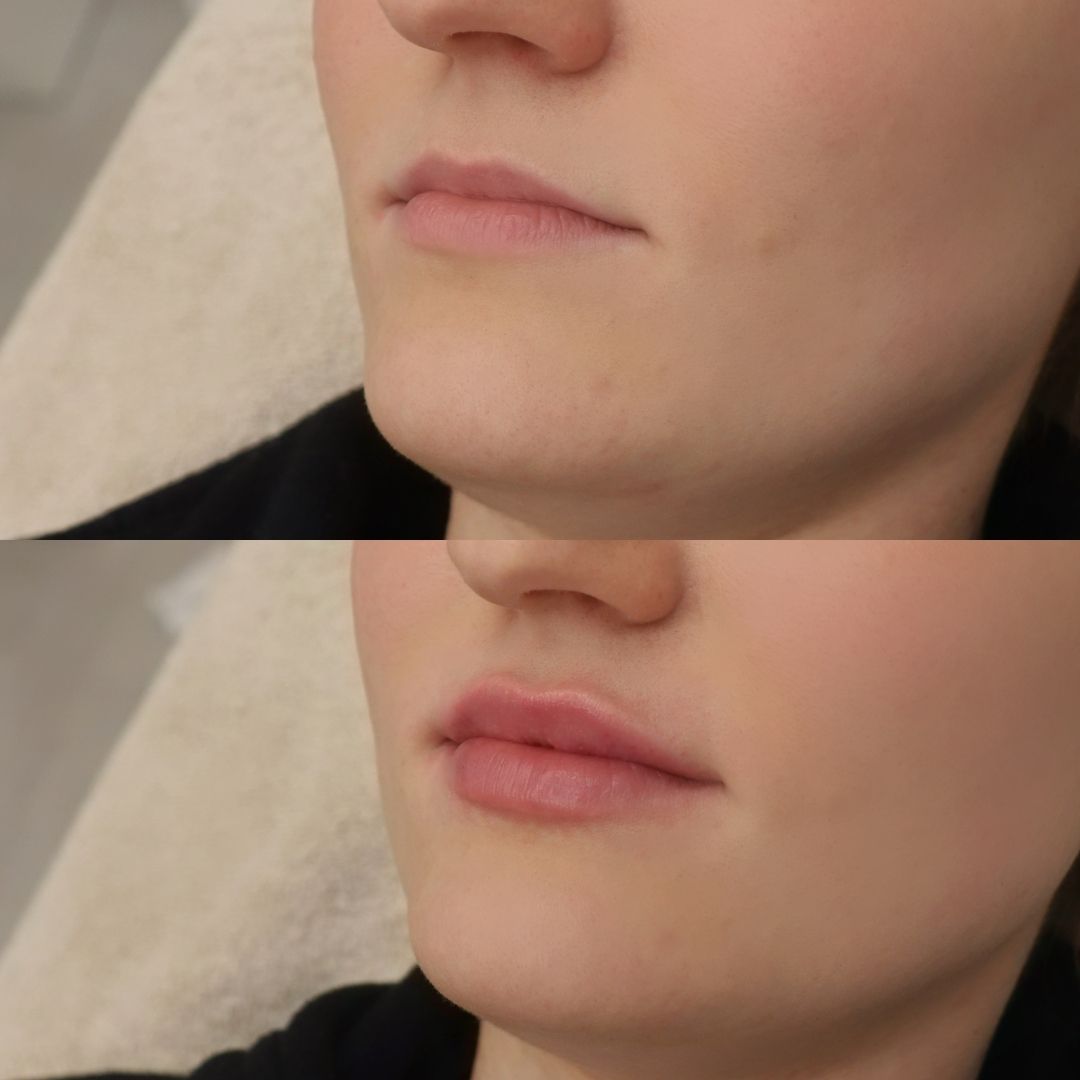
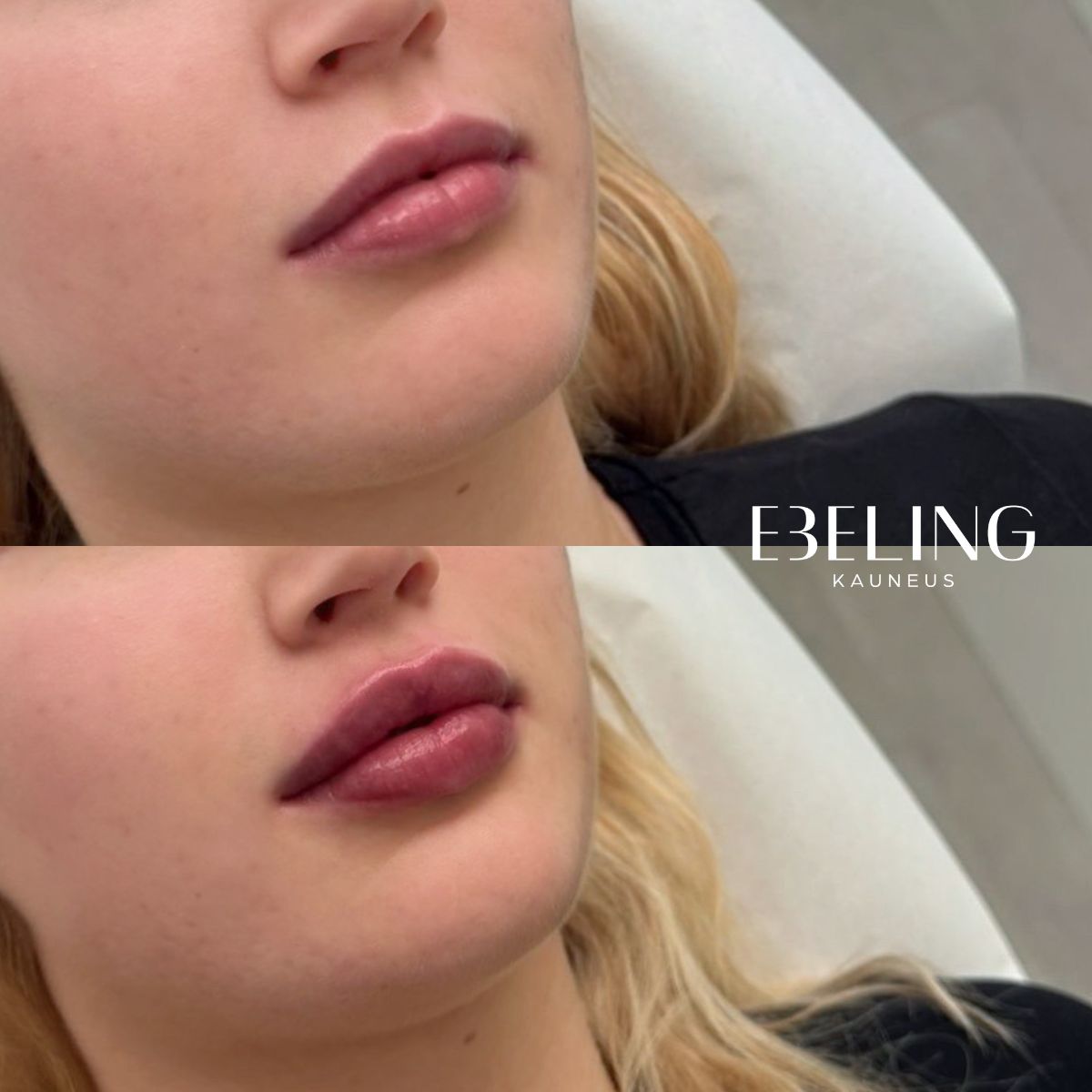
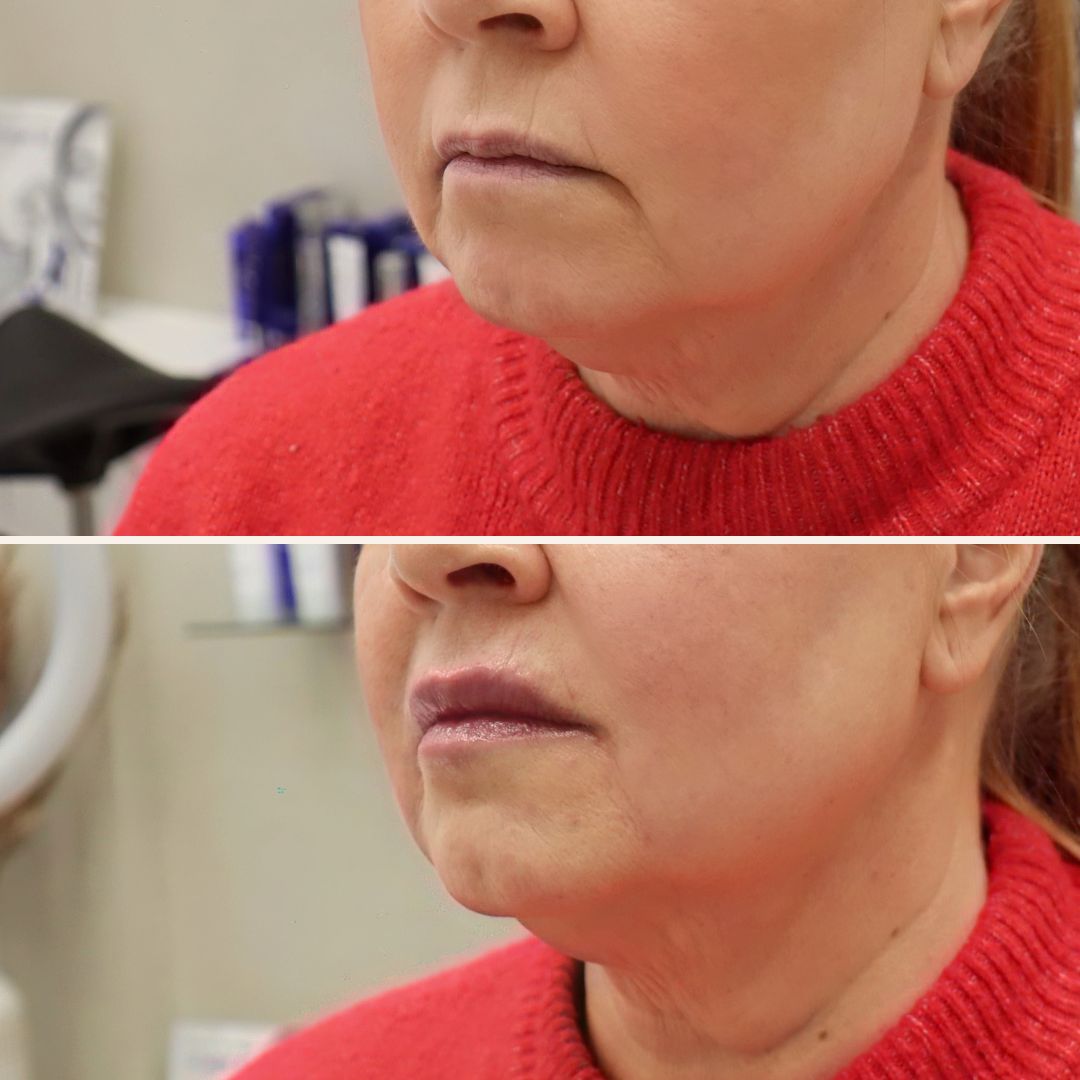
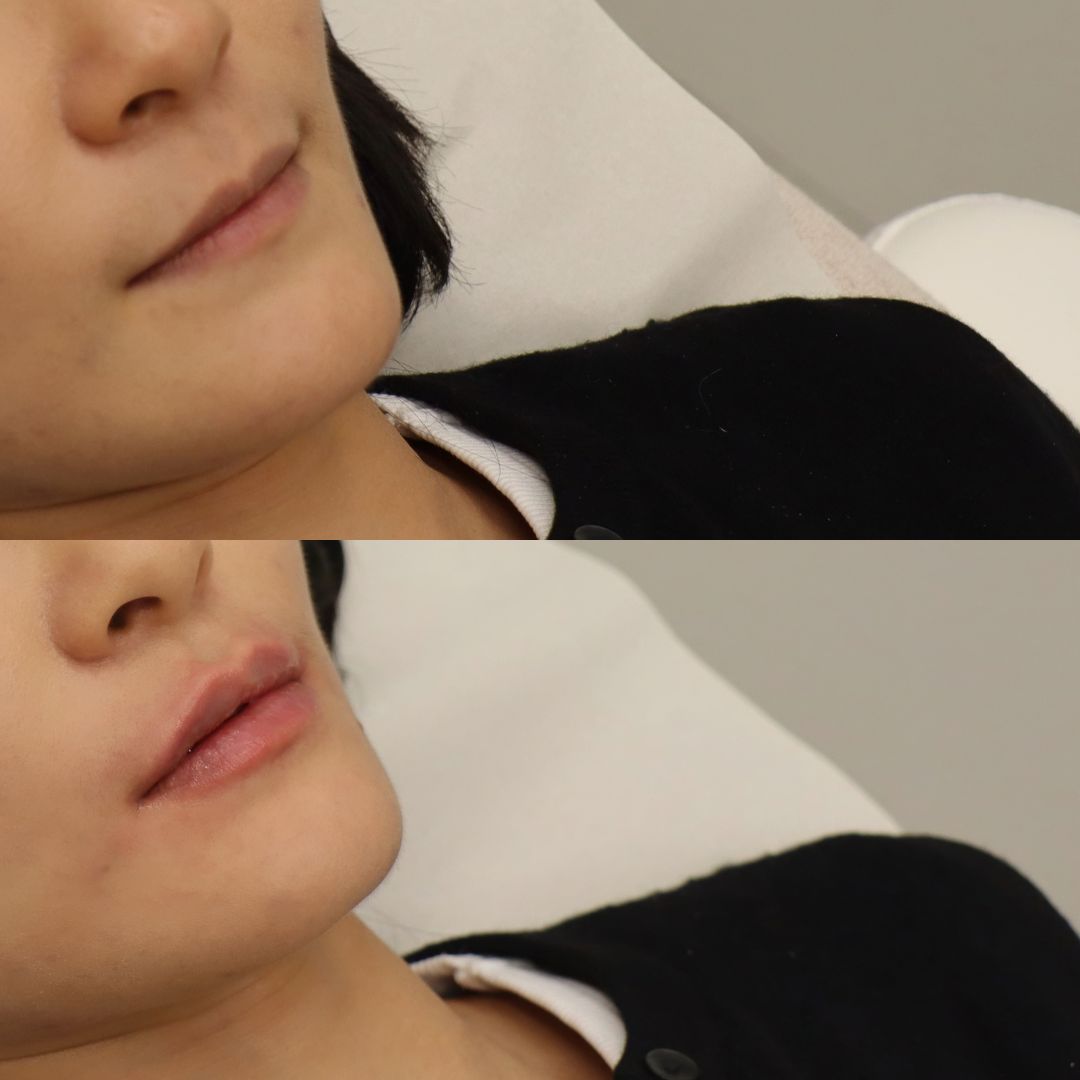
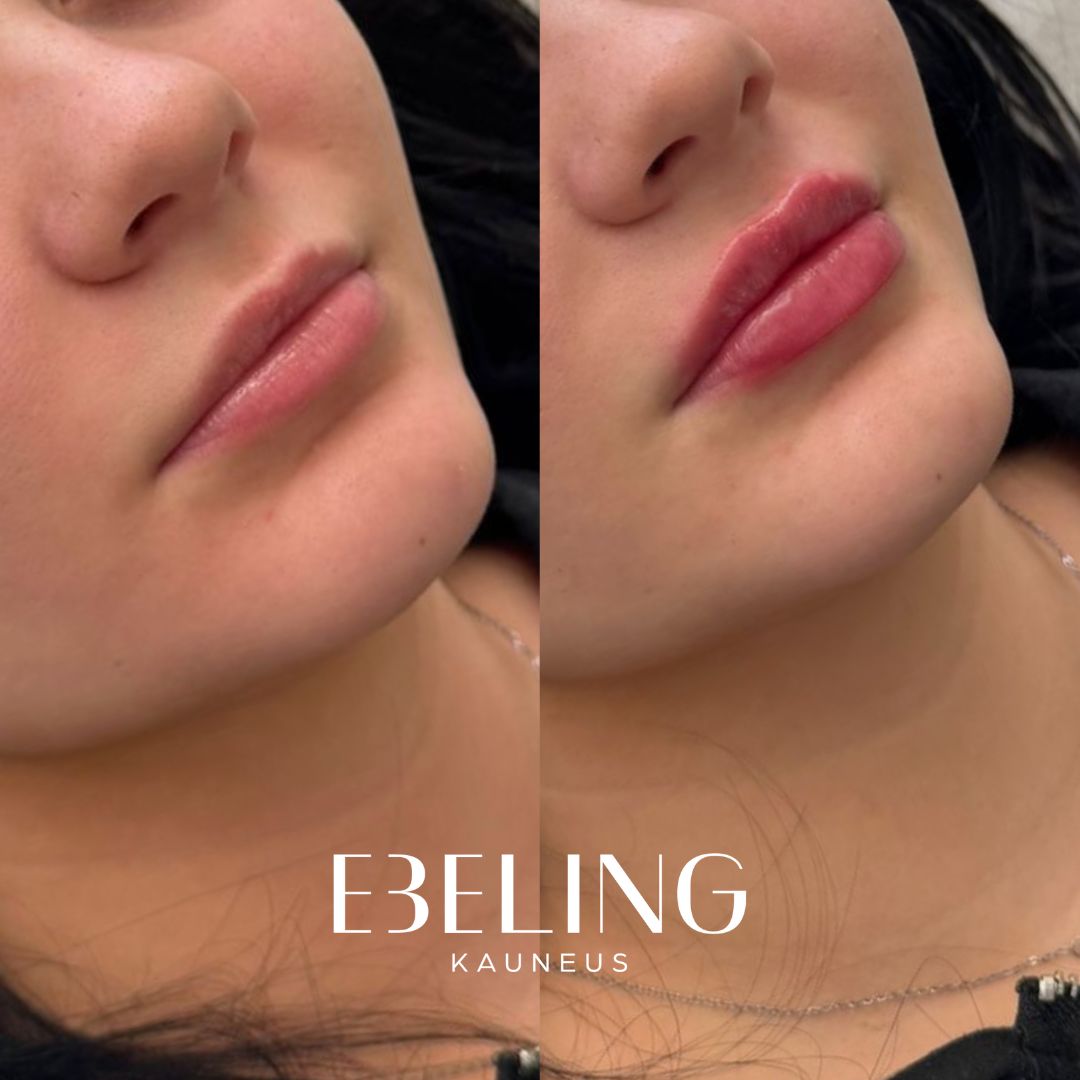
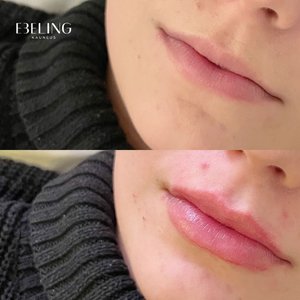
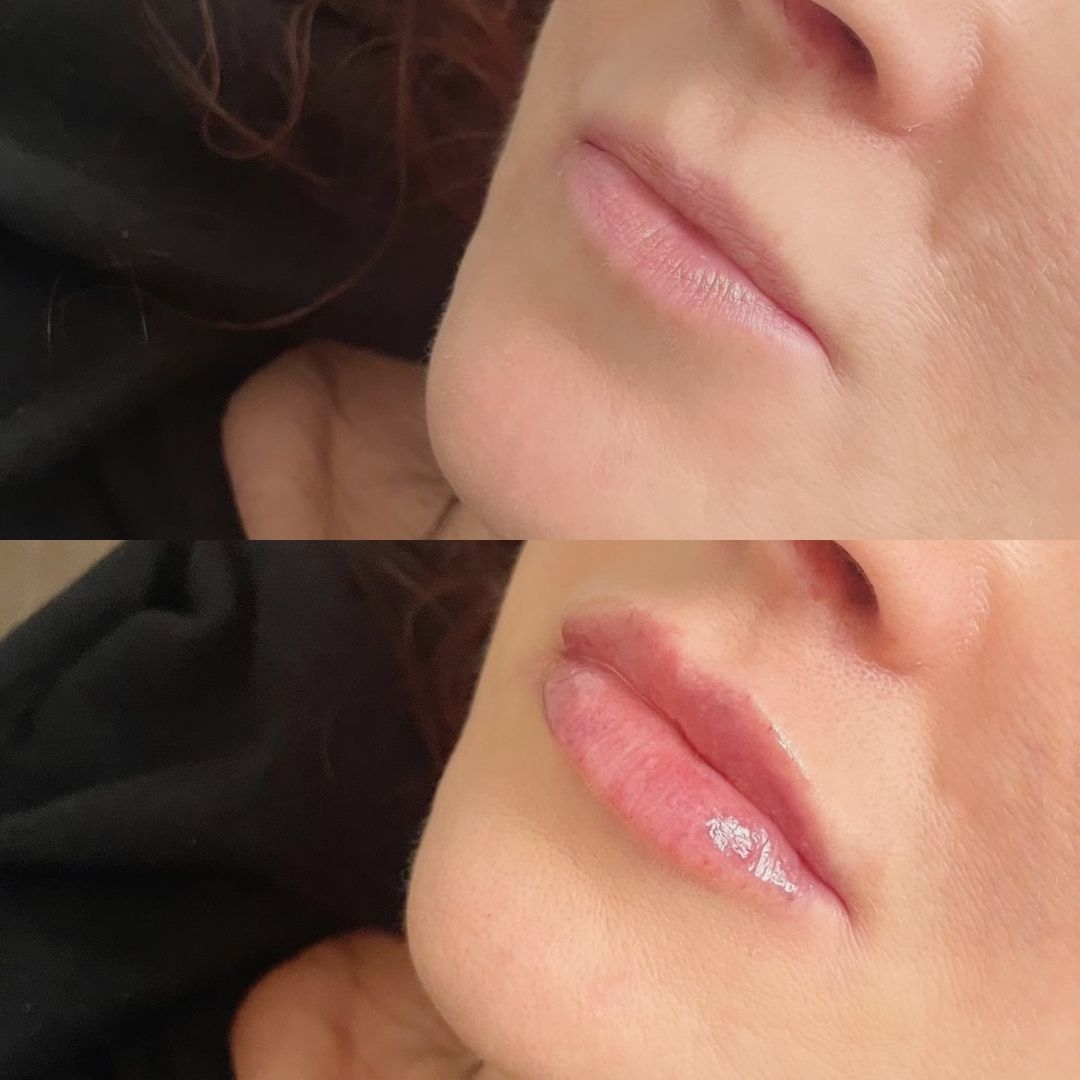
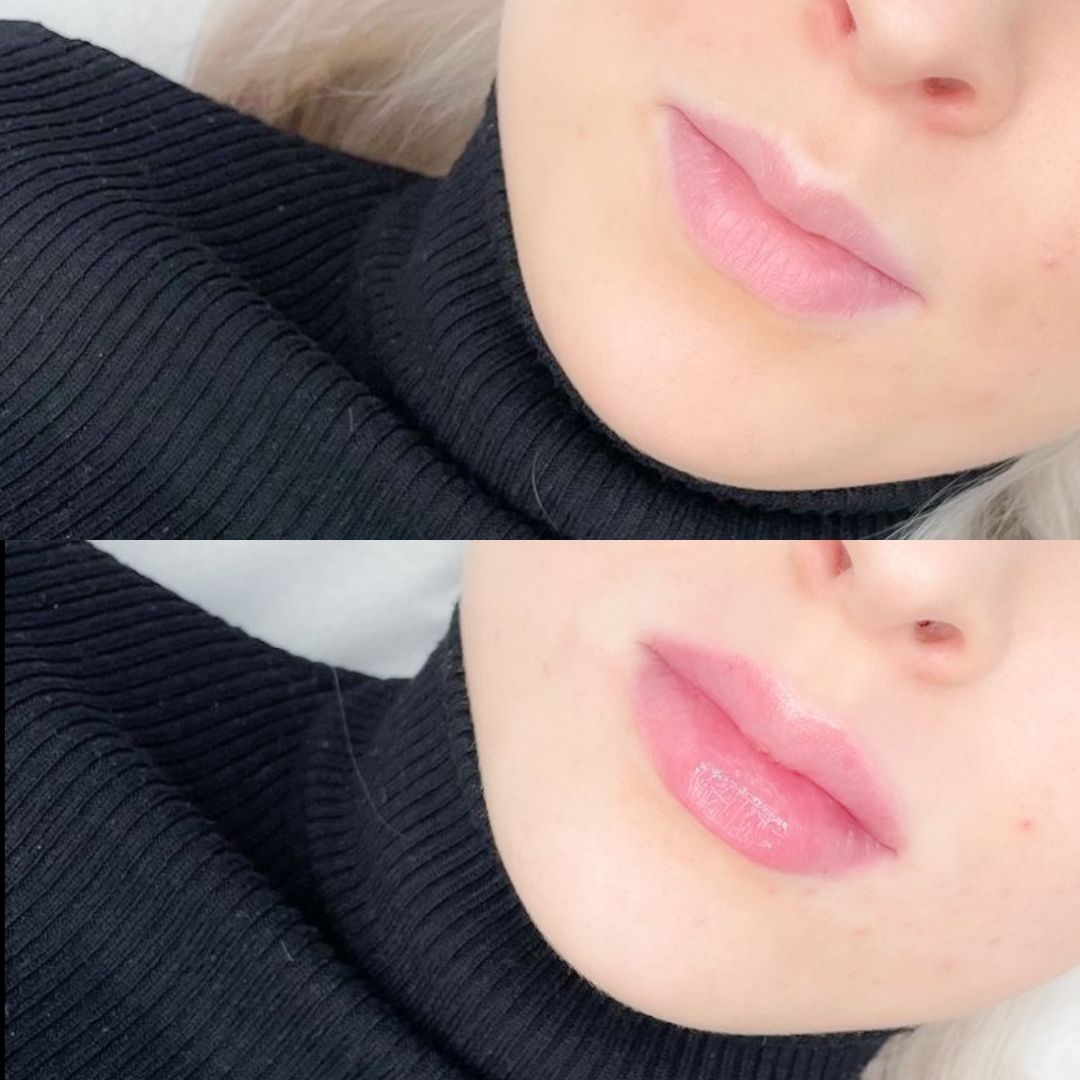
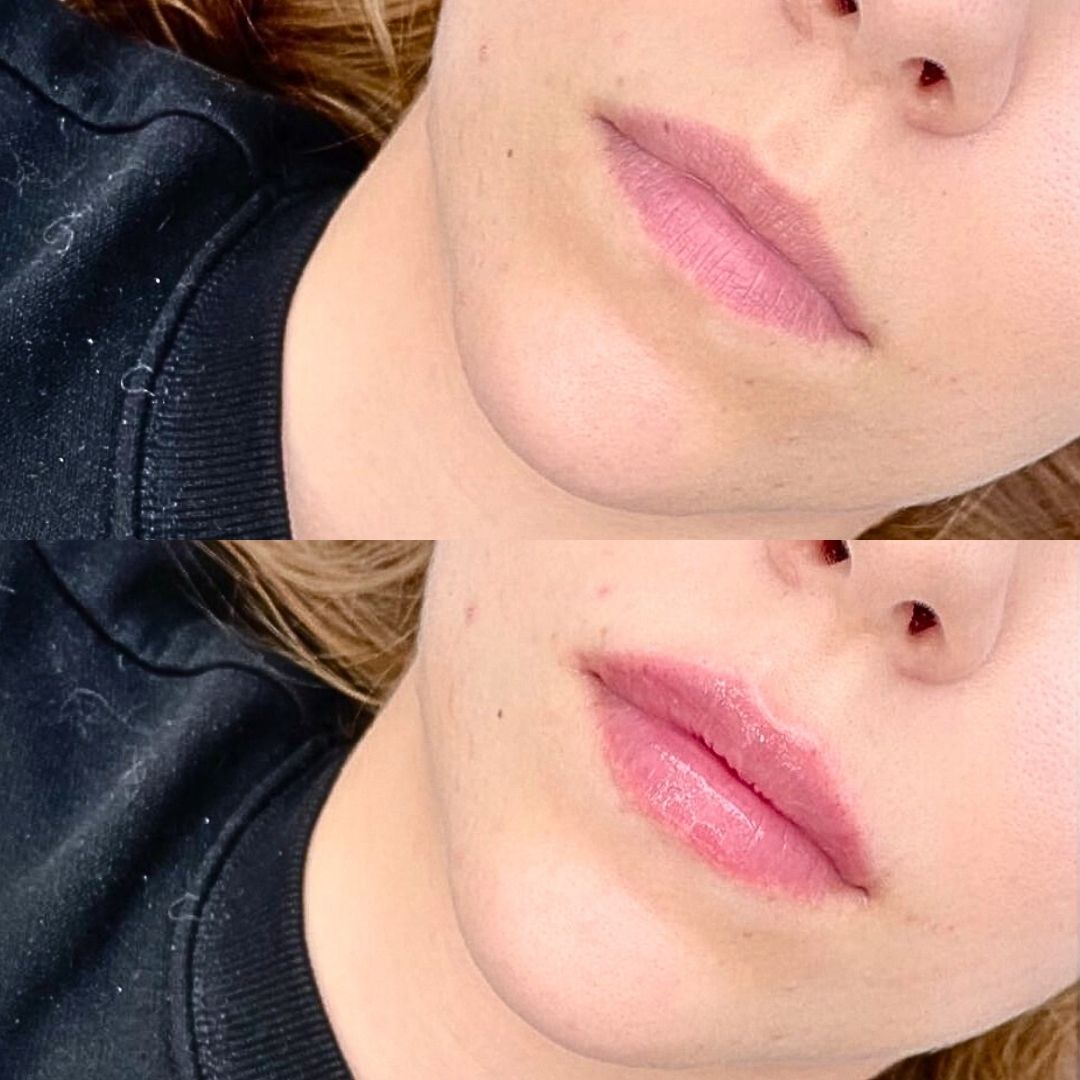
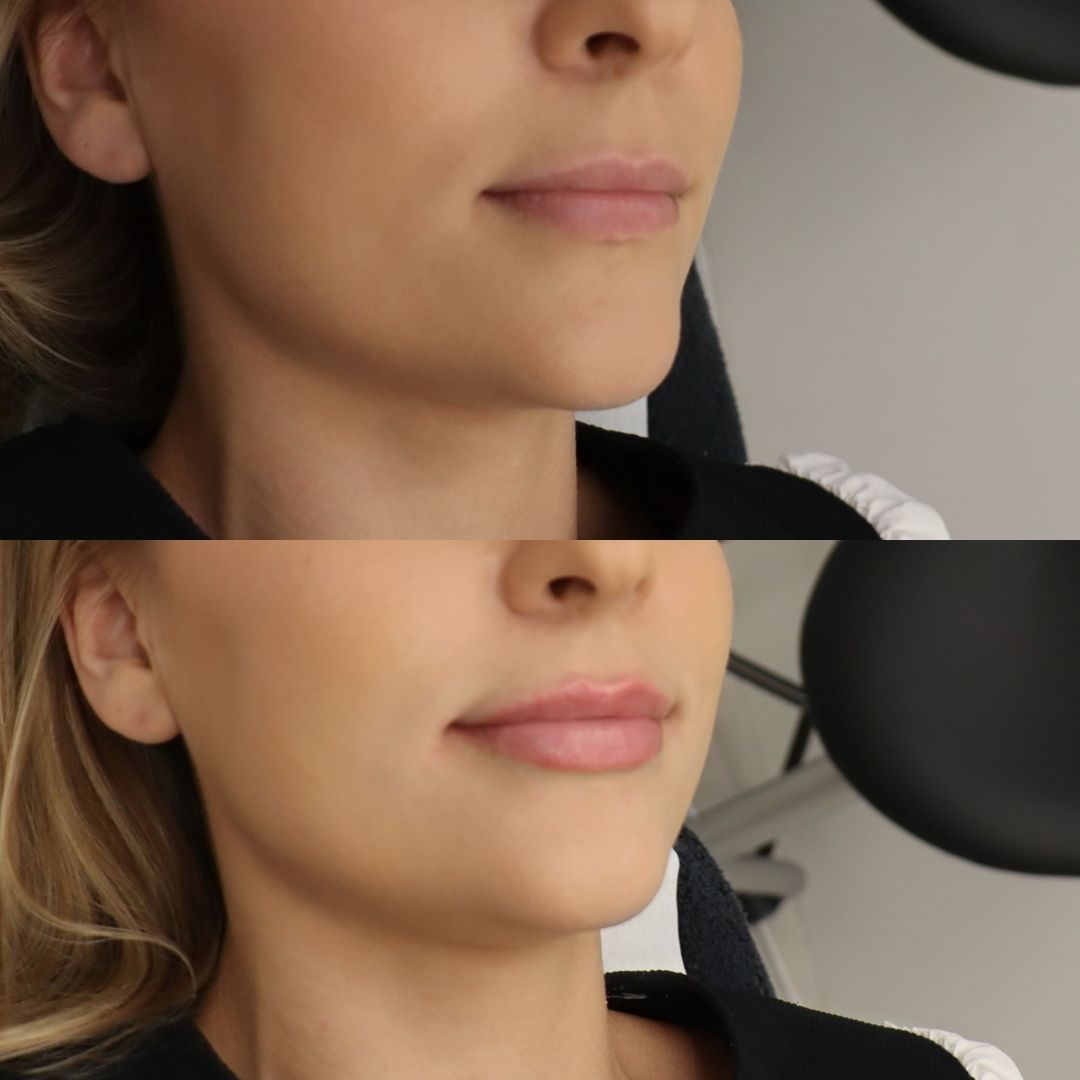
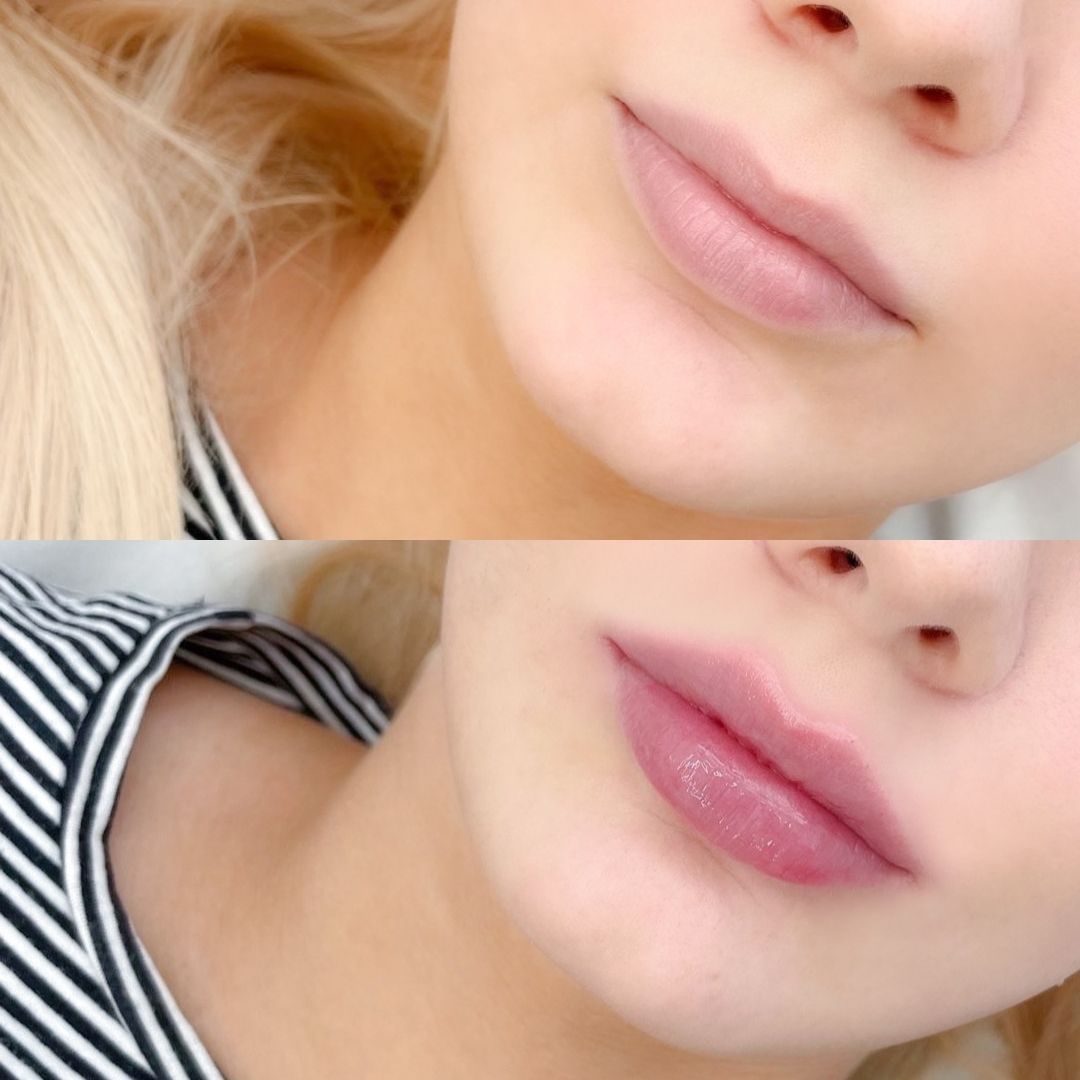
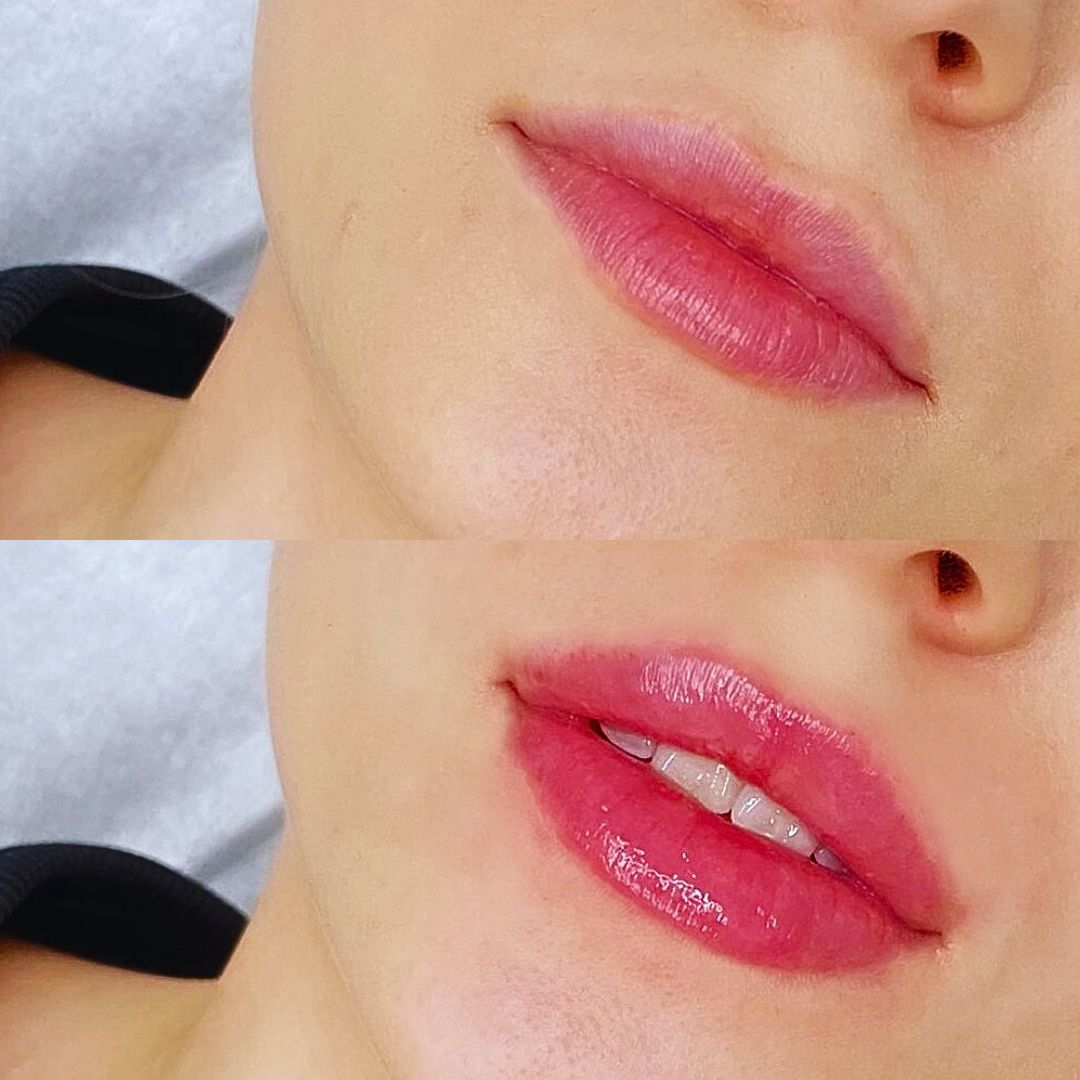
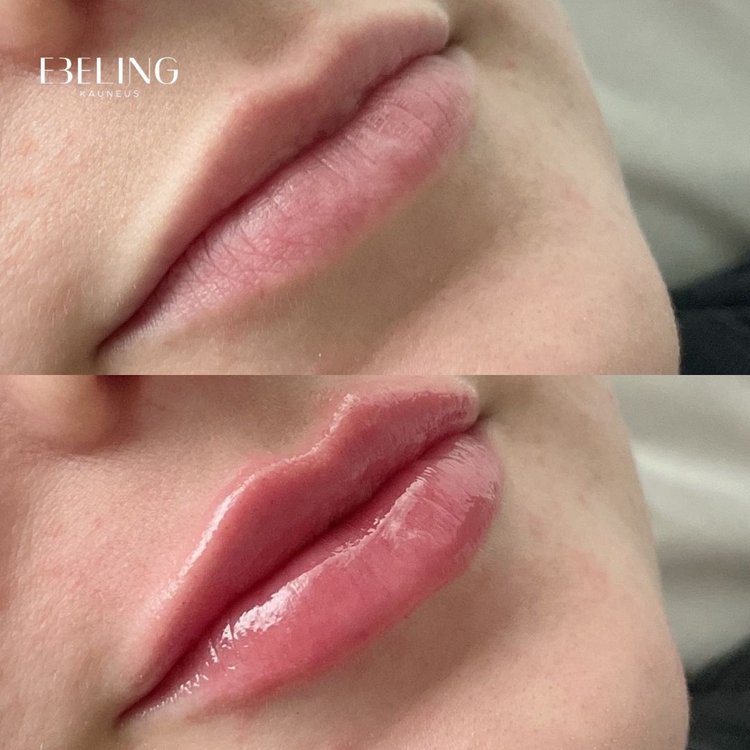
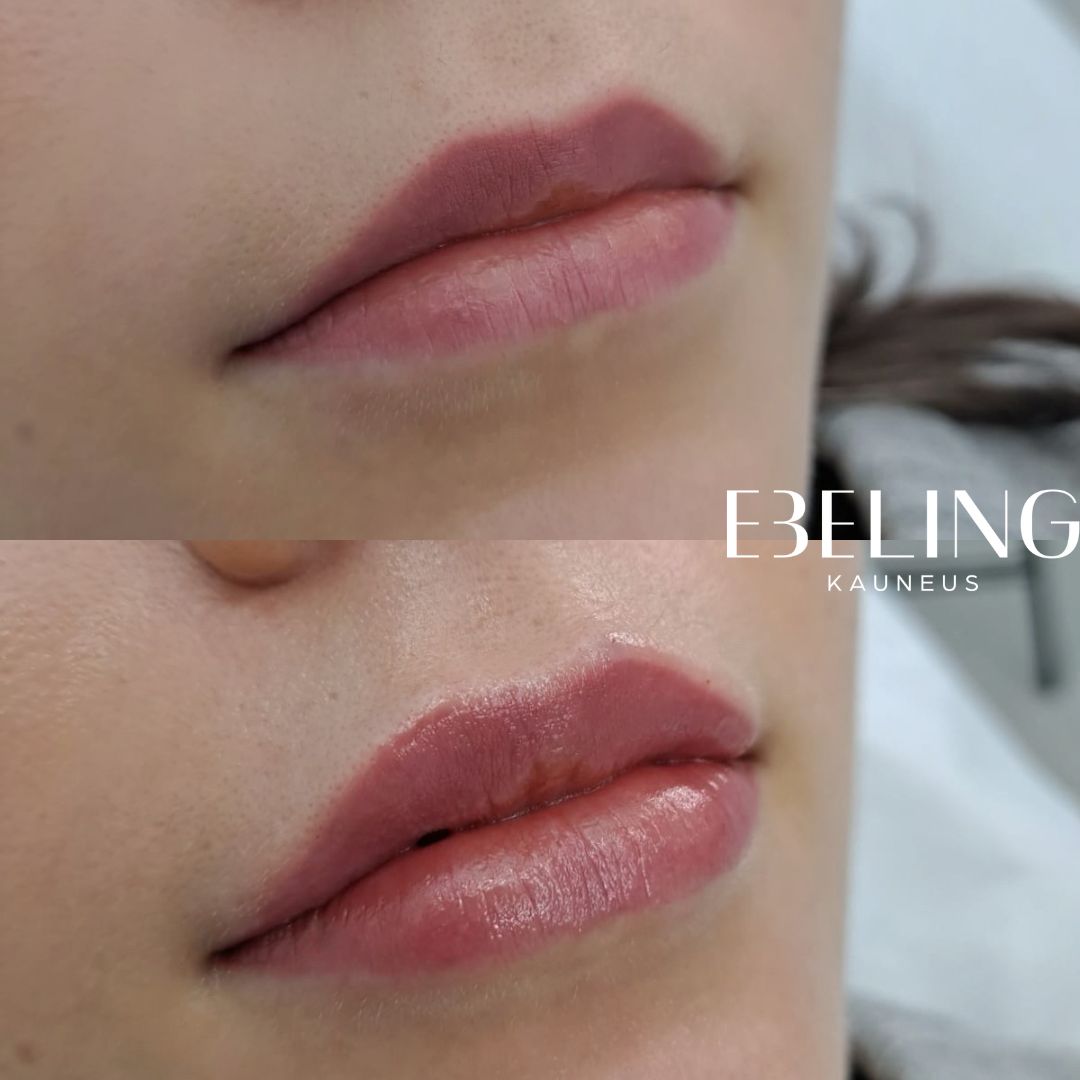
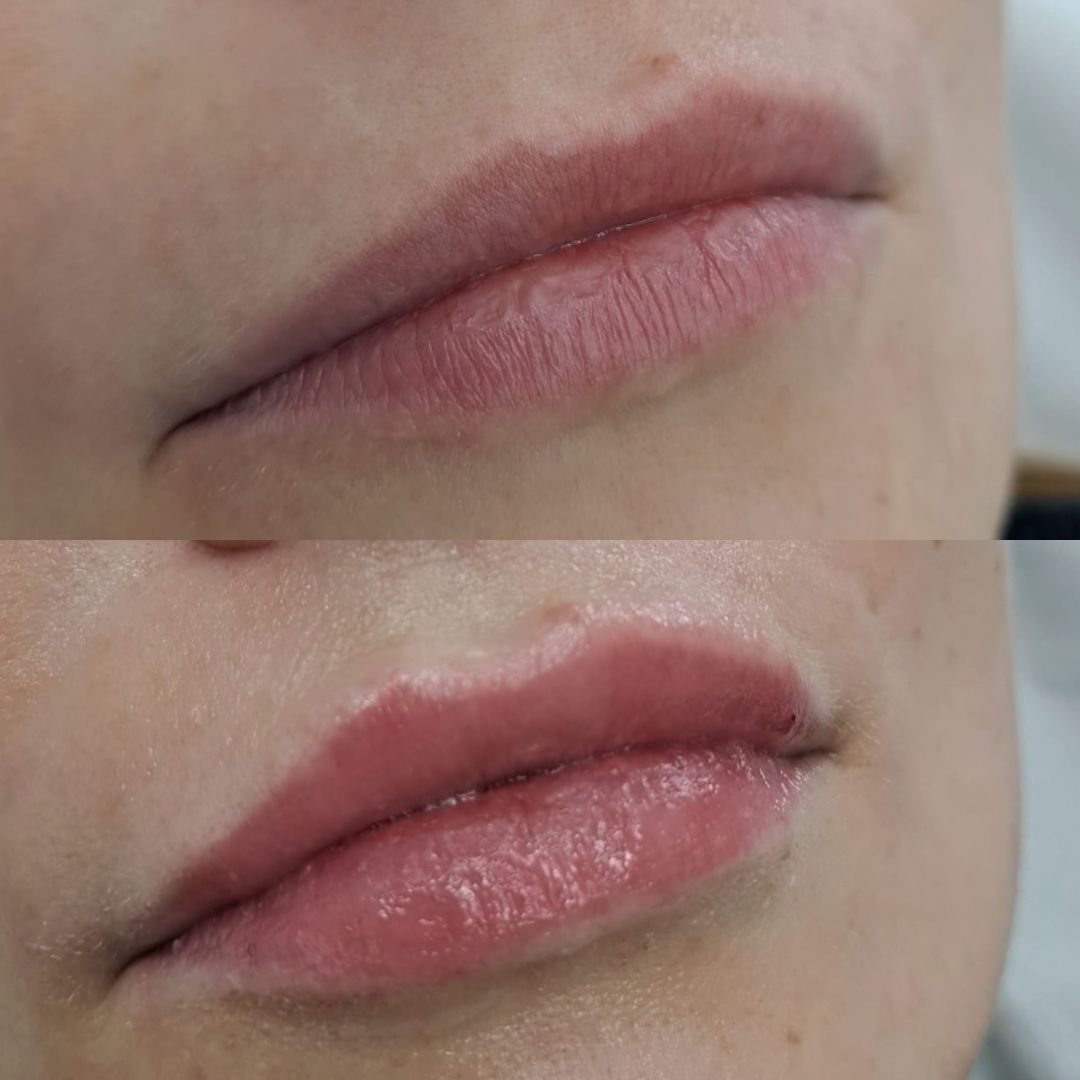
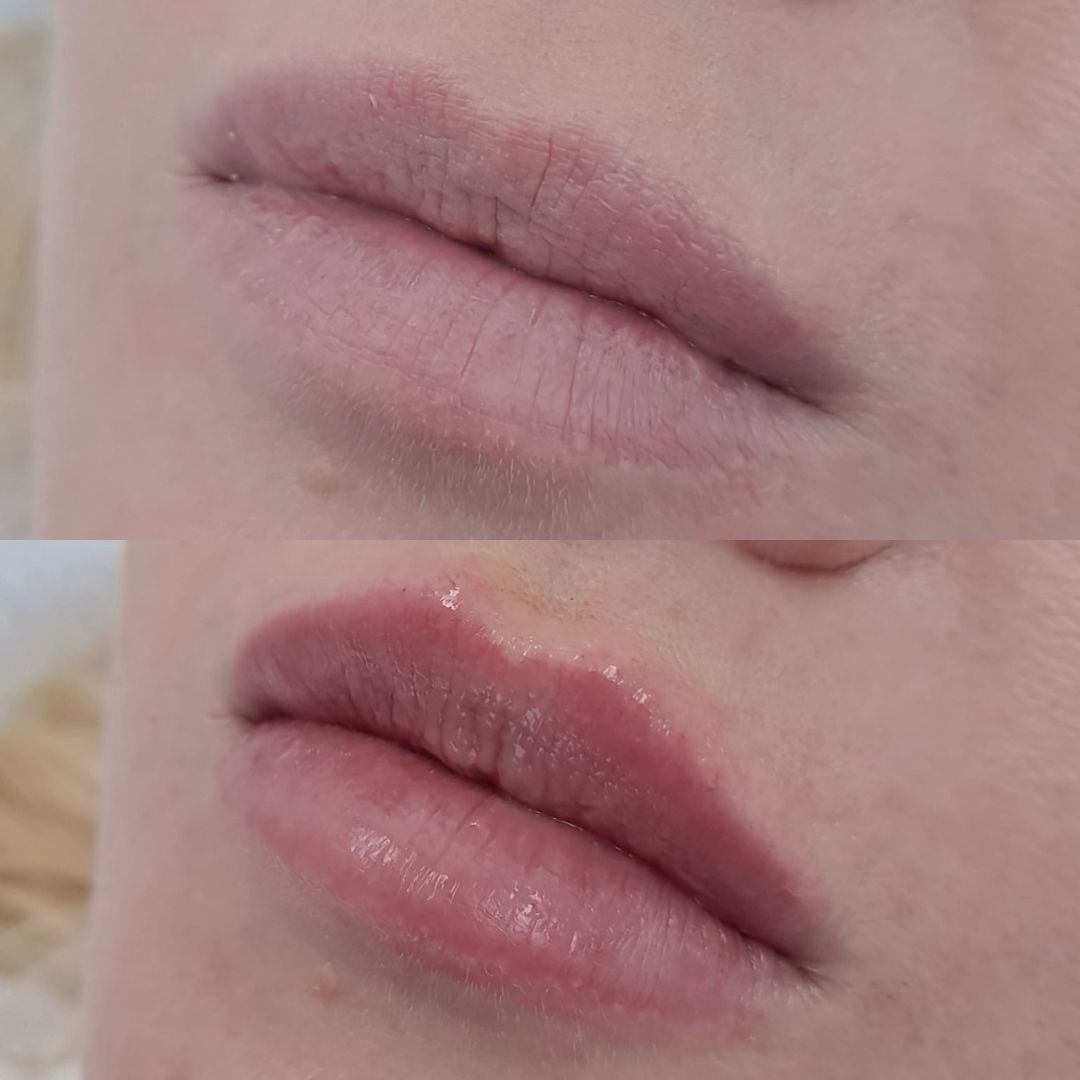
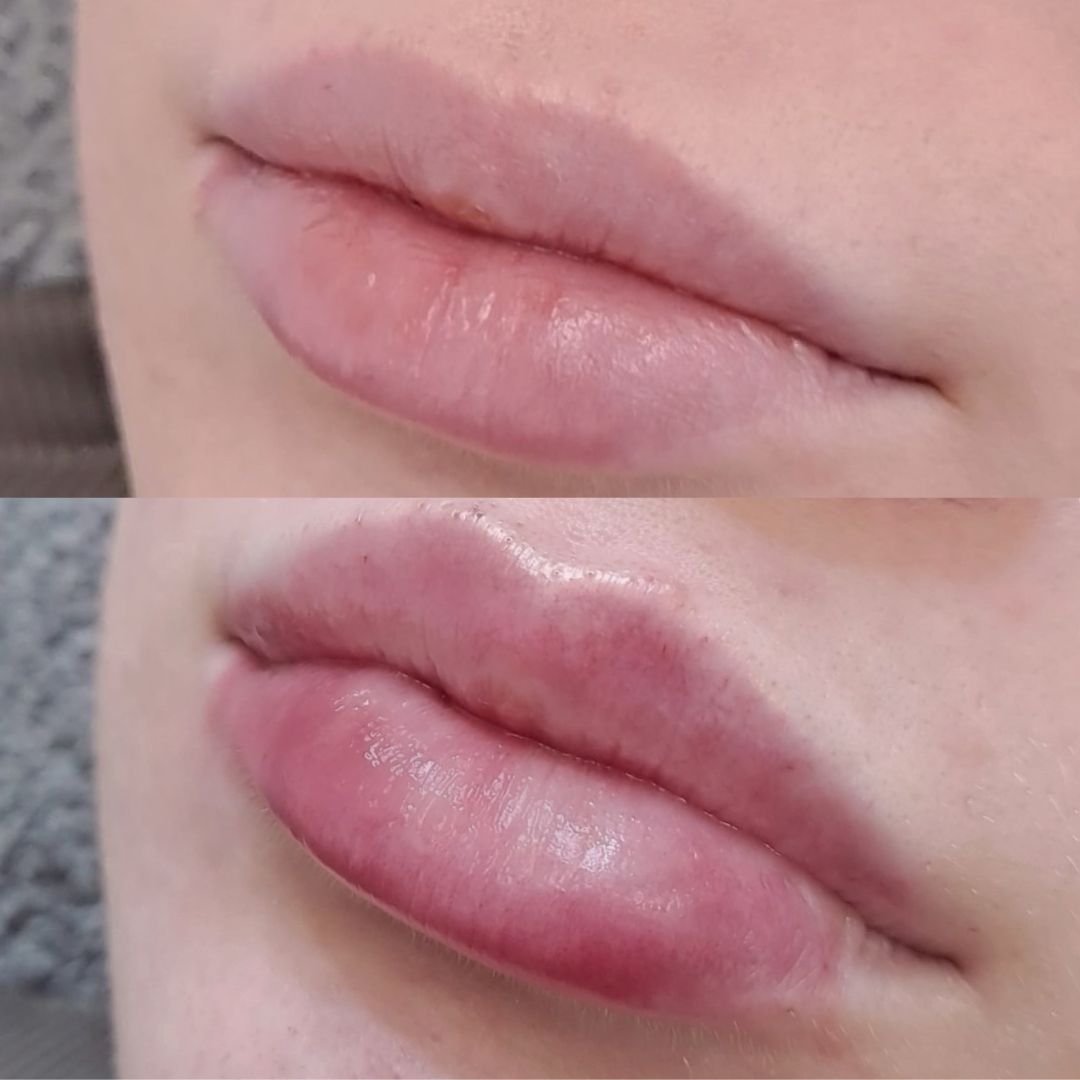
How much does it cost?
Lip fillers cost between €333 and €482, depending on the product and the quantity.
The consultation with a surgeon, nurse or dentist is free of charge and does not commit the client to anything. A consultation with Emilia Sundqvist, MD, costs €49.
The best filler and amount of substance will be found when planning the treatment. The client does not have to make the choice themselves.
Book online Book by phoneFree image consultation
Does it hurt?
The lips are a highly sensitive area, and reshaping them without pain relief can cause discomfort, ranging from mild to intense, depending on an individual’s pain tolerance.
Anesthesia is possible and advisable, and we have several effective ways to do it:
- Choice of filler. Restylane and Juvéderm fillers contain a lidocaine additive. Lidocaine is an anaesthetic. When the filler contains a small amount of anaesthetic, only the first injection hurts. After the first injection, the zone goes numb and therefore subsequent injections no longer cause pain.
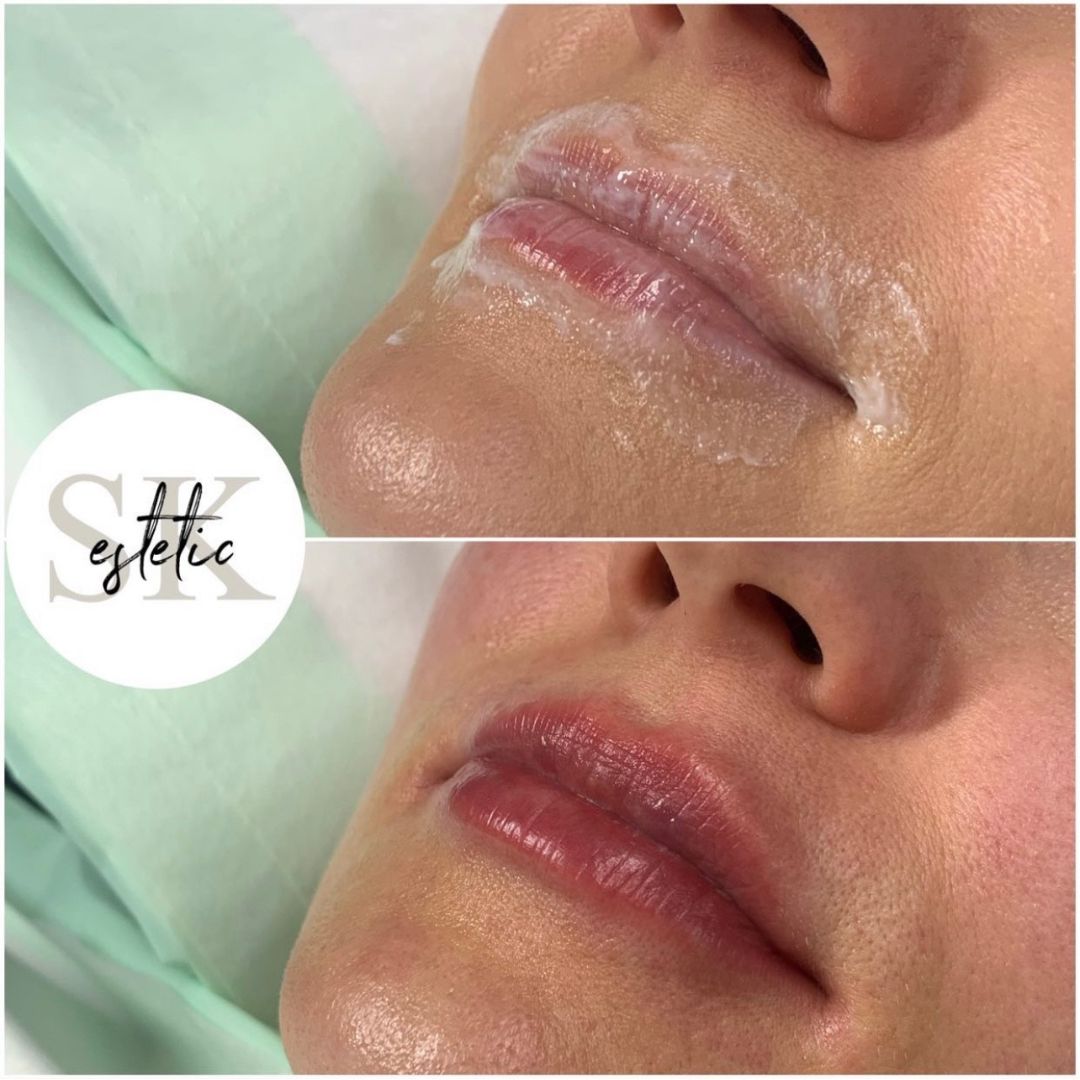
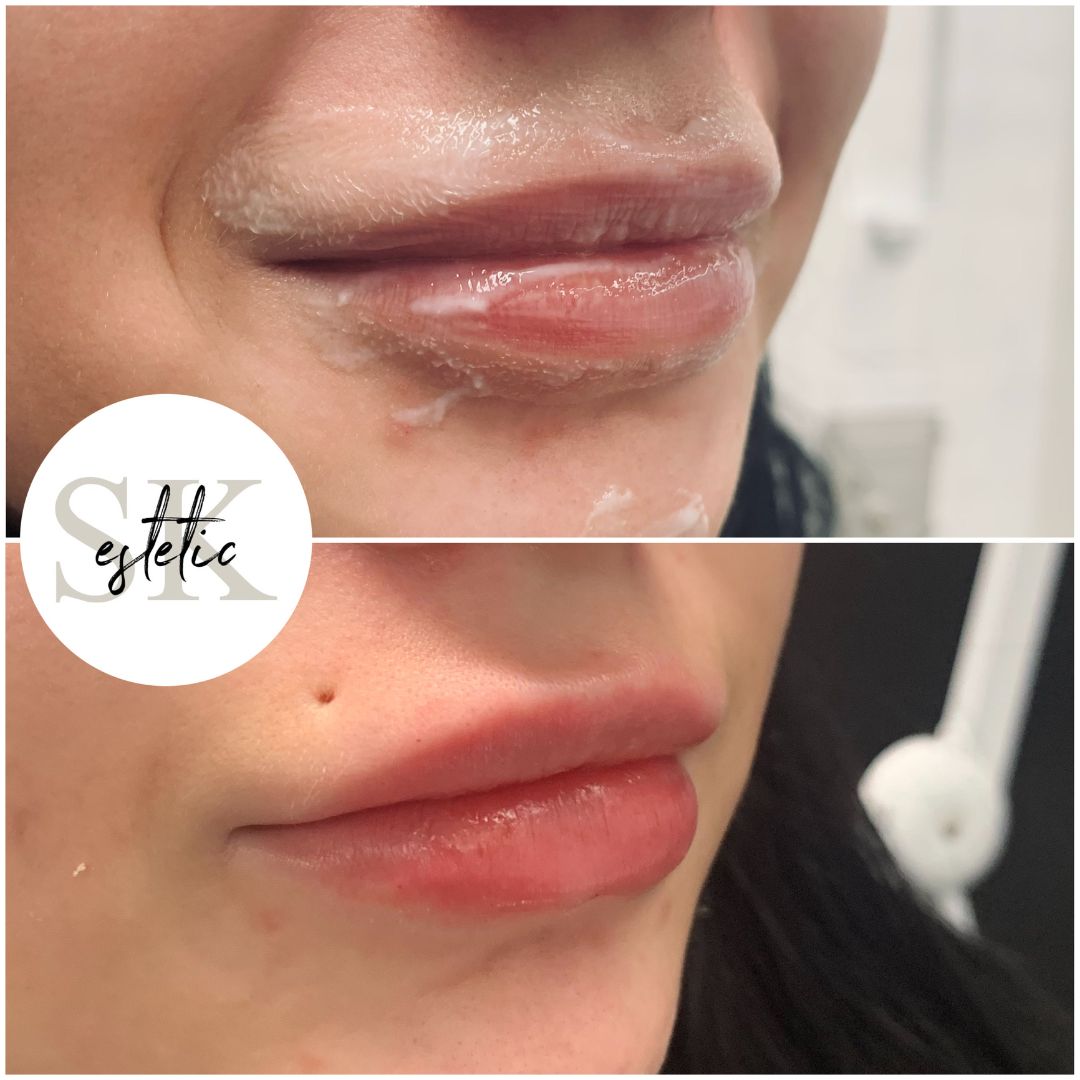
- A numbing cream further reduces discomfort during the treatment. If you’d like to use a cream anesthetic, please let us know when booking your appointment. The ointment takes 30–60 minutes to take effect, so it must be applied in advance—applying it right before the filler treatment won’t provide any benefit.
- Mucous membrane anesthesia eliminates pain by injecting a numbing agent into the mouth’s mucous membranes just before the treatment. This ensures a more comfortable and pain-free experience.
- Dental anesthesia makes filler treatment completely pain-free, ensuring maximum comfort throughout the procedure.
Anesthetics will cause some swelling of the lips during the first few days.
And the price?
At Ebeling Beauty, lips are done using Restylane, Juvéderm, or Aliaxin fillers.
At the time of writing this blog article, the price of a lip filler is €333-482. For up-to-date prices, please visit our price list page.
The best lip filler?
The brand and amount of filler most suitable for you can be found by talking to a professional. If you are not familiar with the brands and don't know the appropriate amounts, don't worry! Our professionals are here for you. Your job is to come to the office - we'll do the rest!
What about Russian Lips?
Russian lips lip fillers cause irreversible tissue damage to the lips. Therefore, we do not perform lip filler treatments using the classic Russian lips techniques or any other techniques with obvious risks.
What are the contraindications to lip fillers?
- pregnancy, breastfeeding
- under 18 years of age
- systemic acne medication (isotretinoin) or less than six months after stopping it
- some autoimmune diseases
- serious underlying diseases, no balance of care
- skin disease or inflammation on or around the lips
- less than six months of previous lip filler treatment with anything other than Restylane or Juvéderm hyaluronic acid products
- filler that has spread outside the lip line or onto the lip lining (we recommend removing the filler in this situation before applying a new filler treatment)
Before lip fillers?
Before a lip filler treatment, it’s best to avoid blood-thinning substances. These include alcohol, acetylsalicylic acid (Aspirin), ibuprofen (Burana), and certain supplements like vitamin E, fish oil capsules, and omega formulas. This helps minimize the risk of bruising and swelling.
Prescription medications should never be paused without approval from your doctor.
Do not drink alcohol the day before lip filler treatment.
Do not fast just before your filler treatment. Eat a light, healthy snack before the procedure.
What about alcohol?
Take a 24-hour break from alcoholic drinks. Alcohol thins the blood and therefore increases bruising.
And smoking?
You should avoid tobacco, electronic tobacco and other nicotine products for at least 2-3 days, preferably a whole week.
Smoking increases the risk of inflammation, dries out the lips and ages them prematurely.
When can you apply make-up after lip fillers?
Avoid applying lip make-up for the first 24 hours. Even after this period, it is particularly important to take care of the cleanliness of the cosmetic products applied to the lips.
Organic cosmetics lack preservatives, which can lead to a higher concentration of microbes compared to regular products. To reduce the risk of irritation or infection, it’s best to avoid organic cosmetics for a full week after lip filler treatment.
How long will the swelling last?
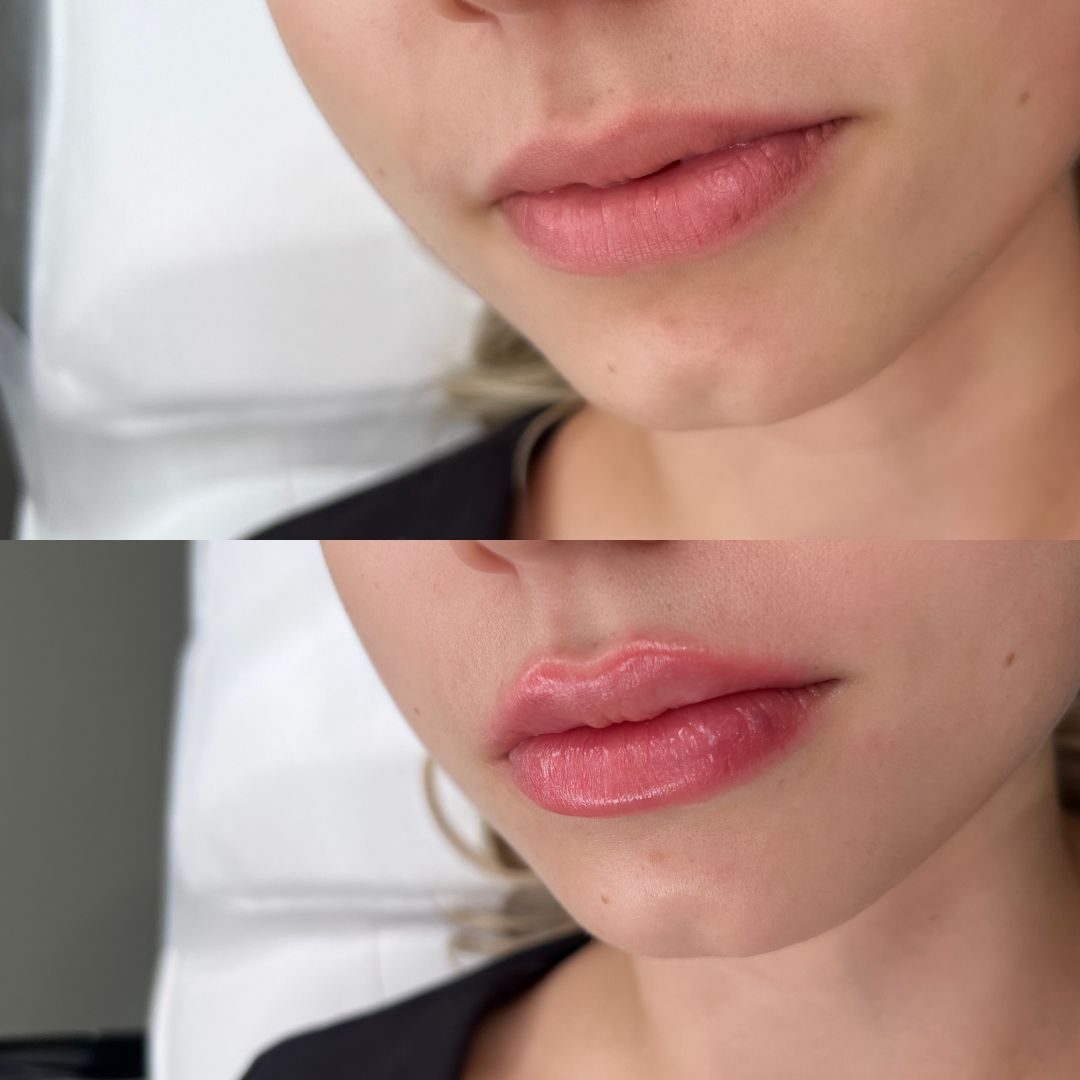
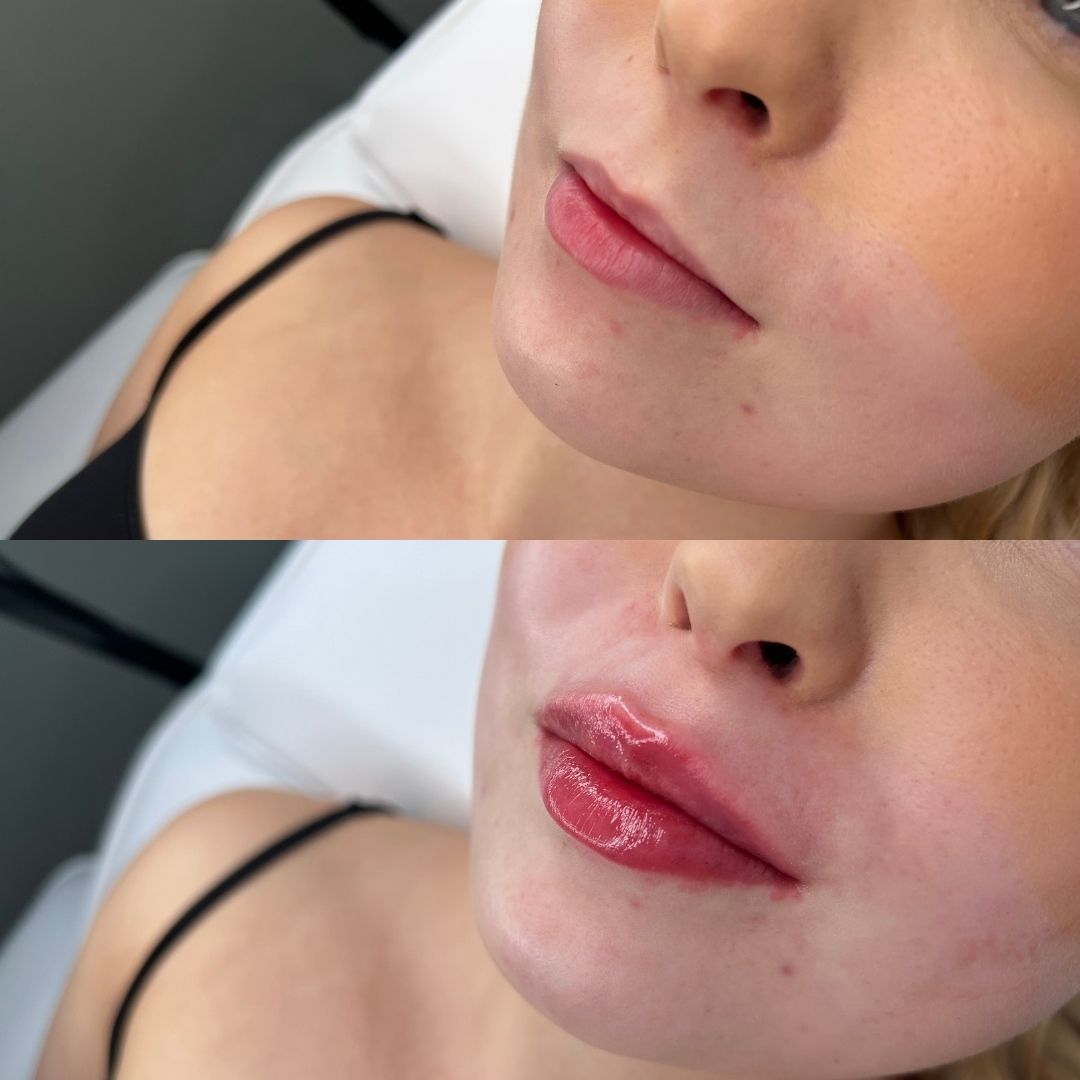
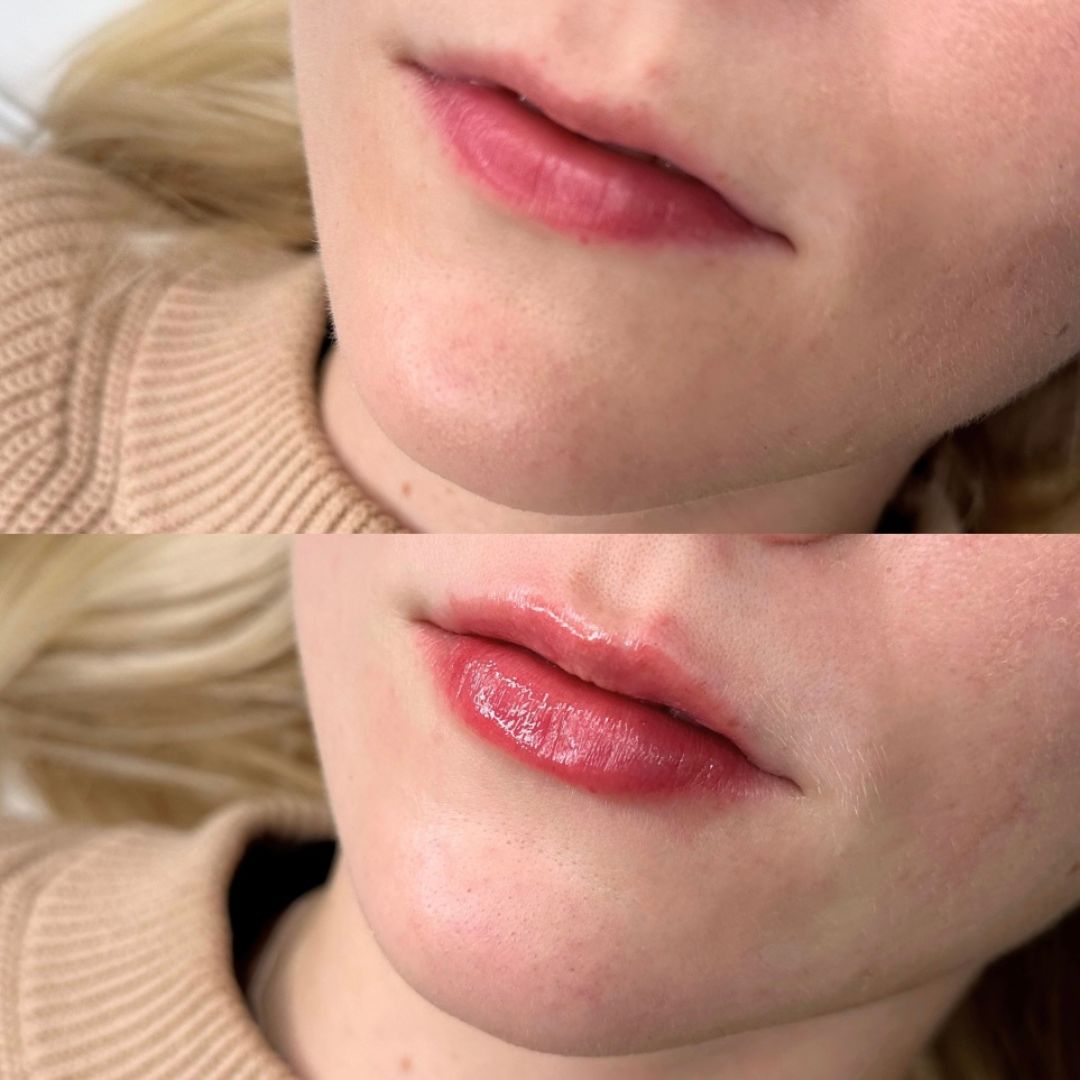
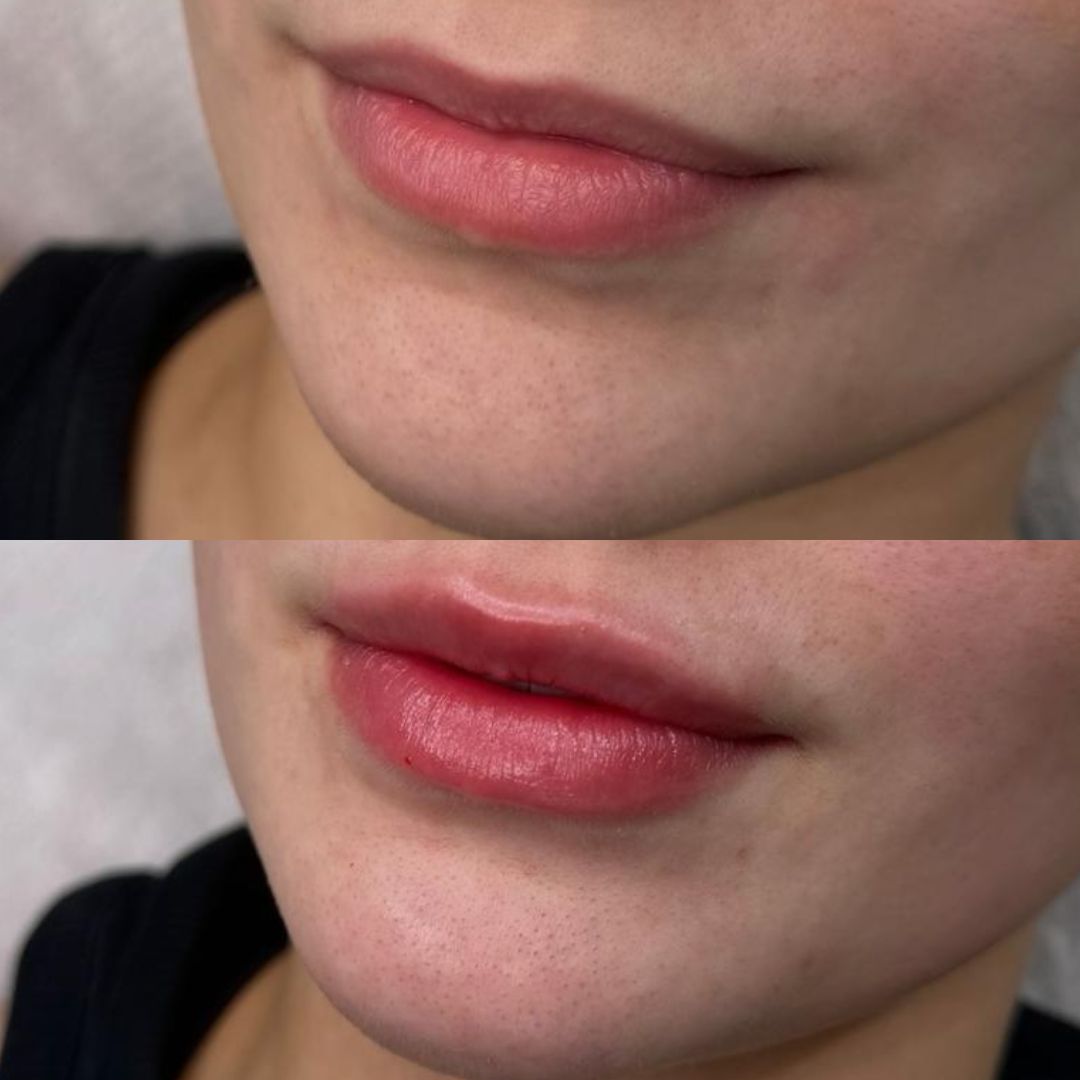
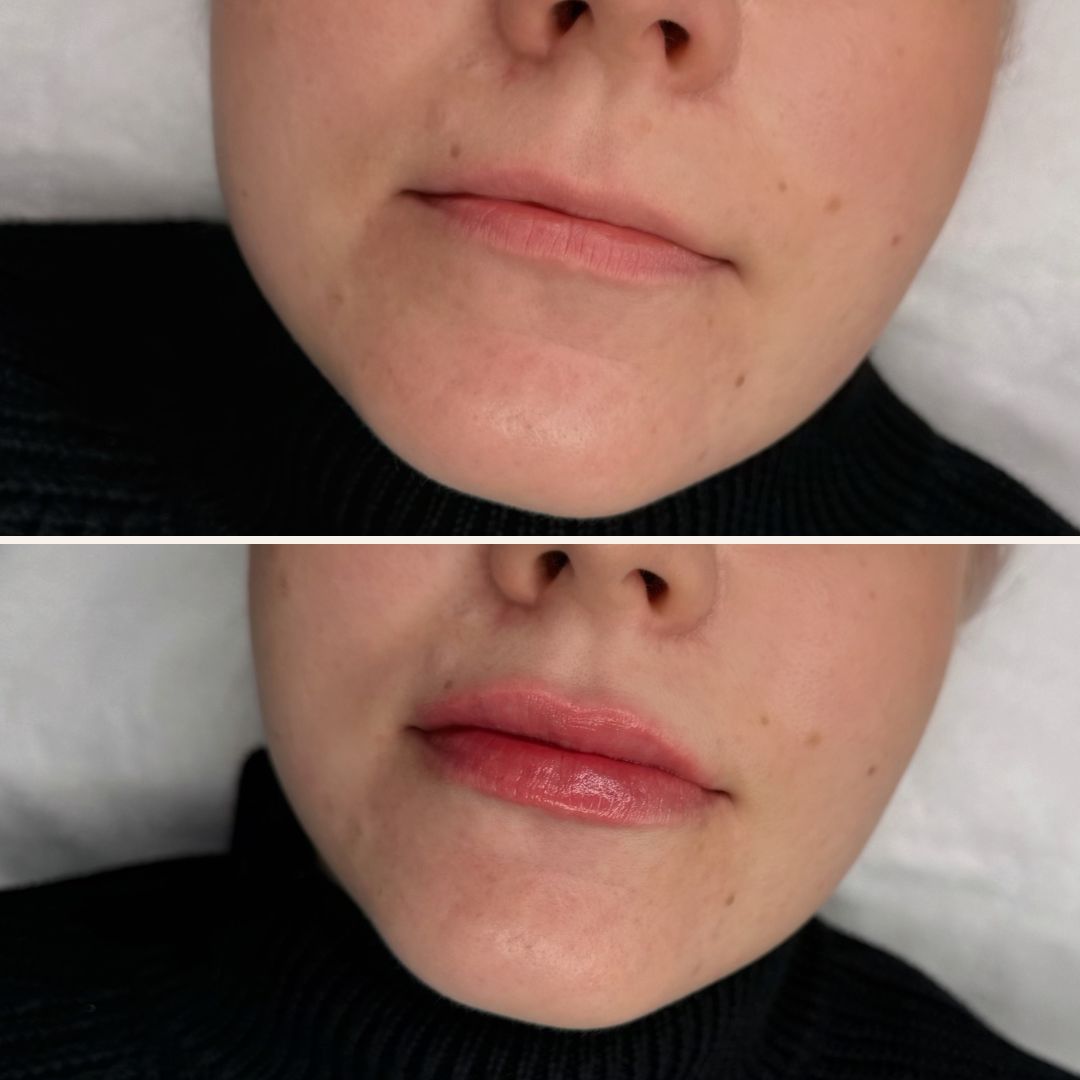
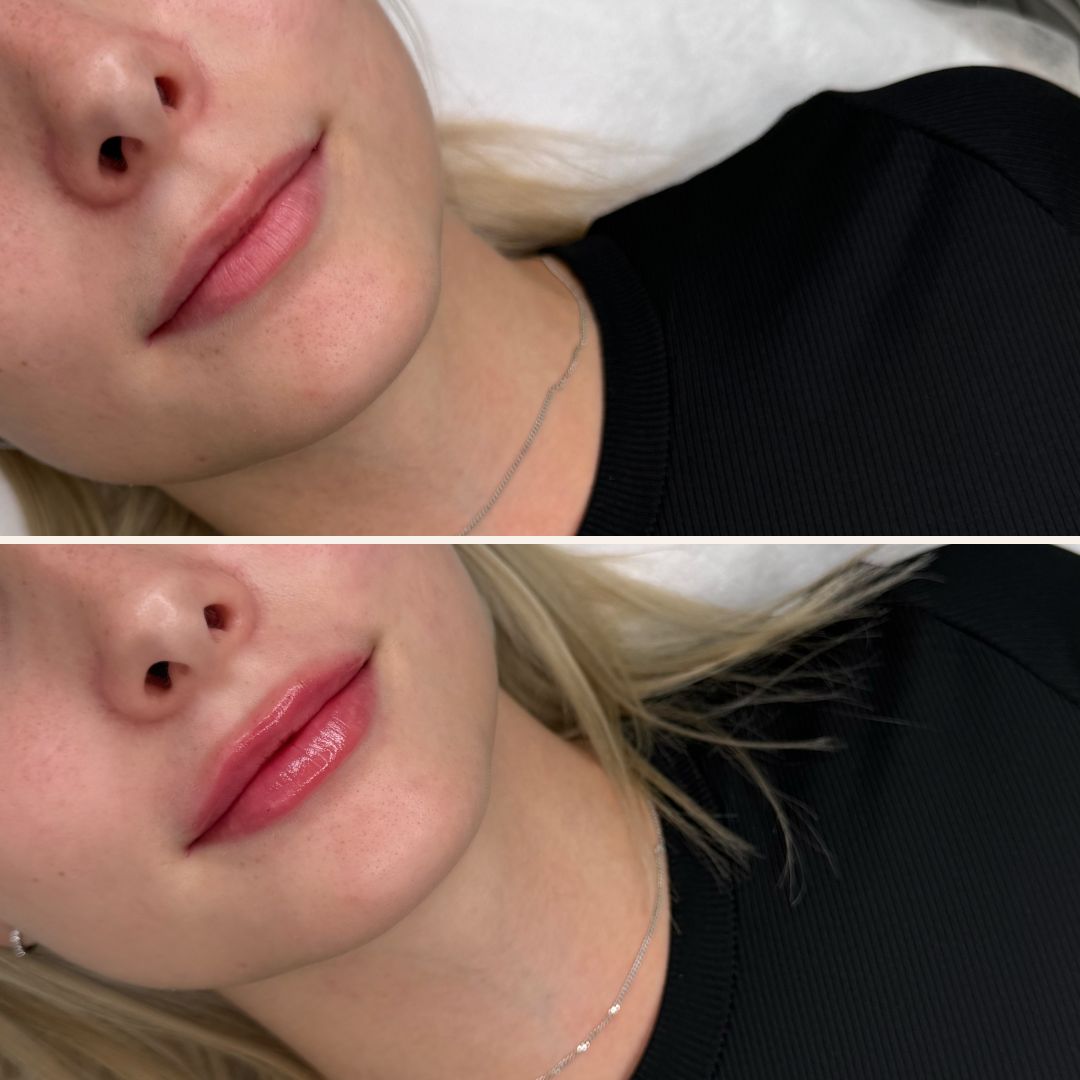
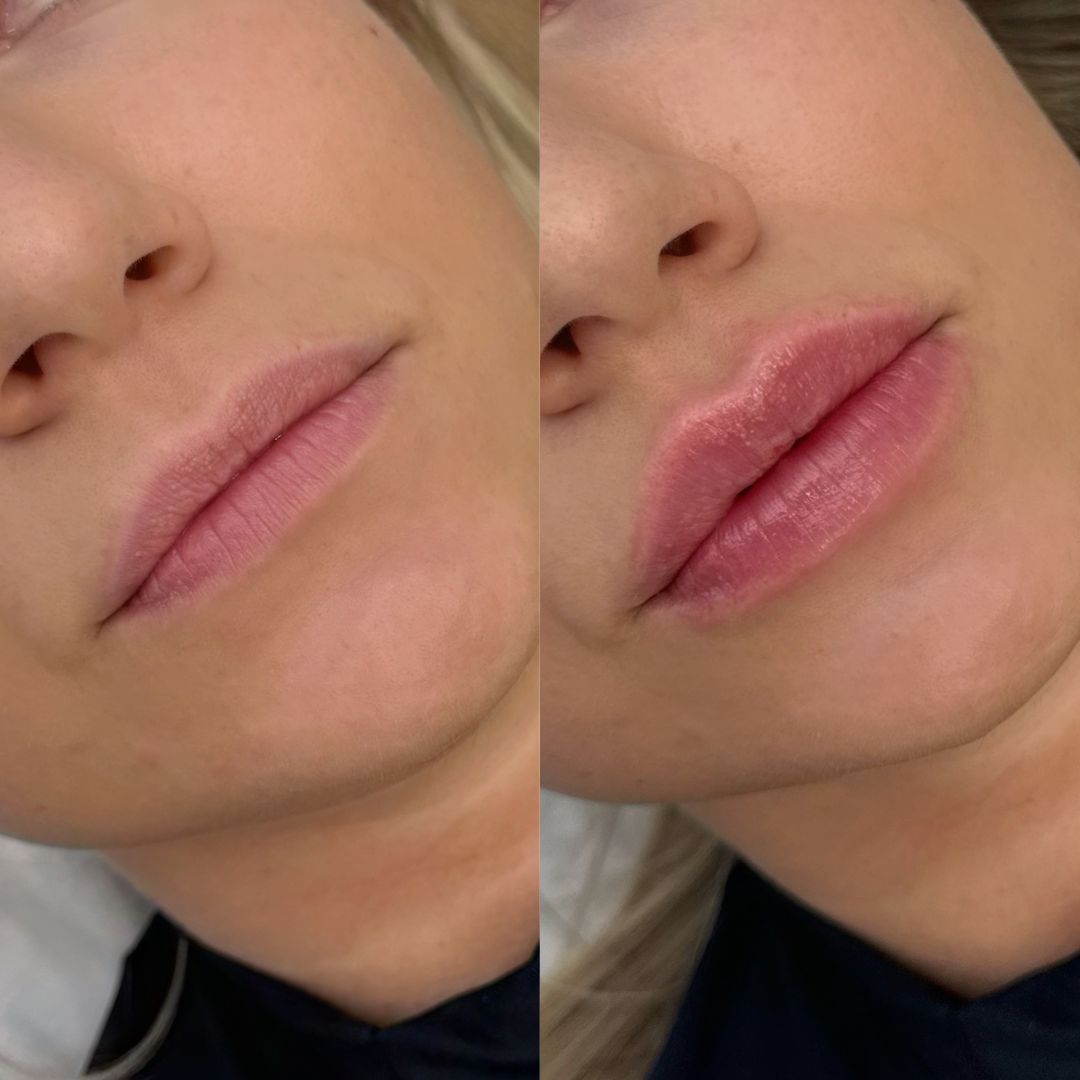
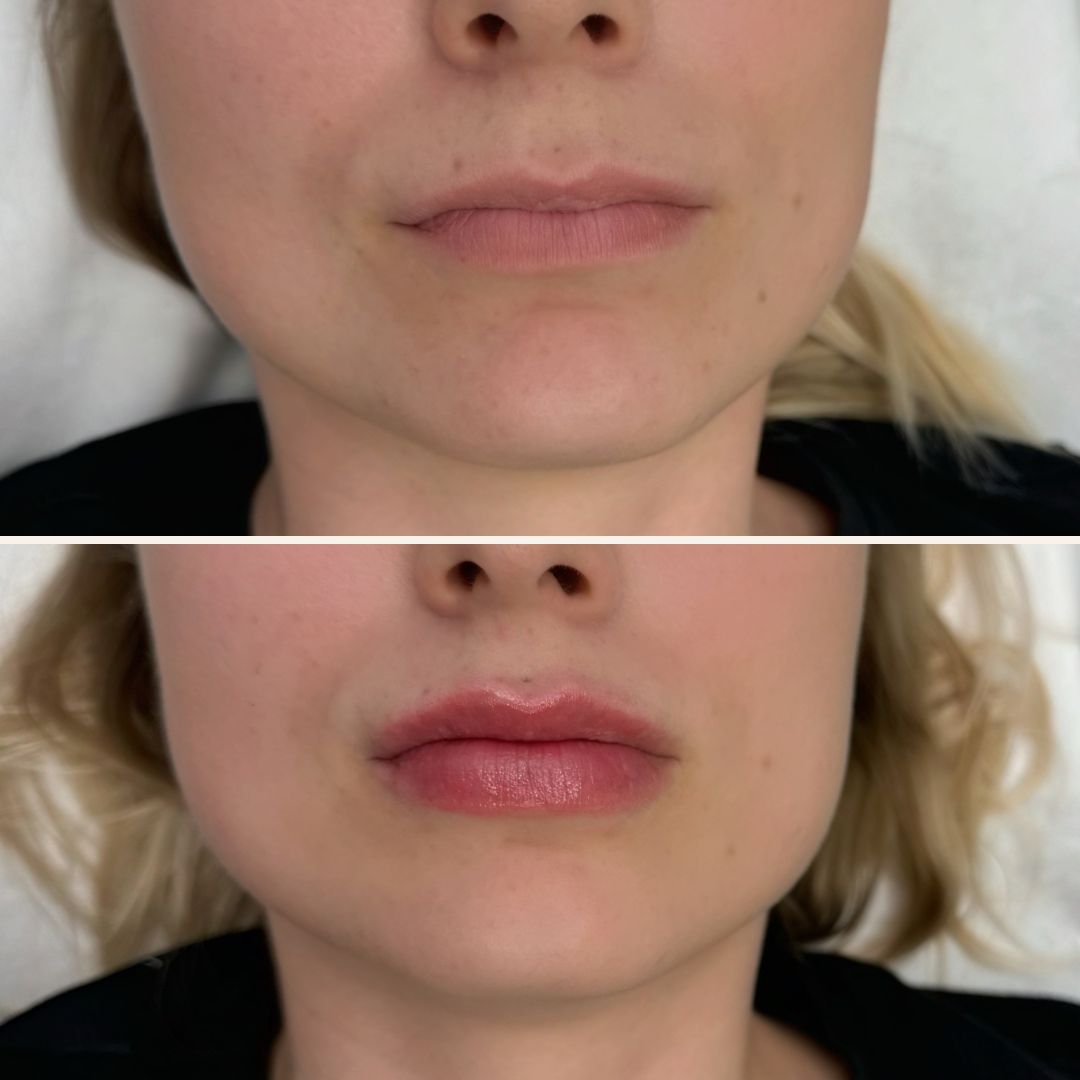
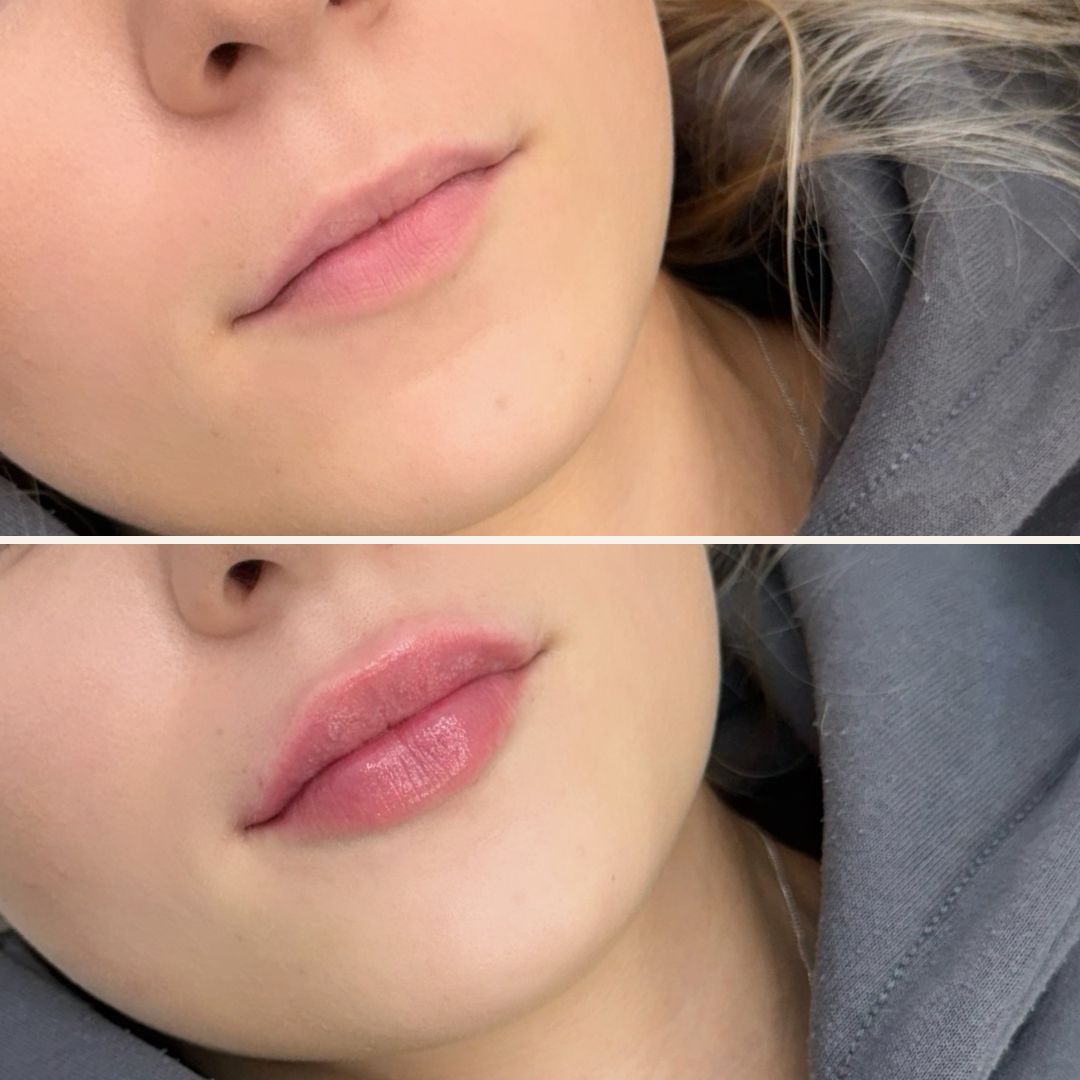
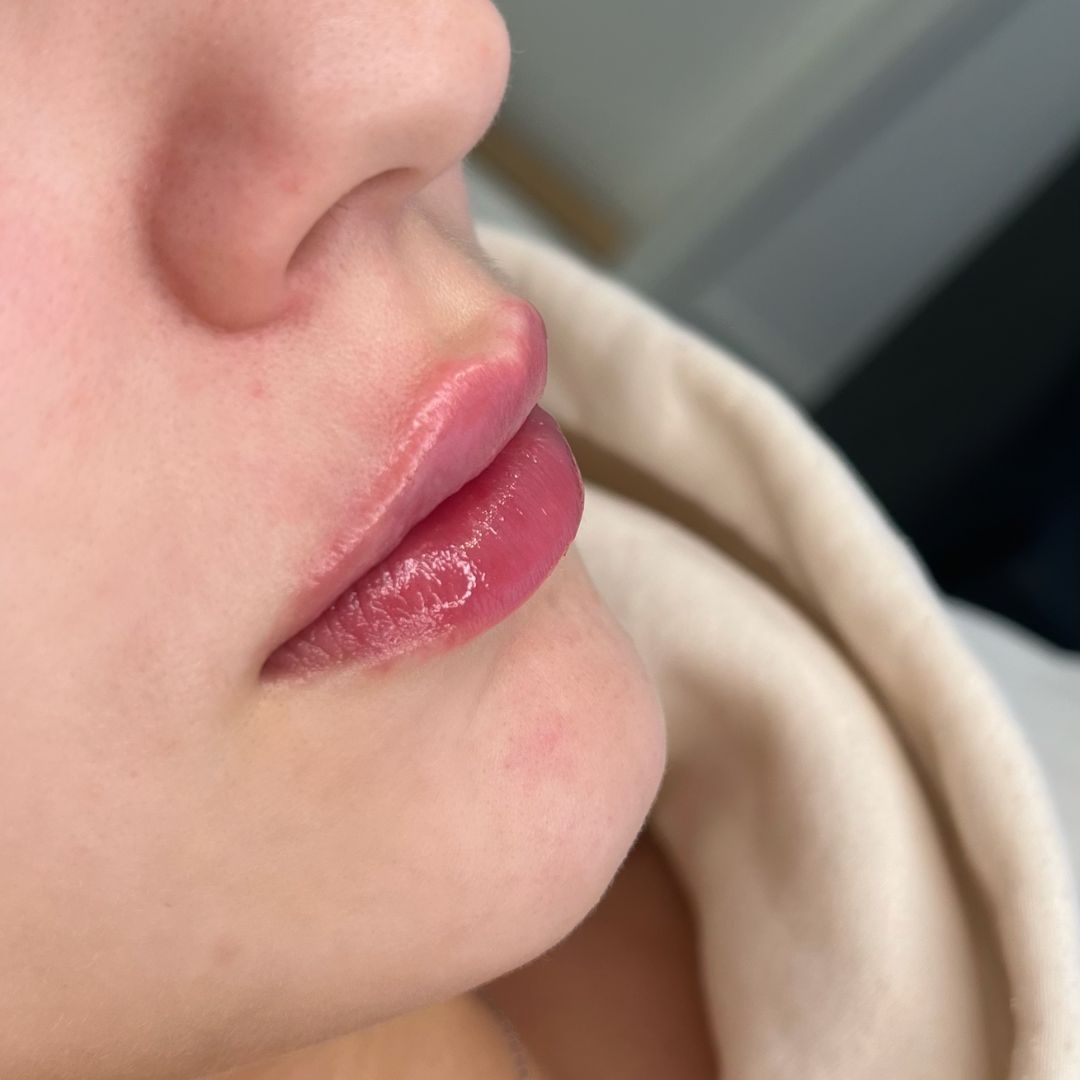
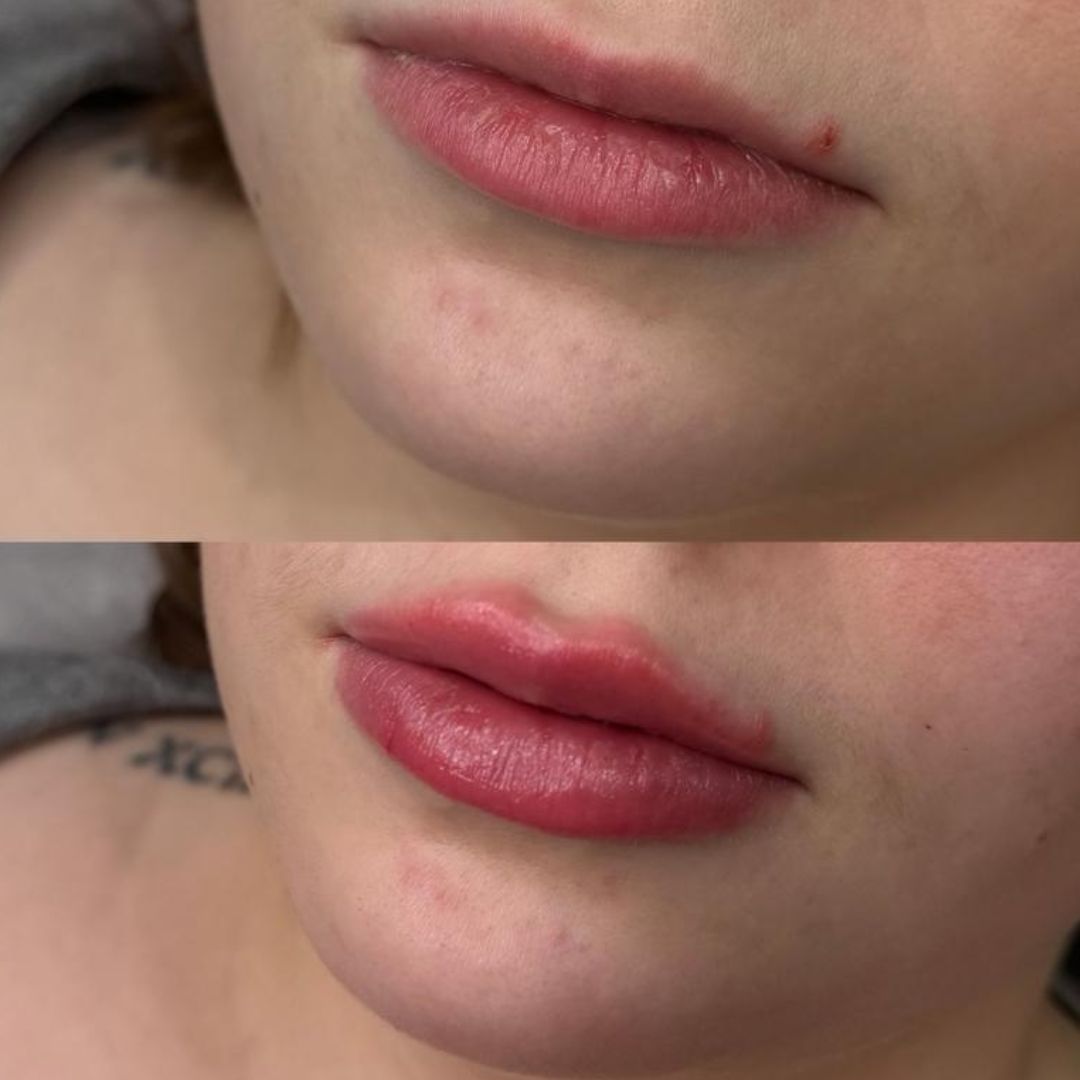
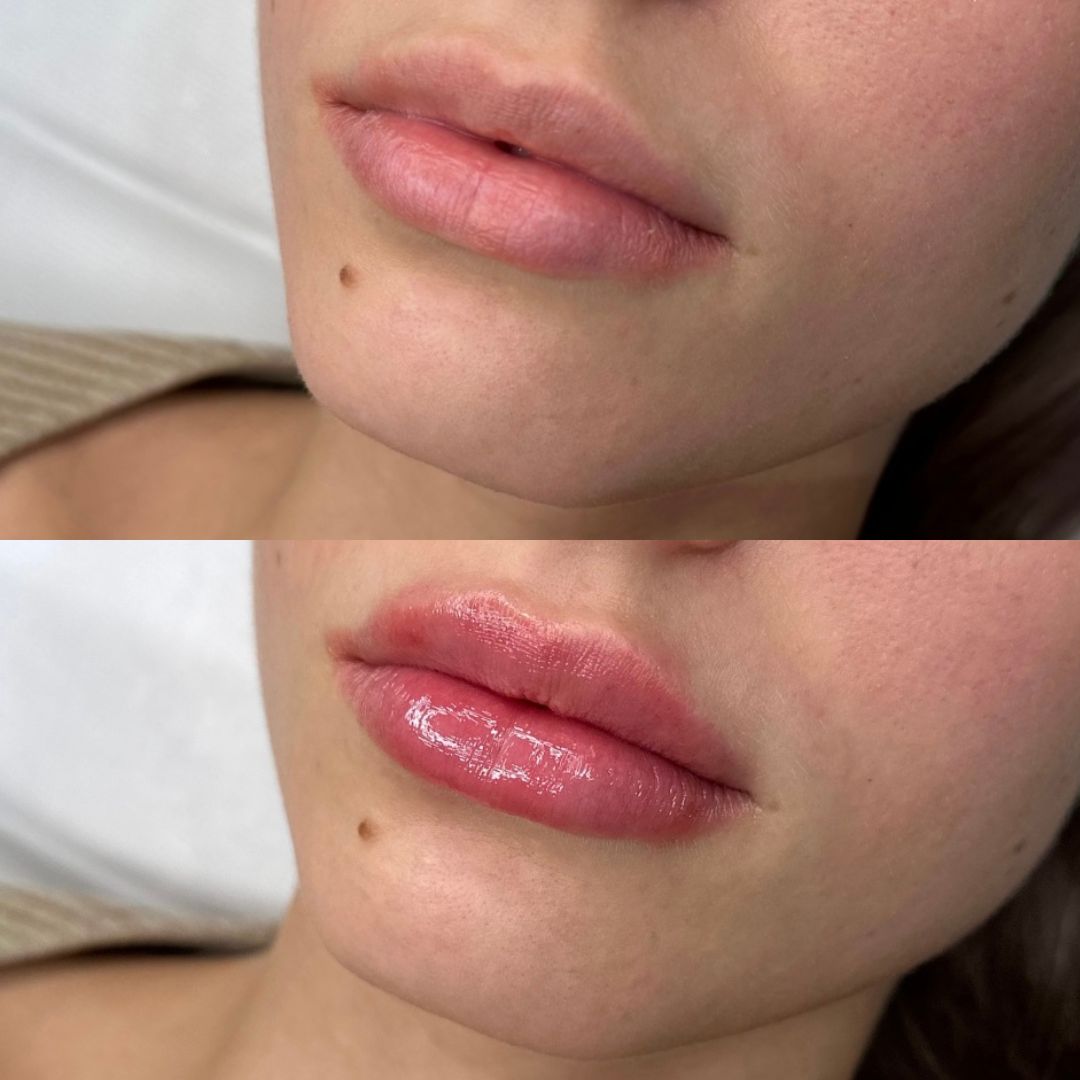
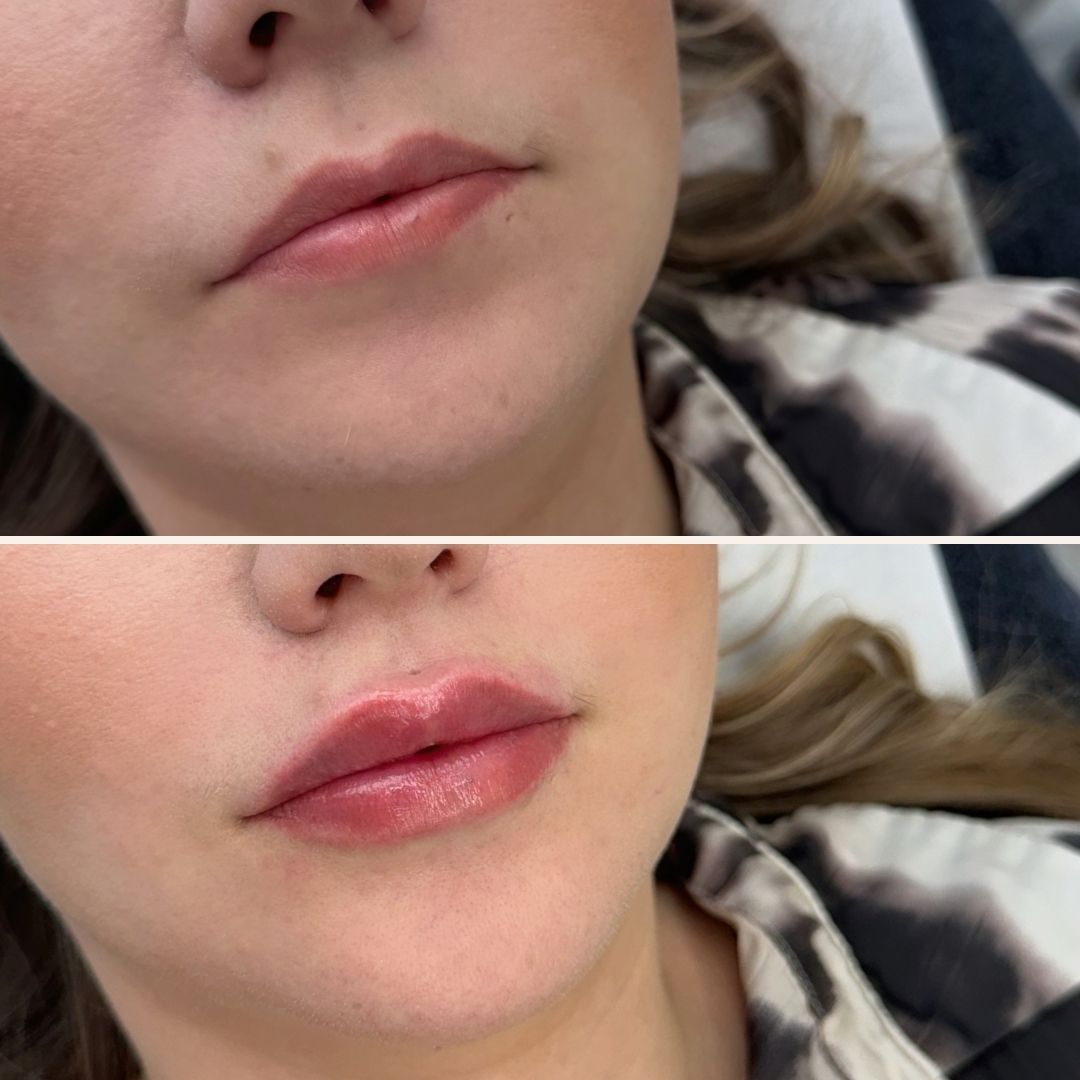
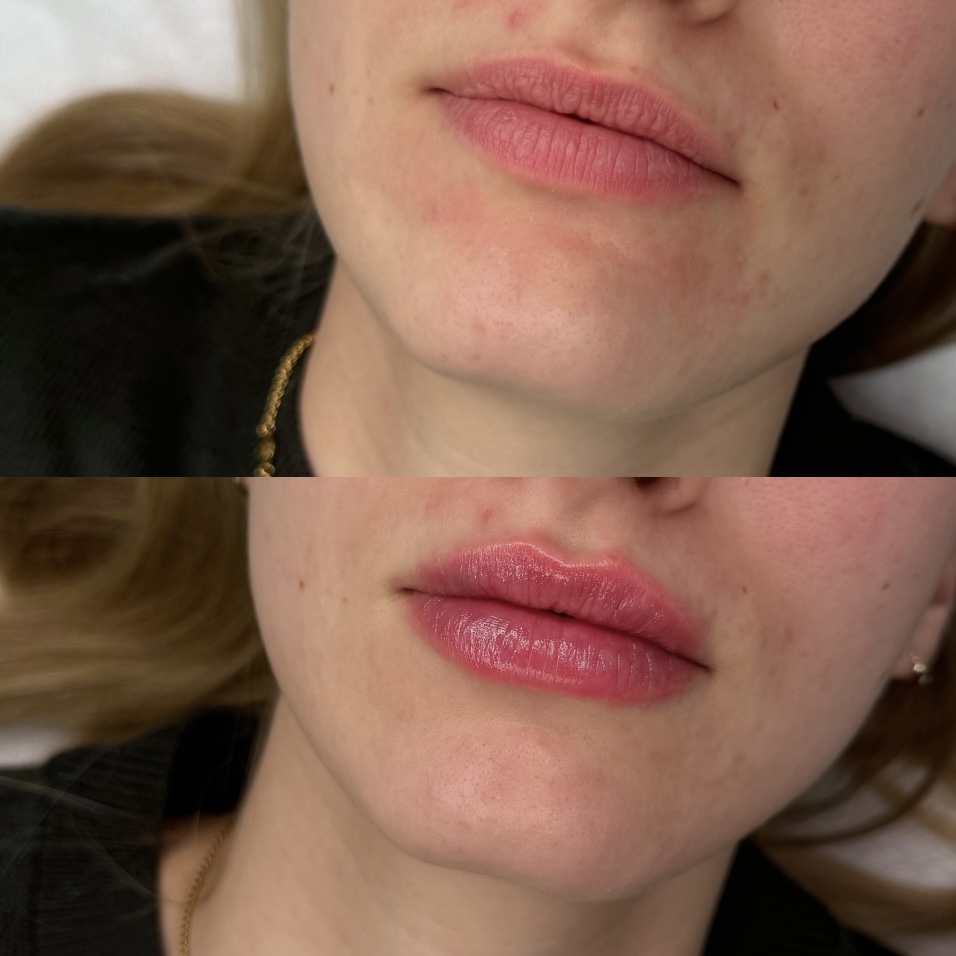
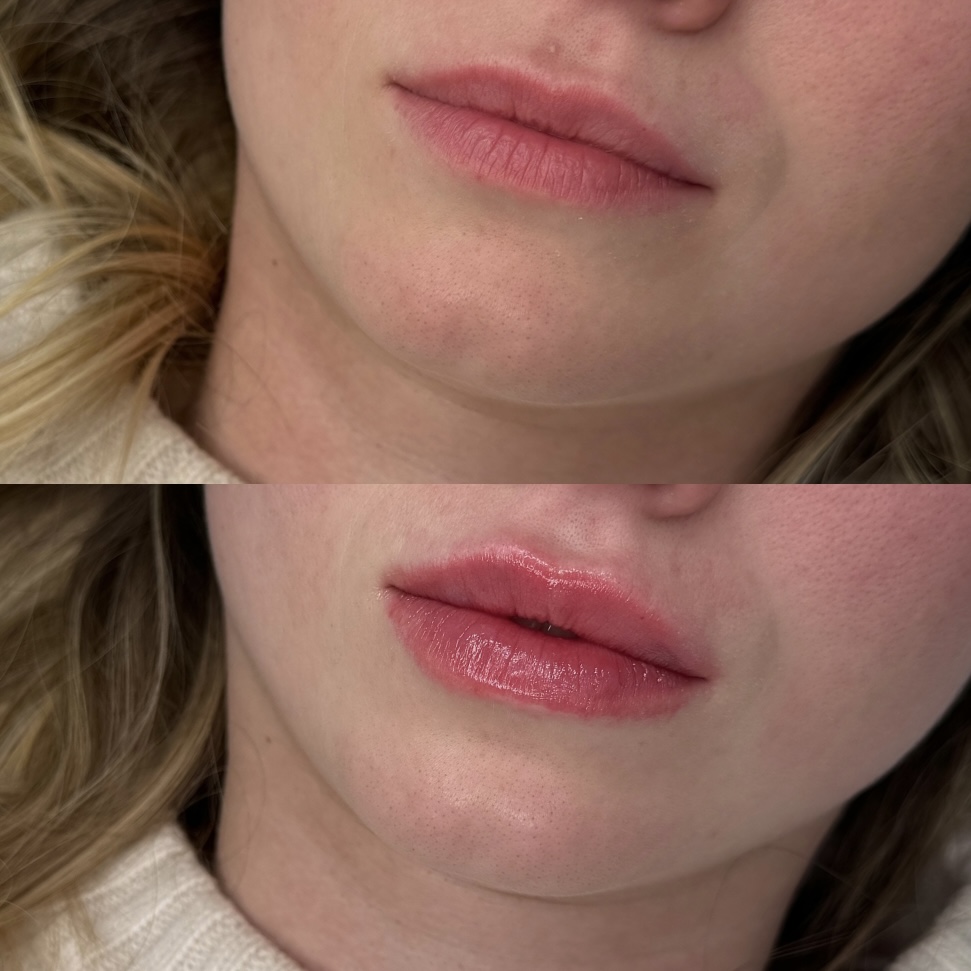
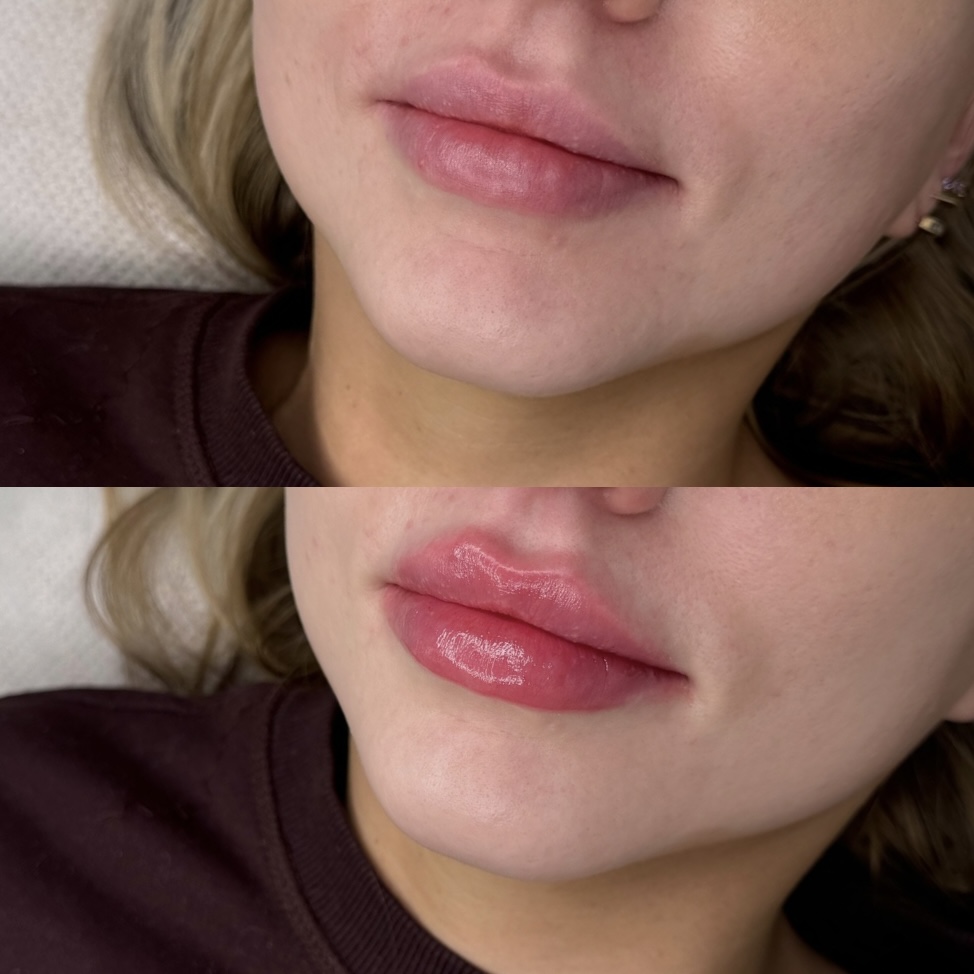
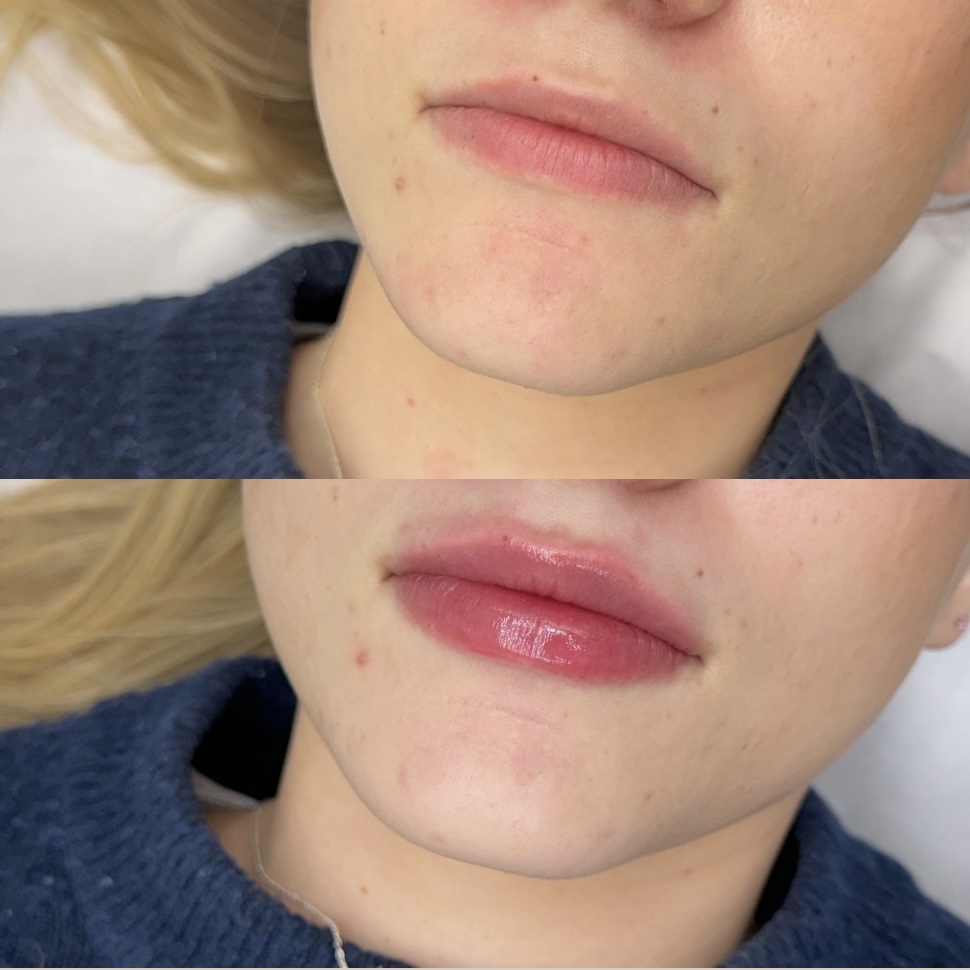
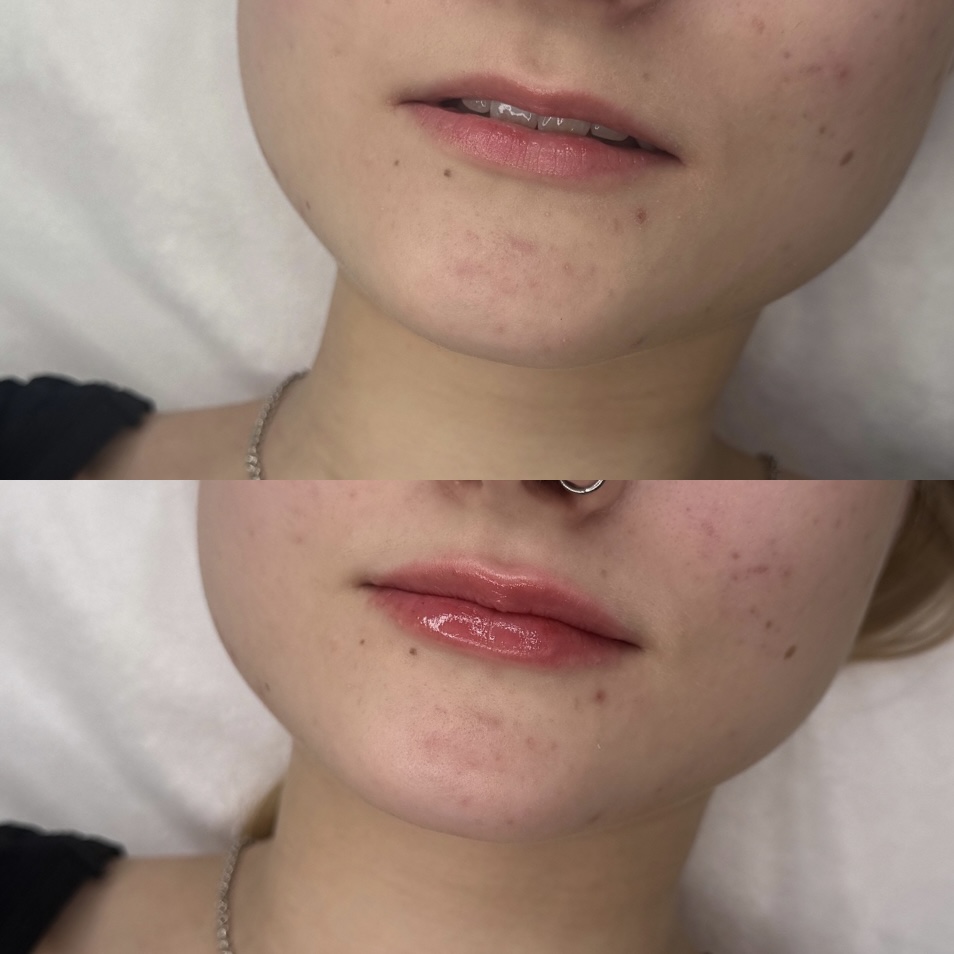
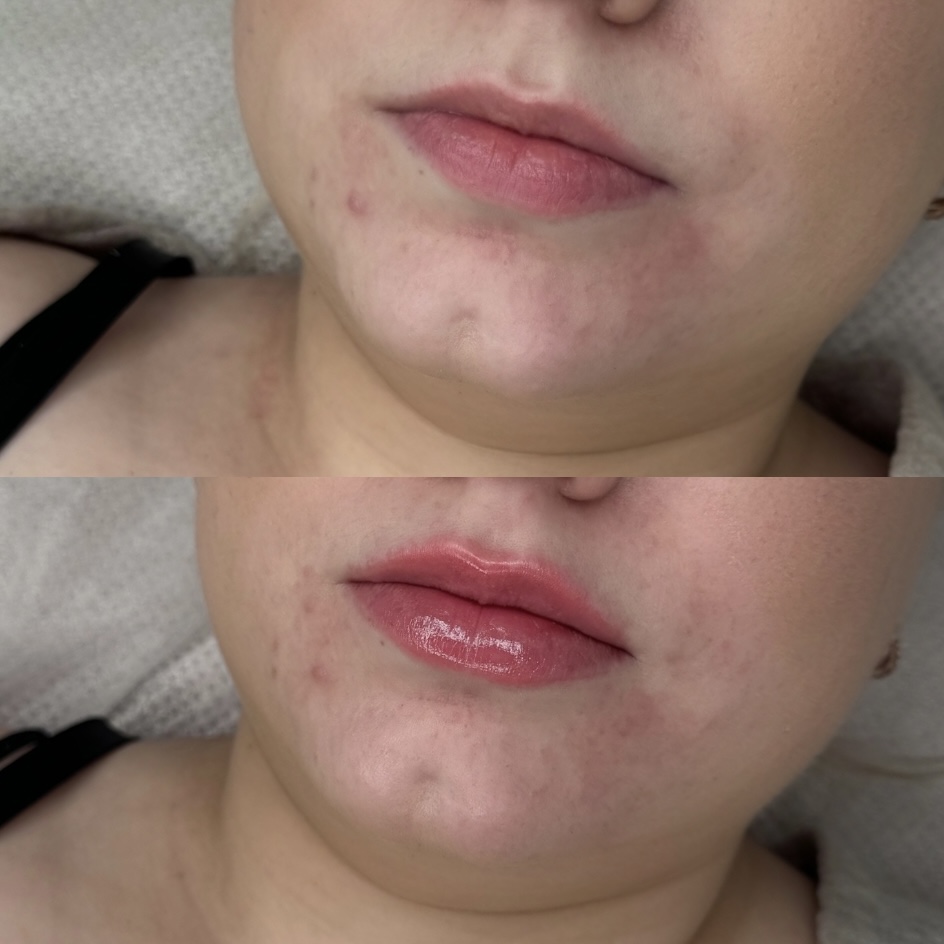
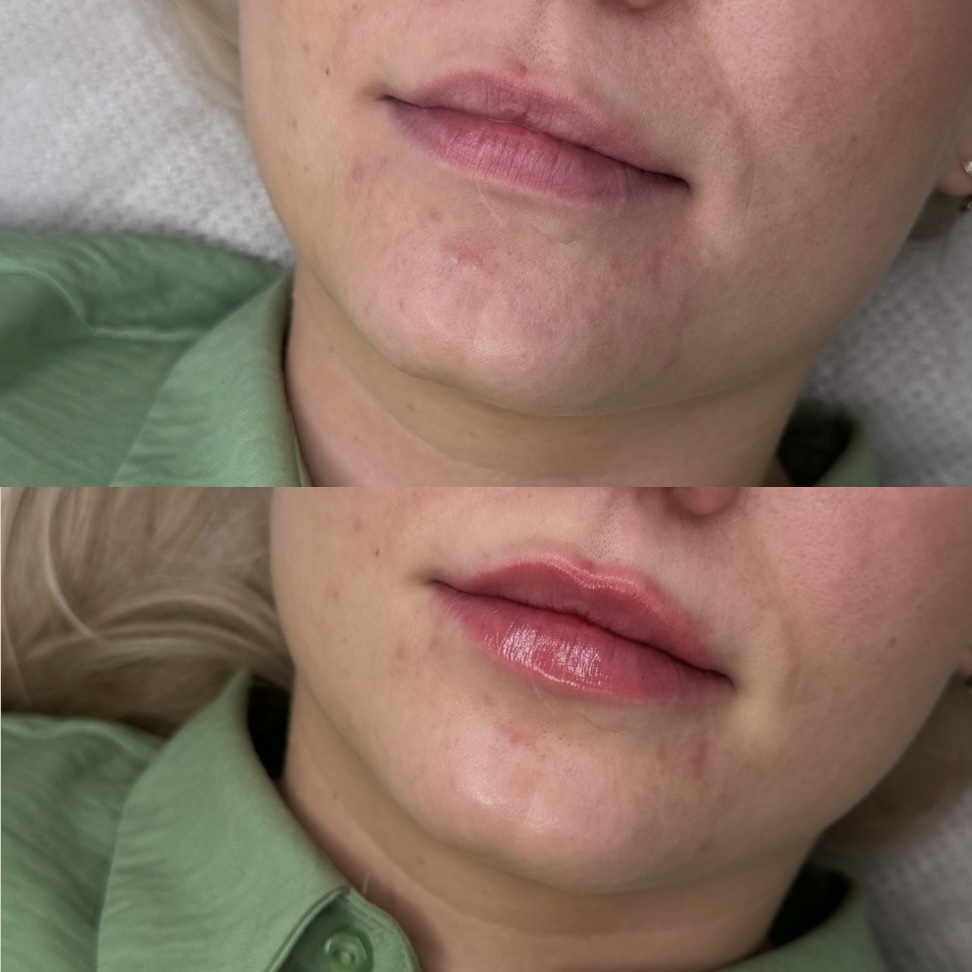
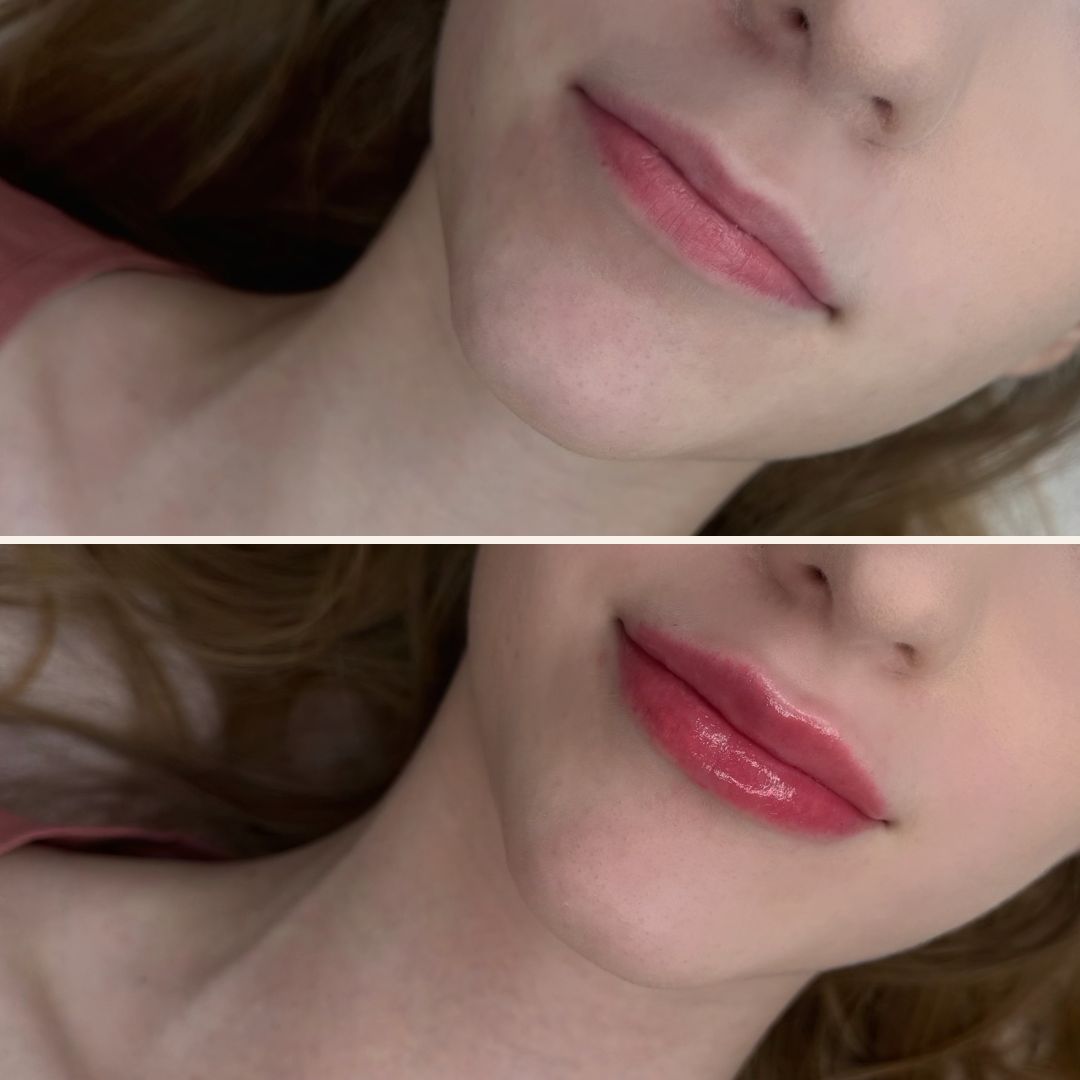
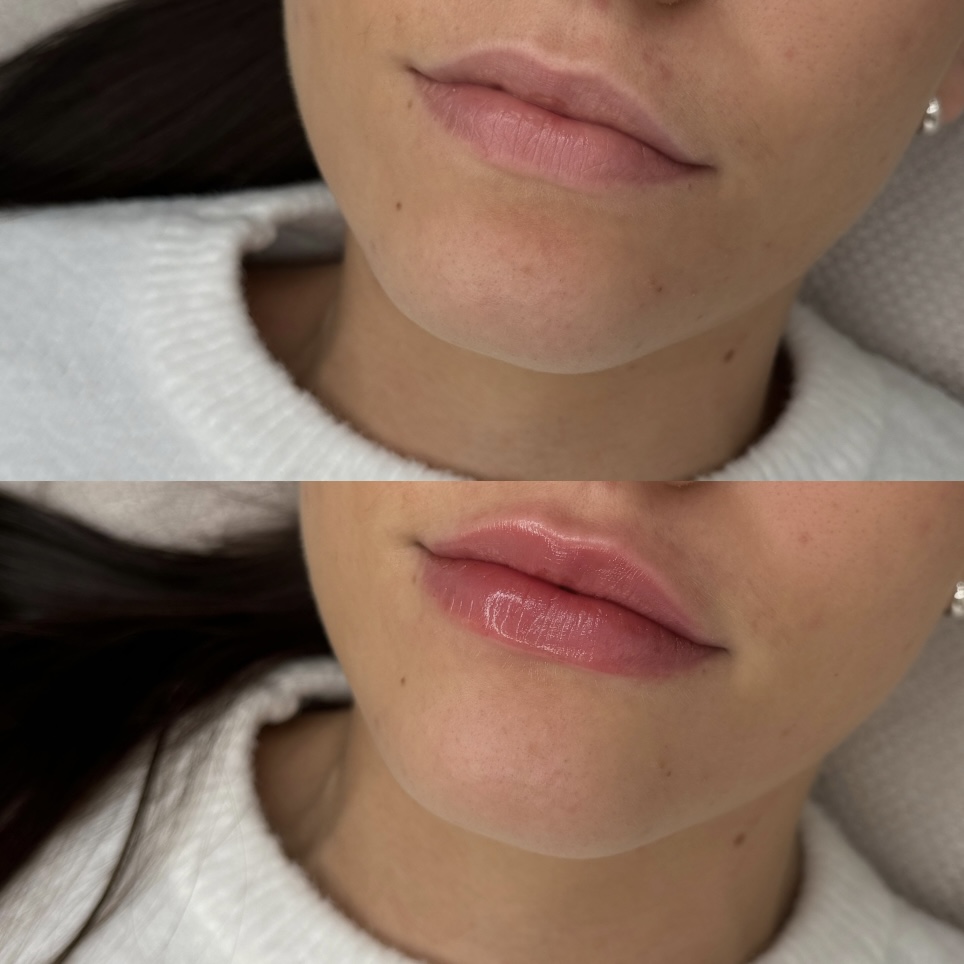
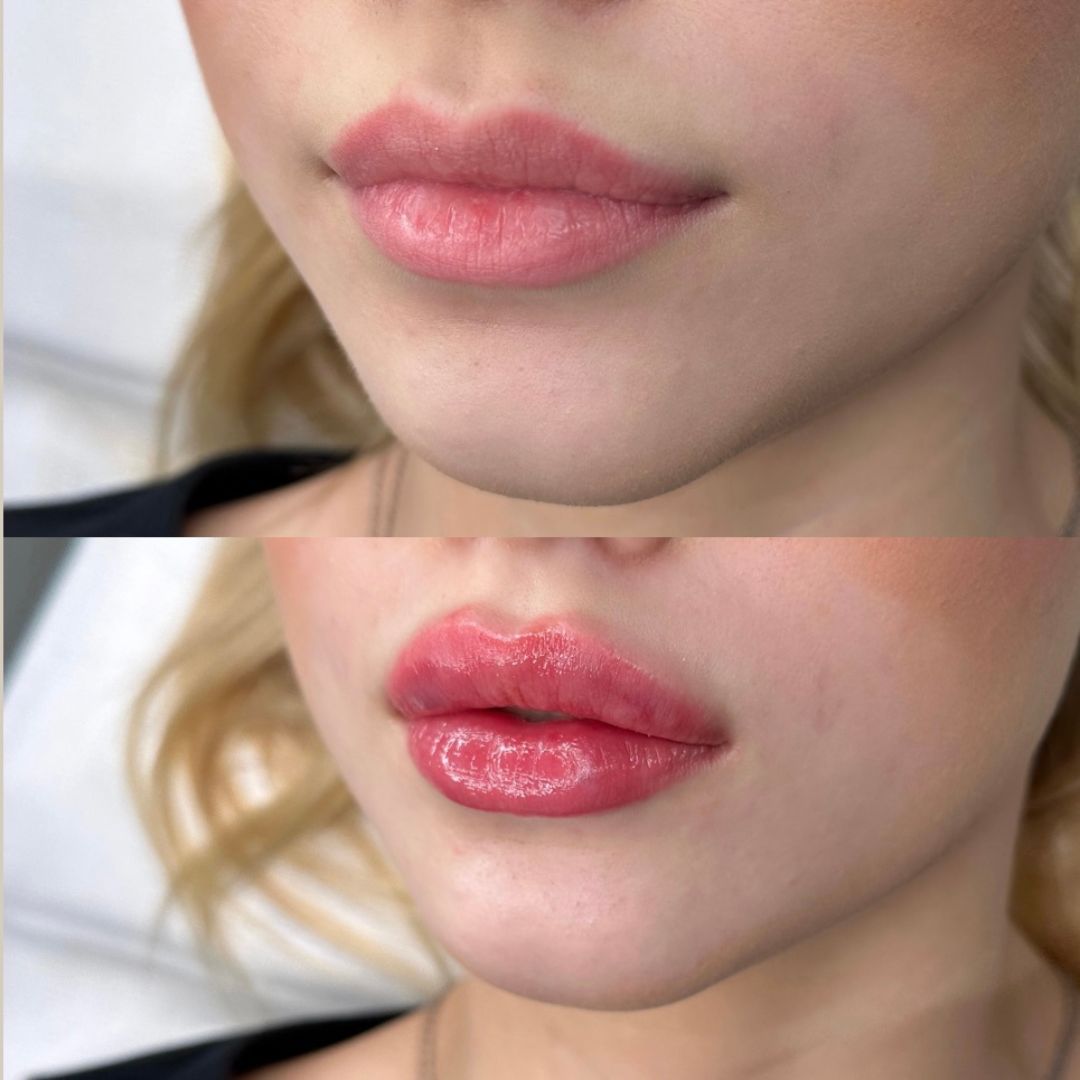
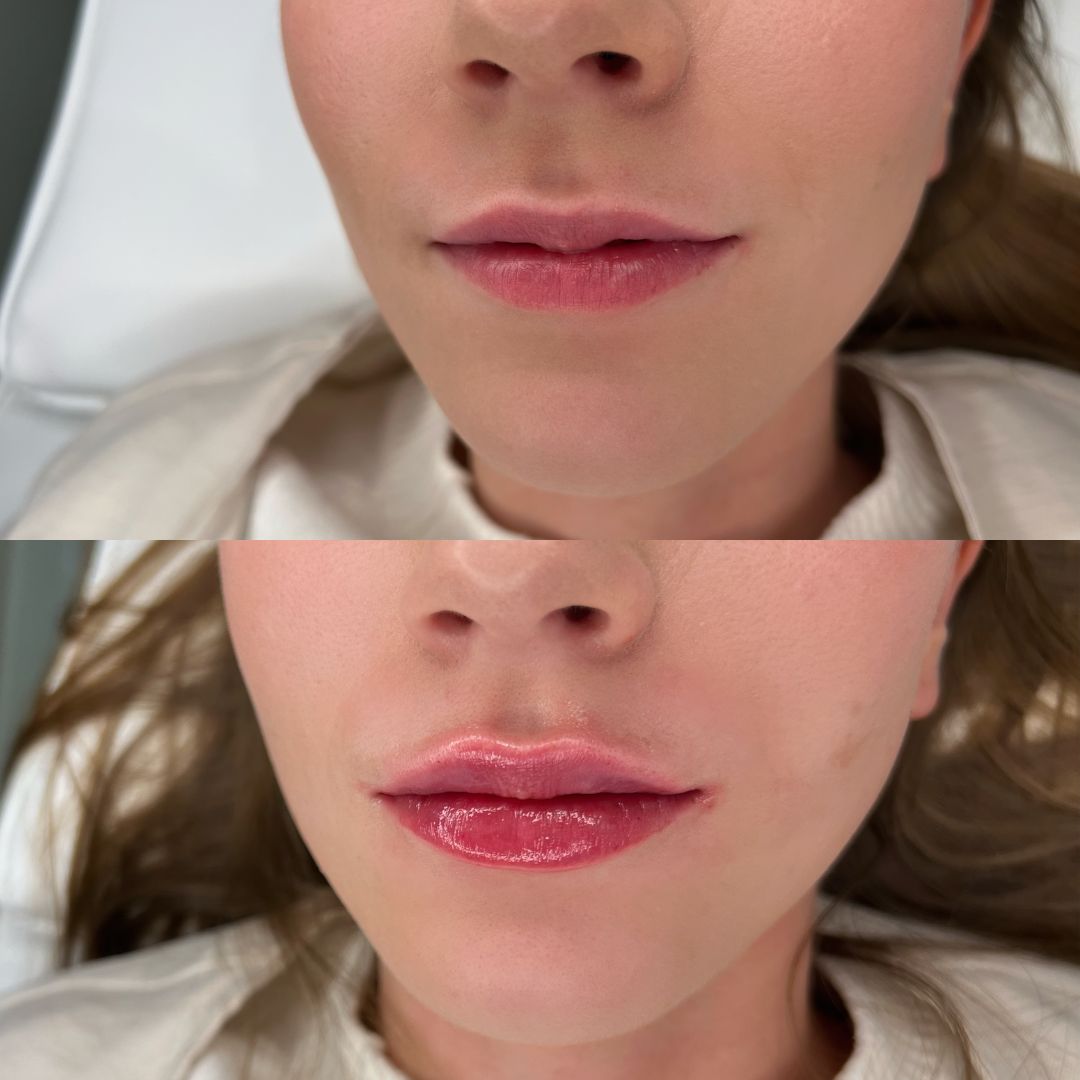
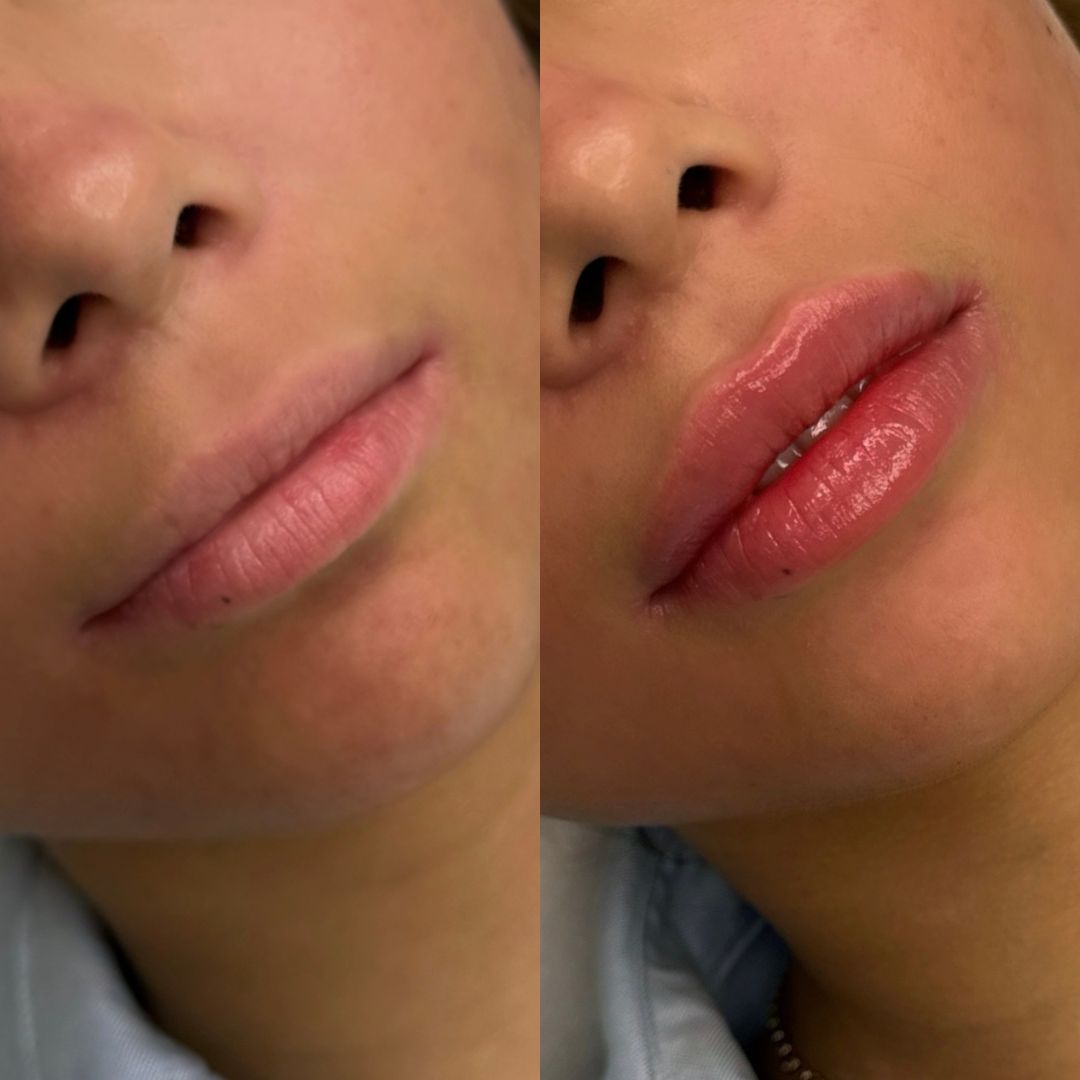
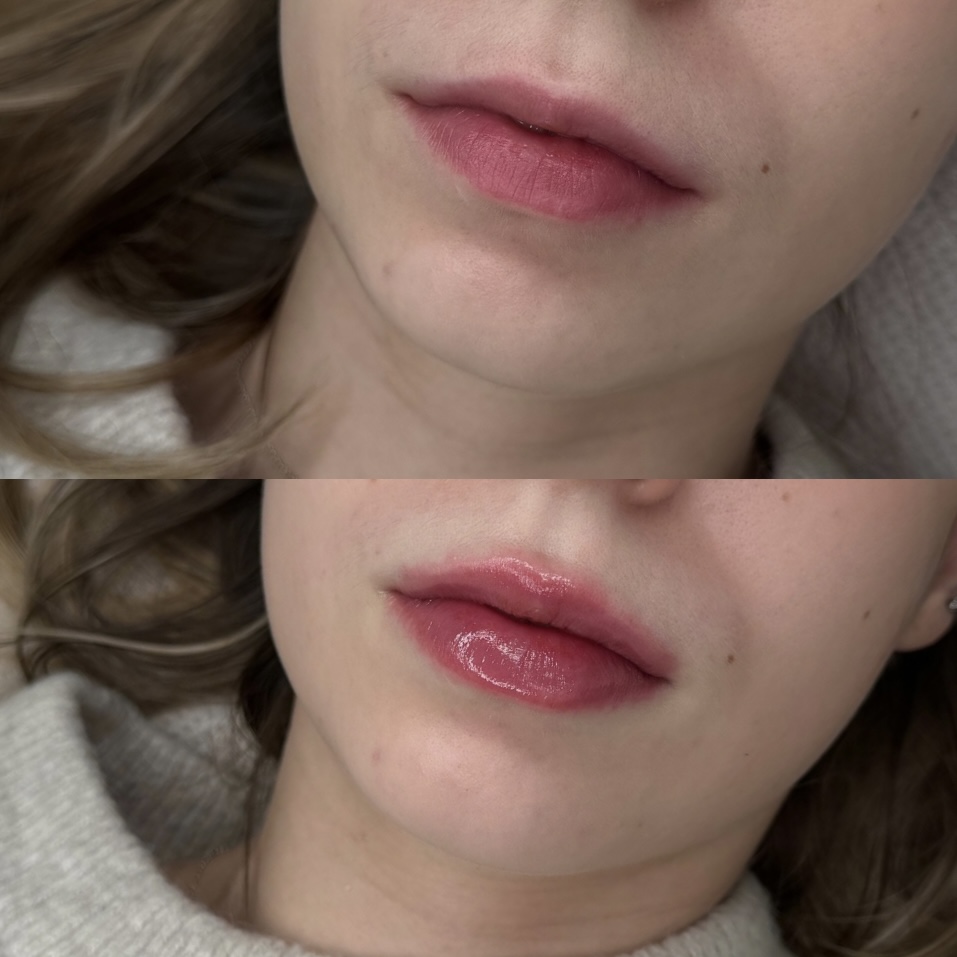
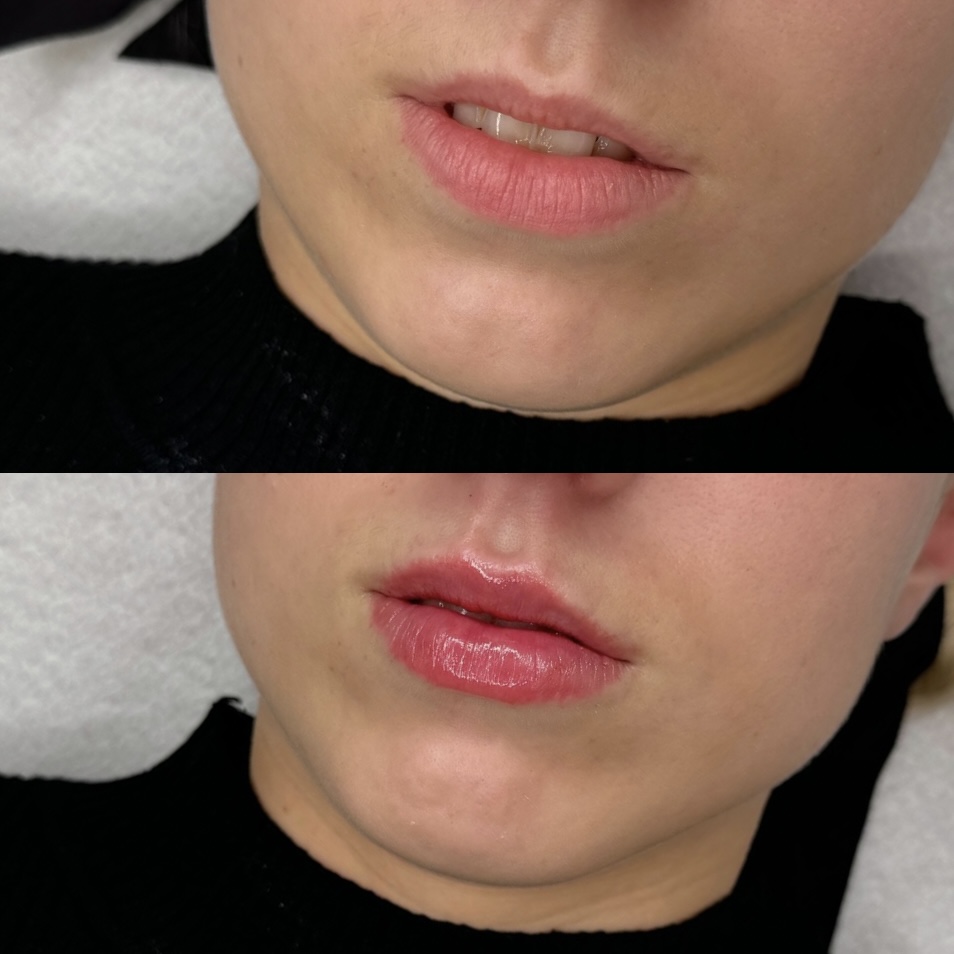
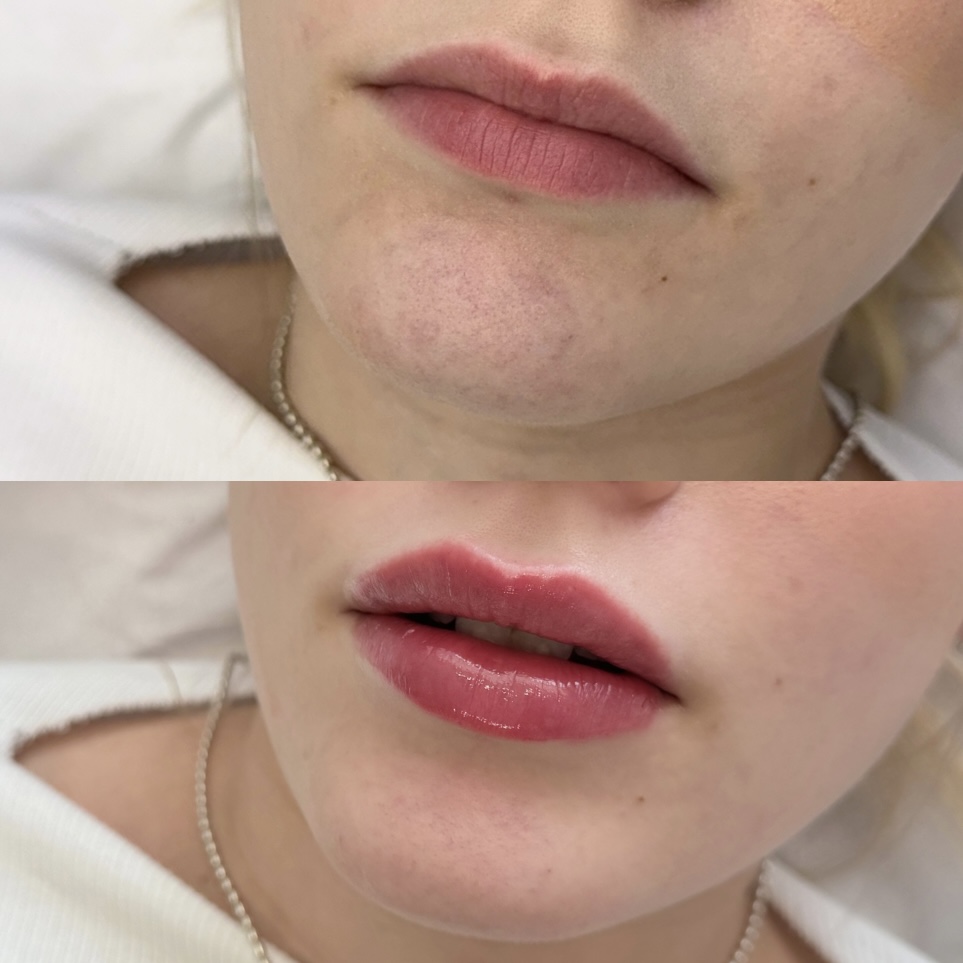
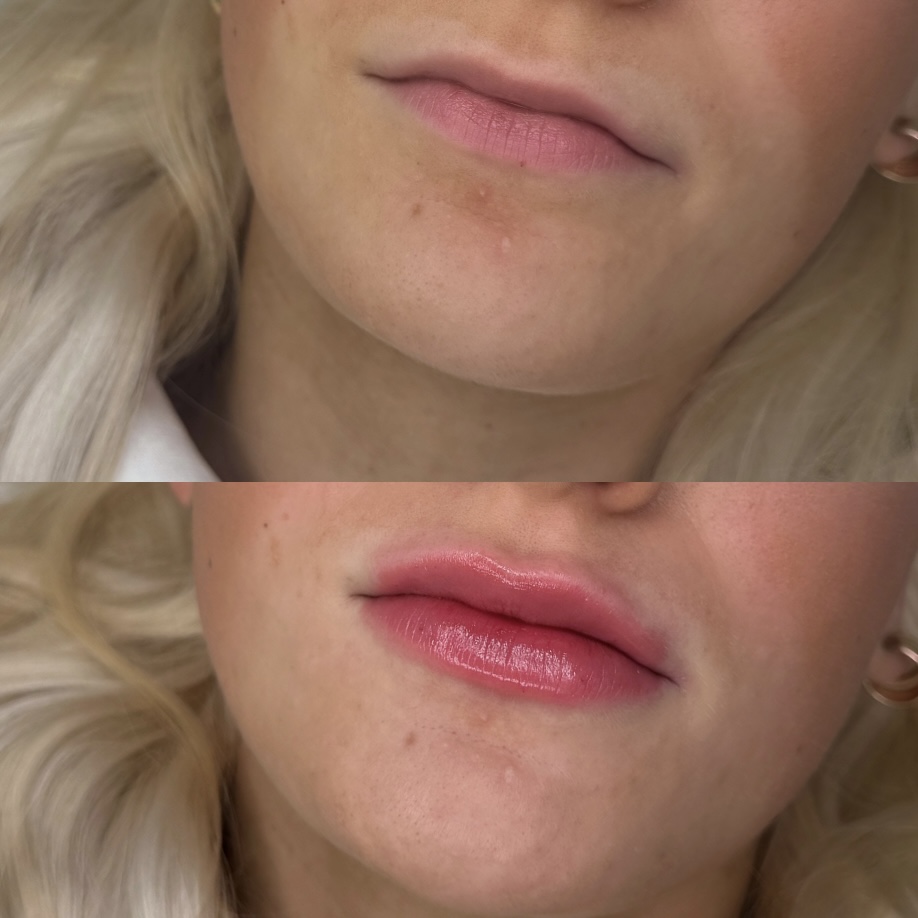
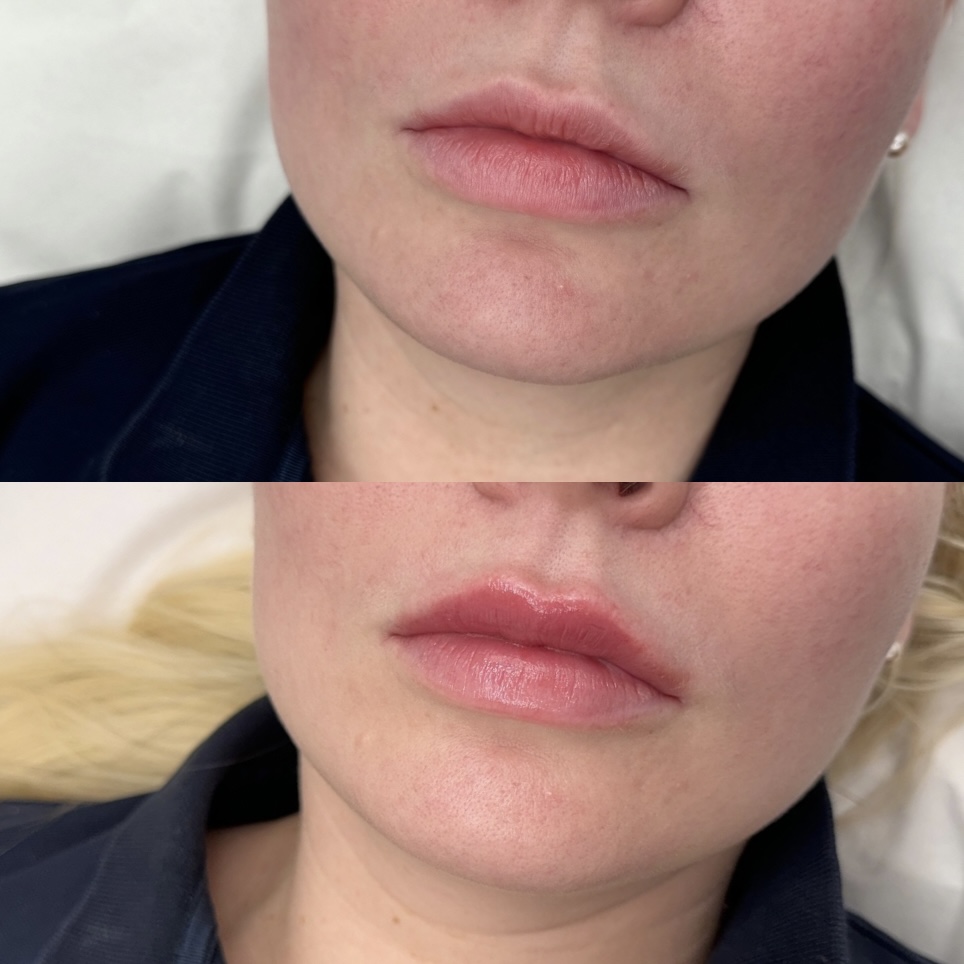
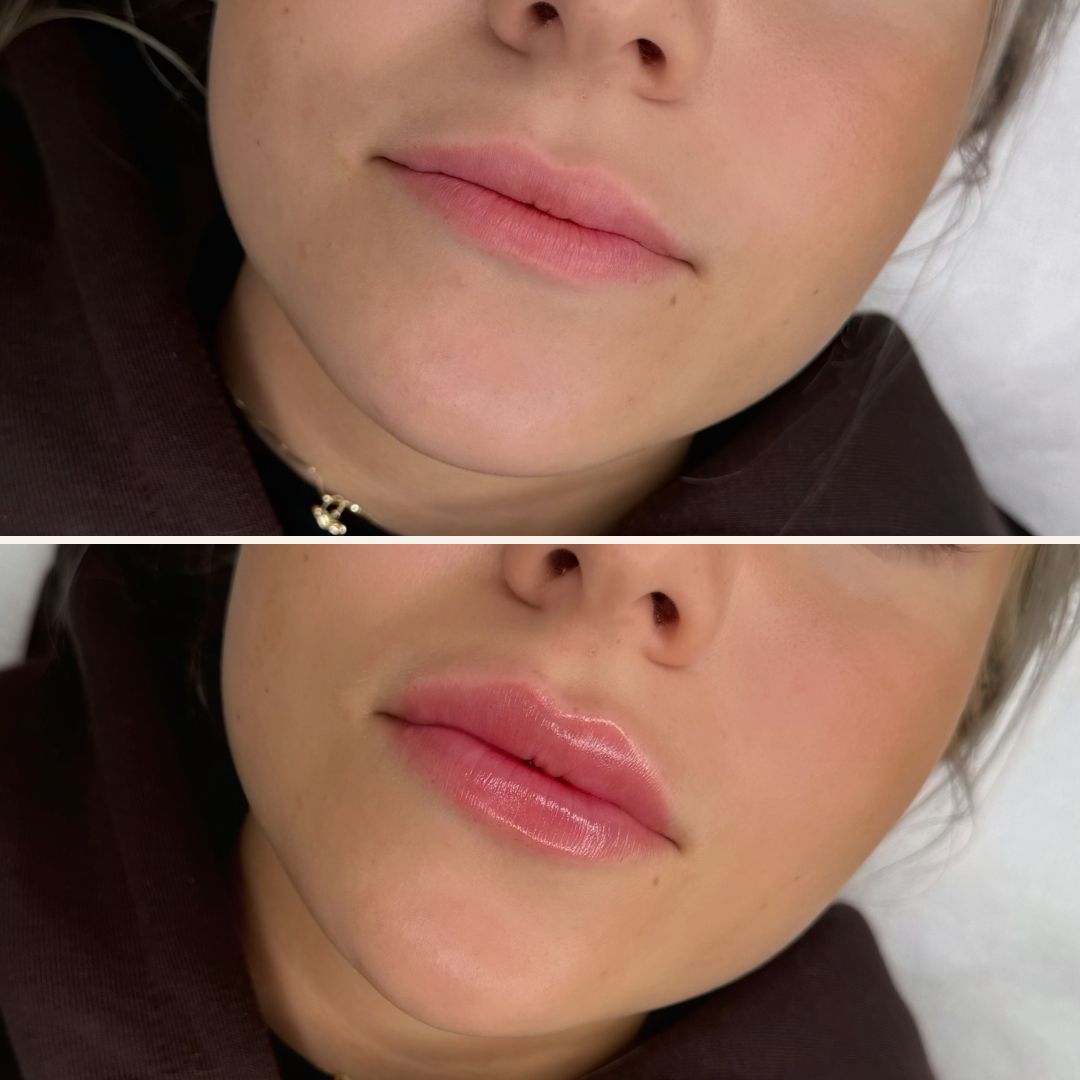
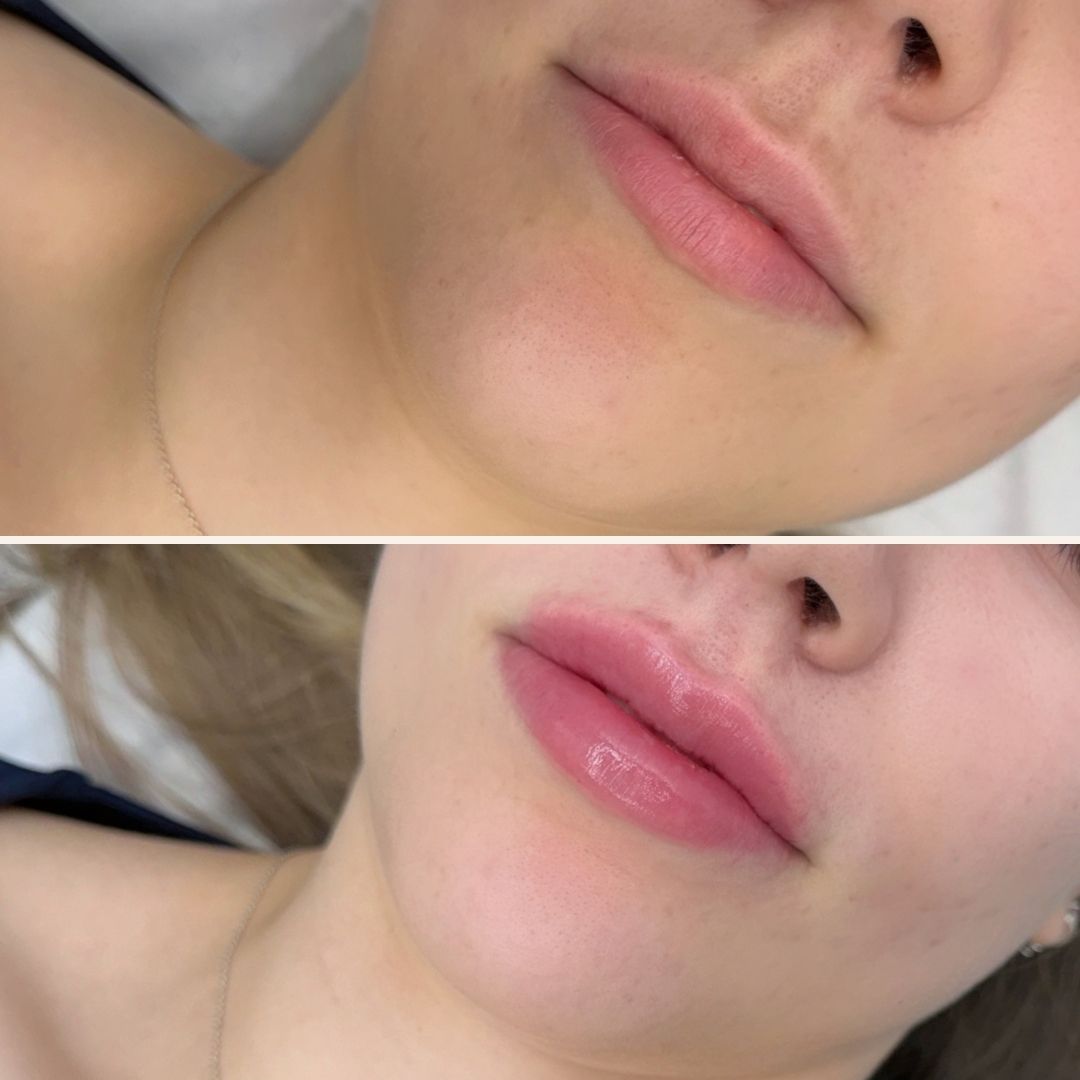
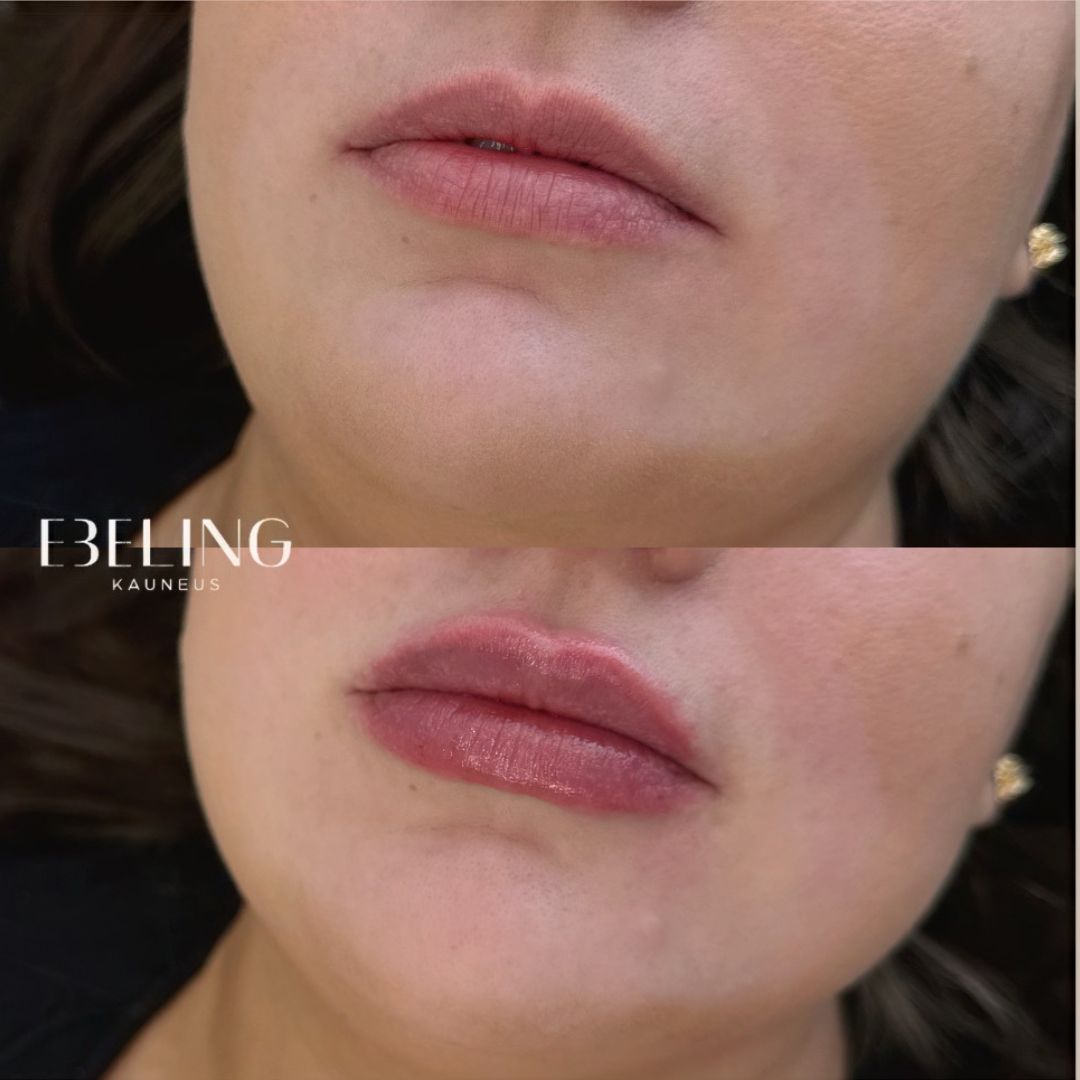
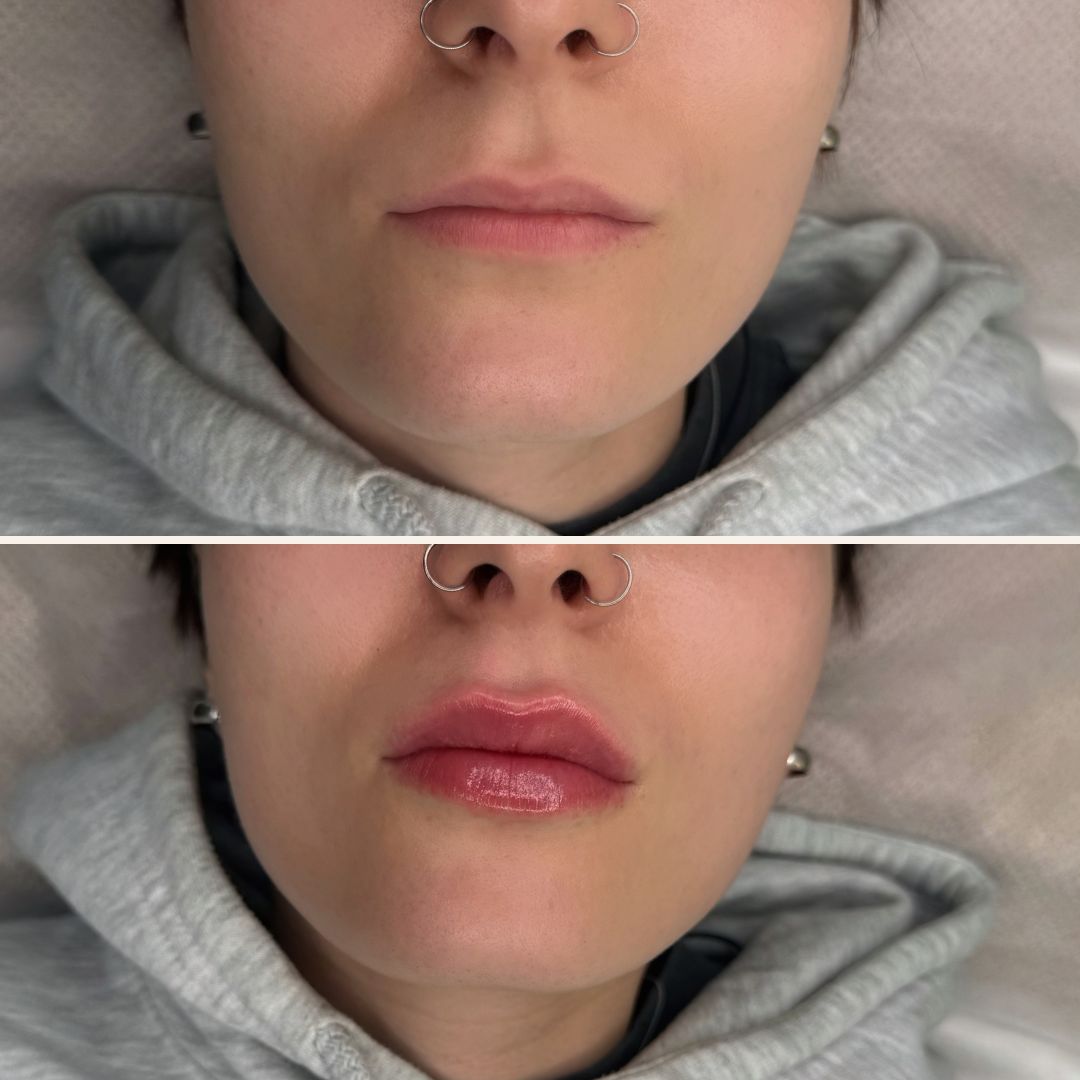
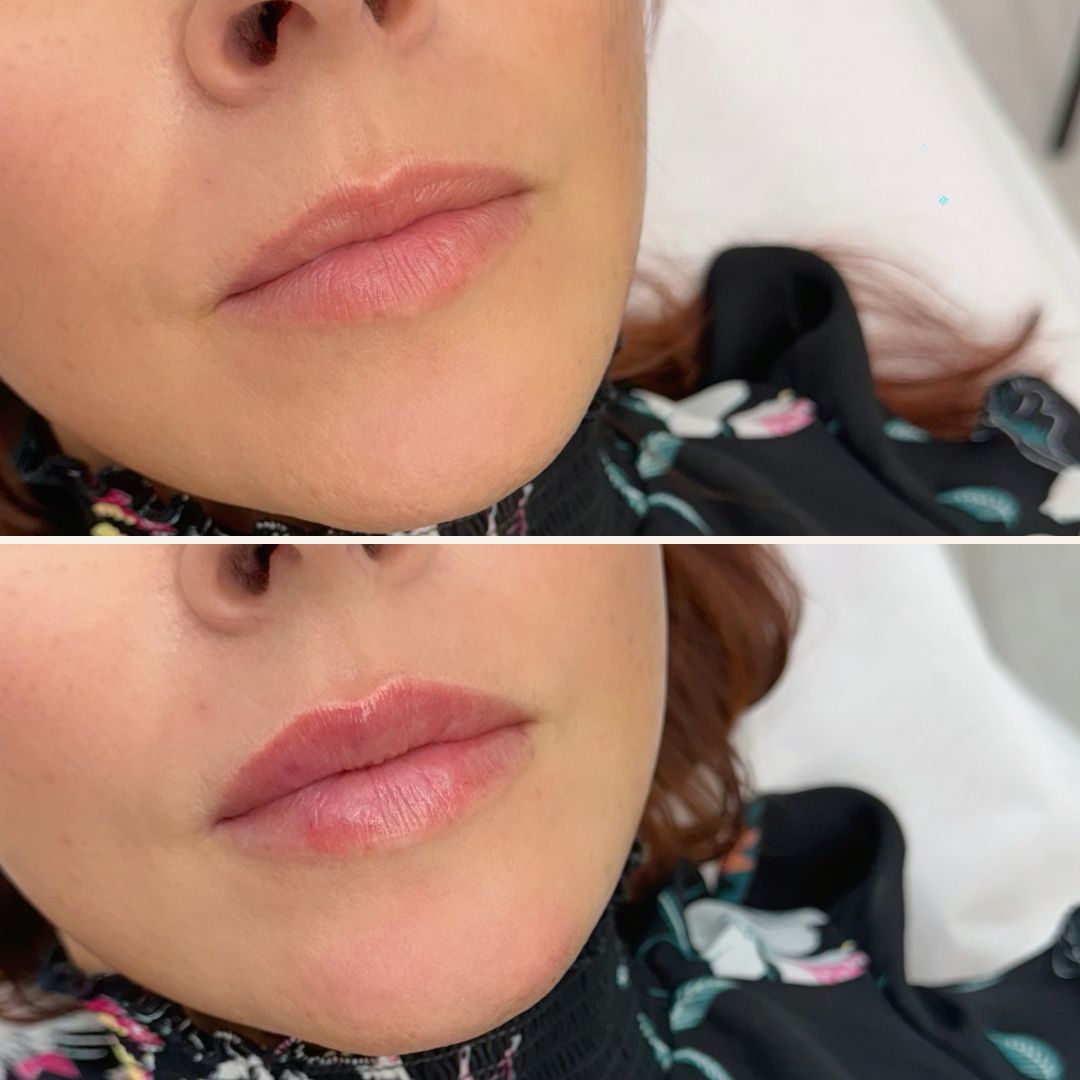
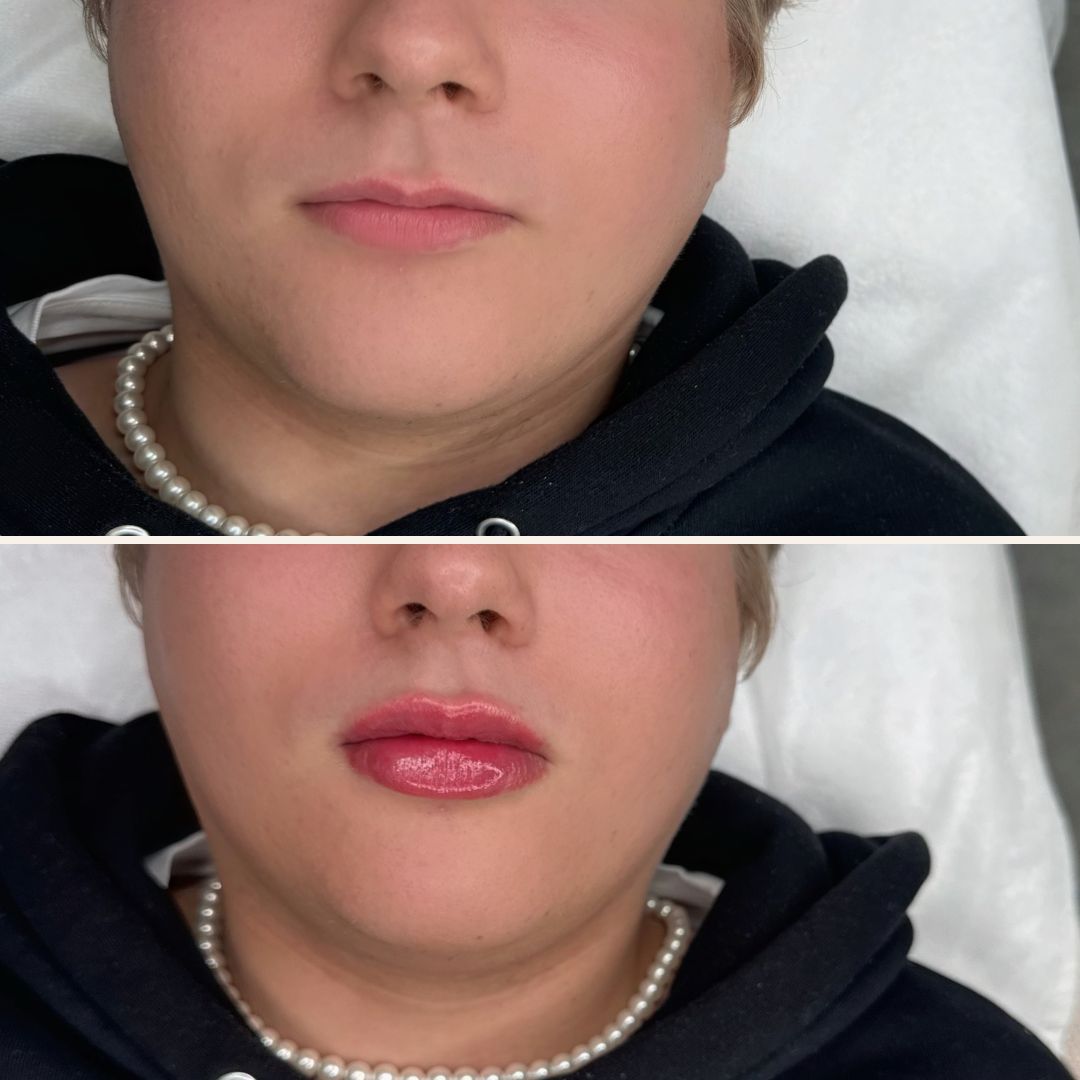
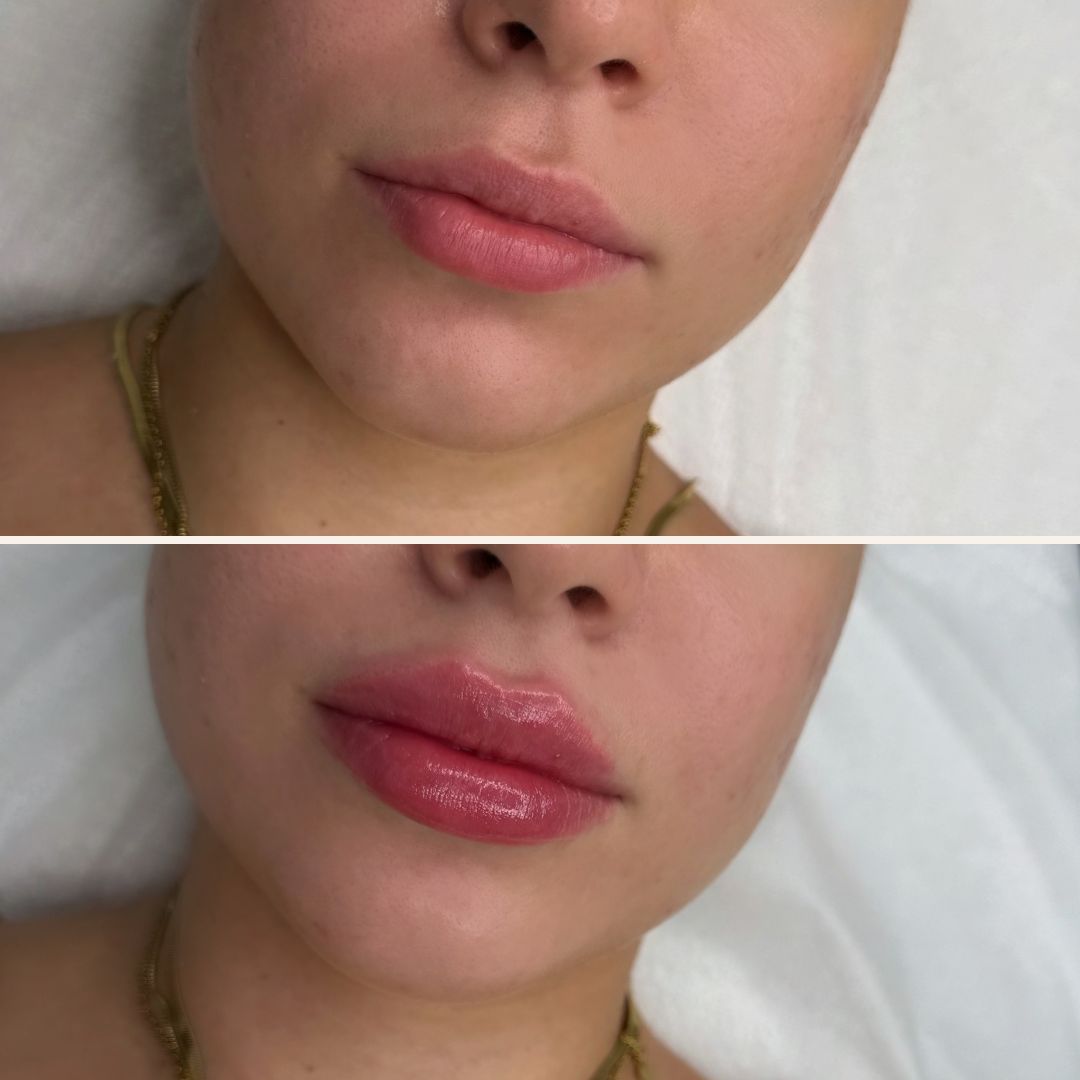
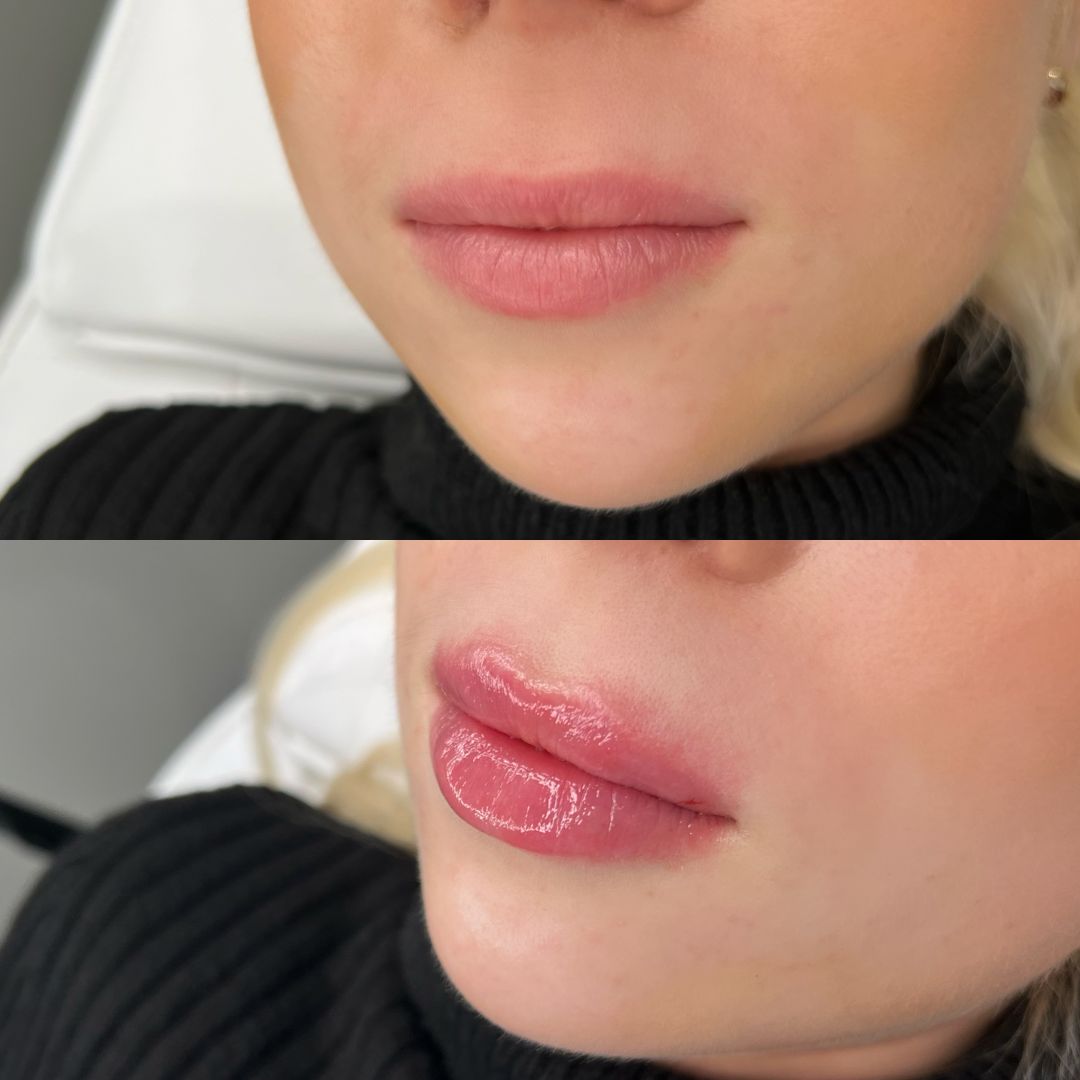
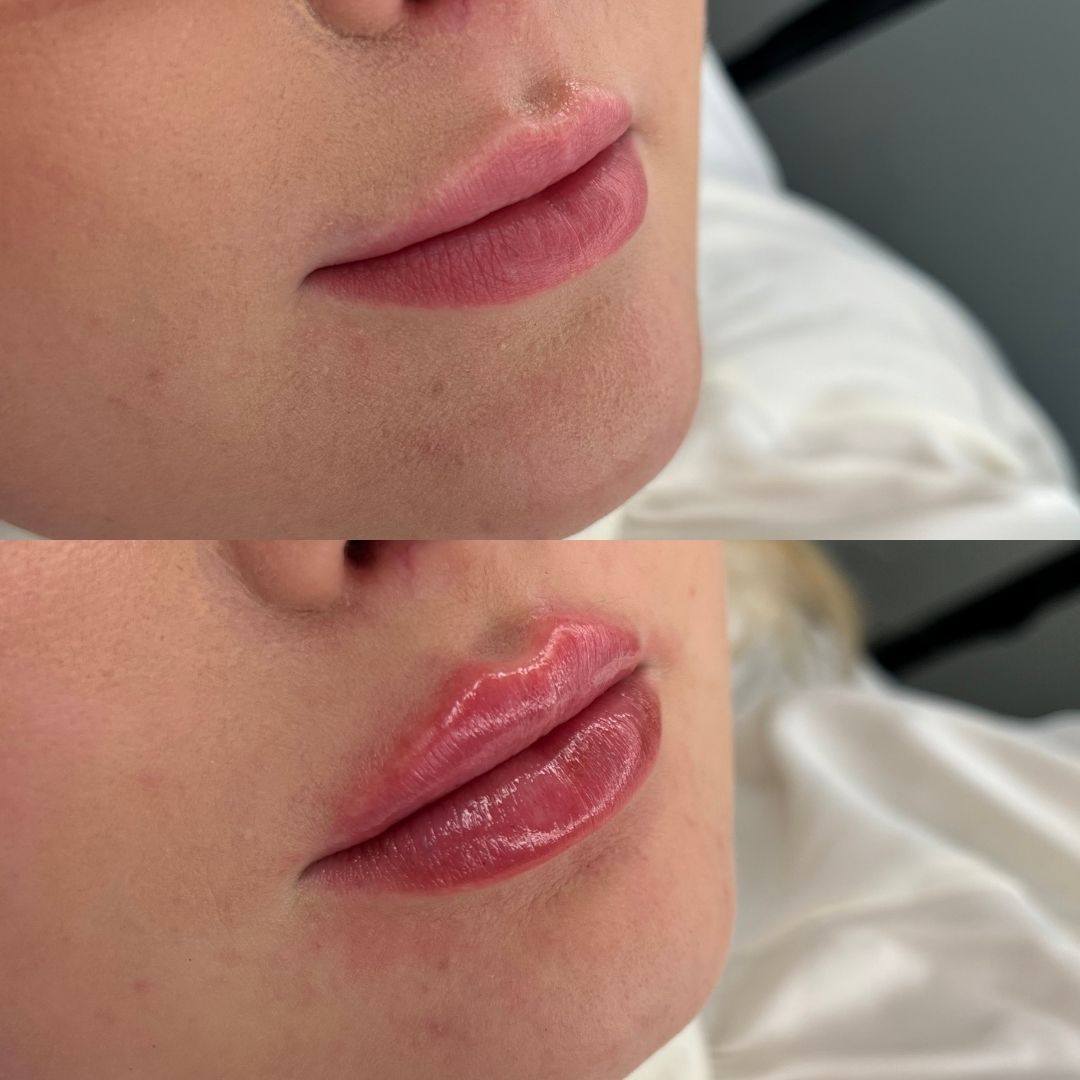
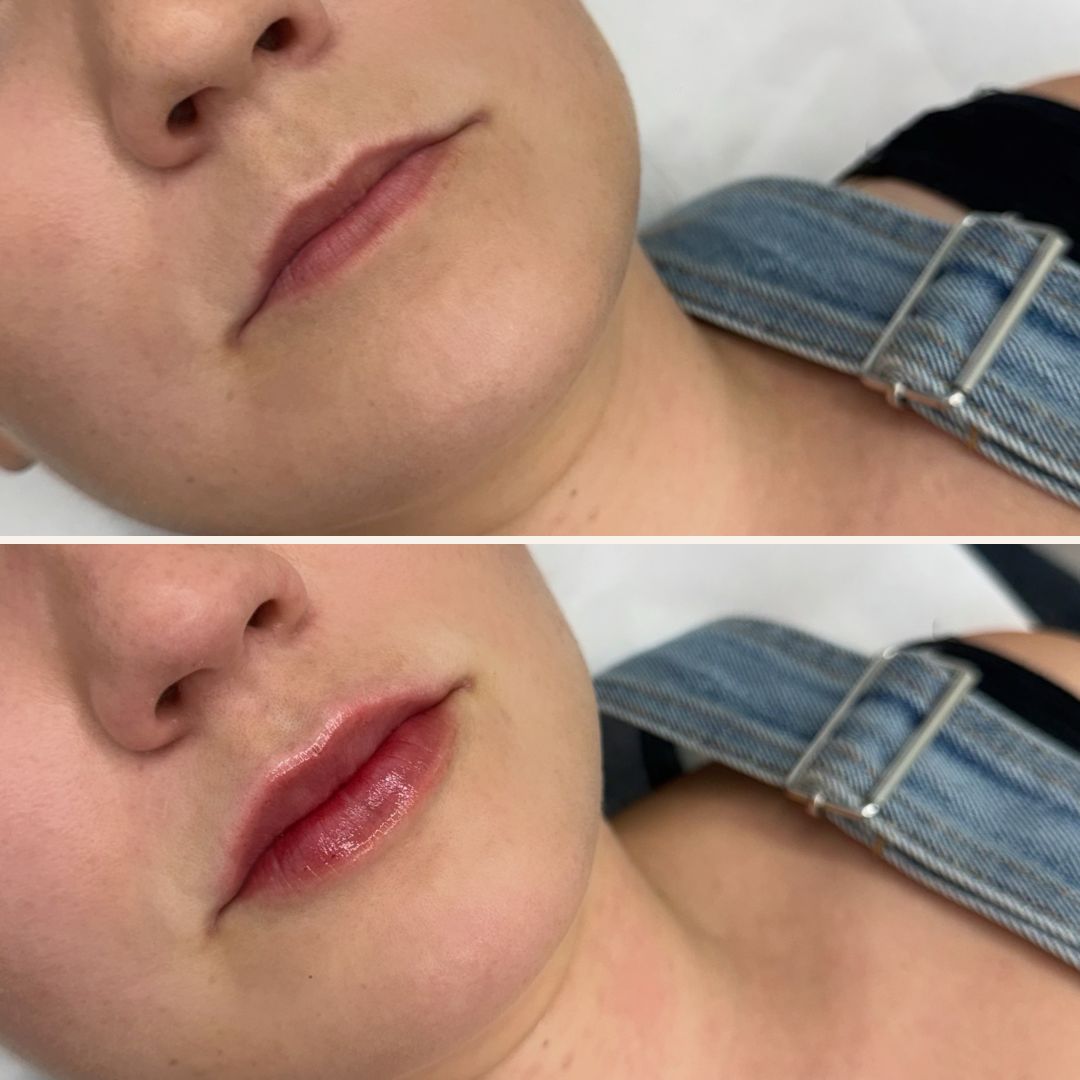
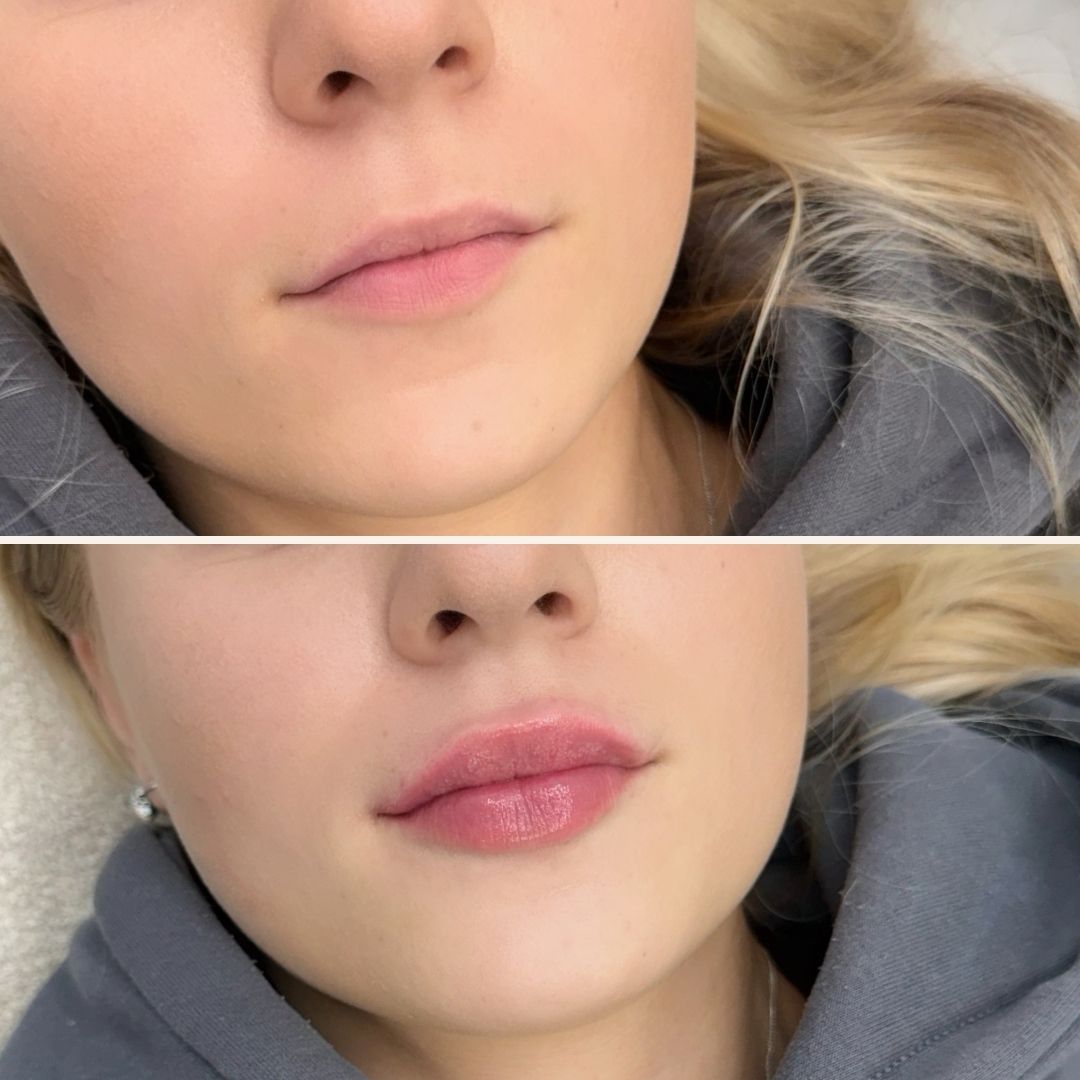
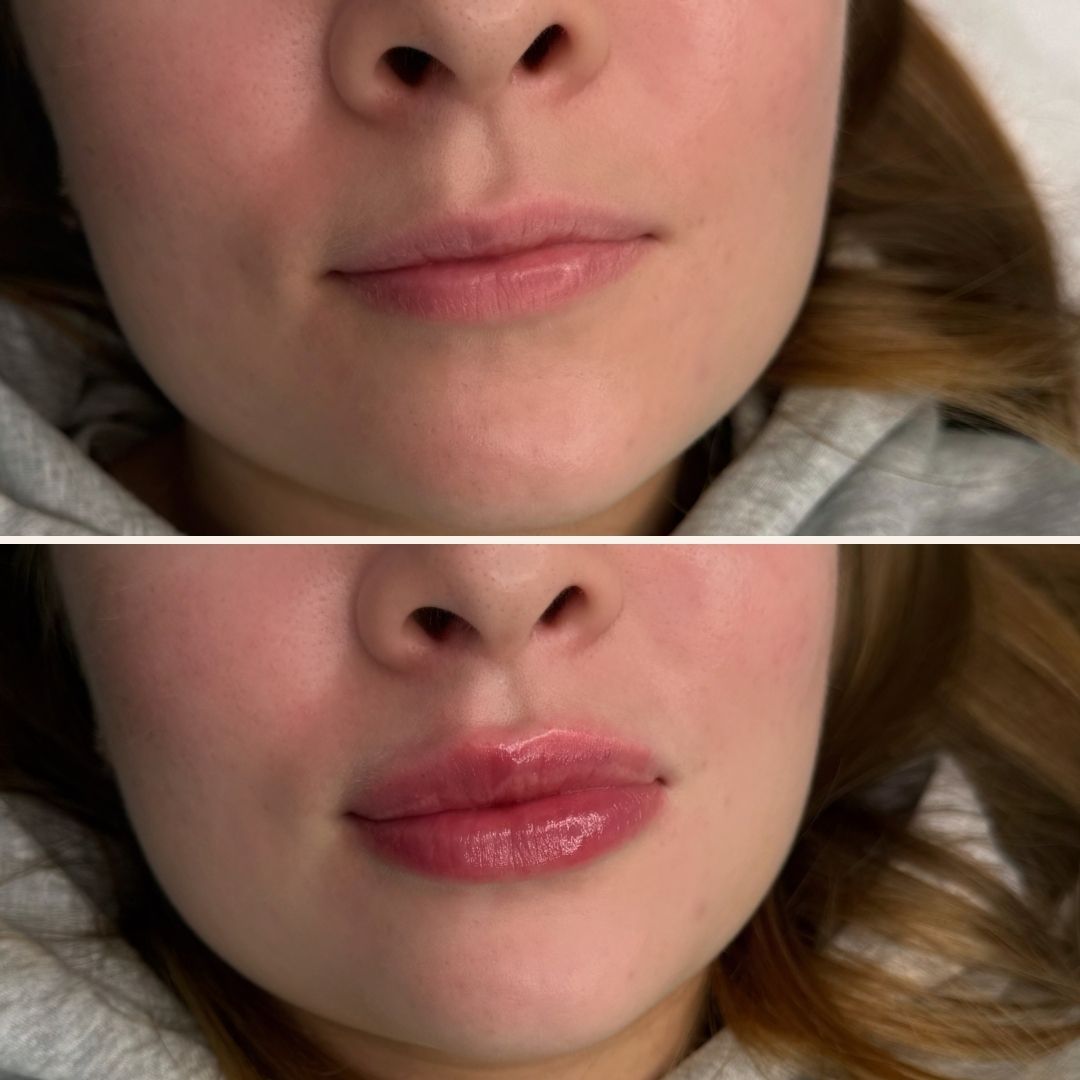
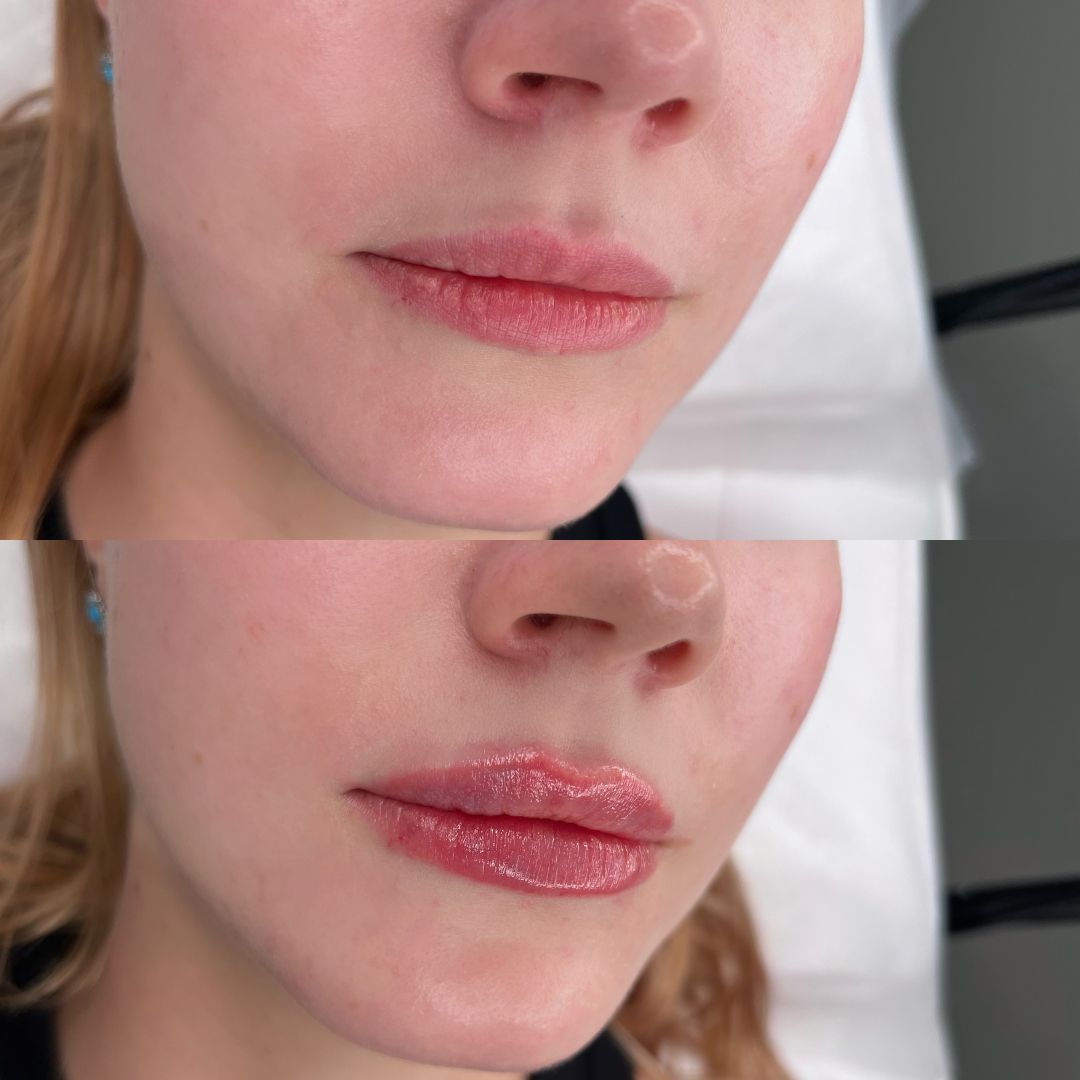
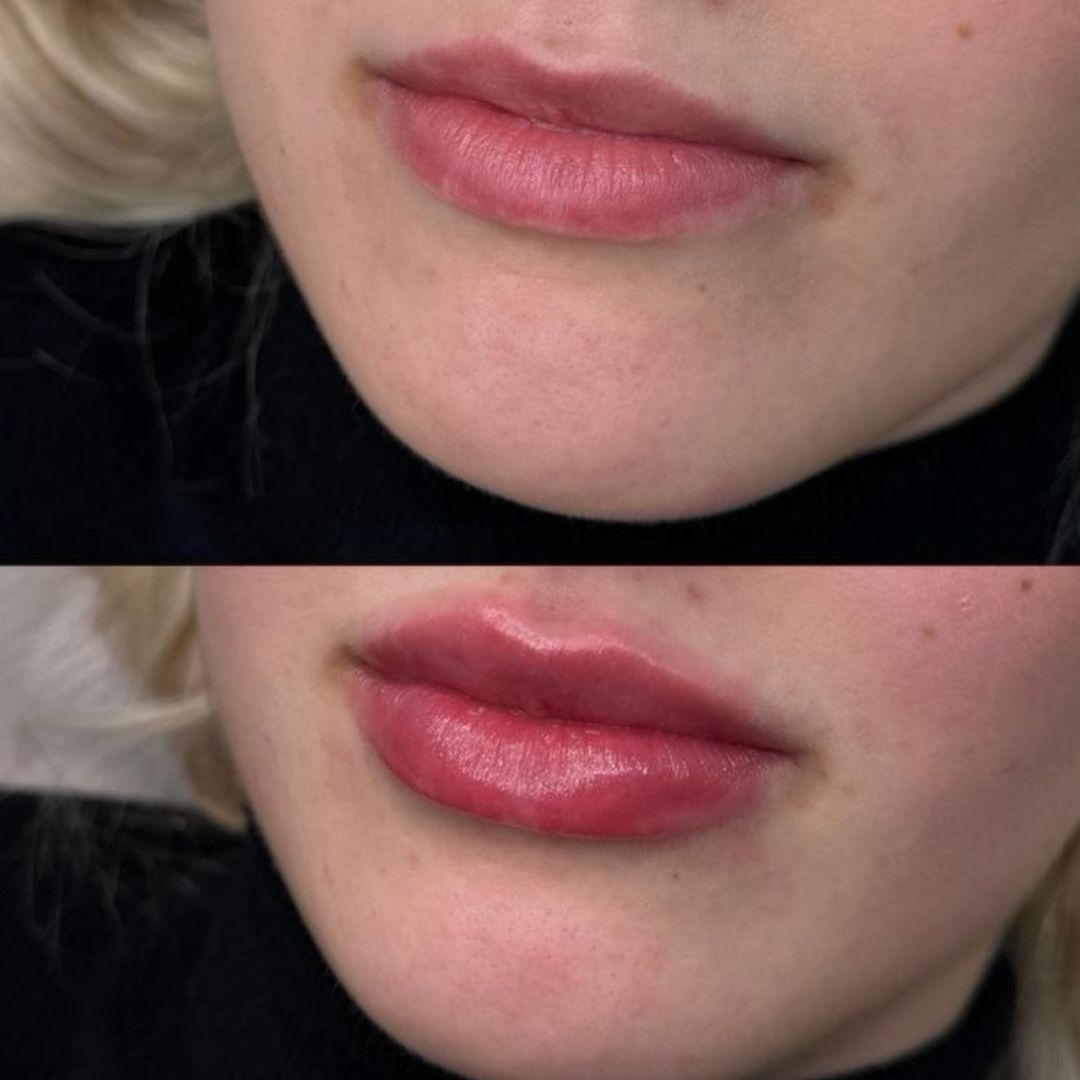
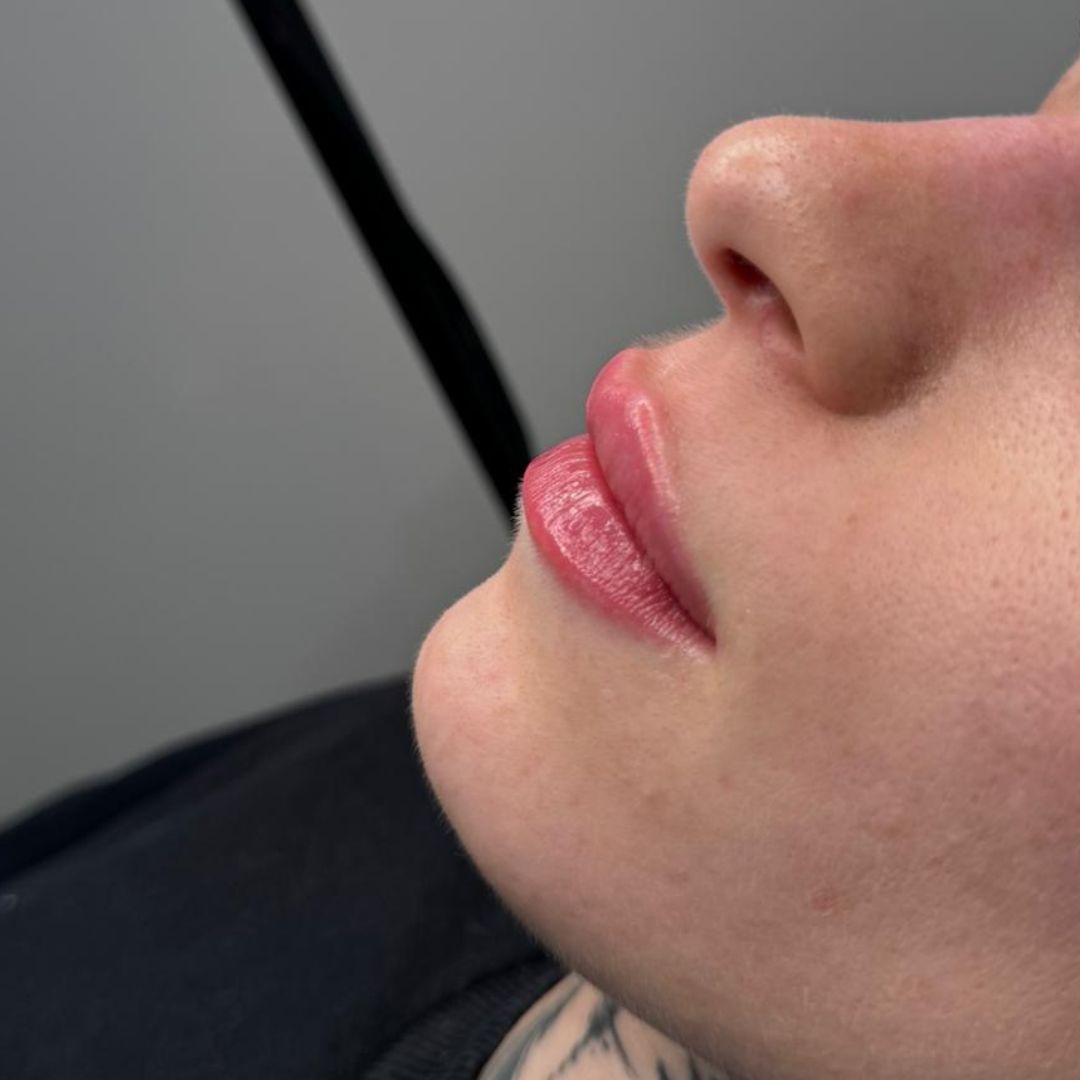
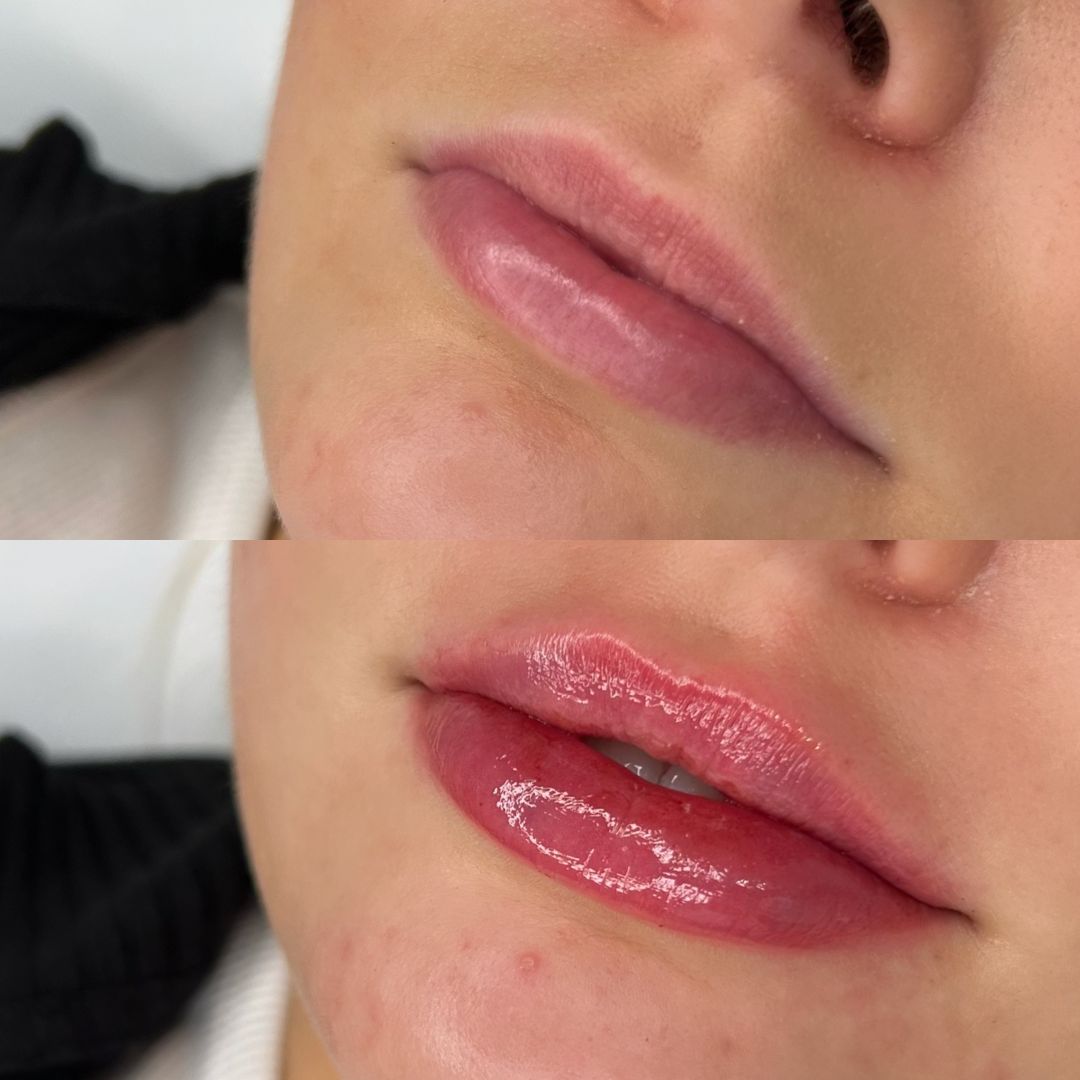
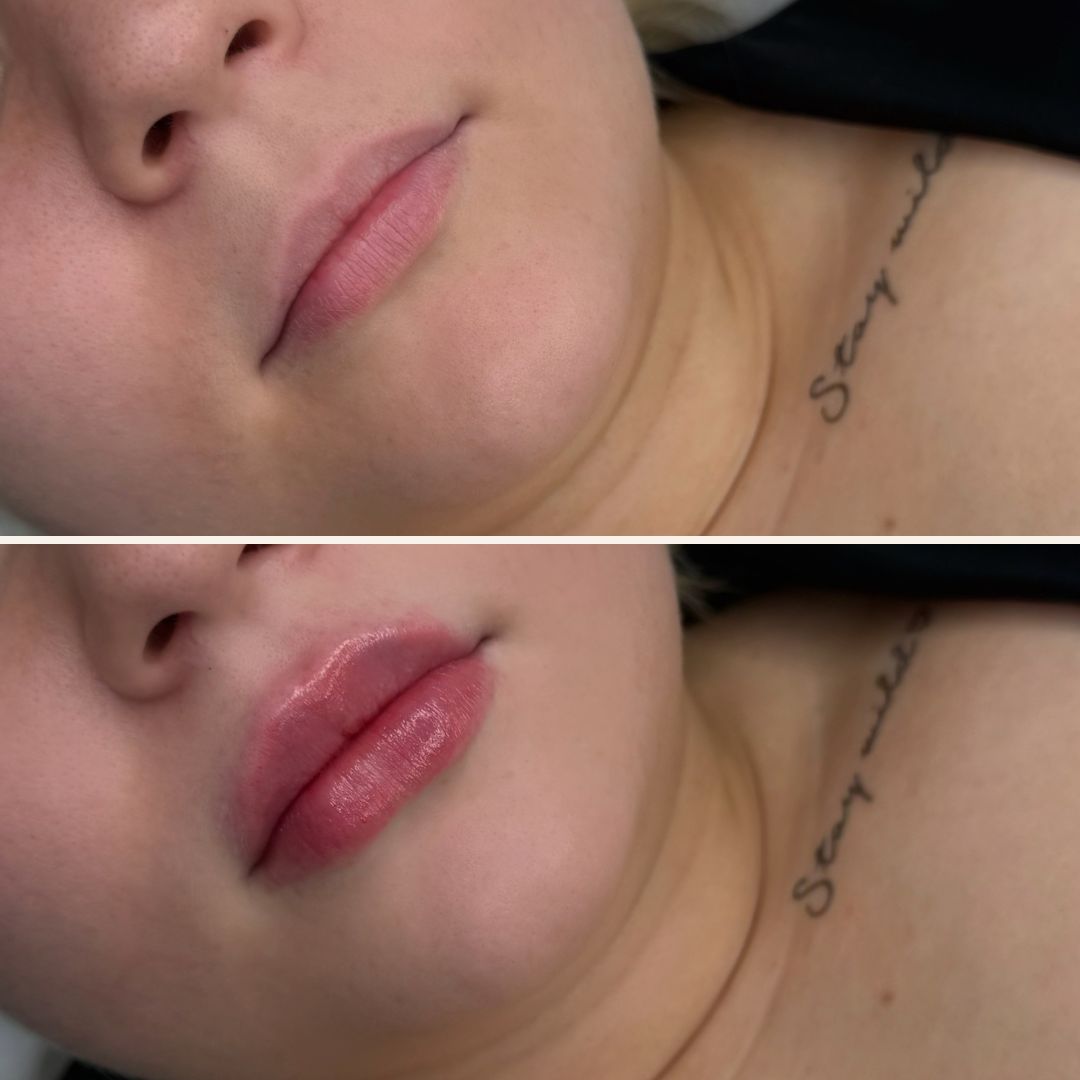
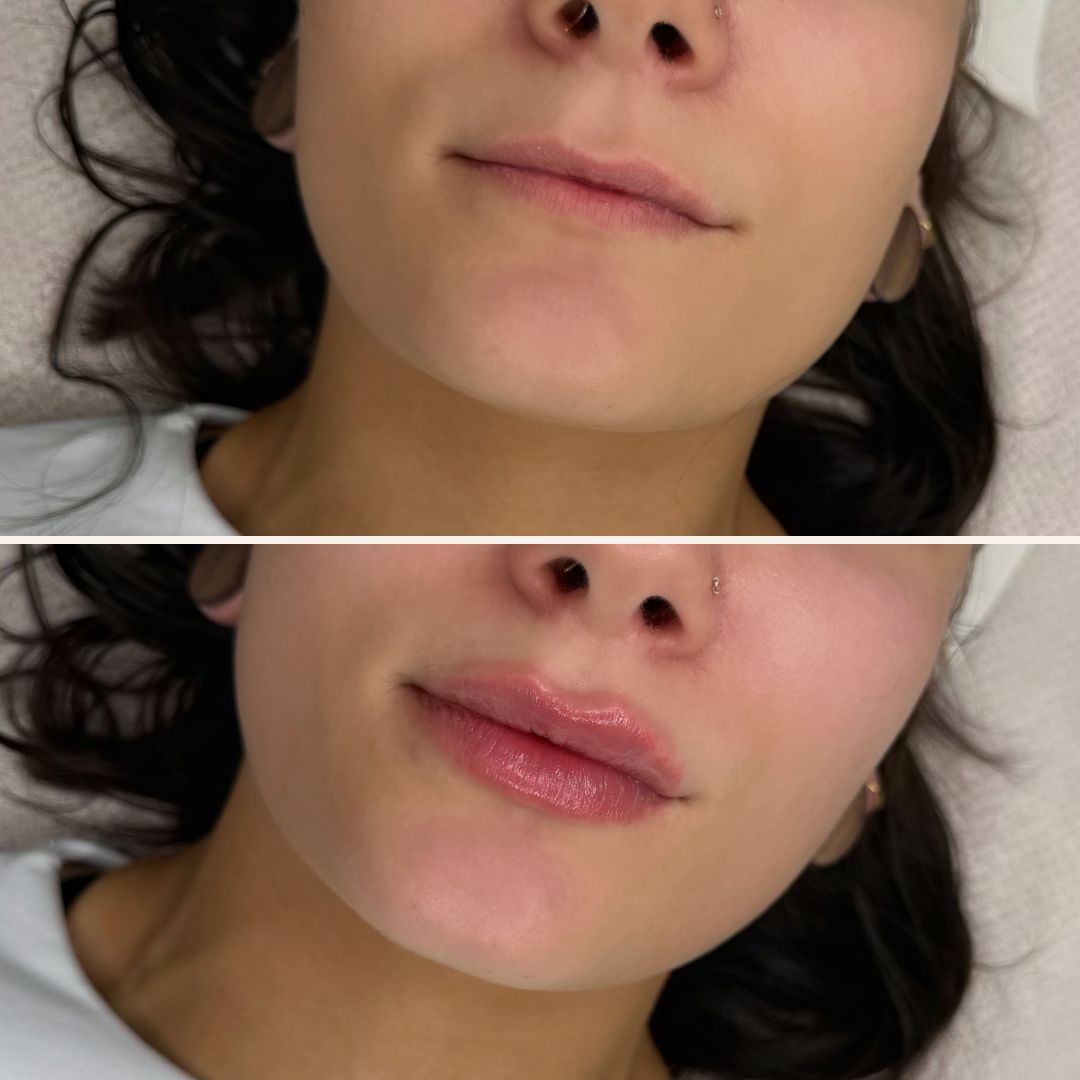
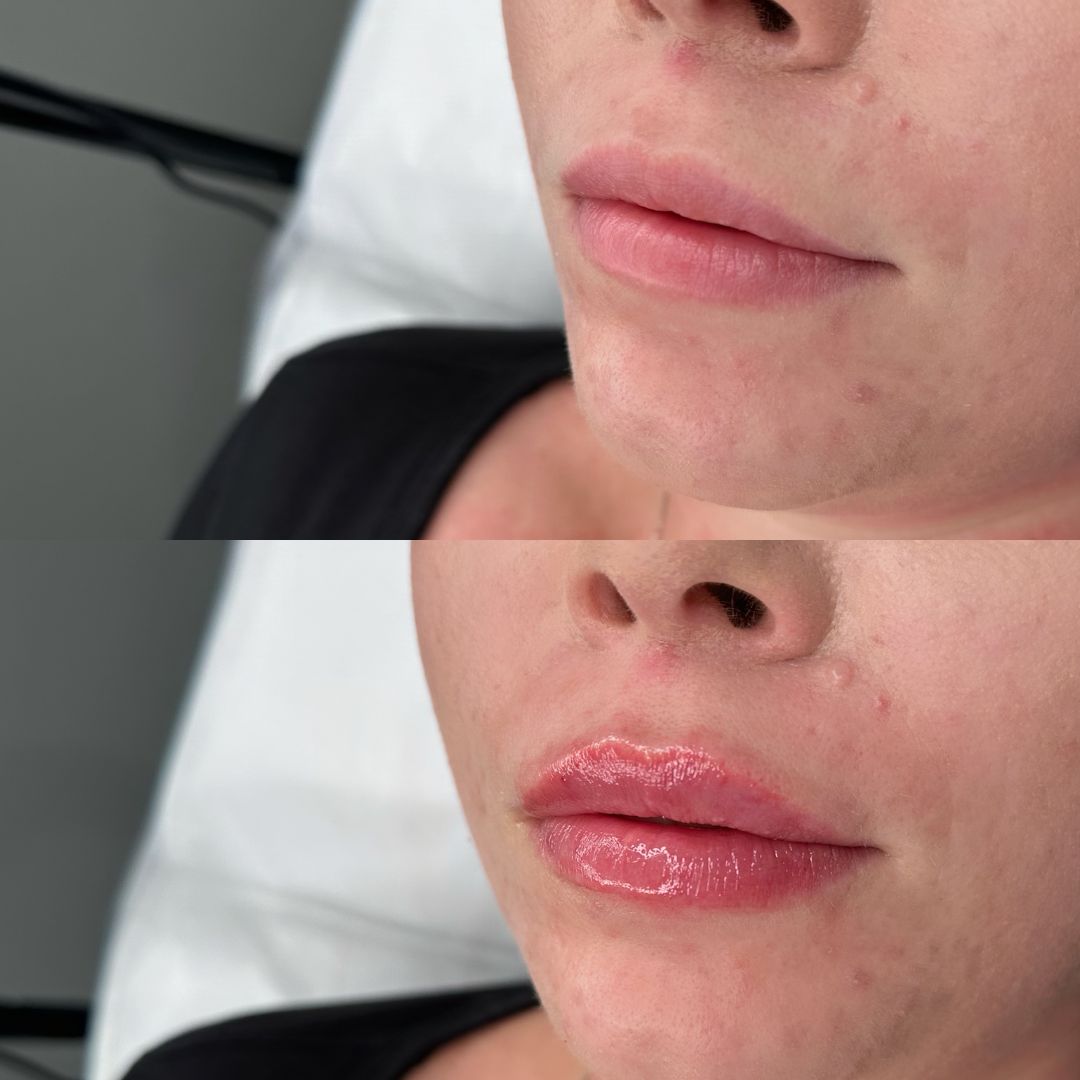
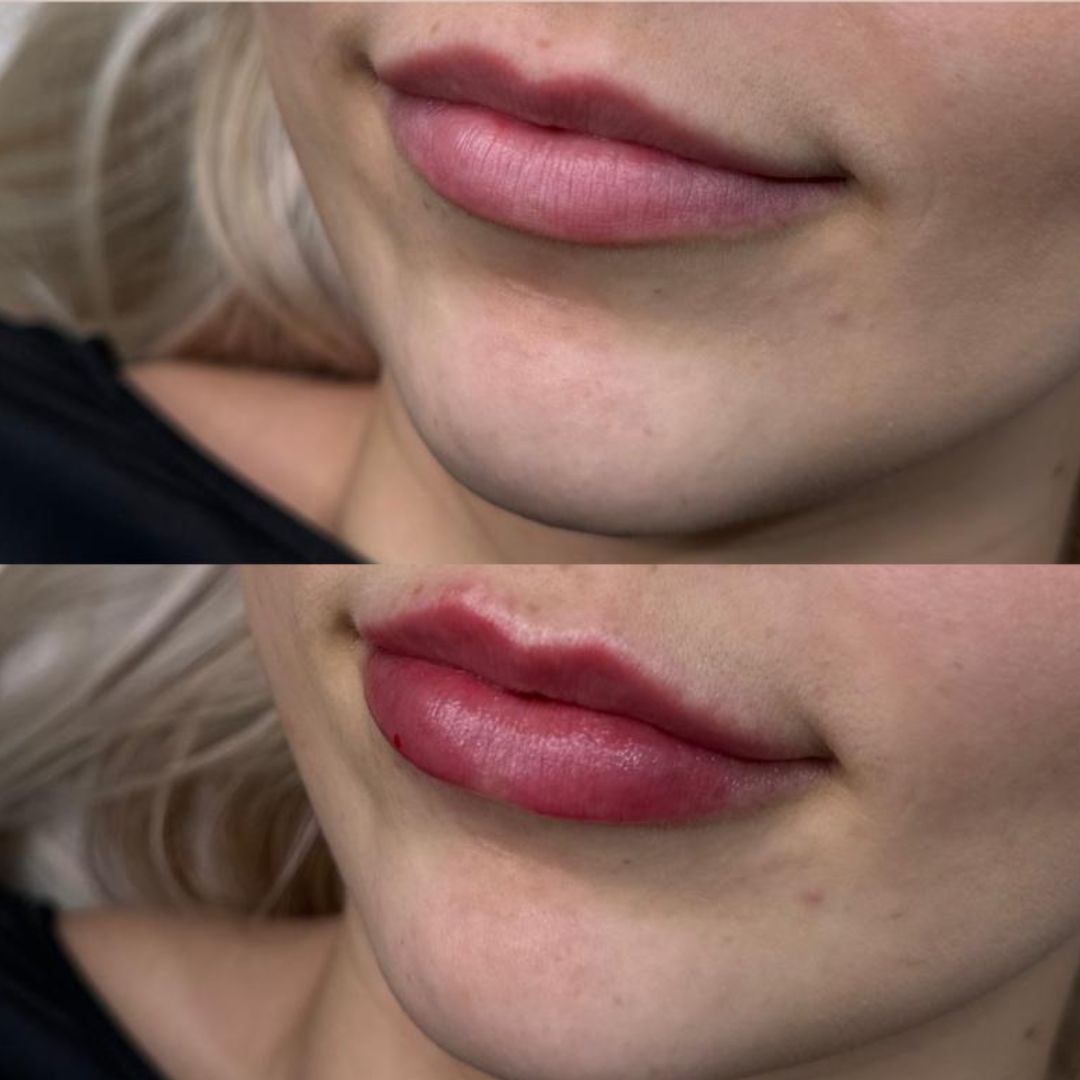
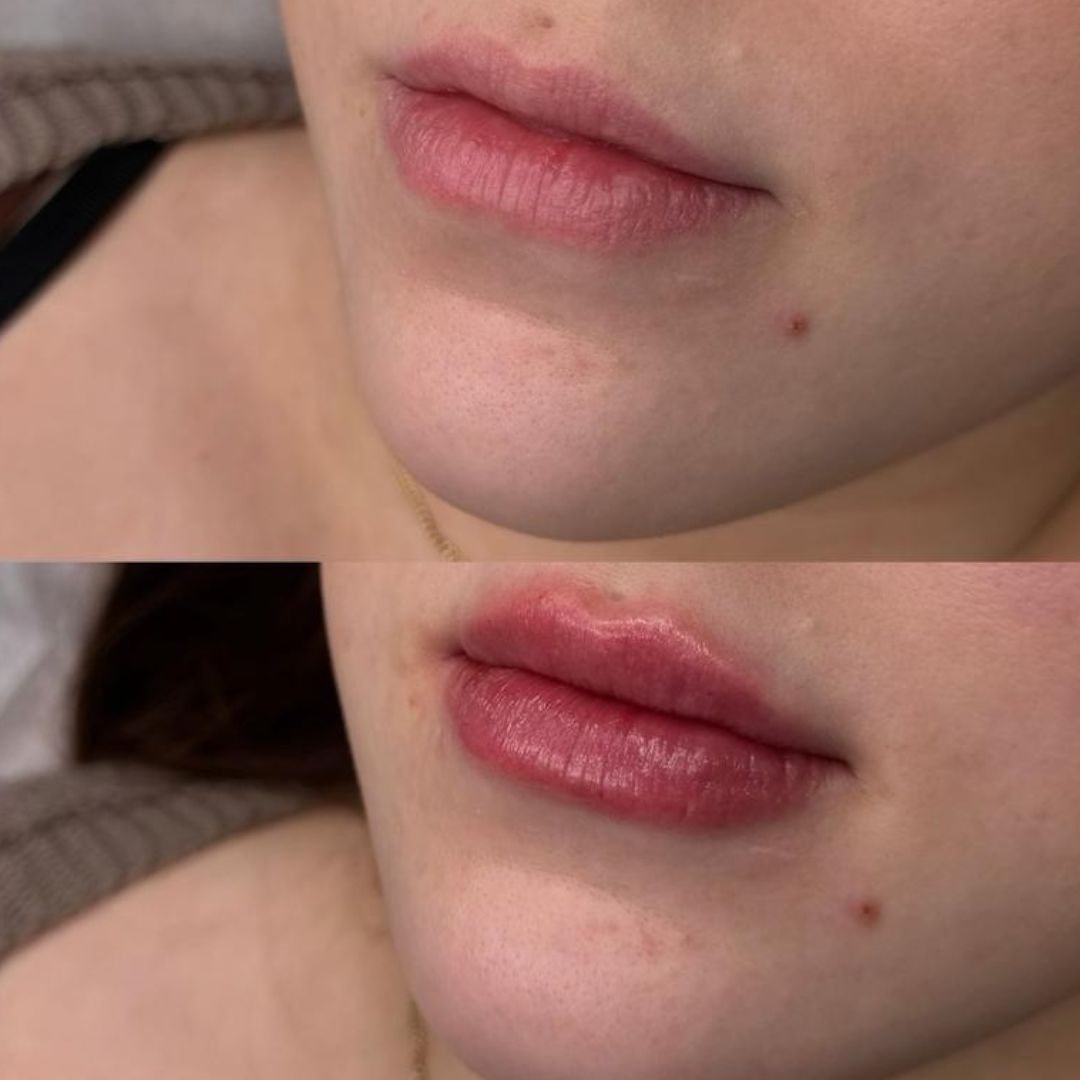
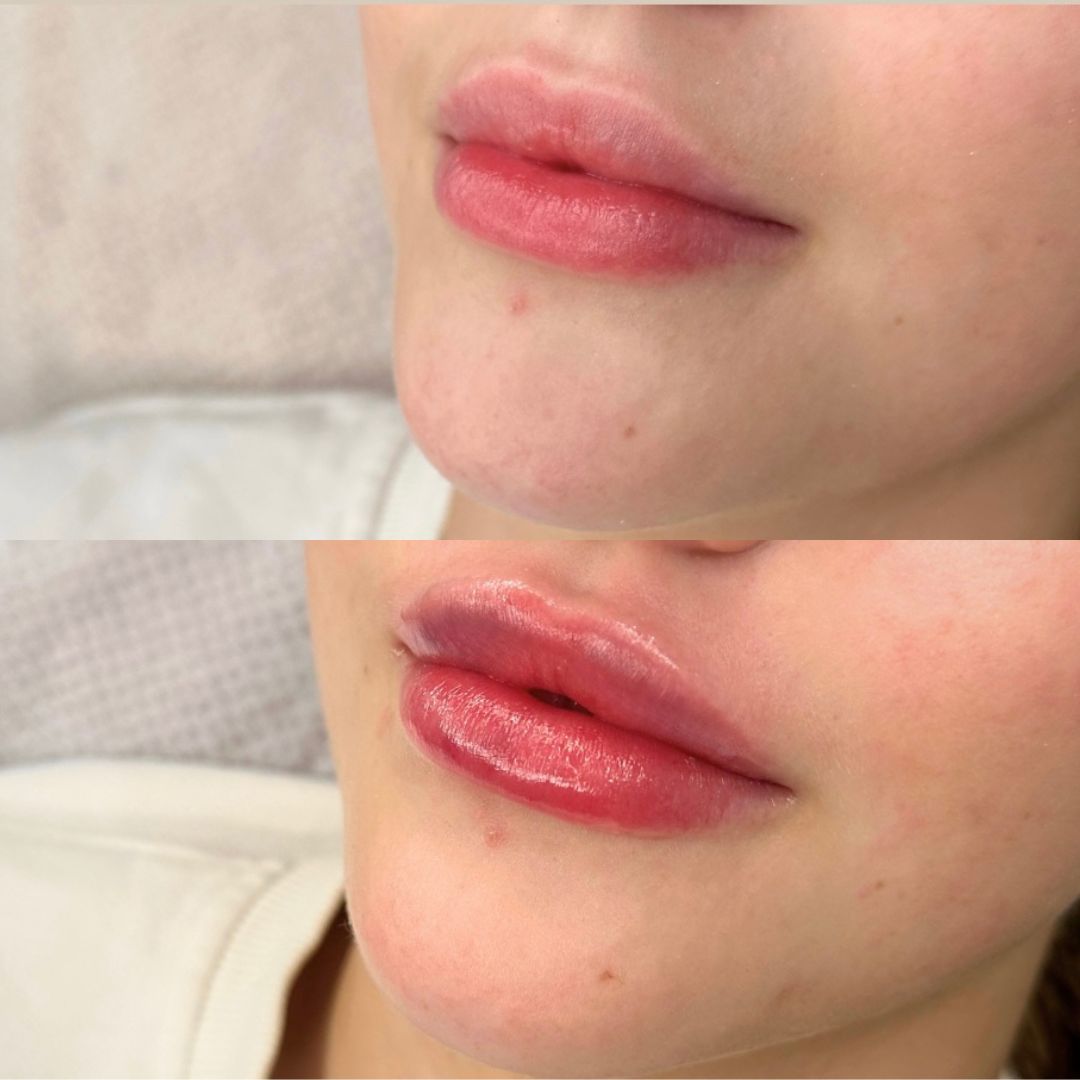
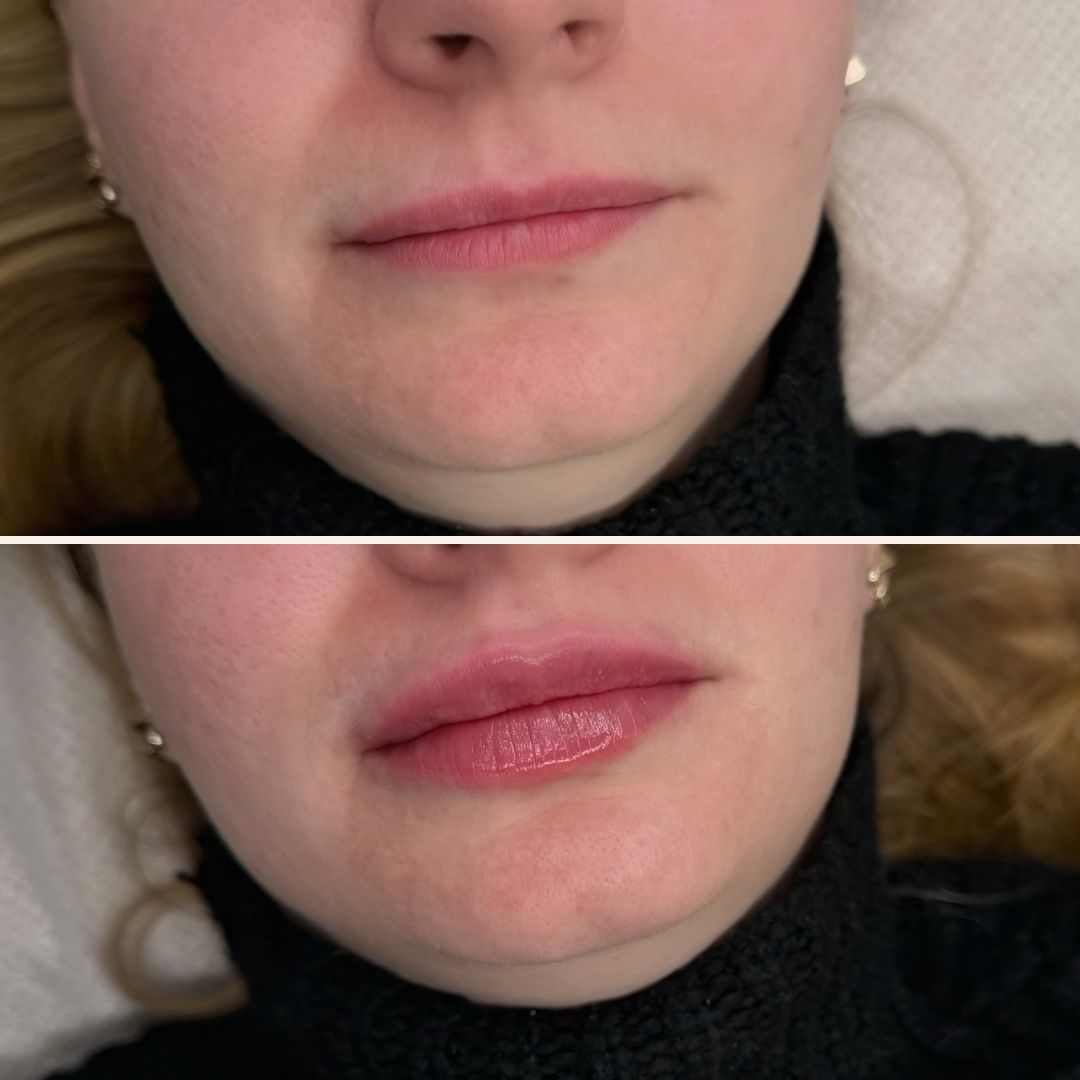
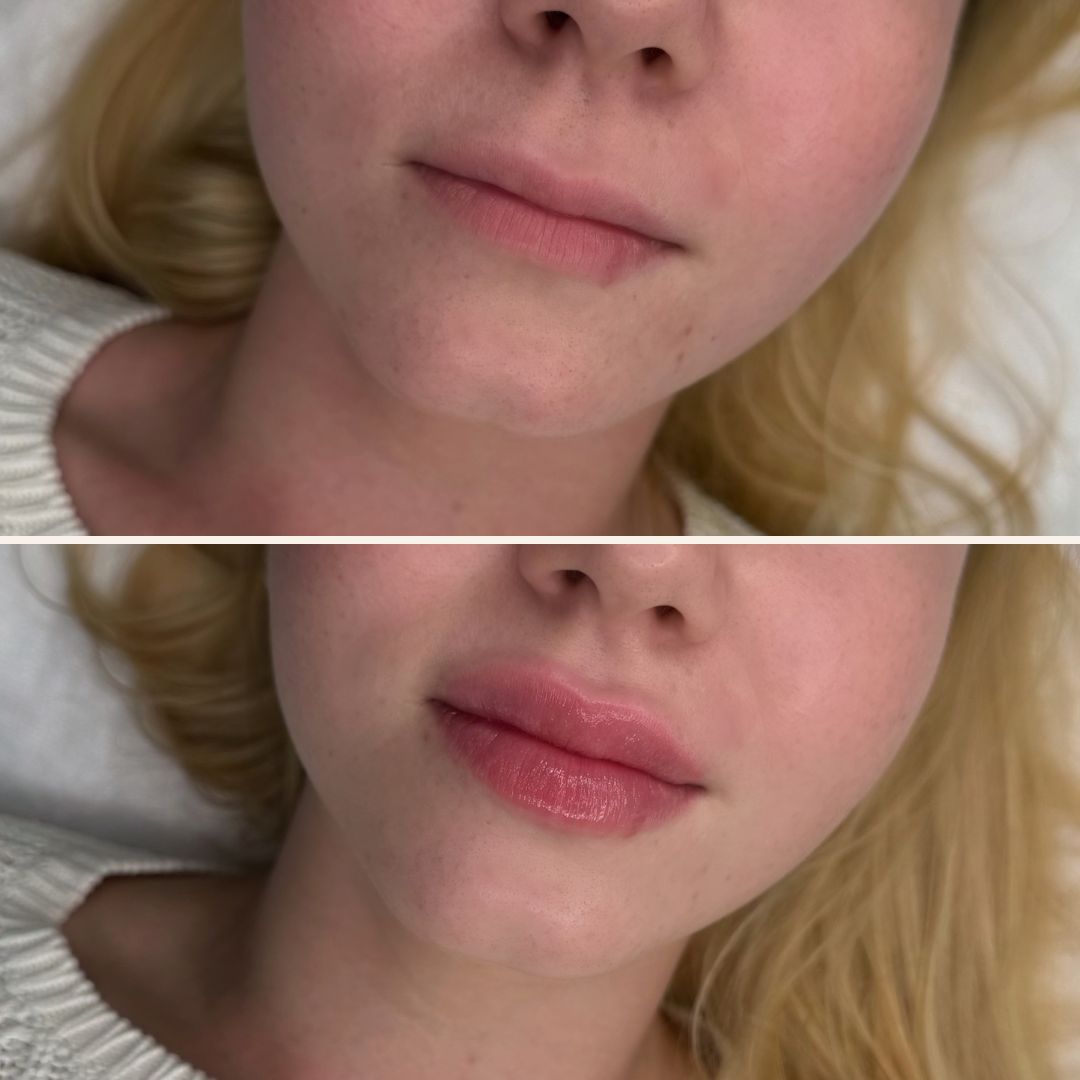
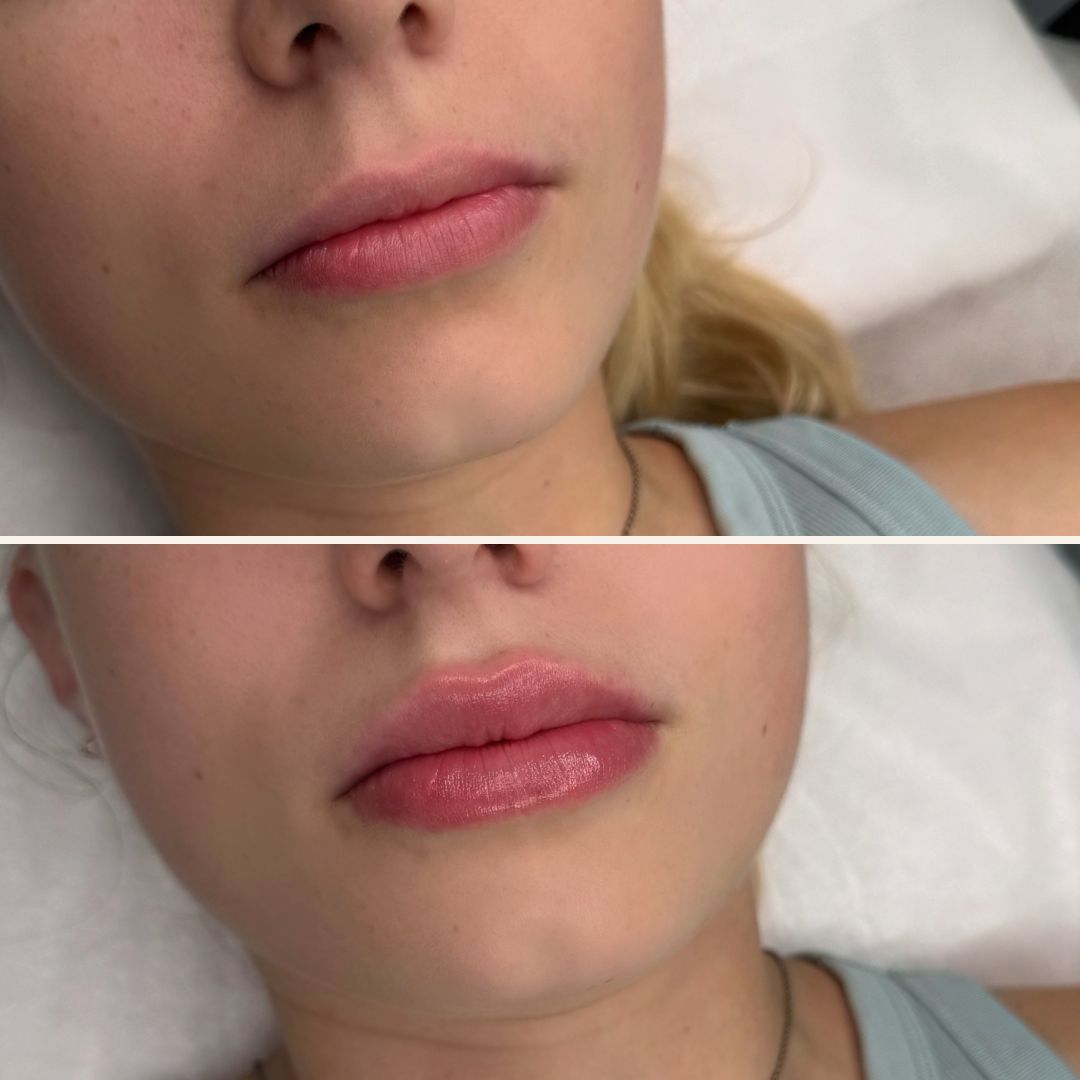
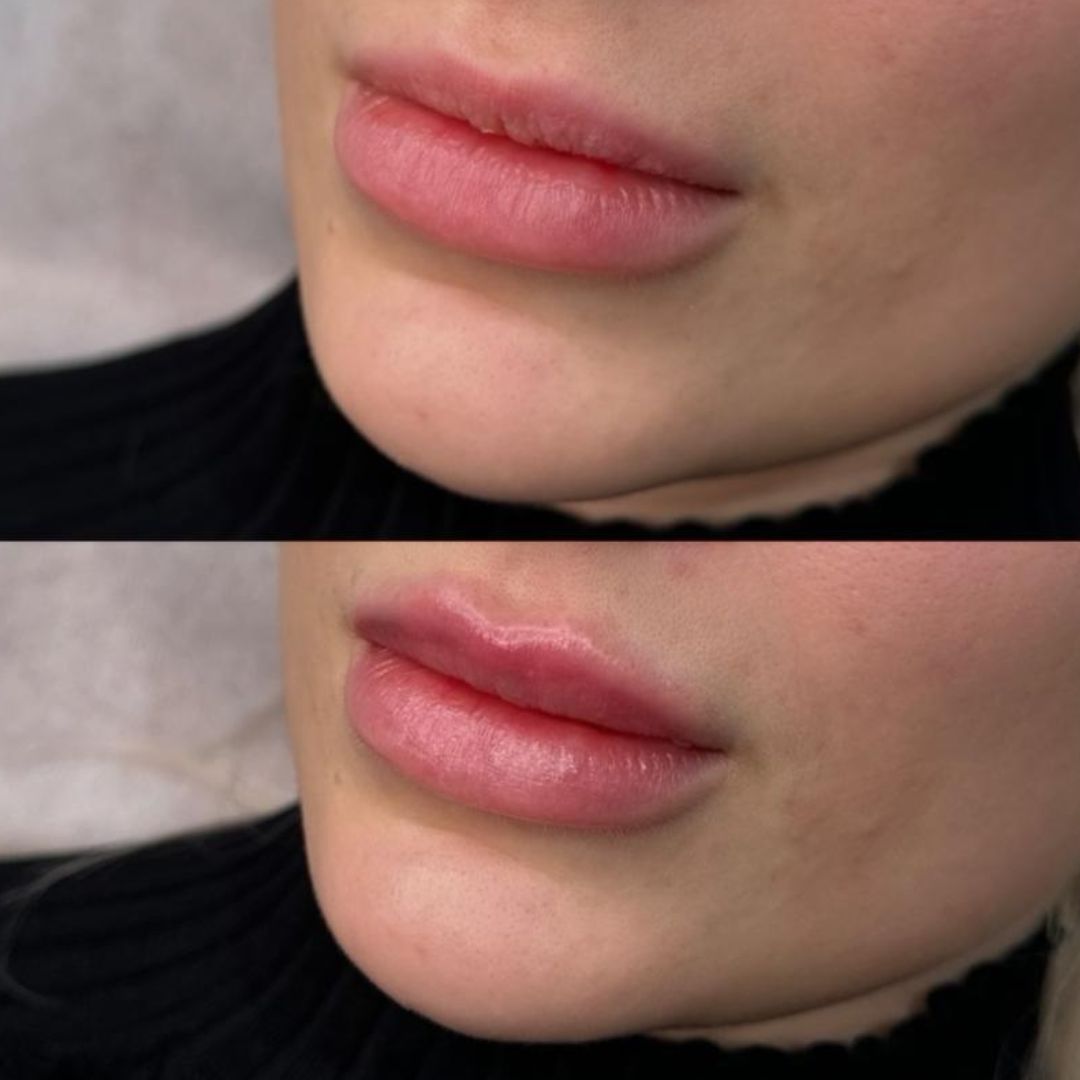
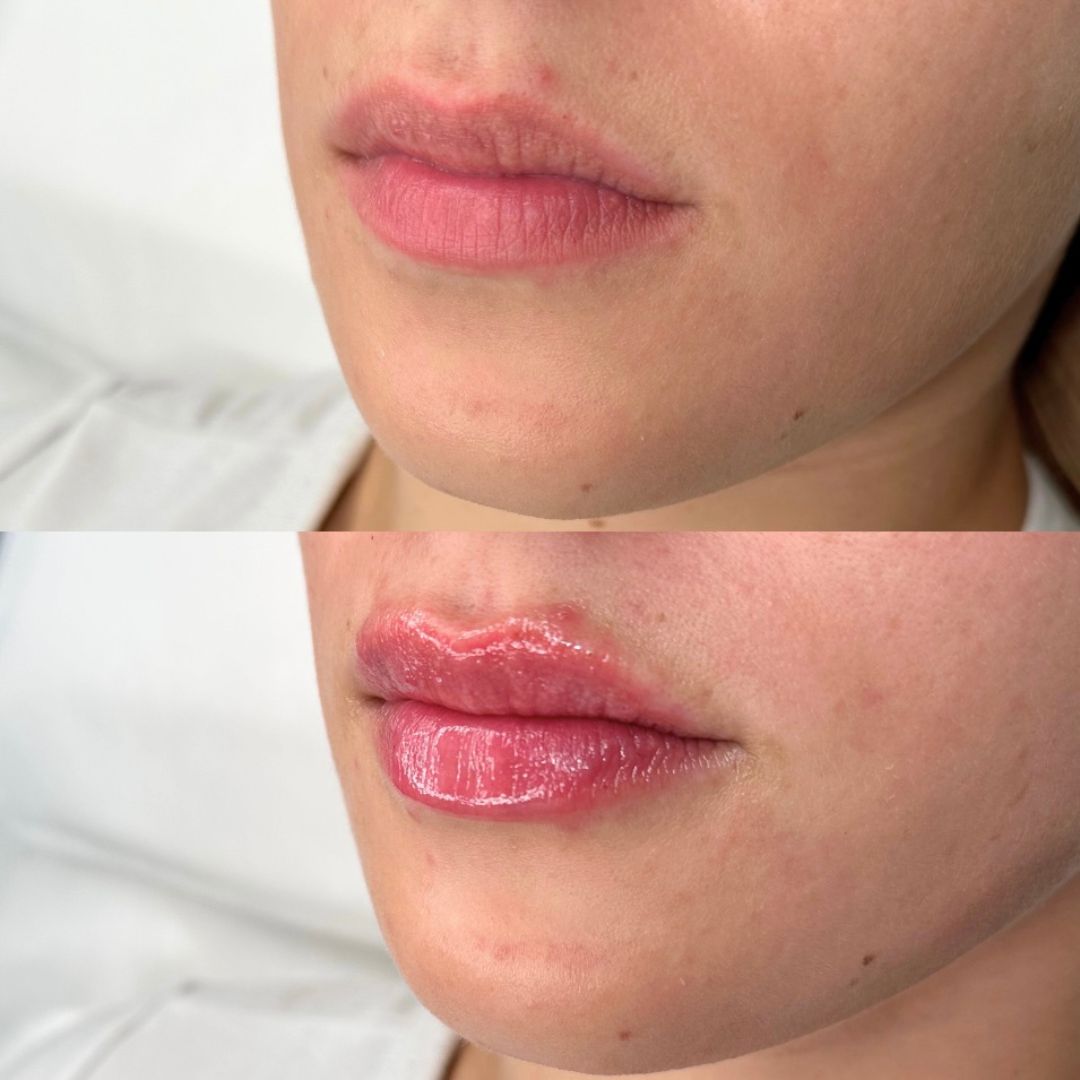
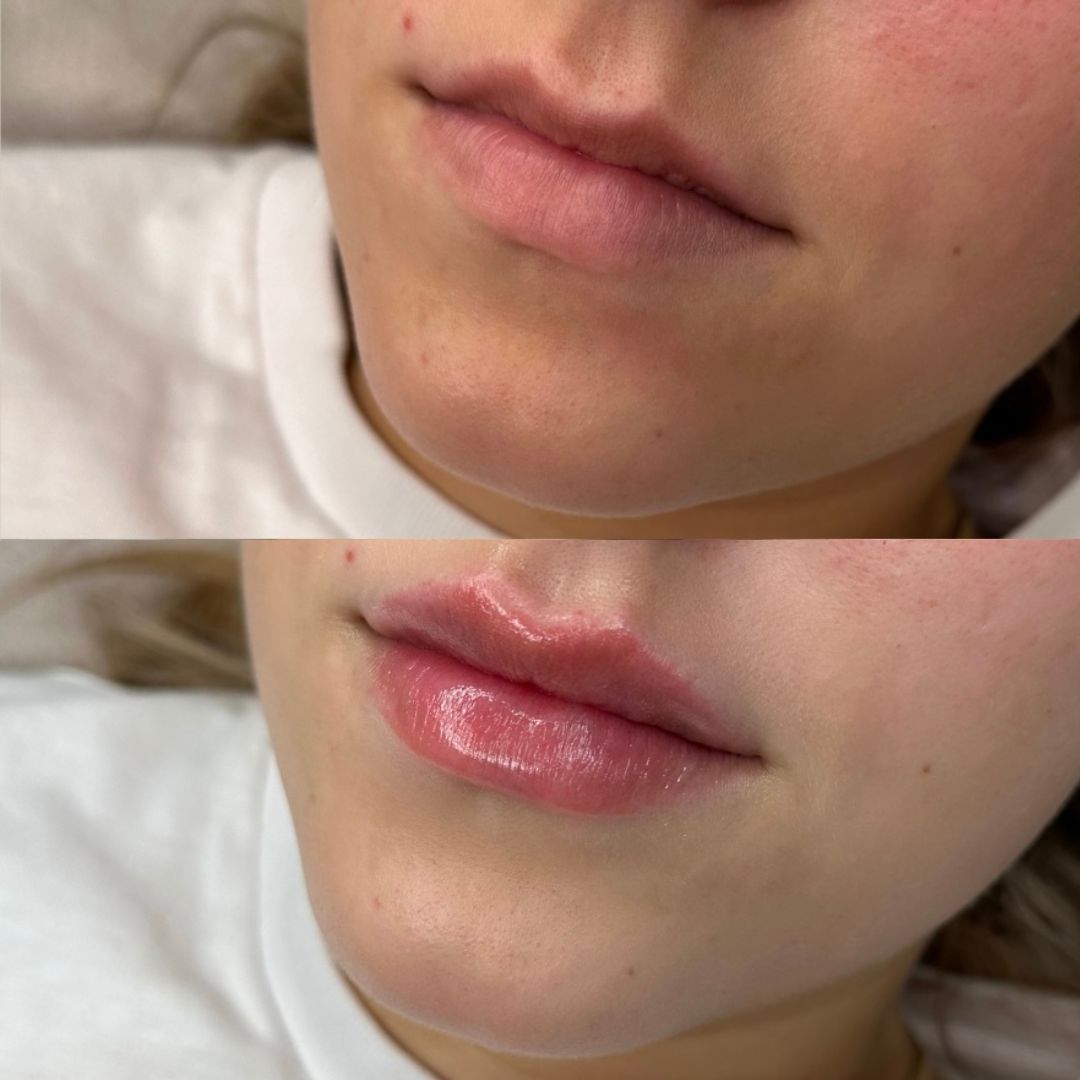
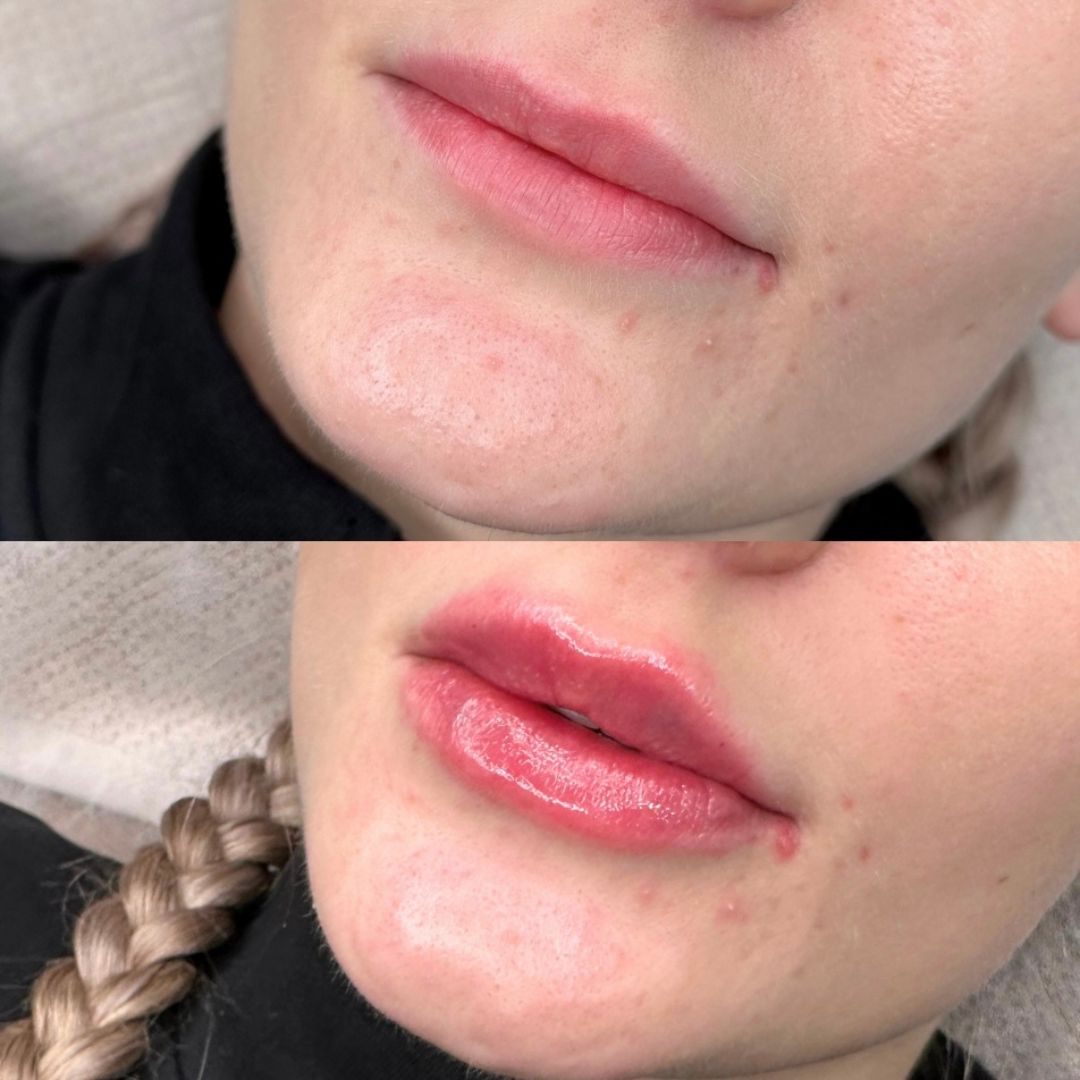
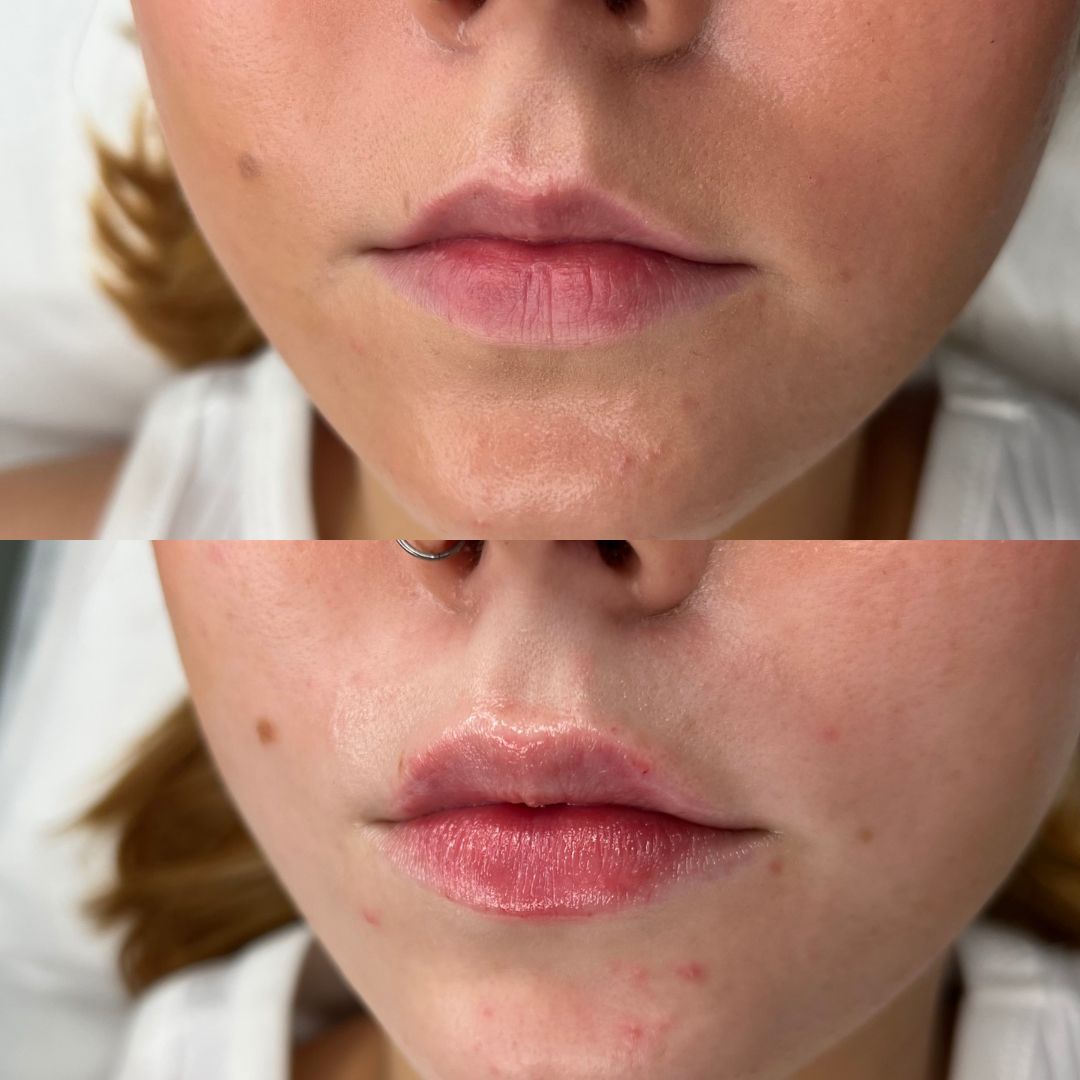
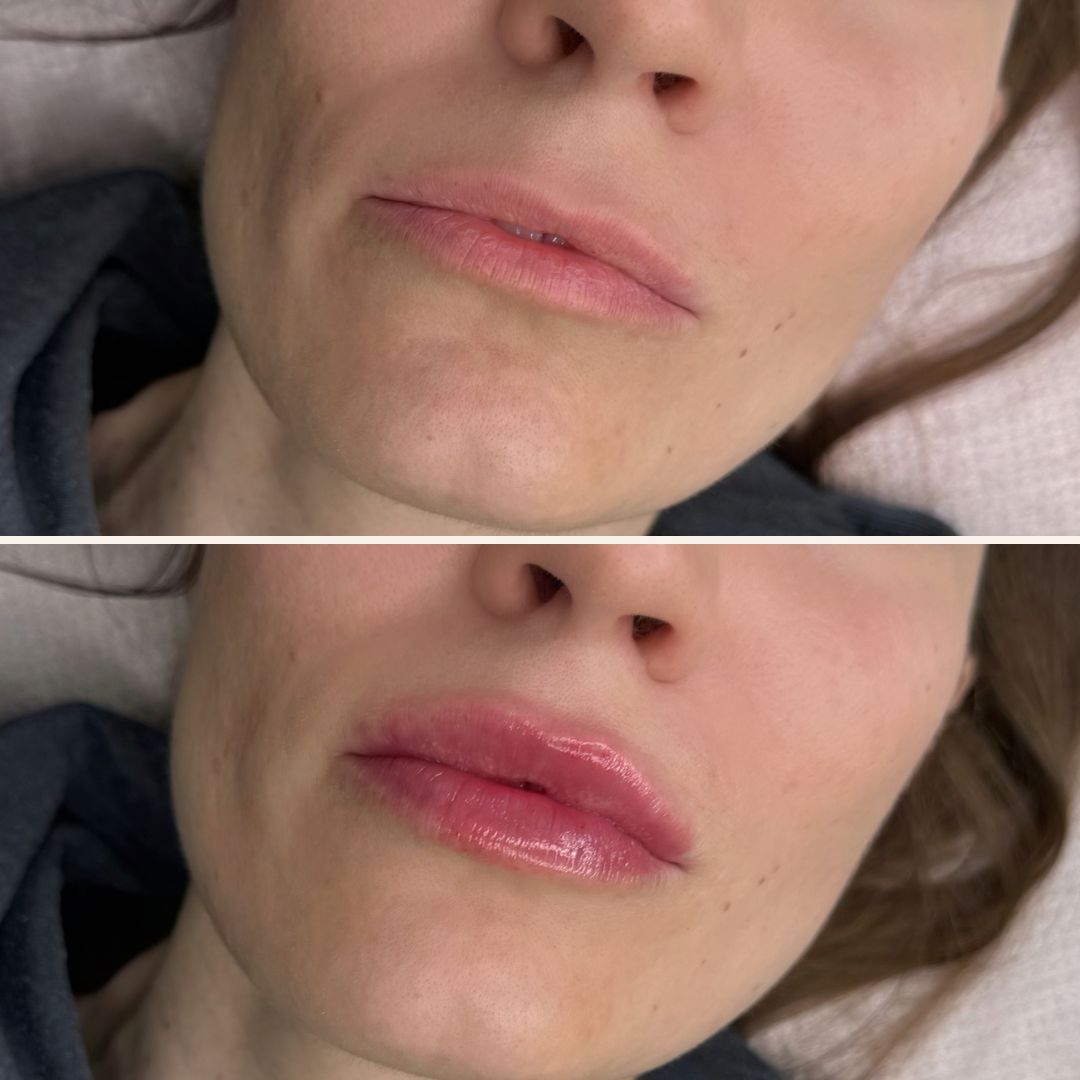
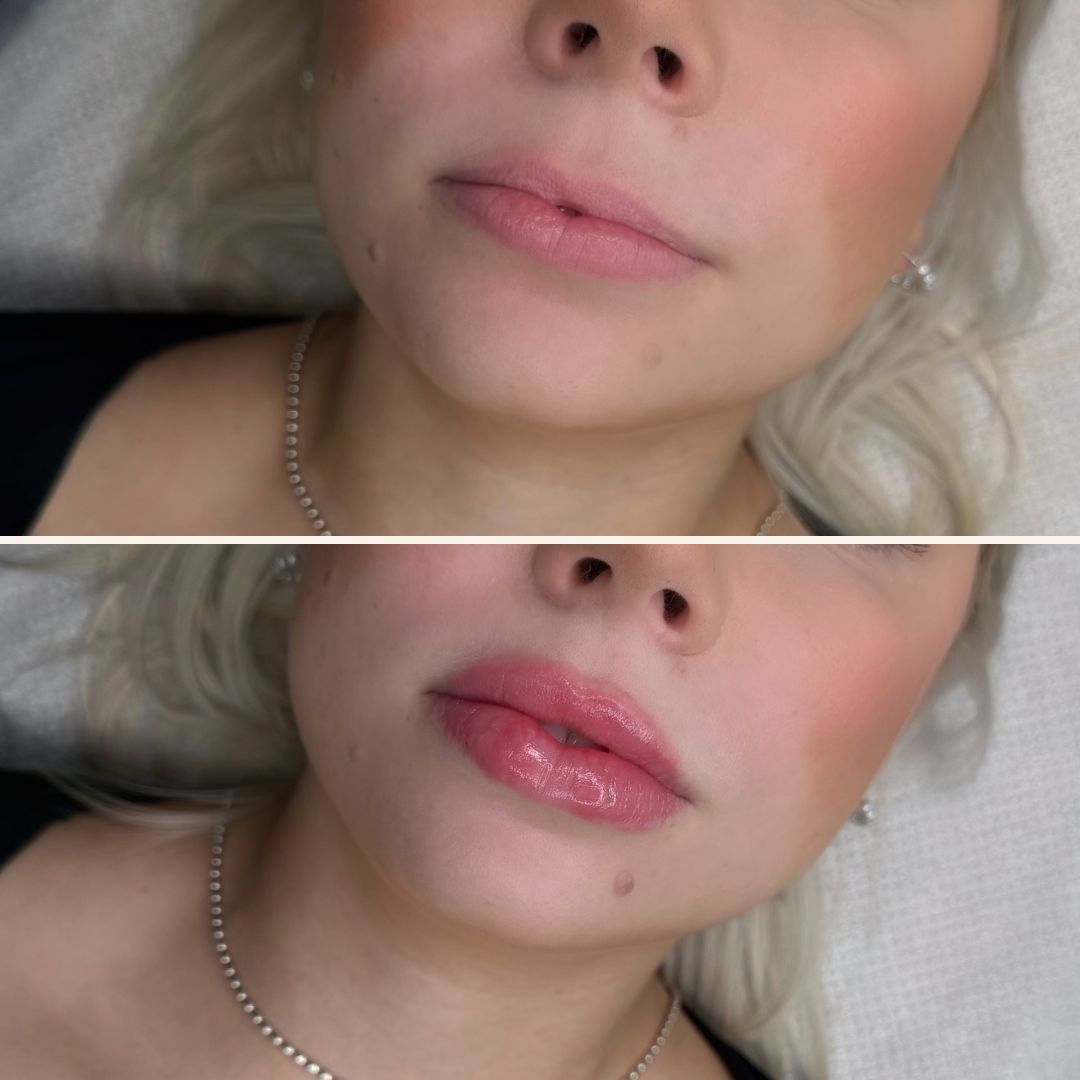
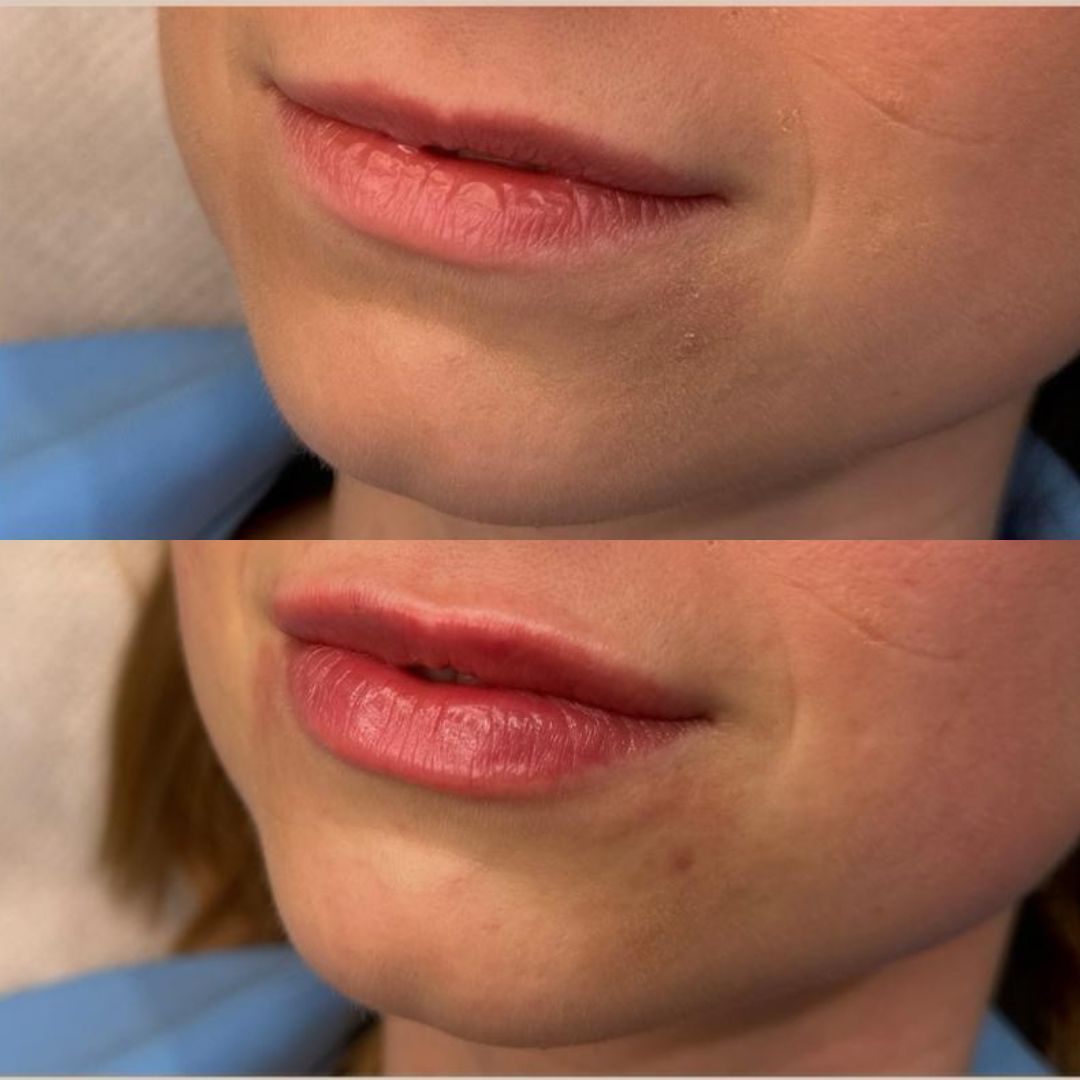
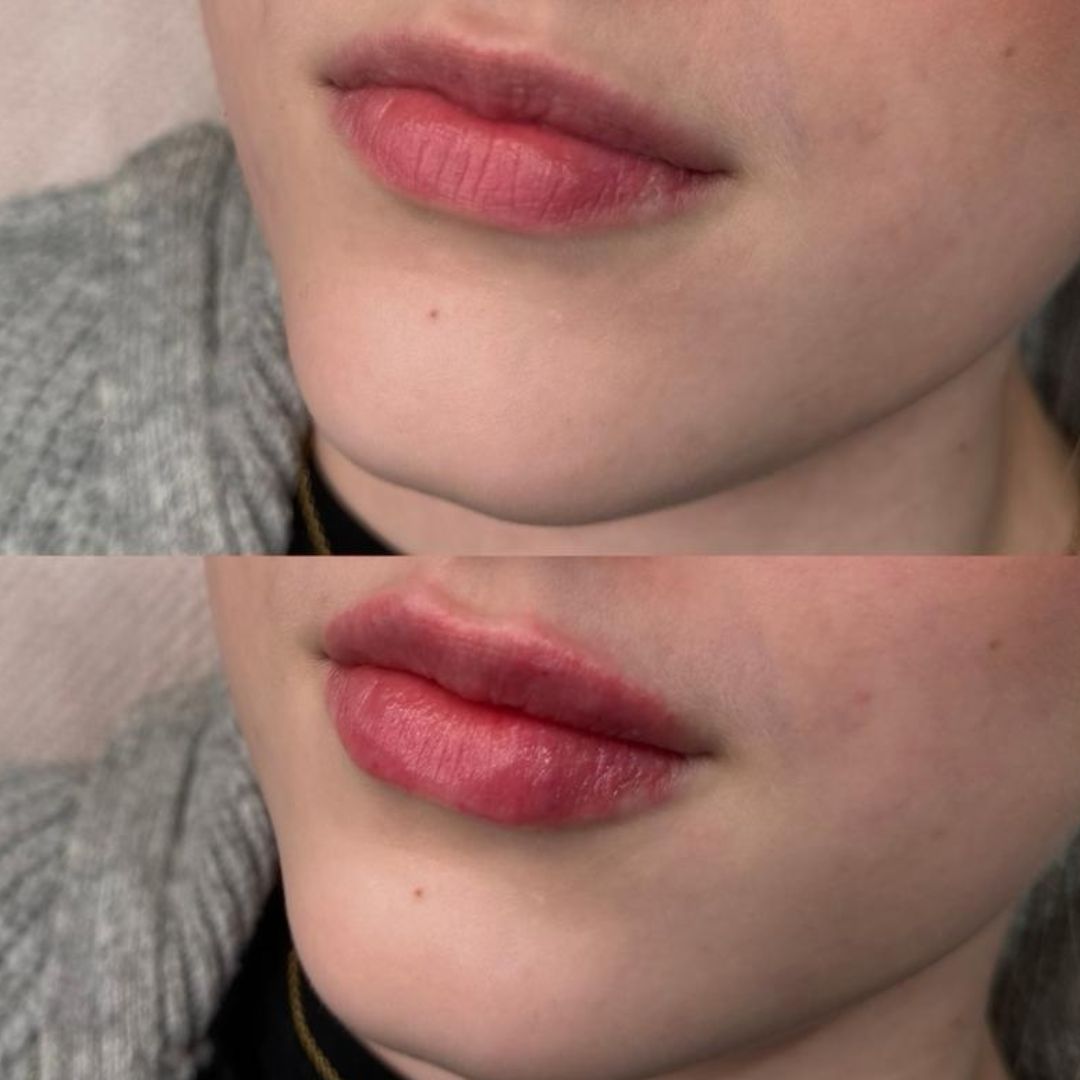
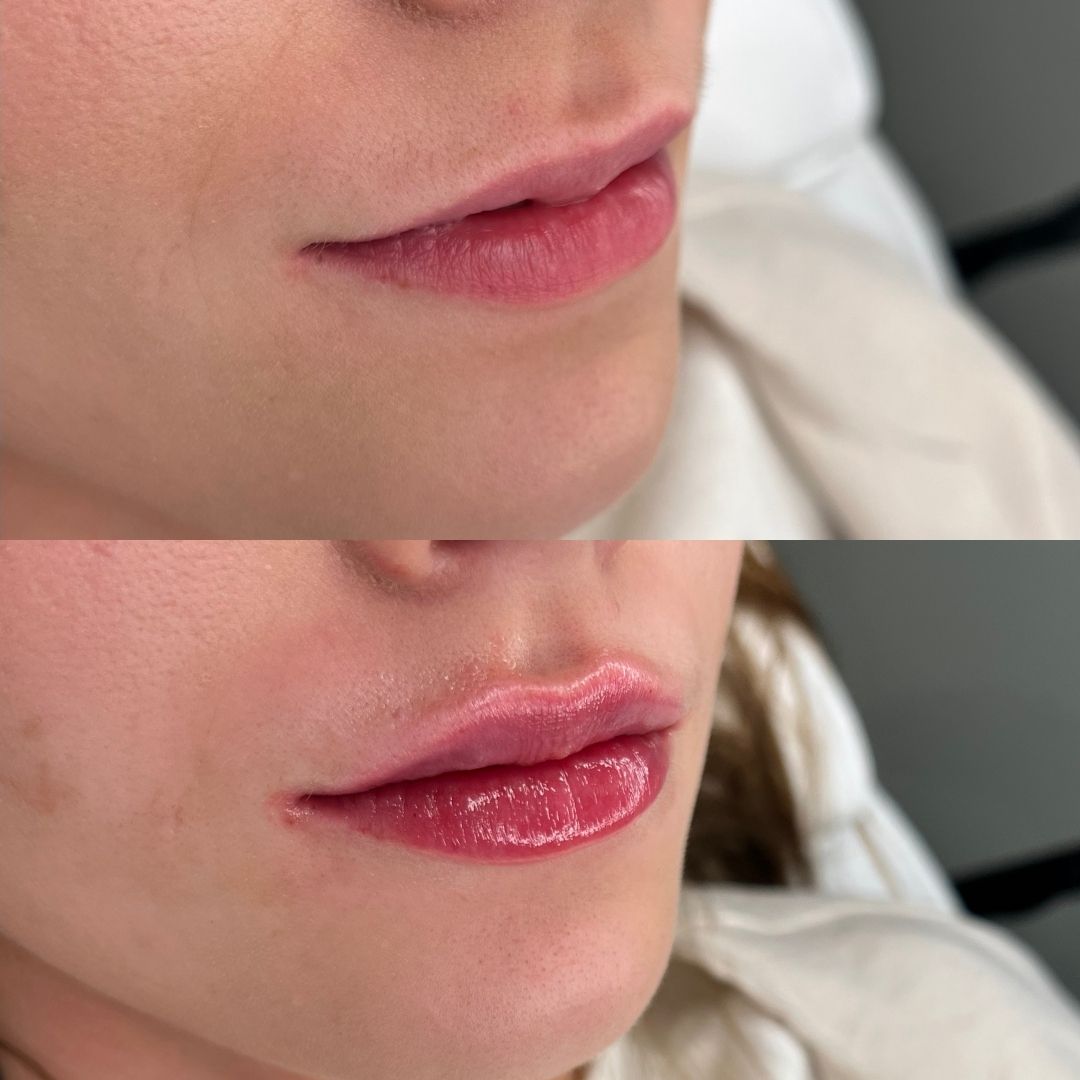
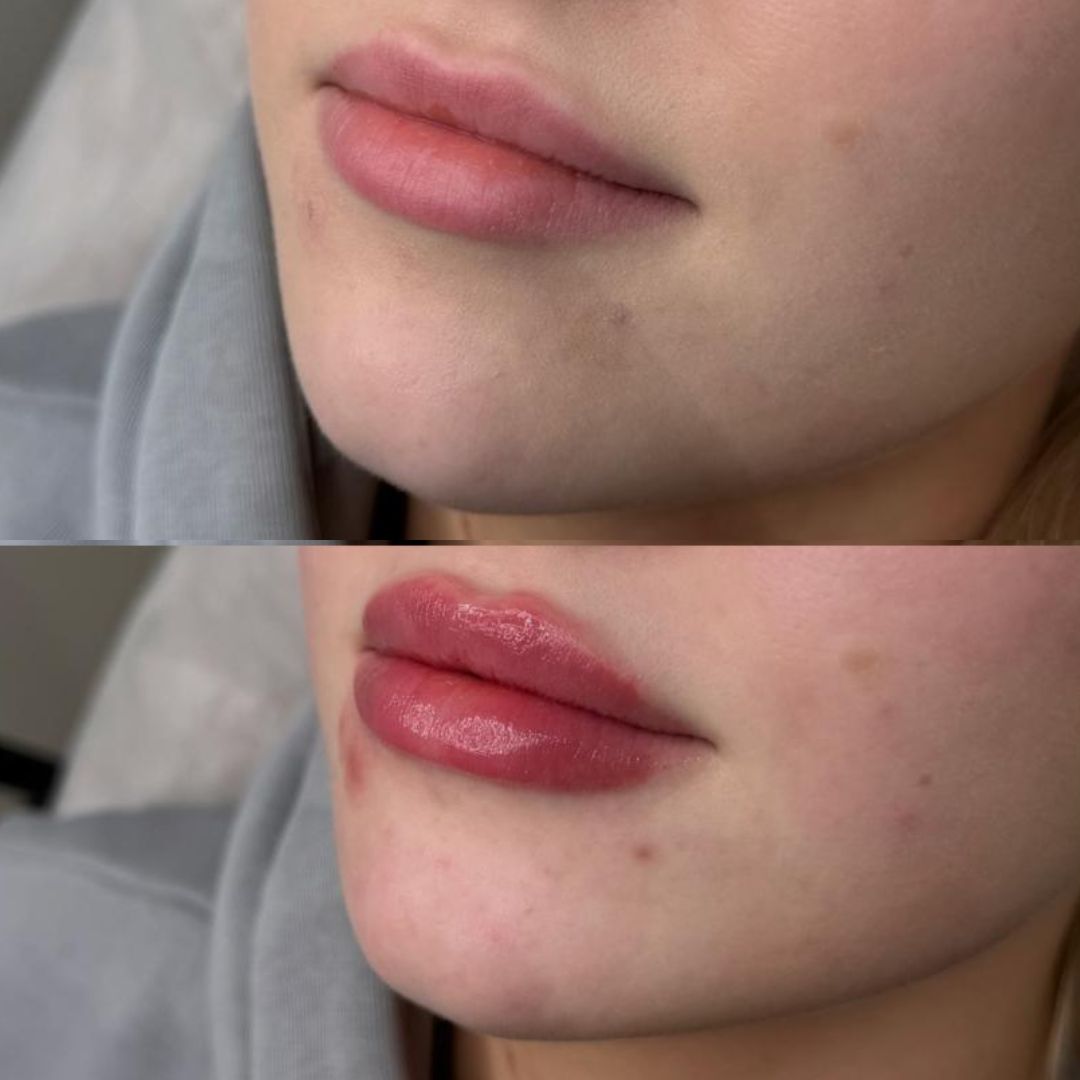
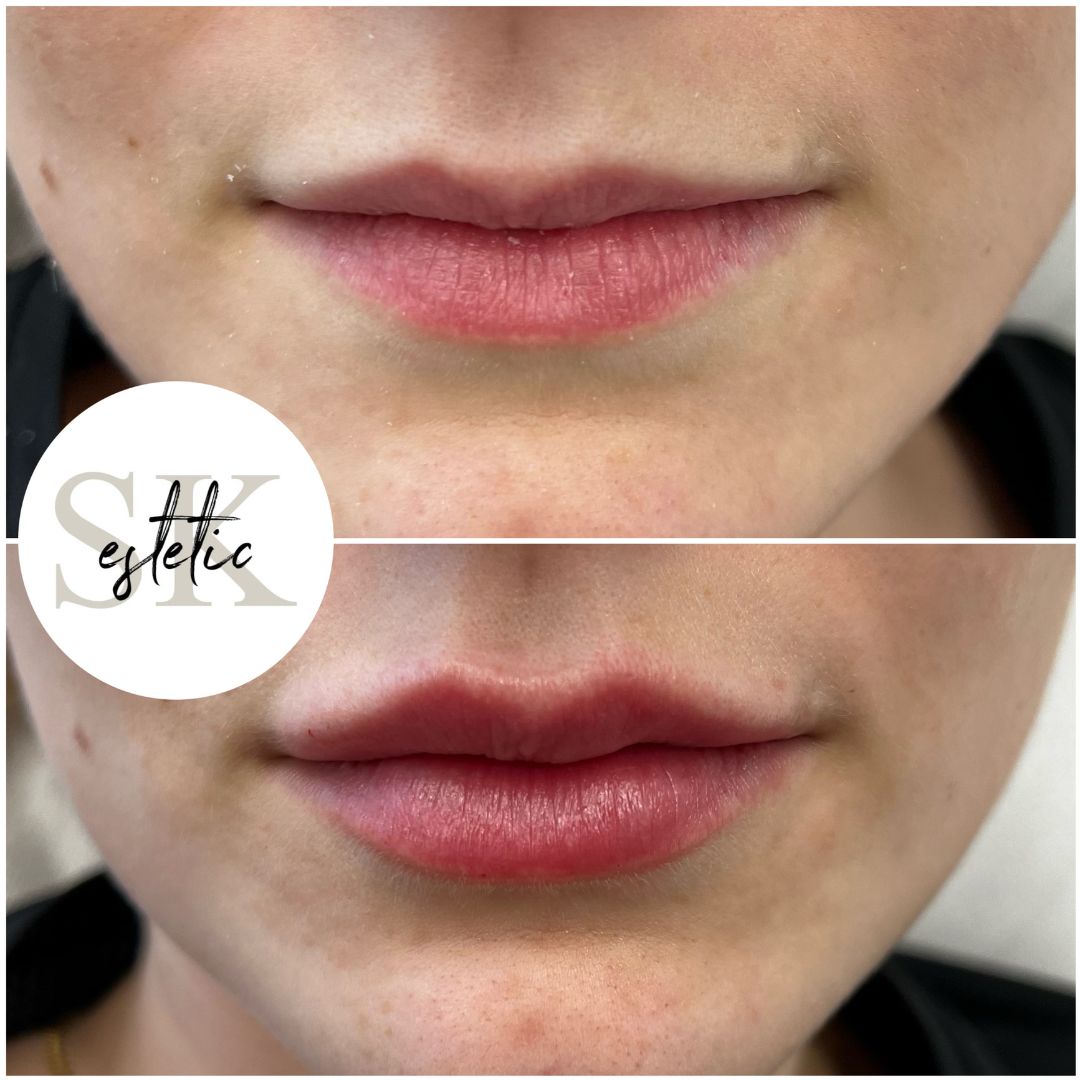
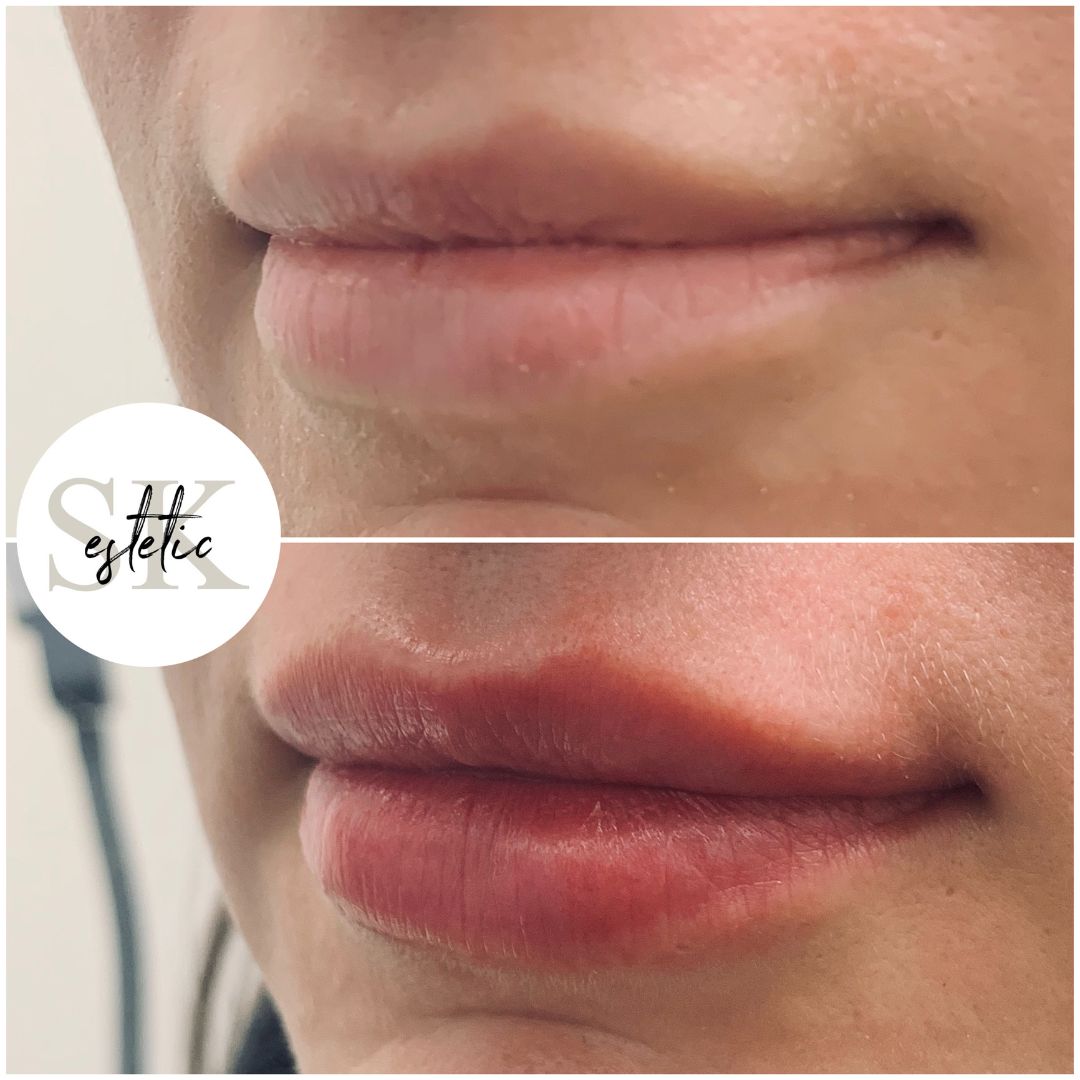
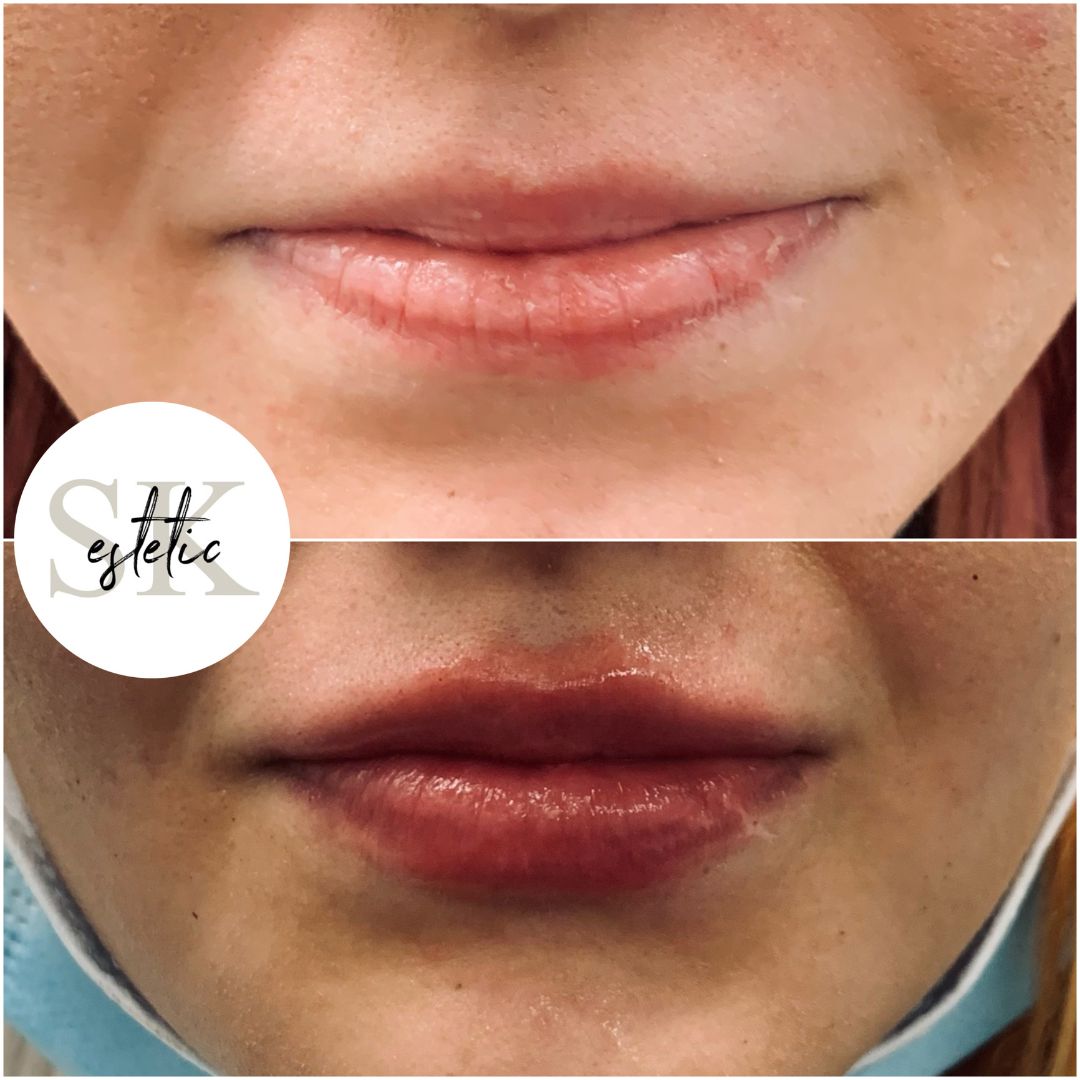
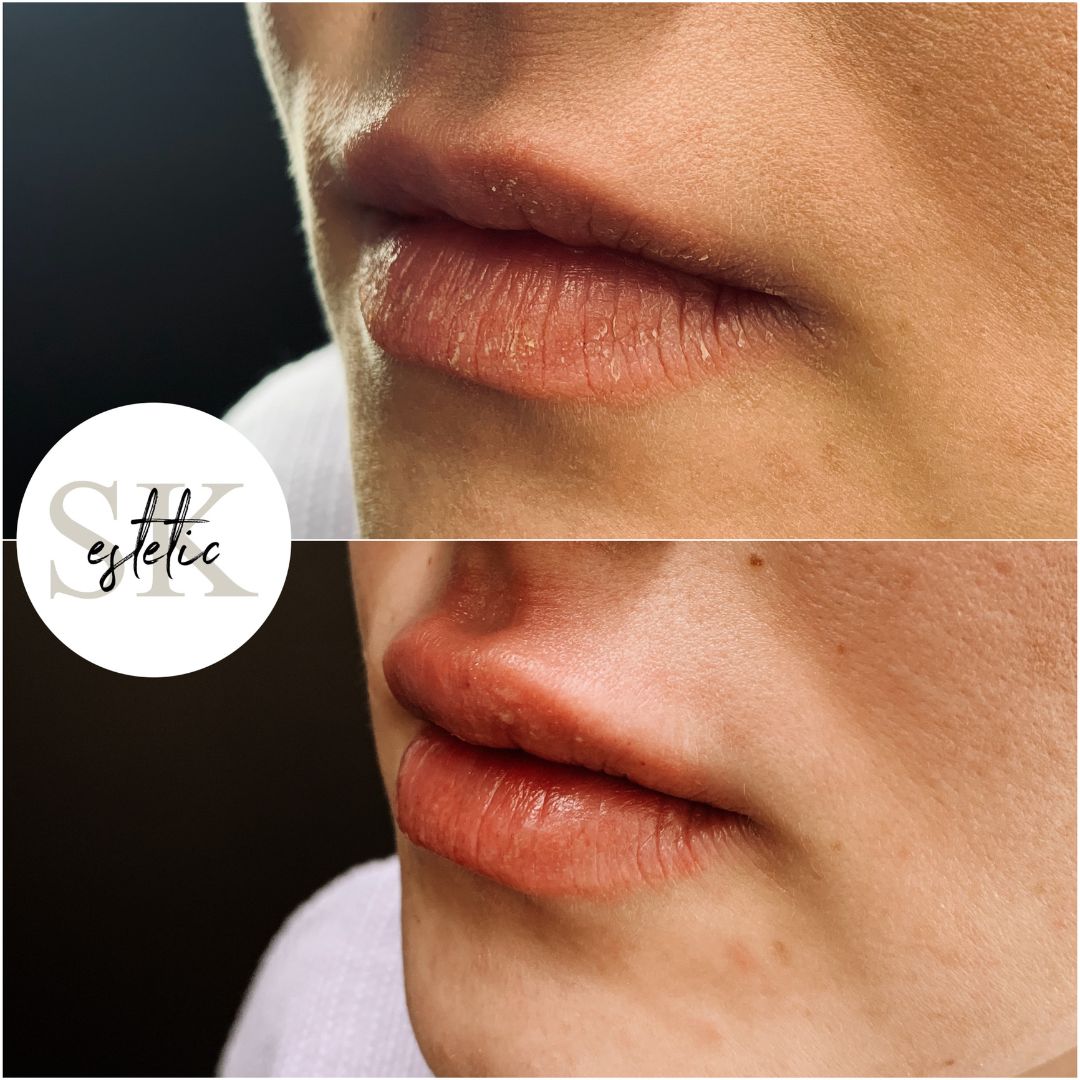
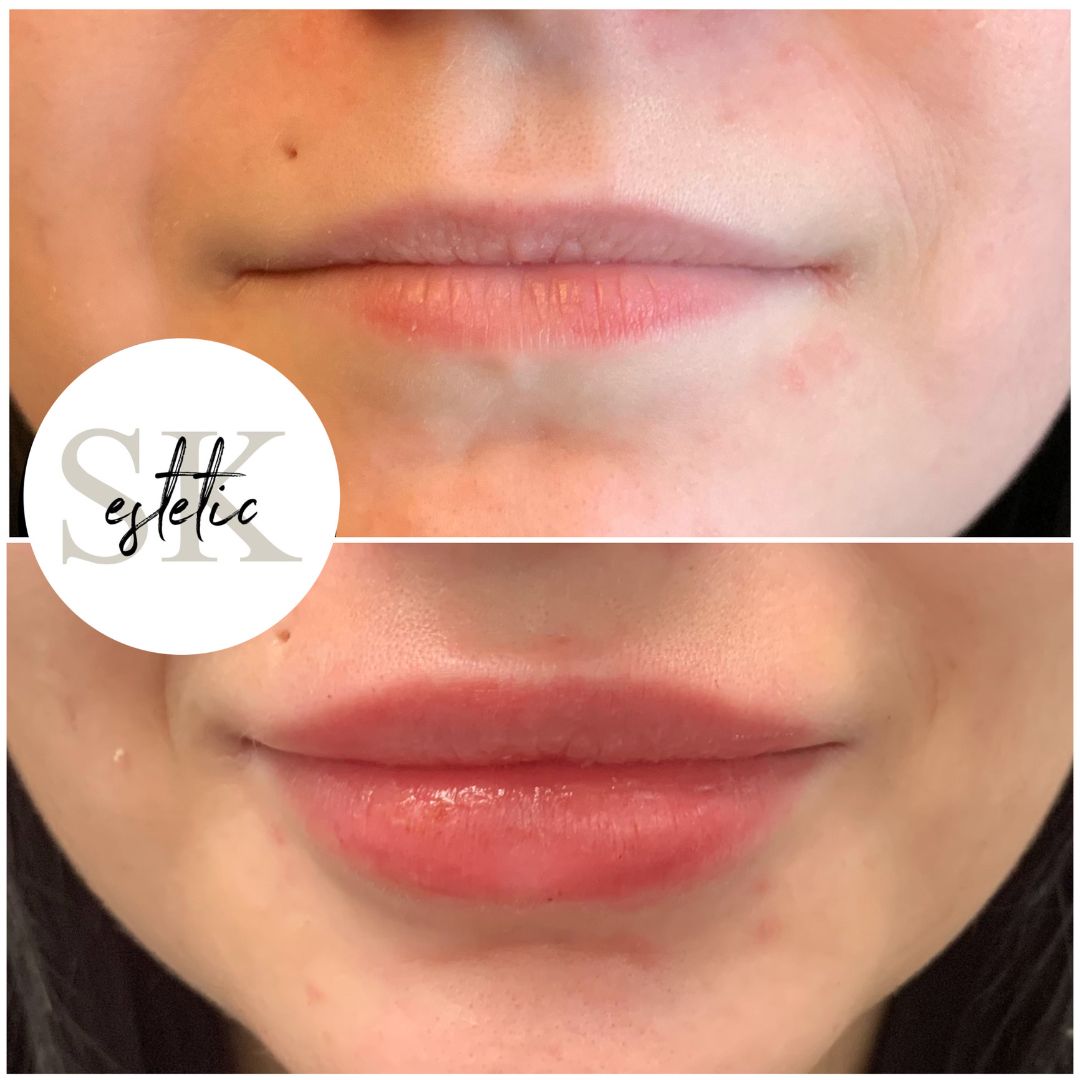
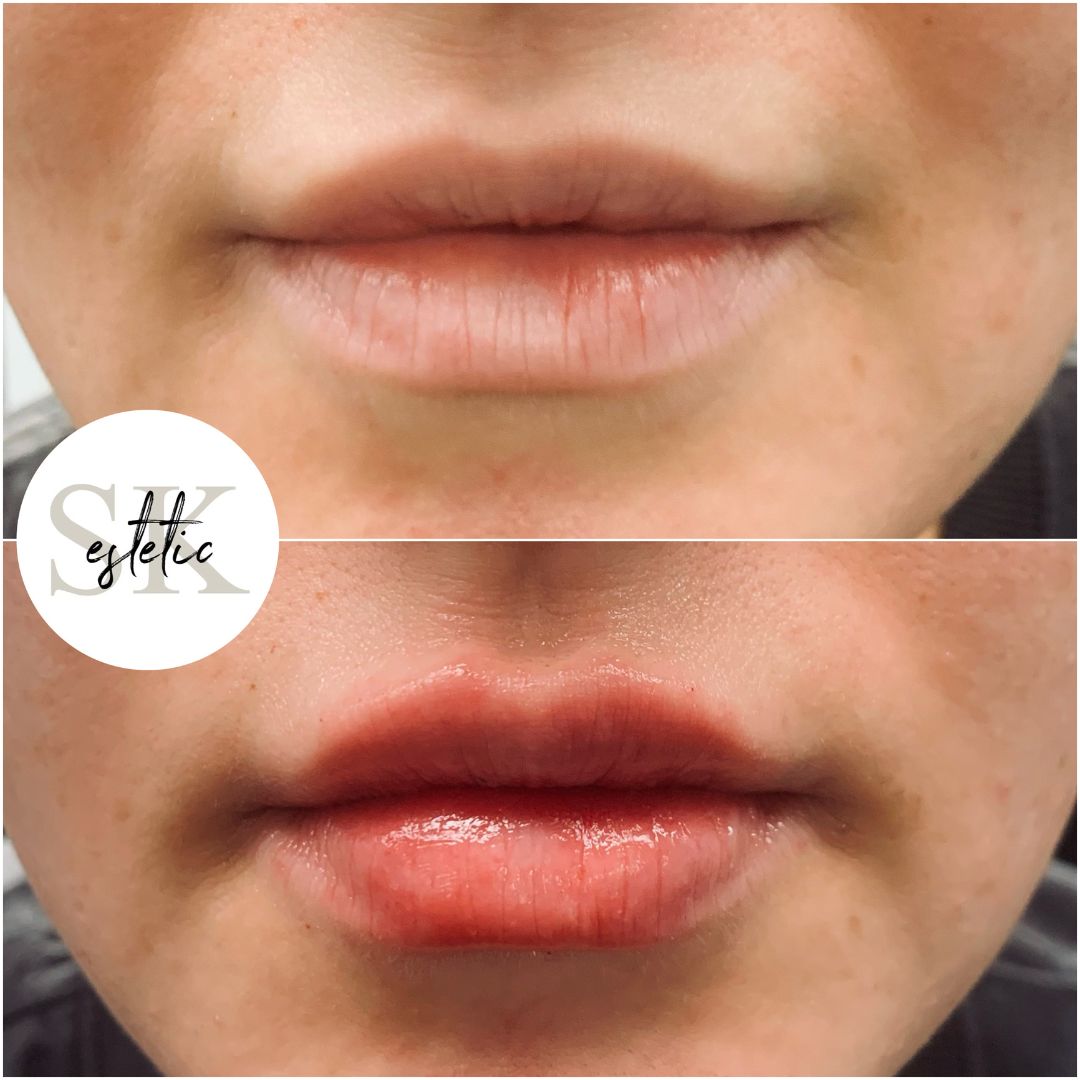
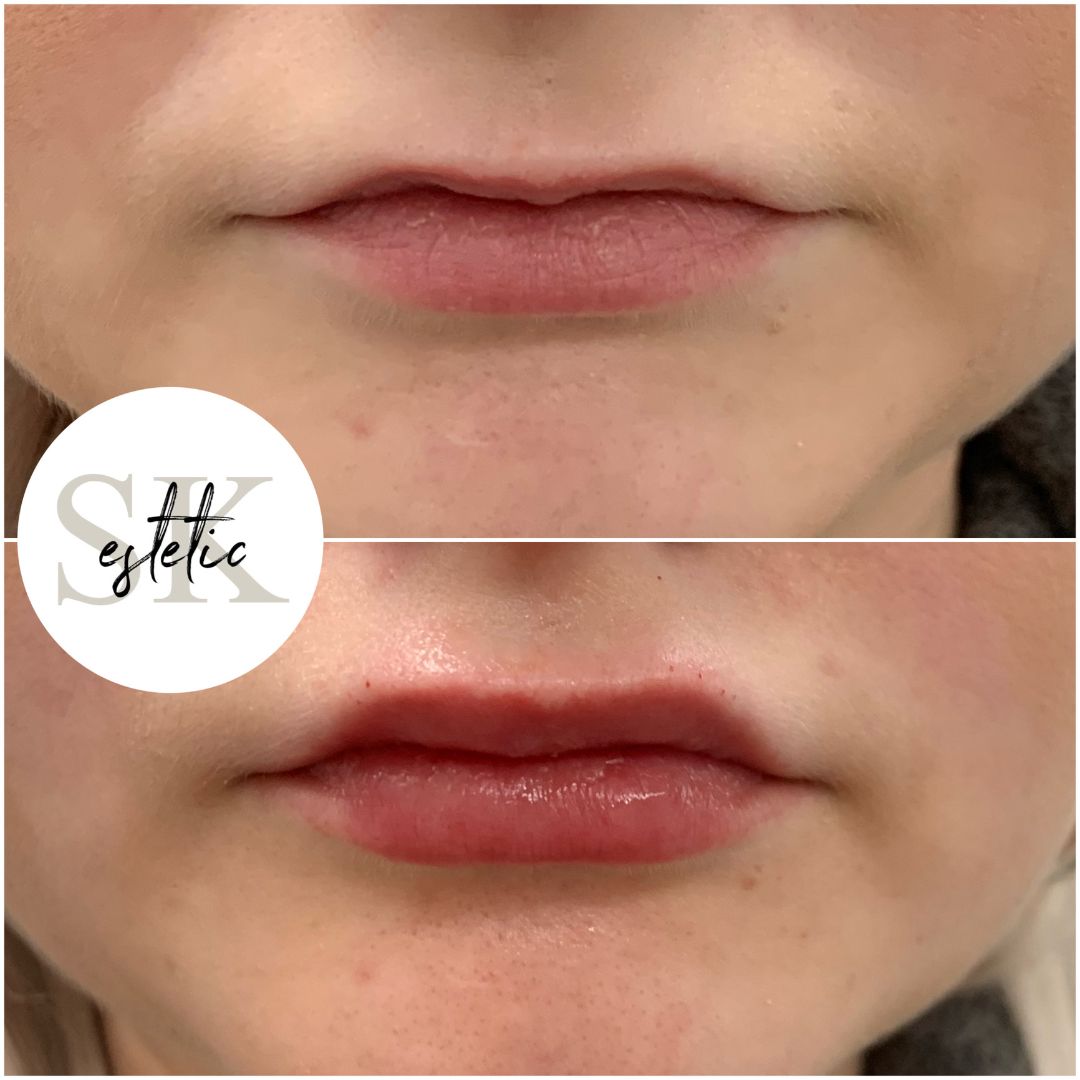
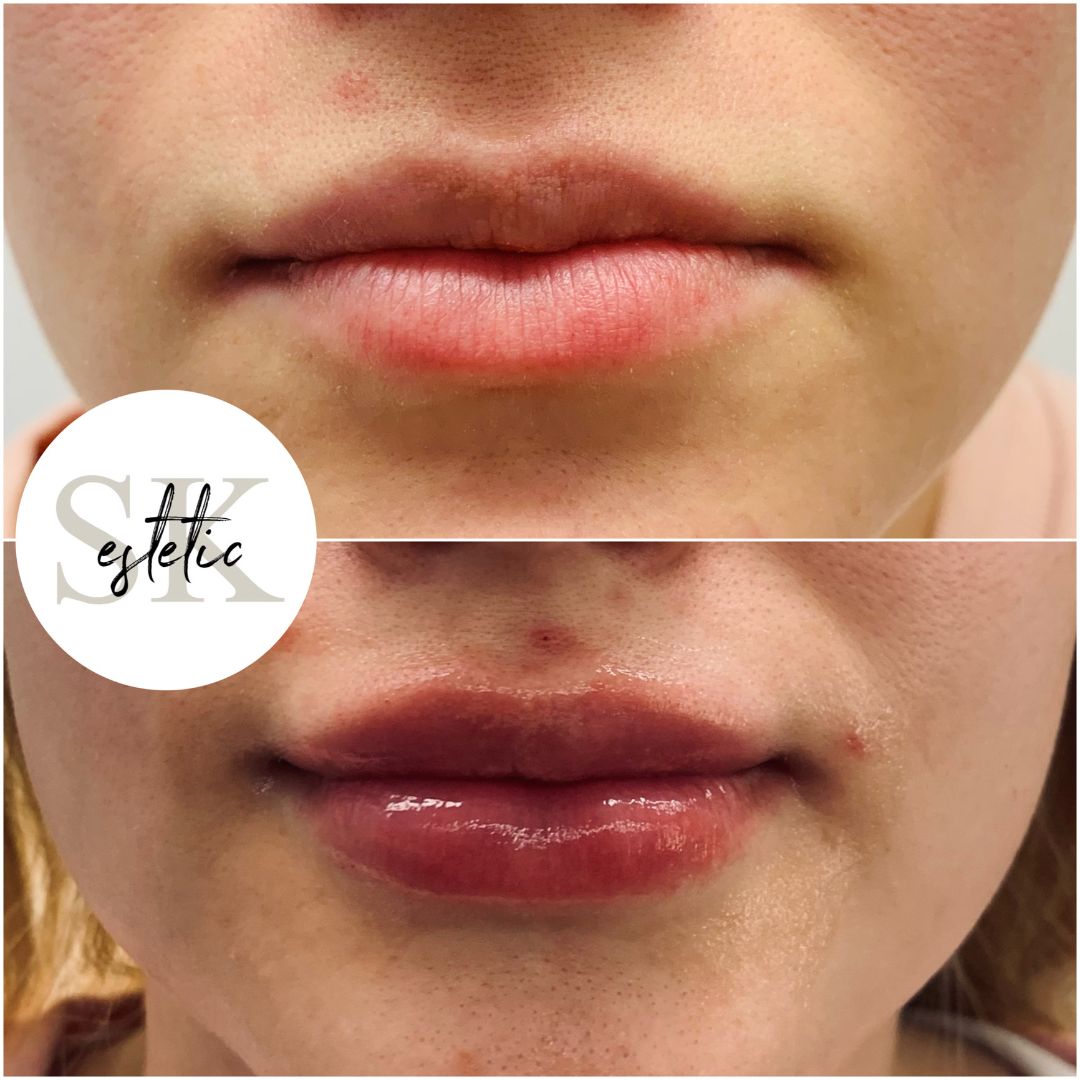
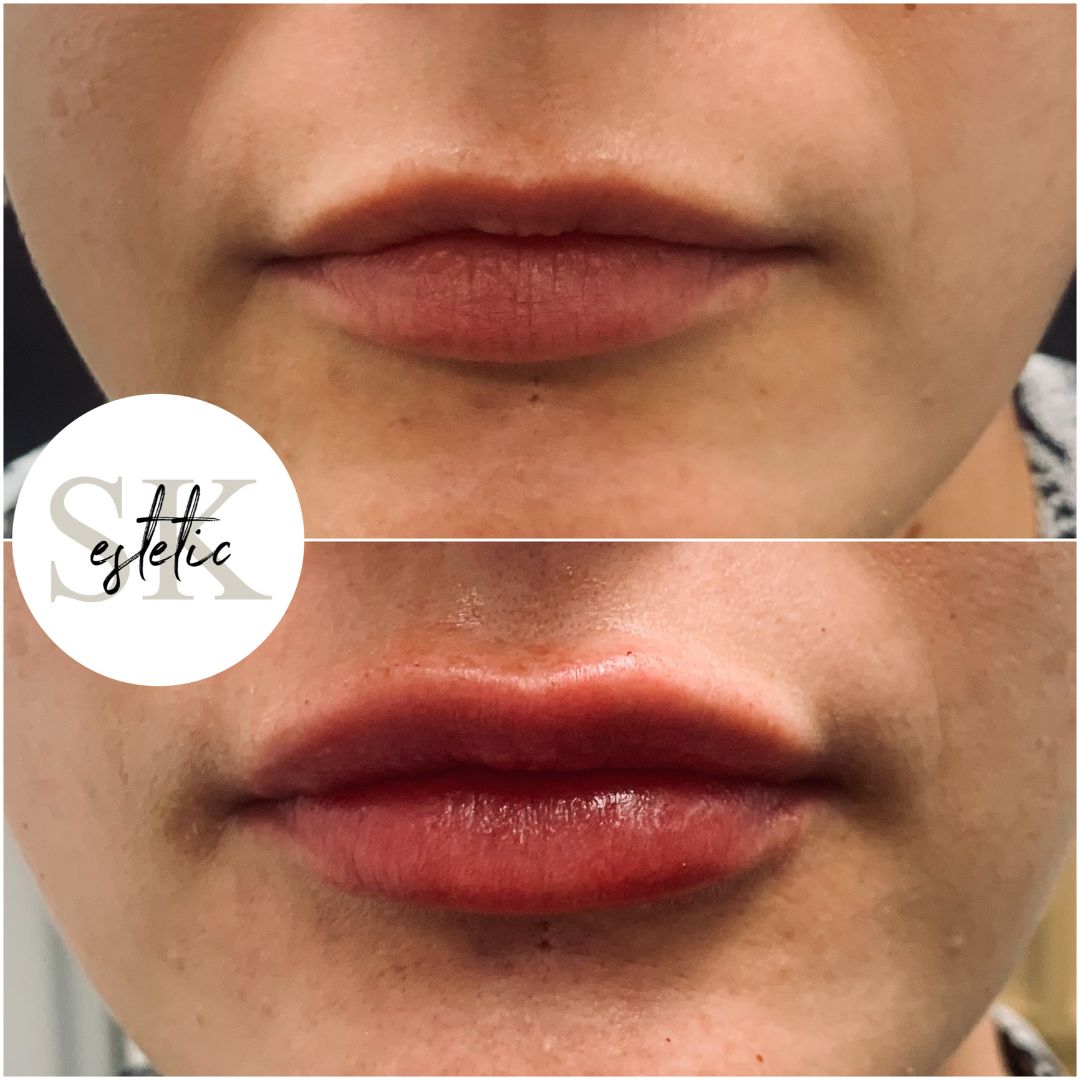
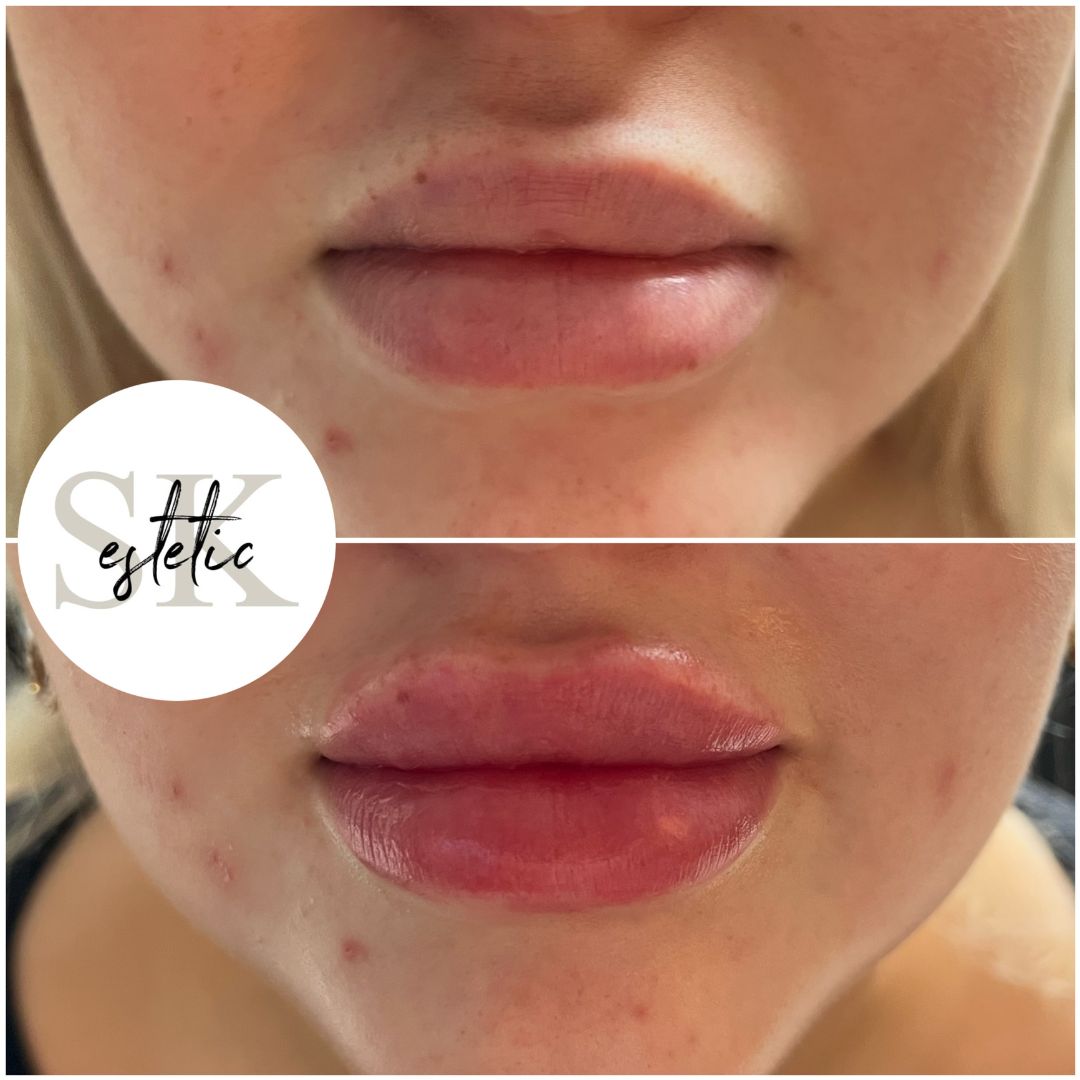
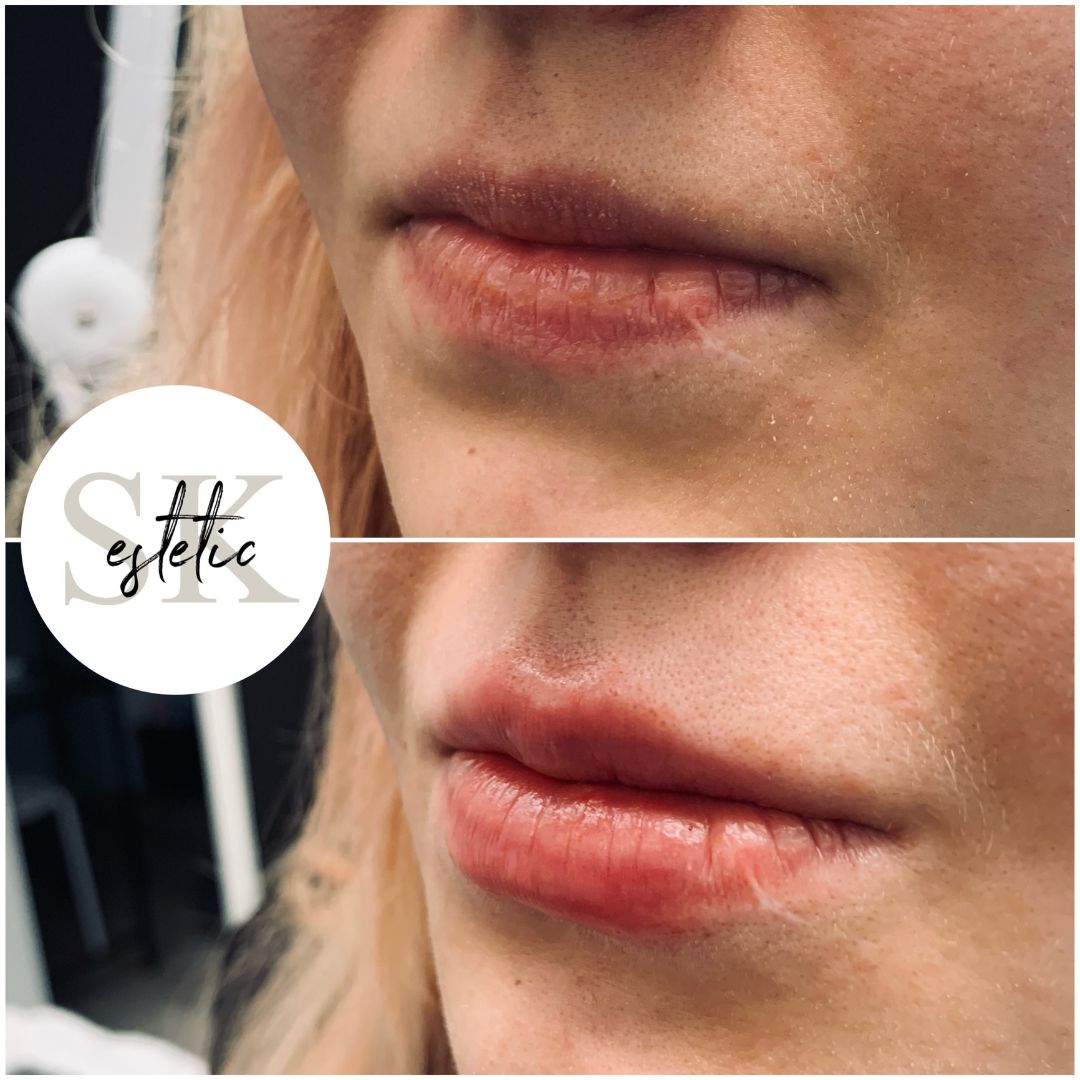
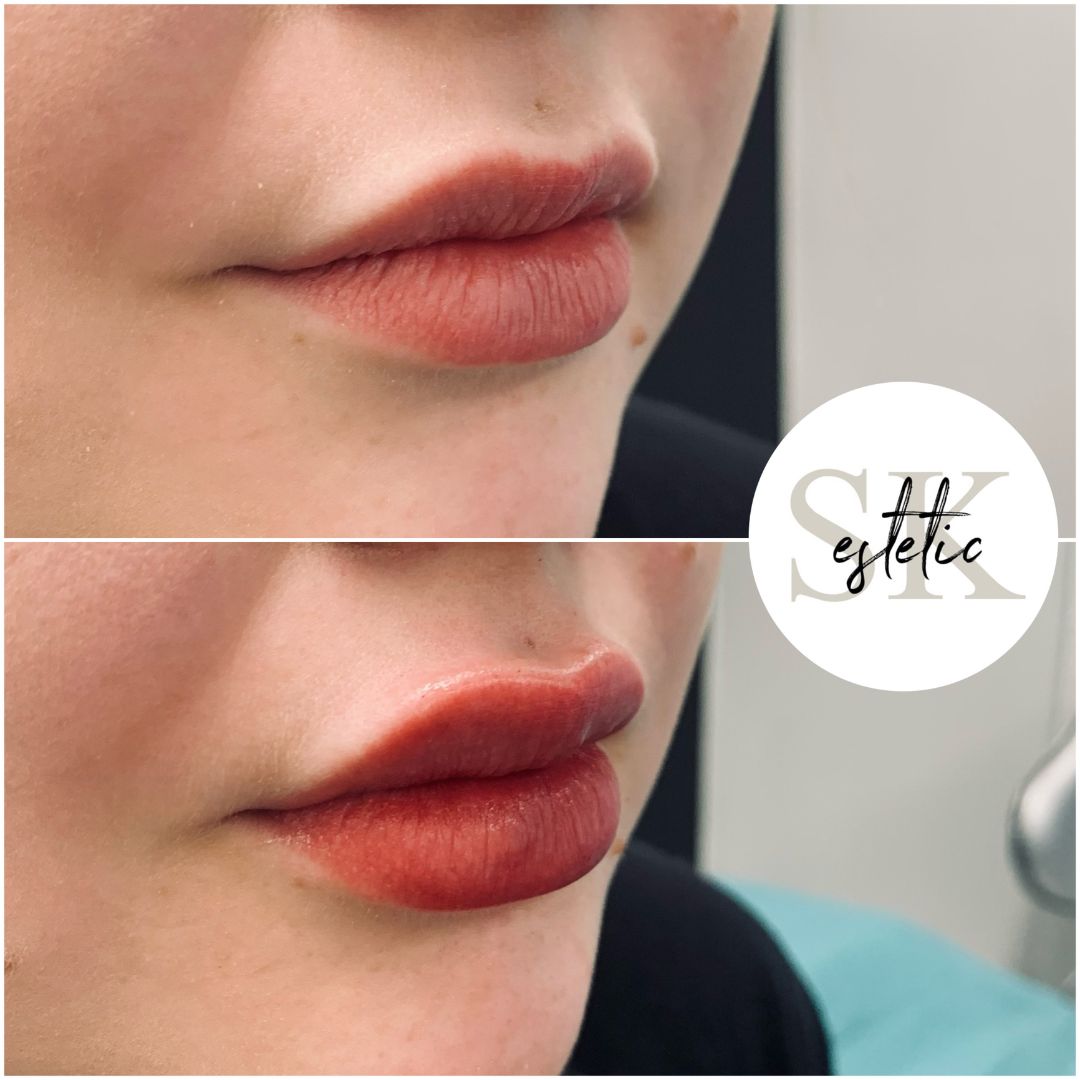
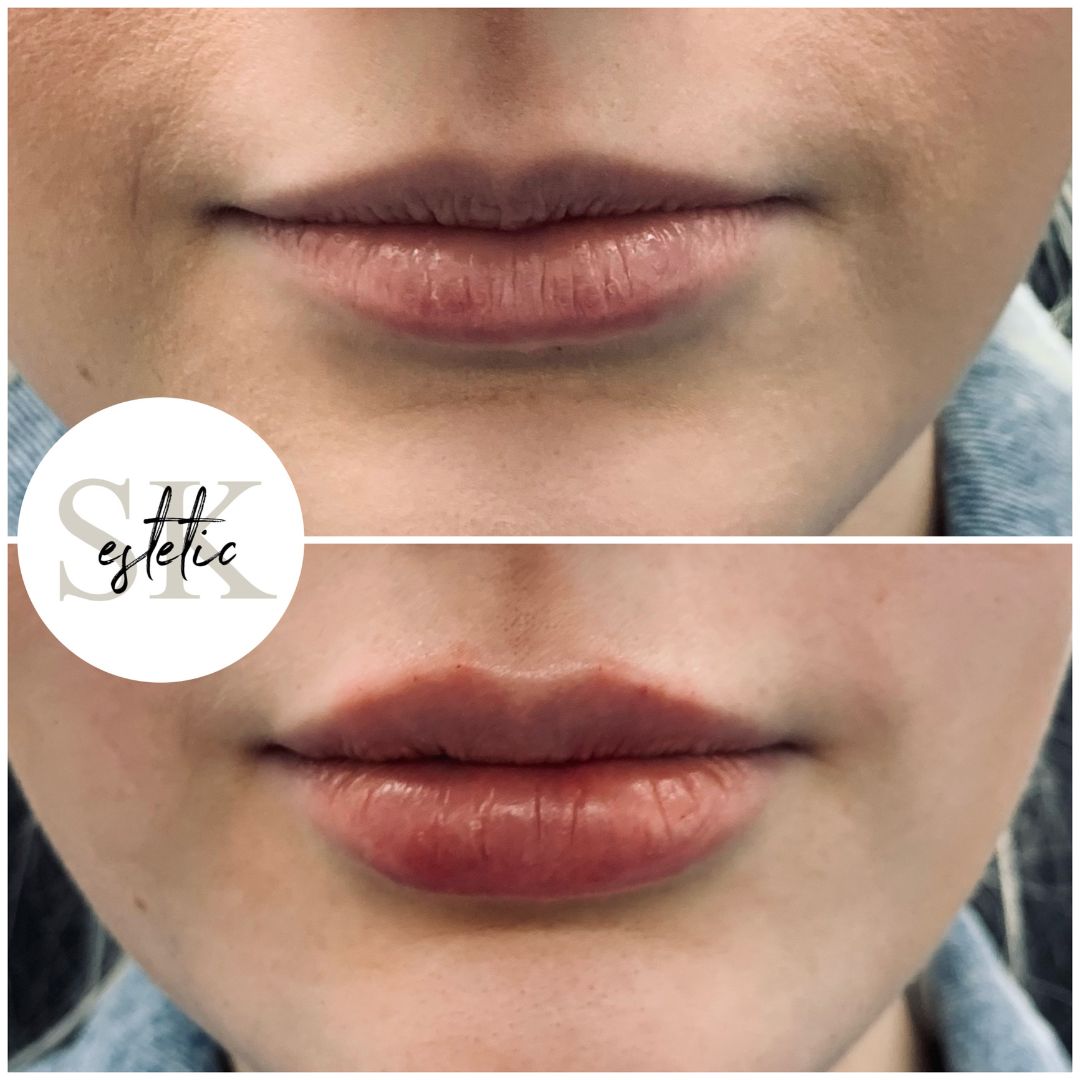
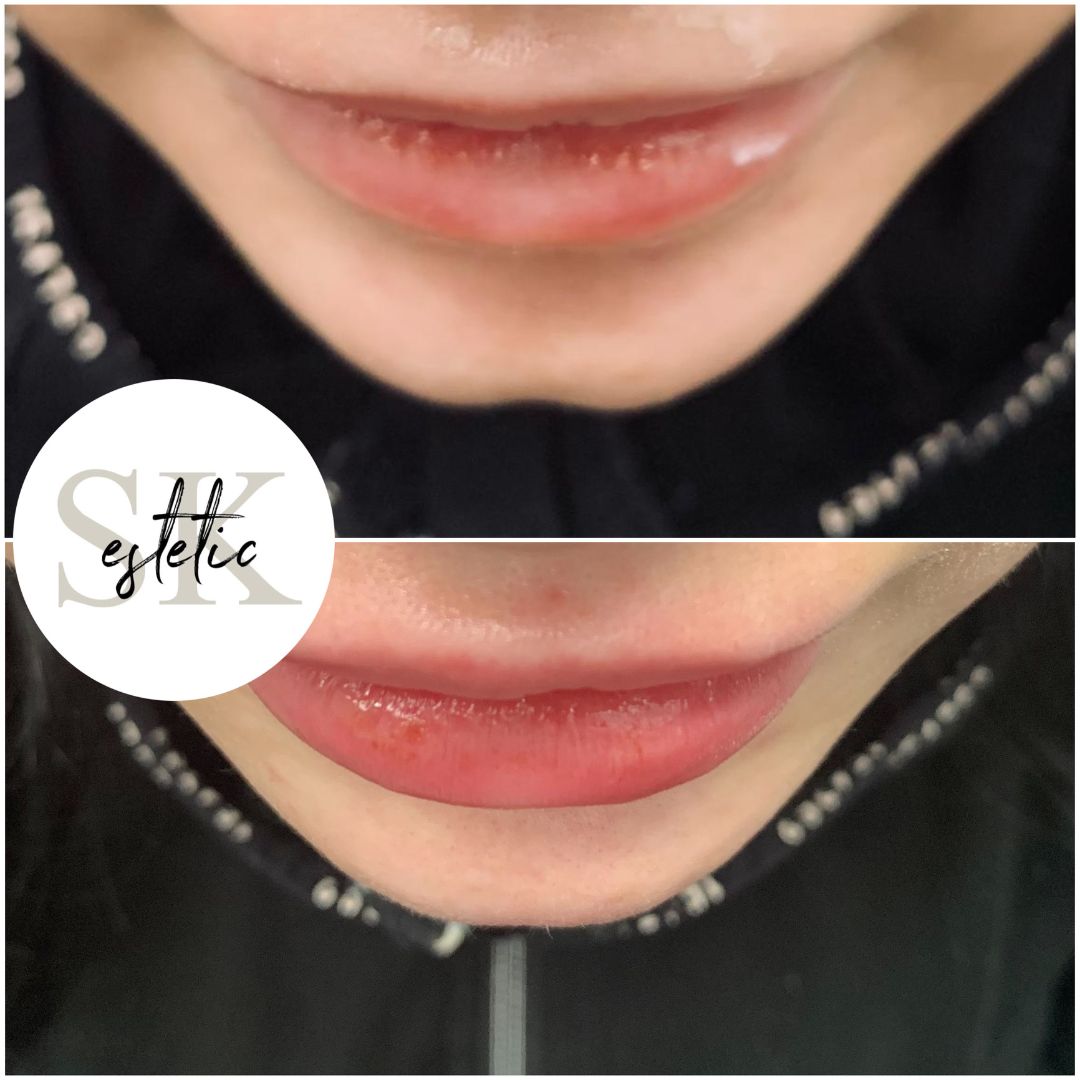
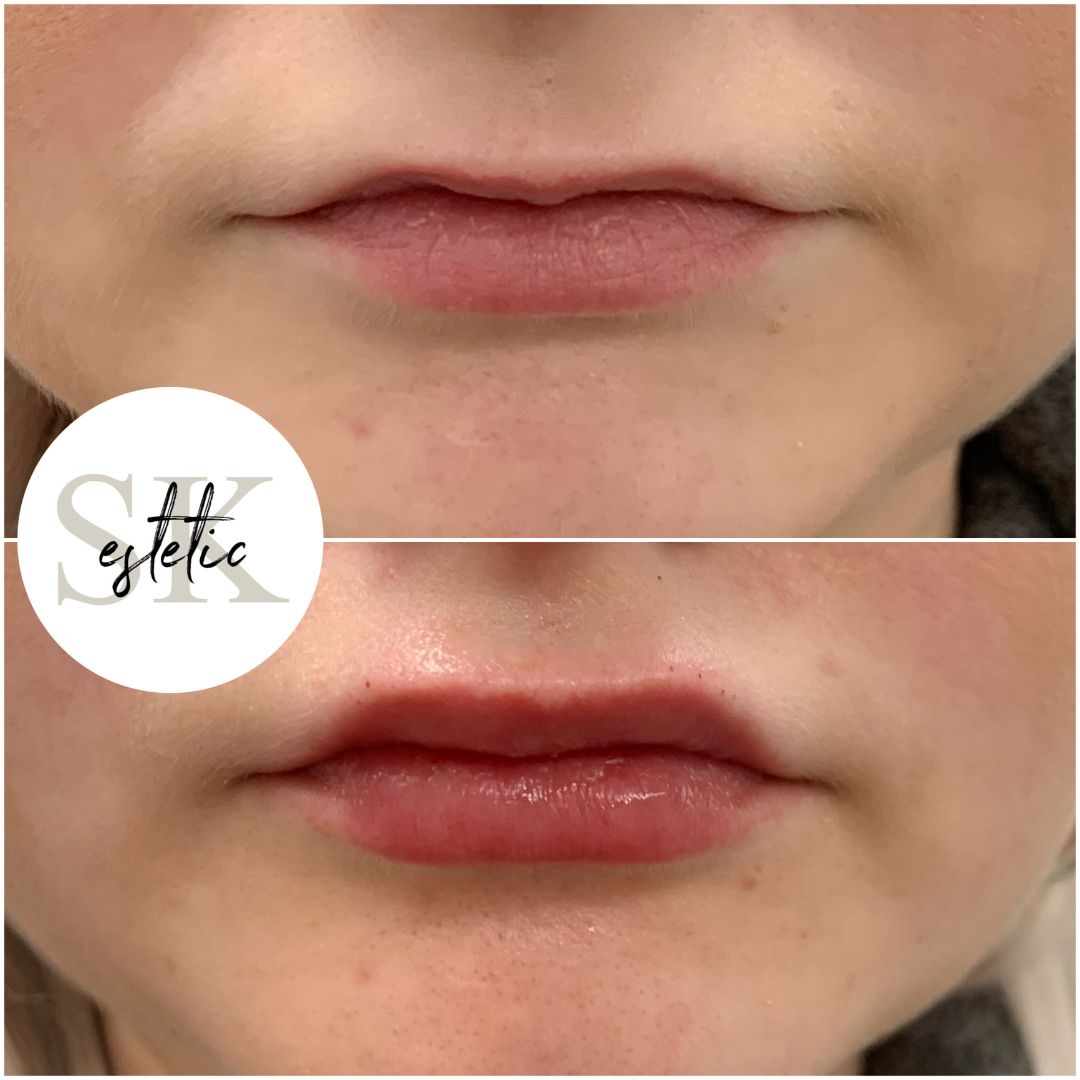
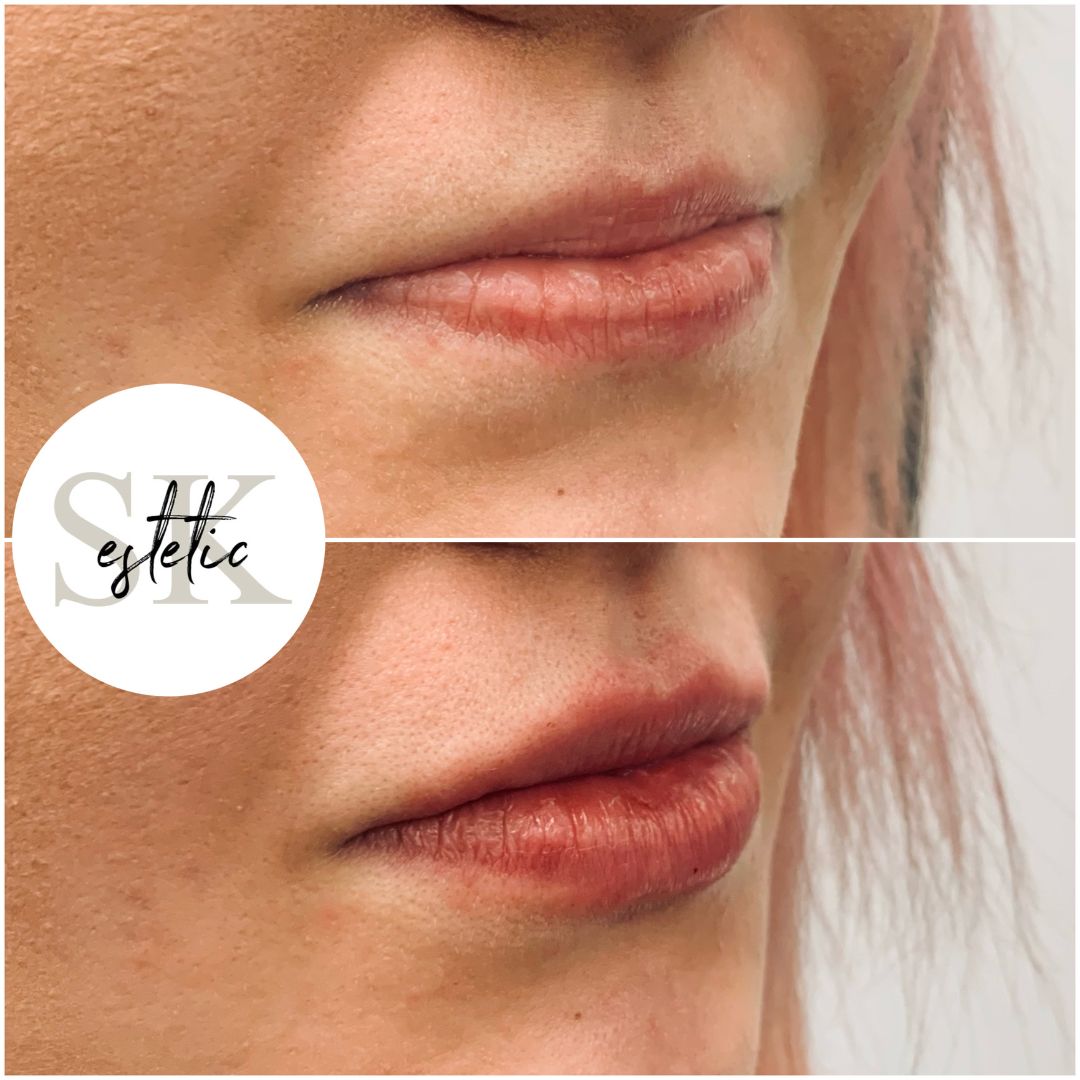
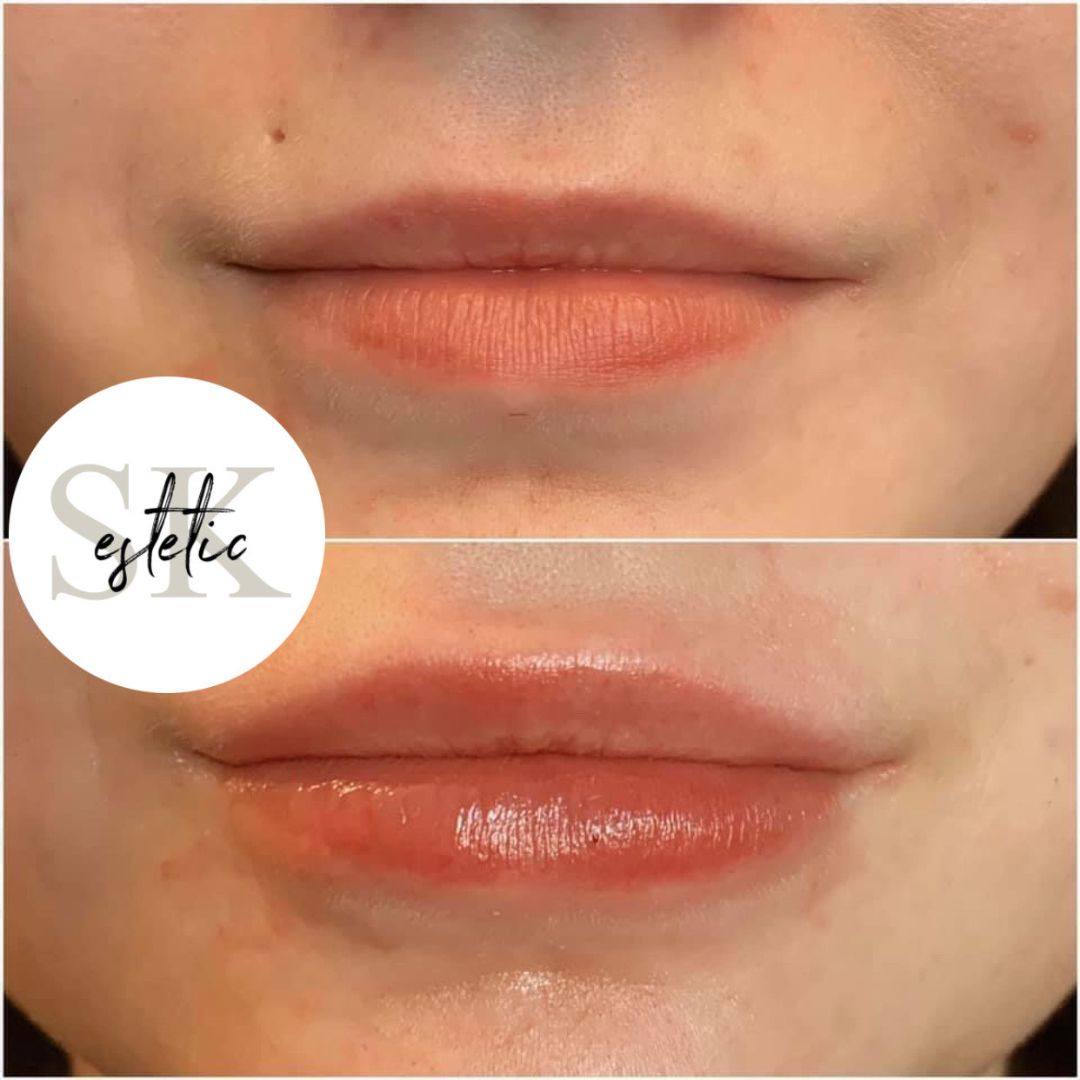
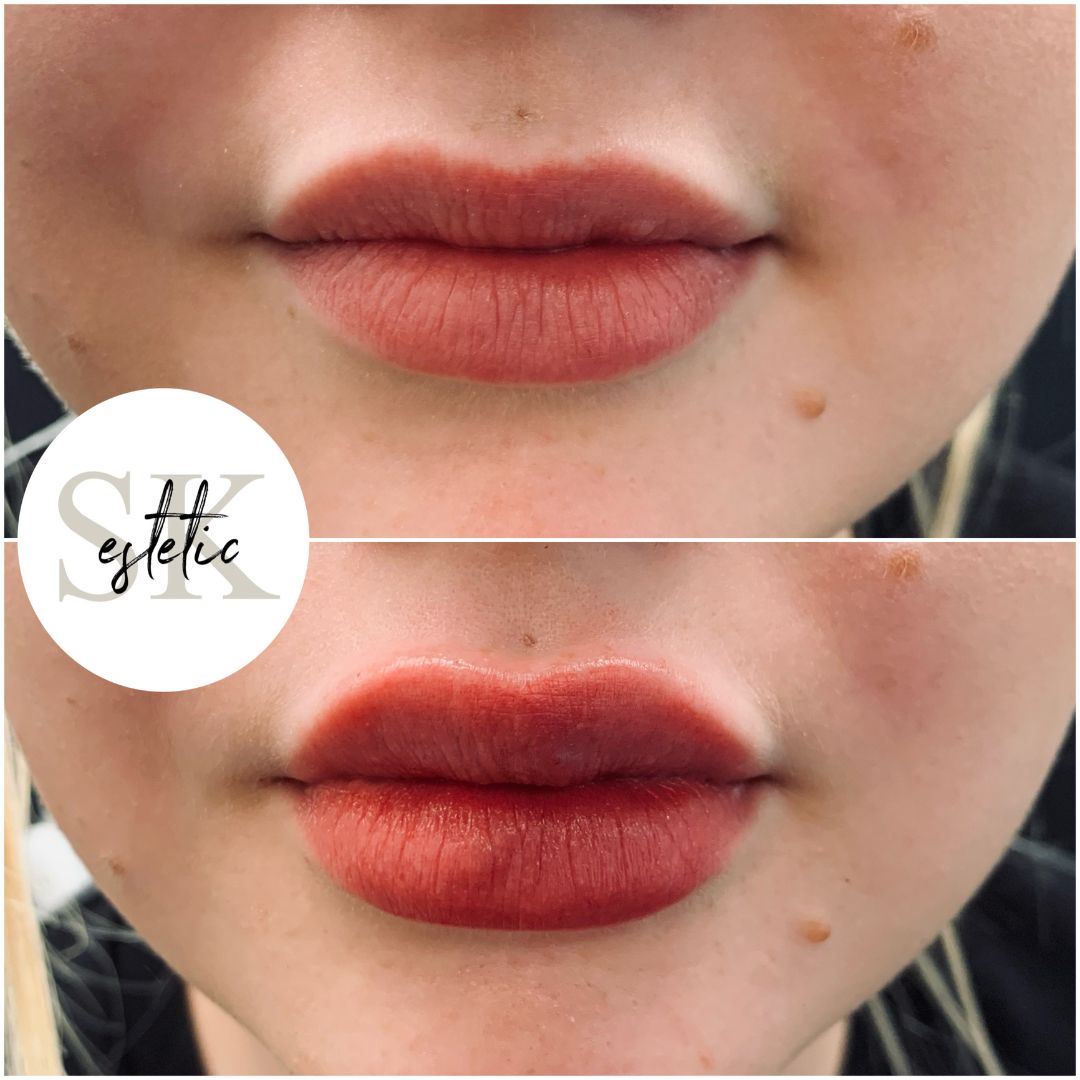
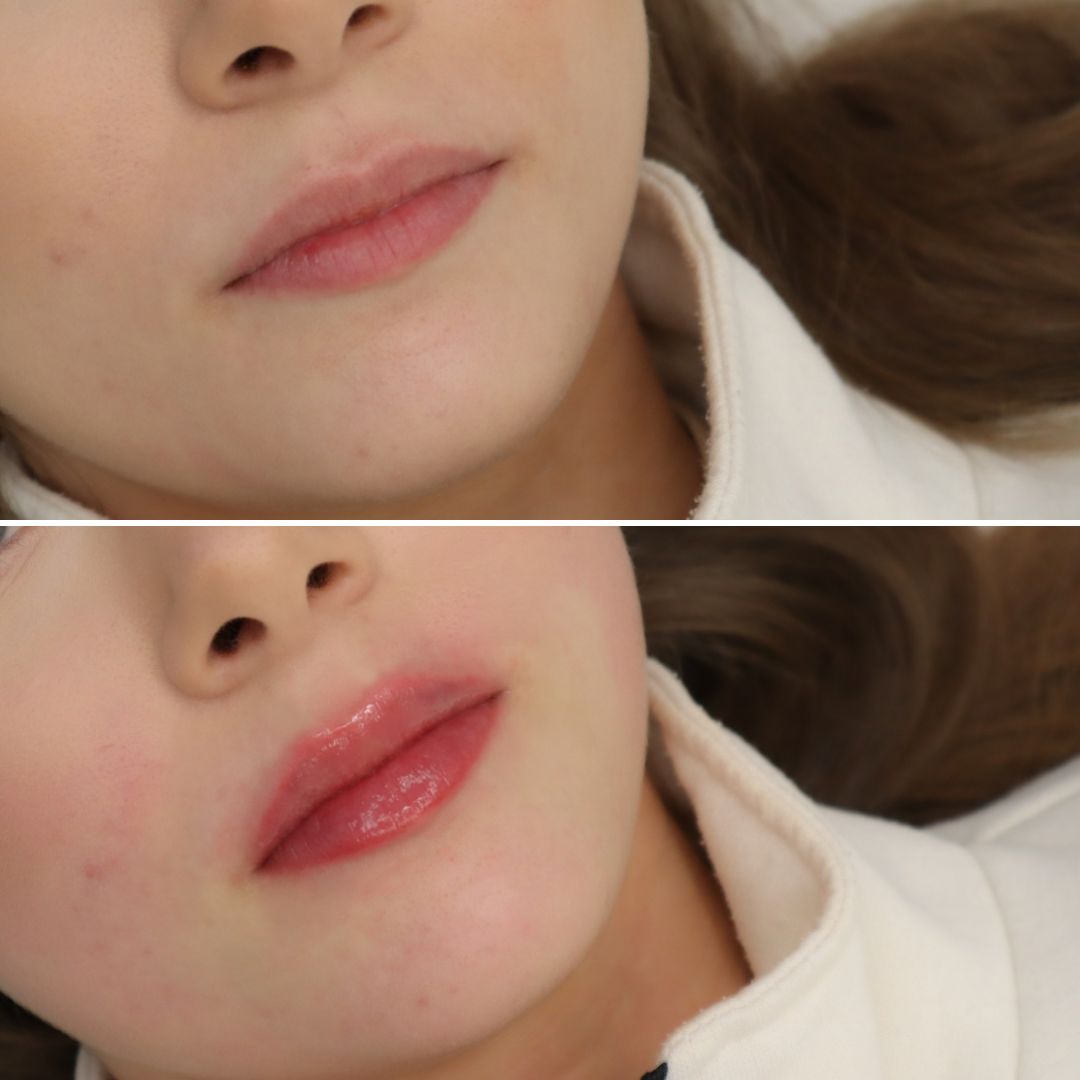
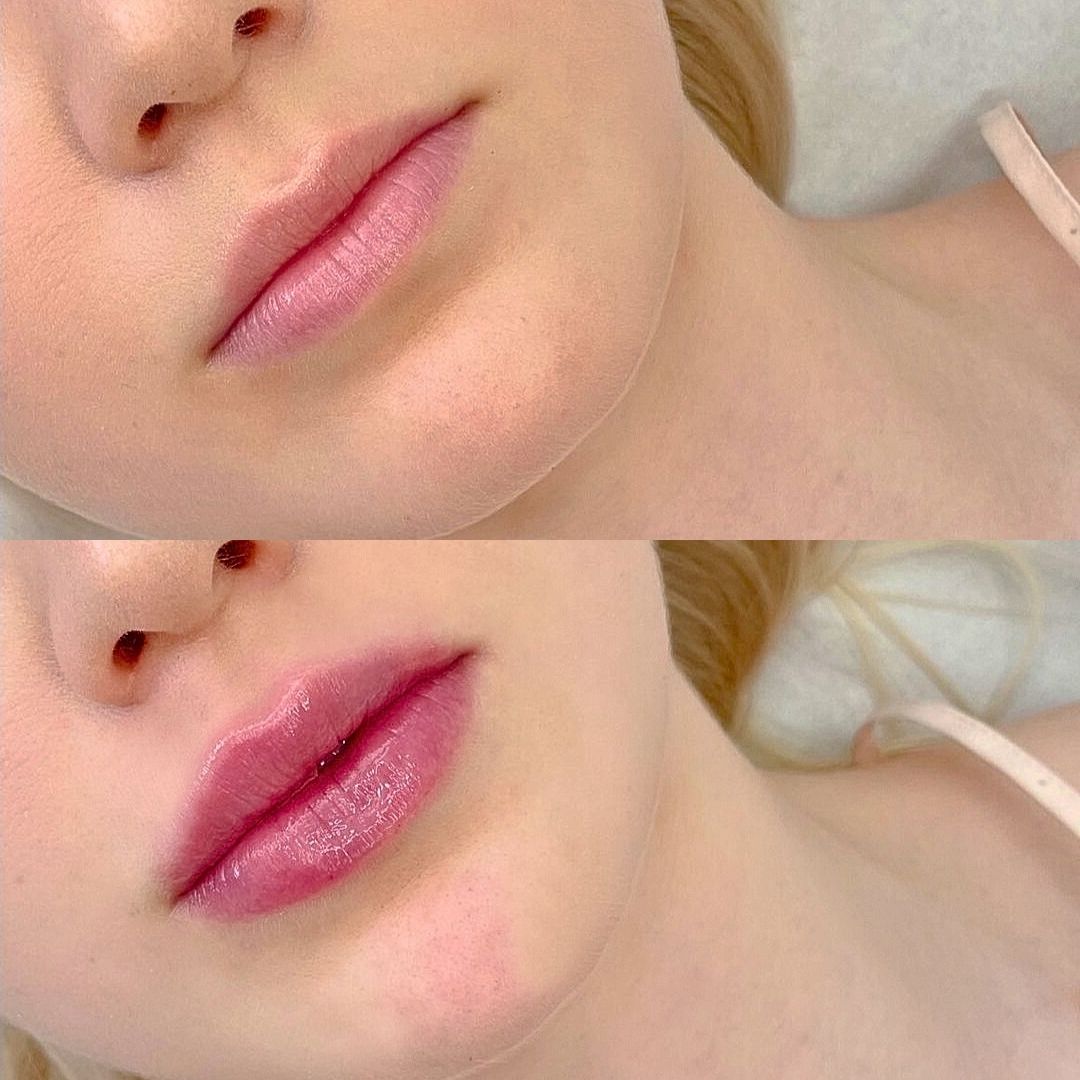
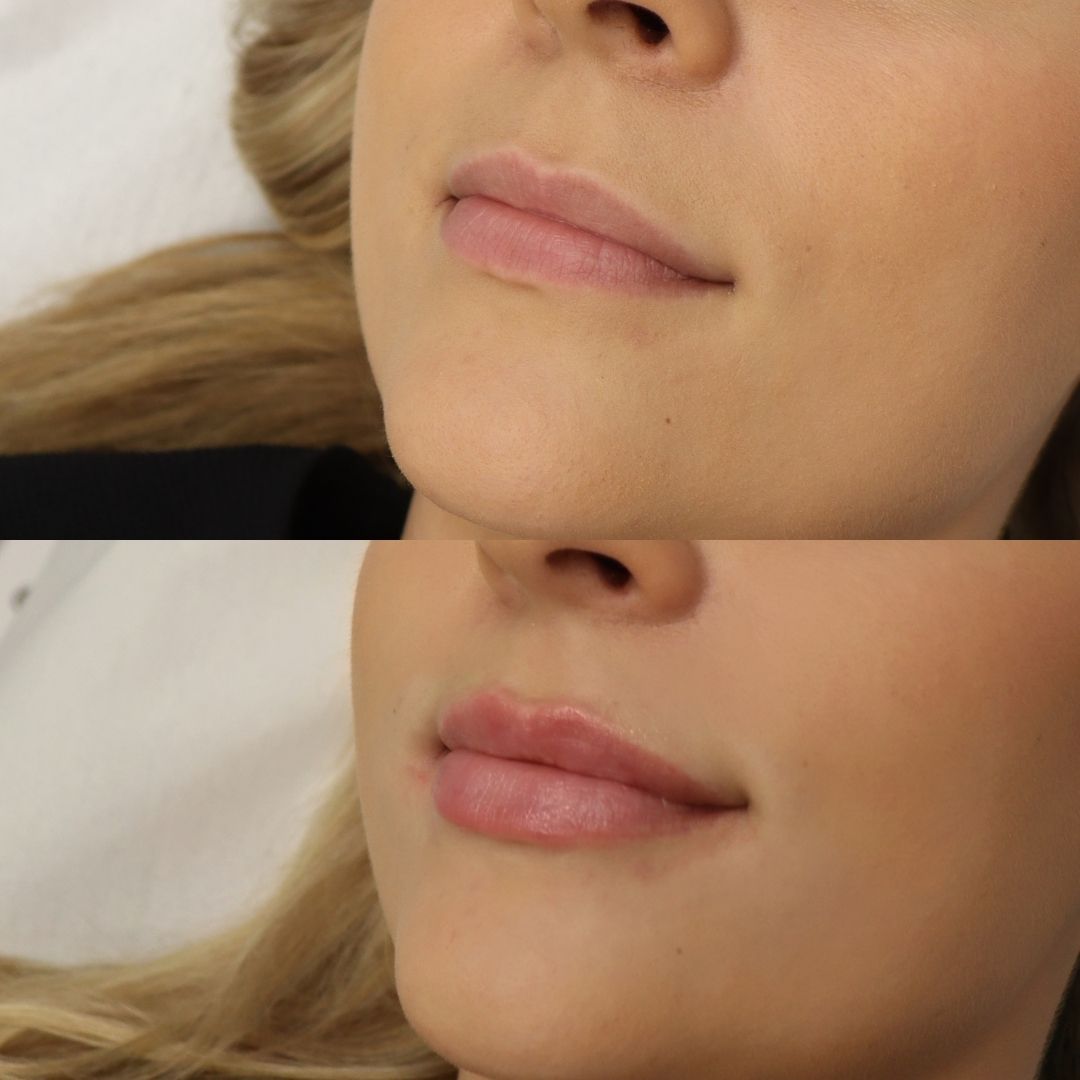
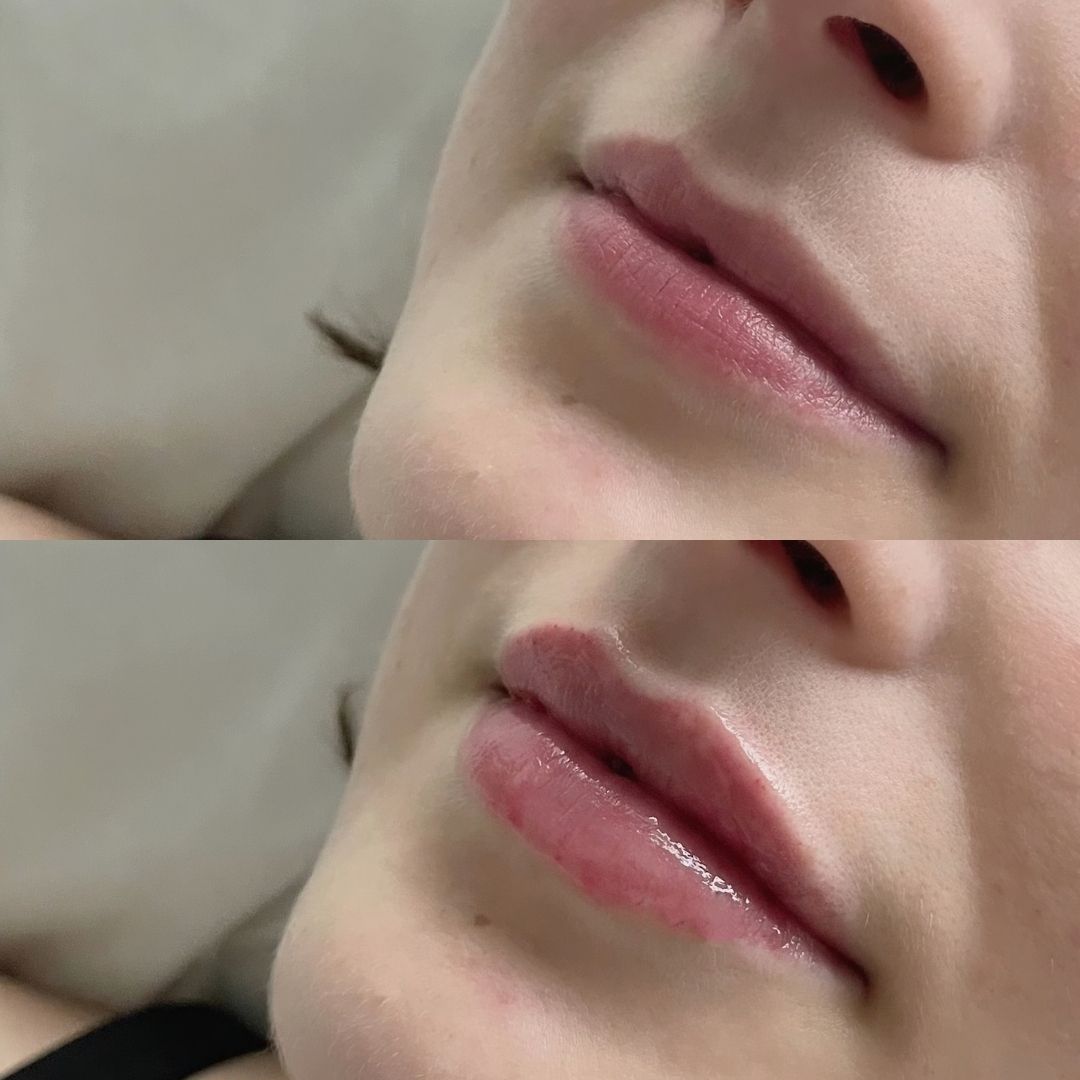
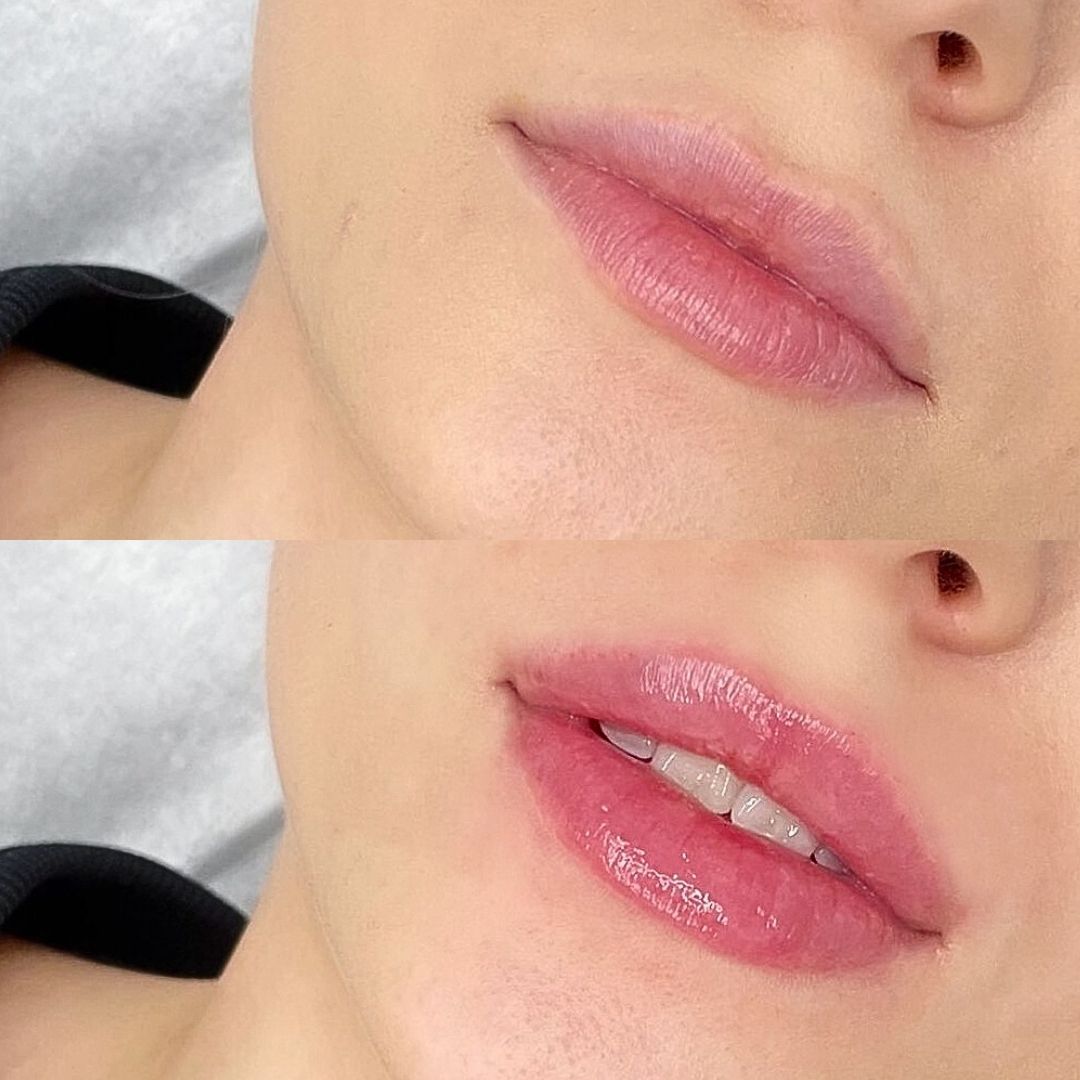
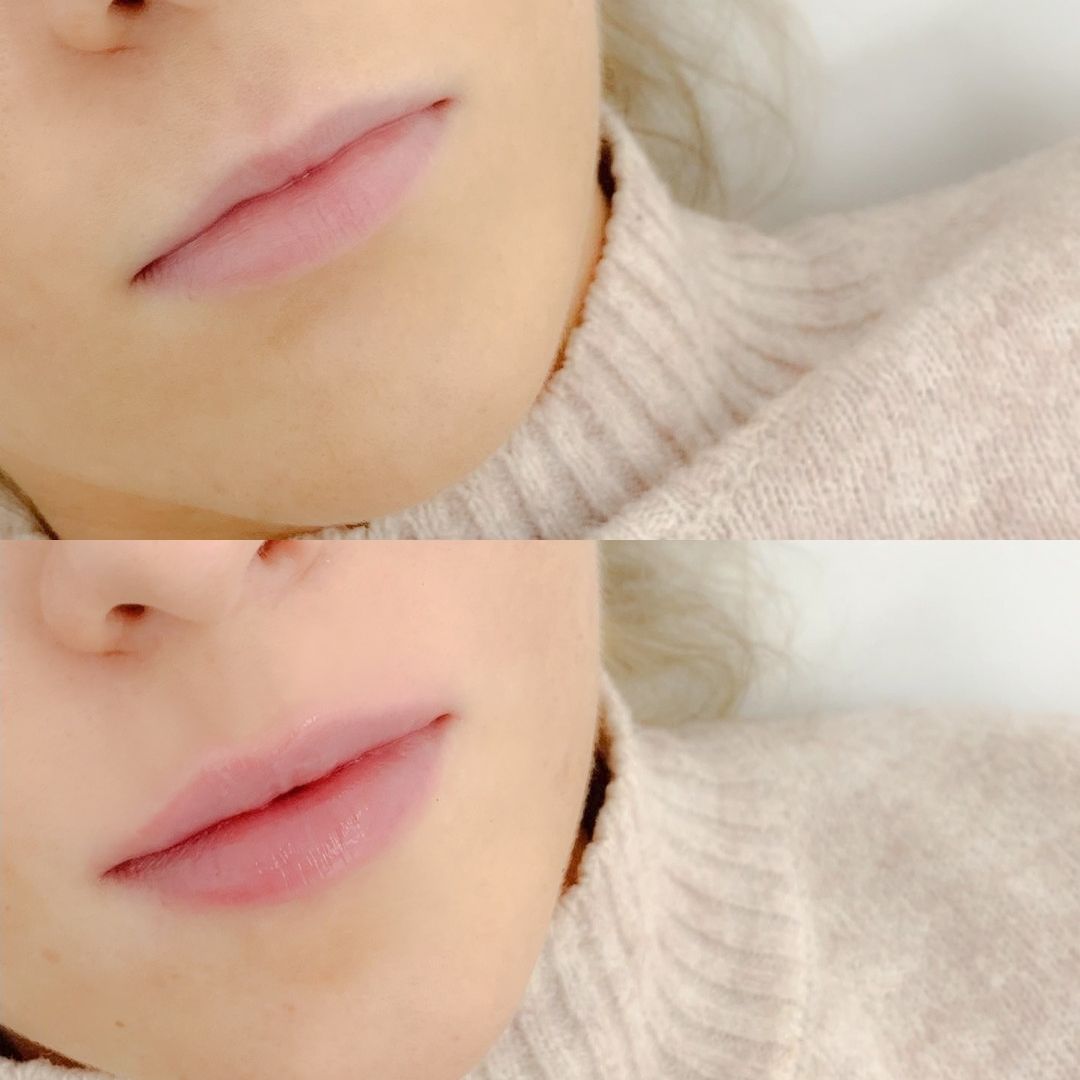
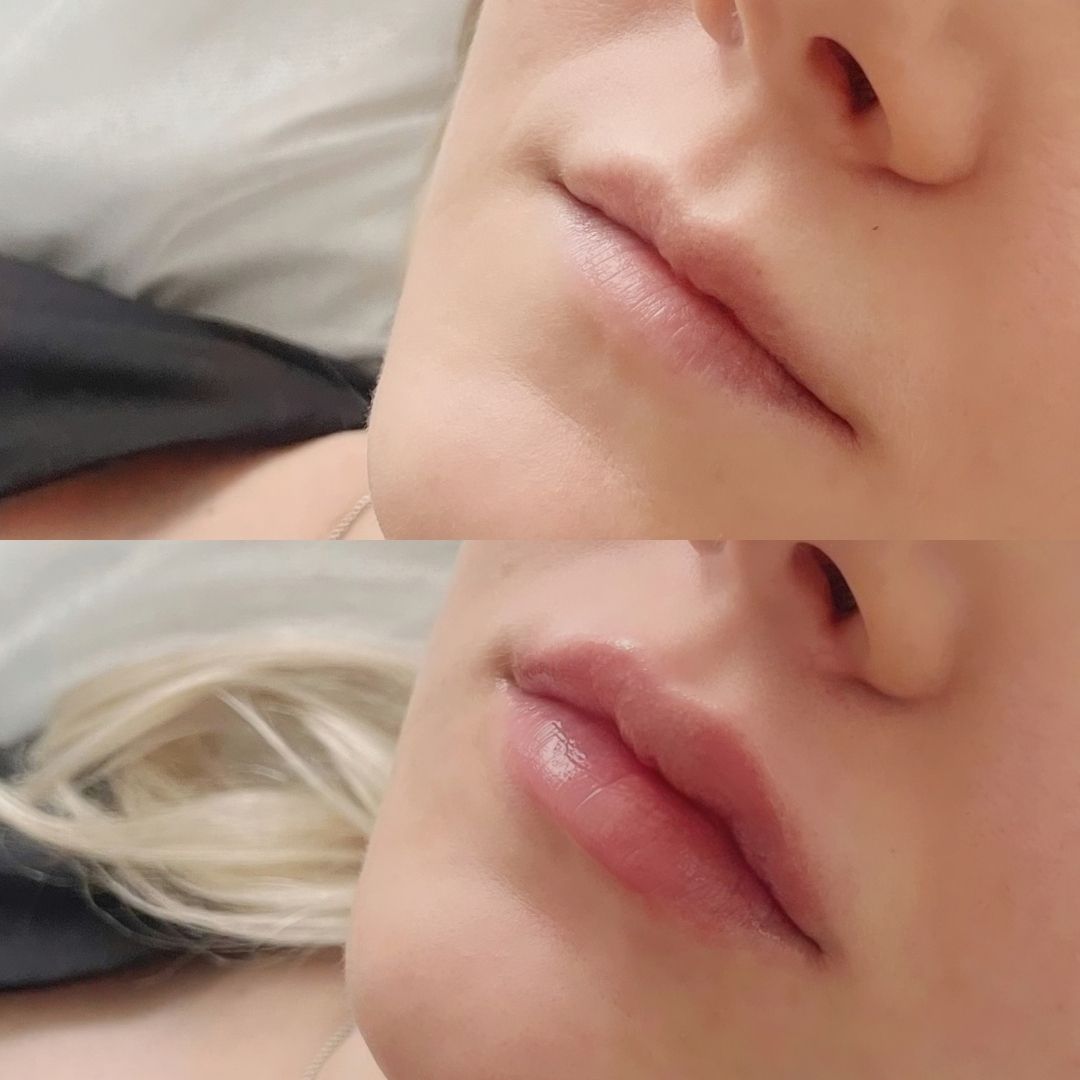
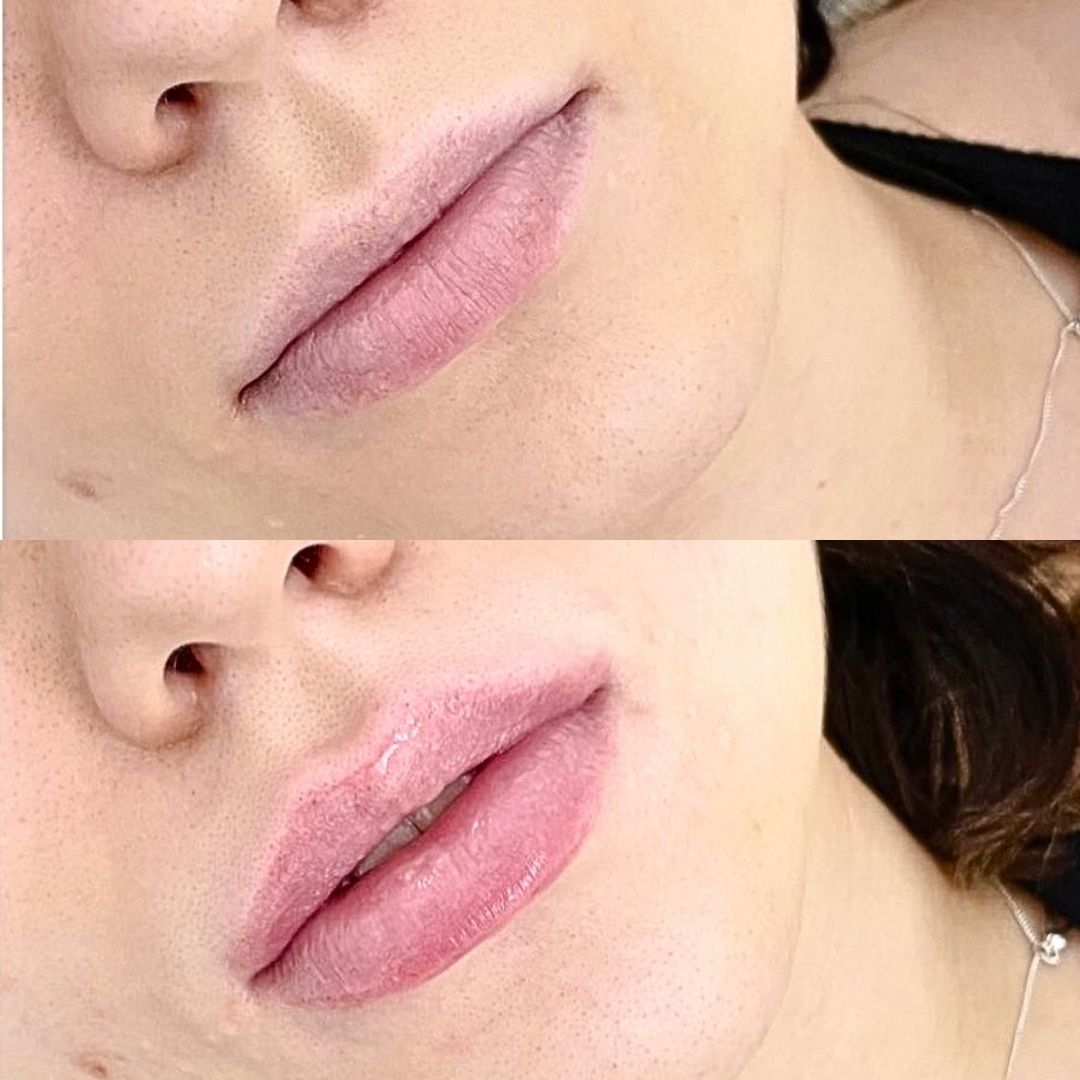
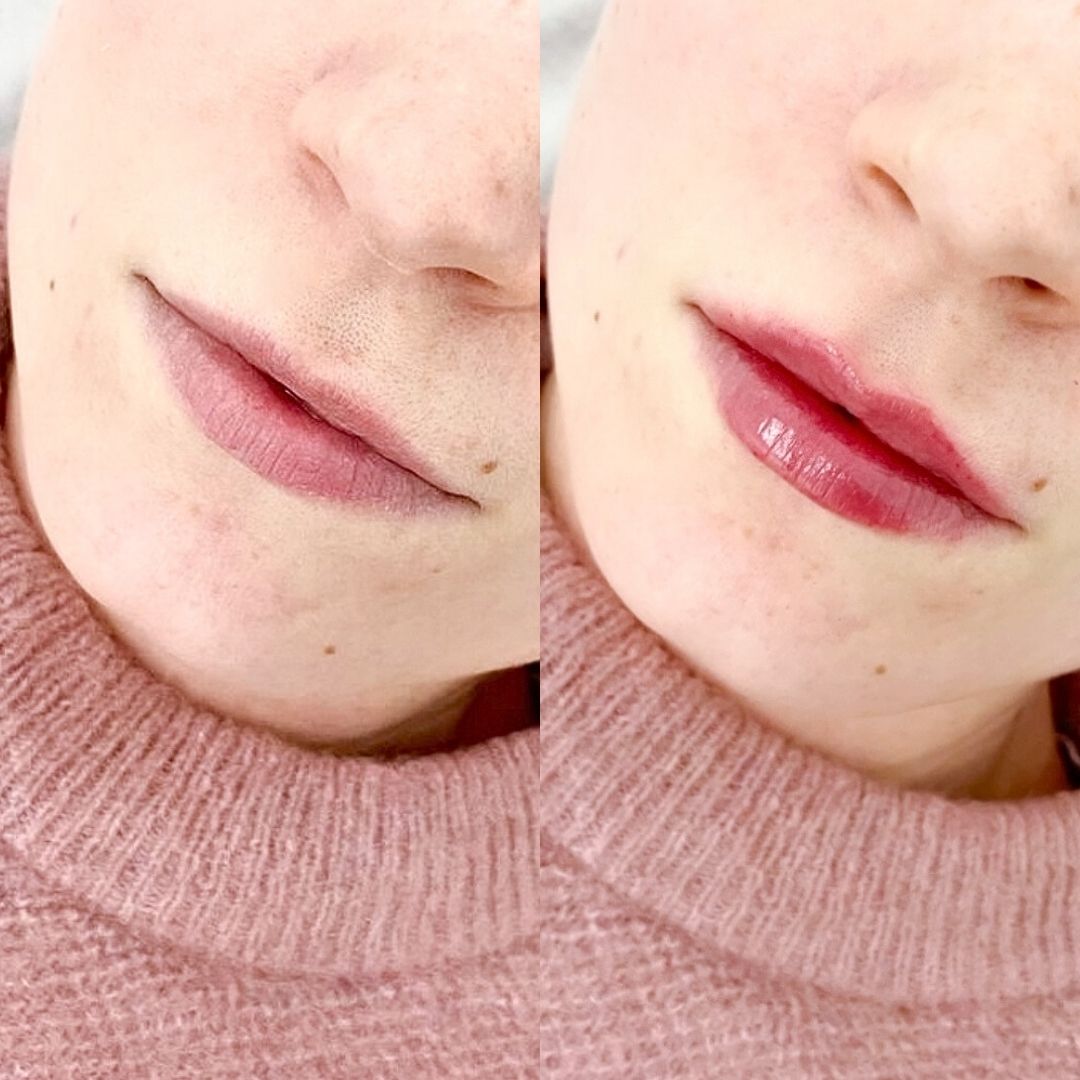
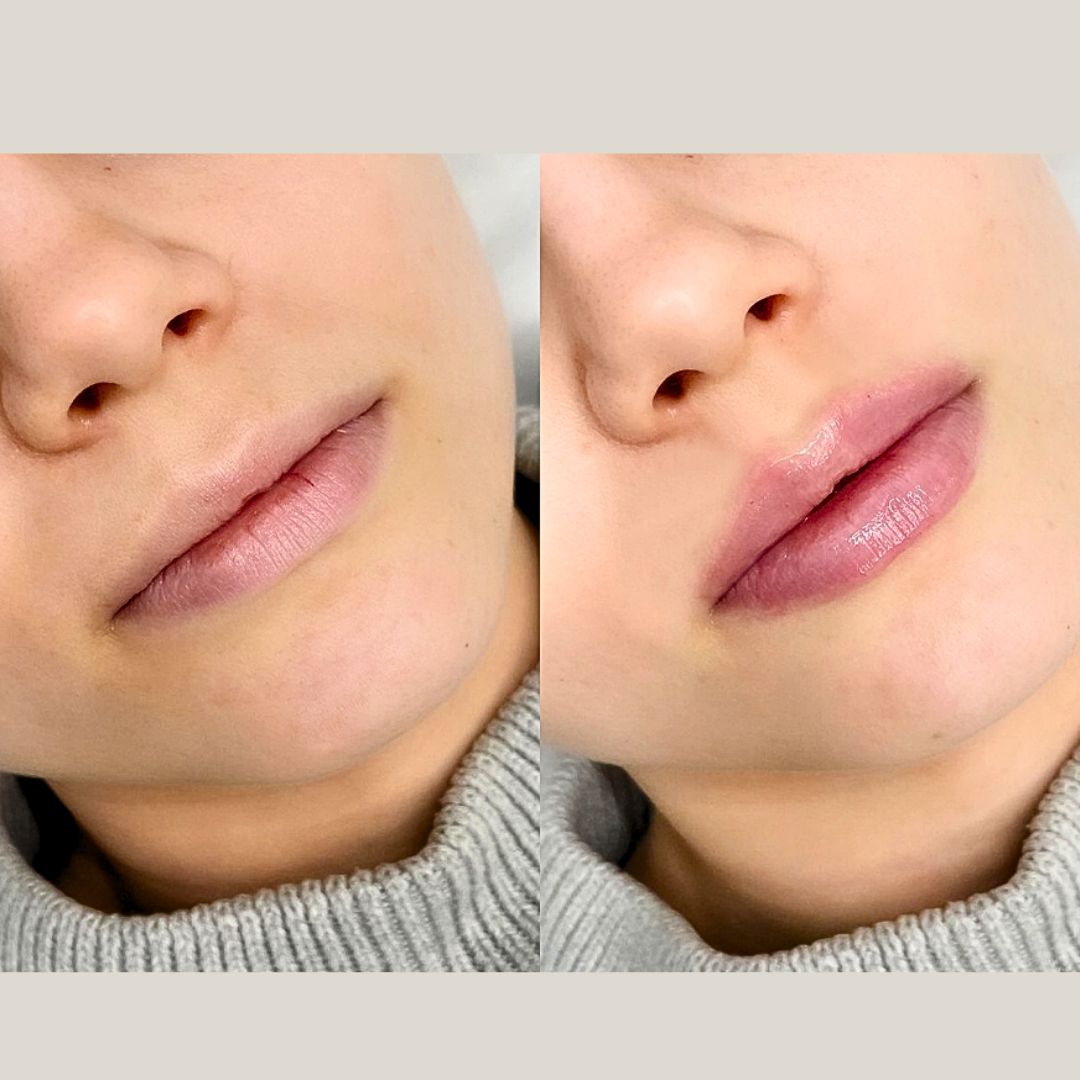
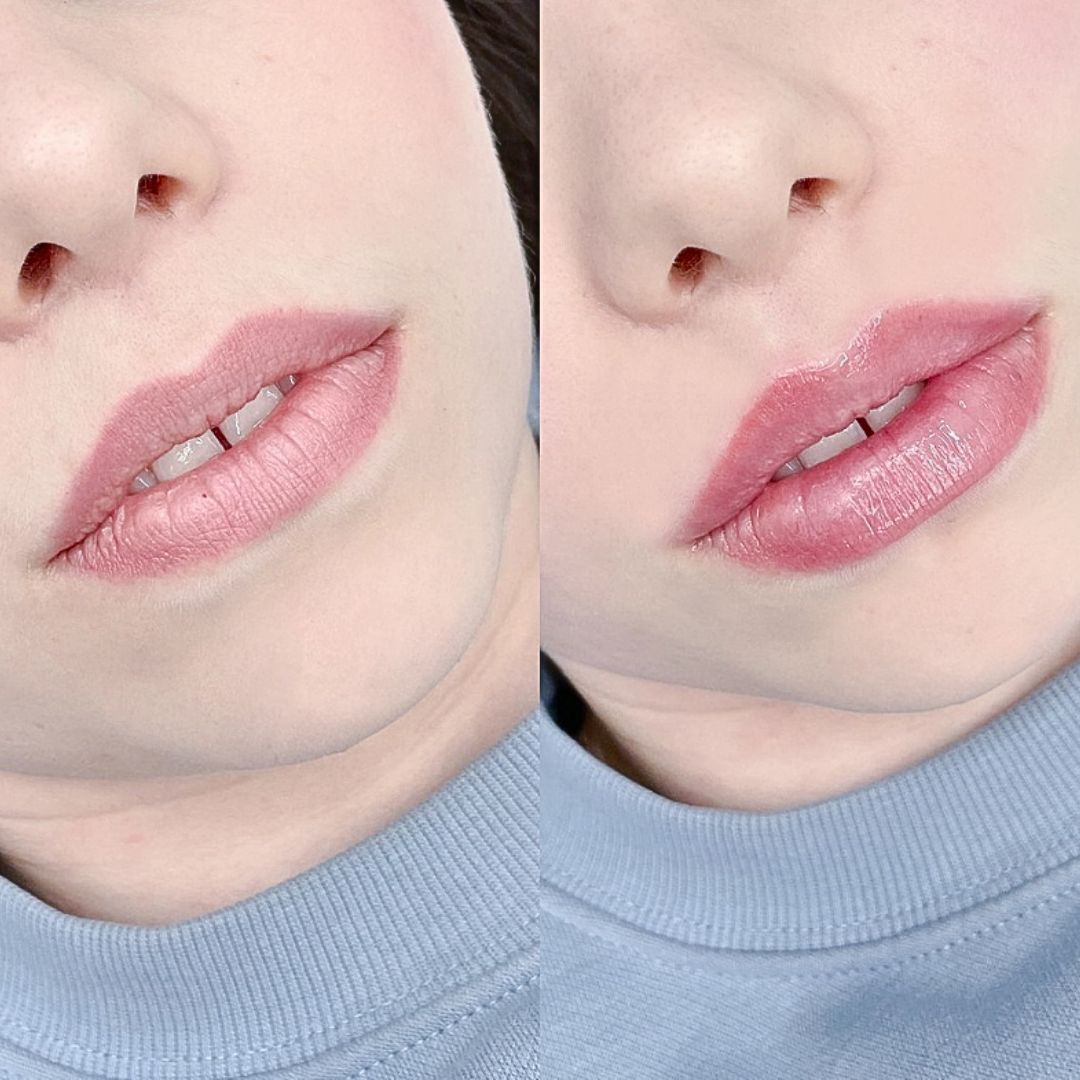
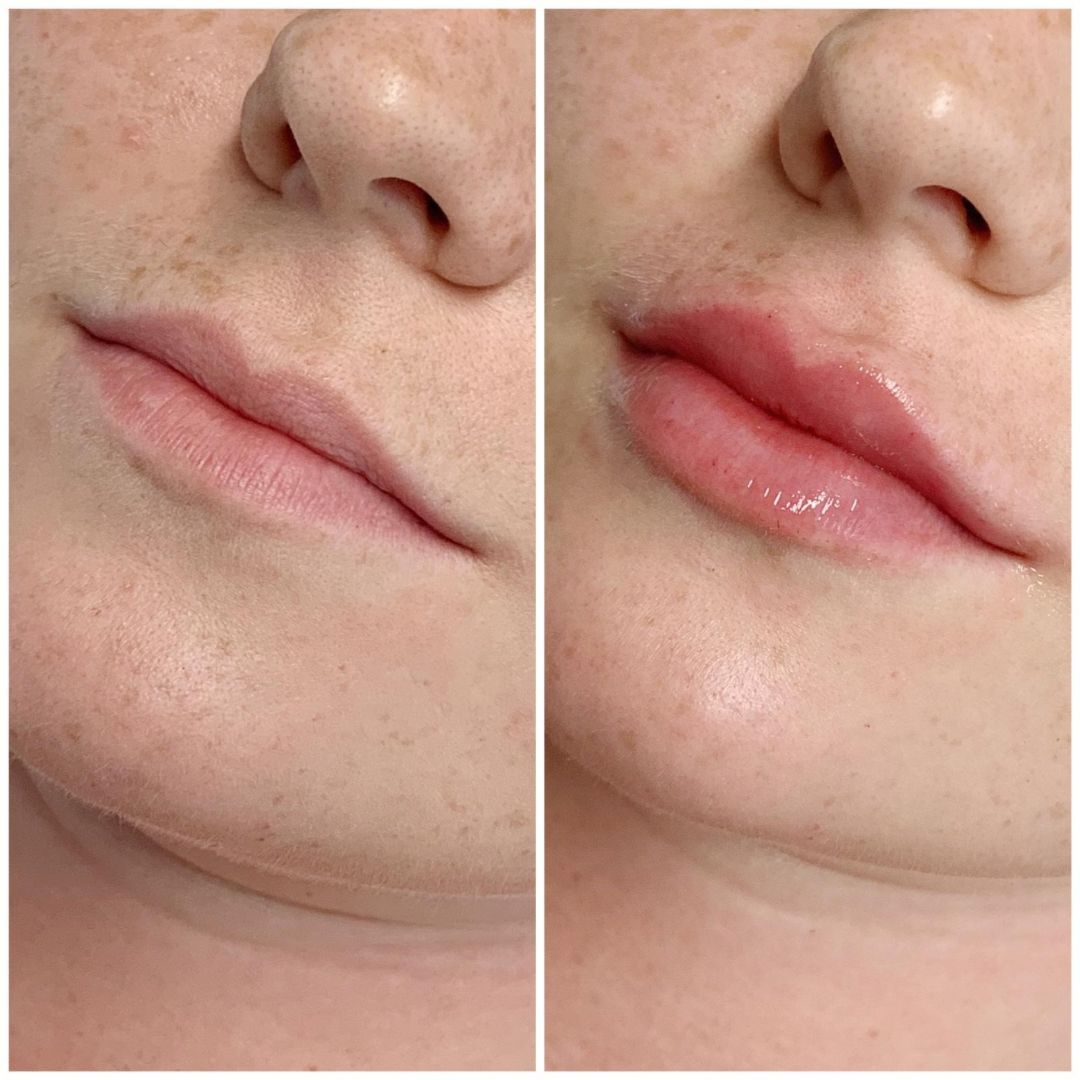
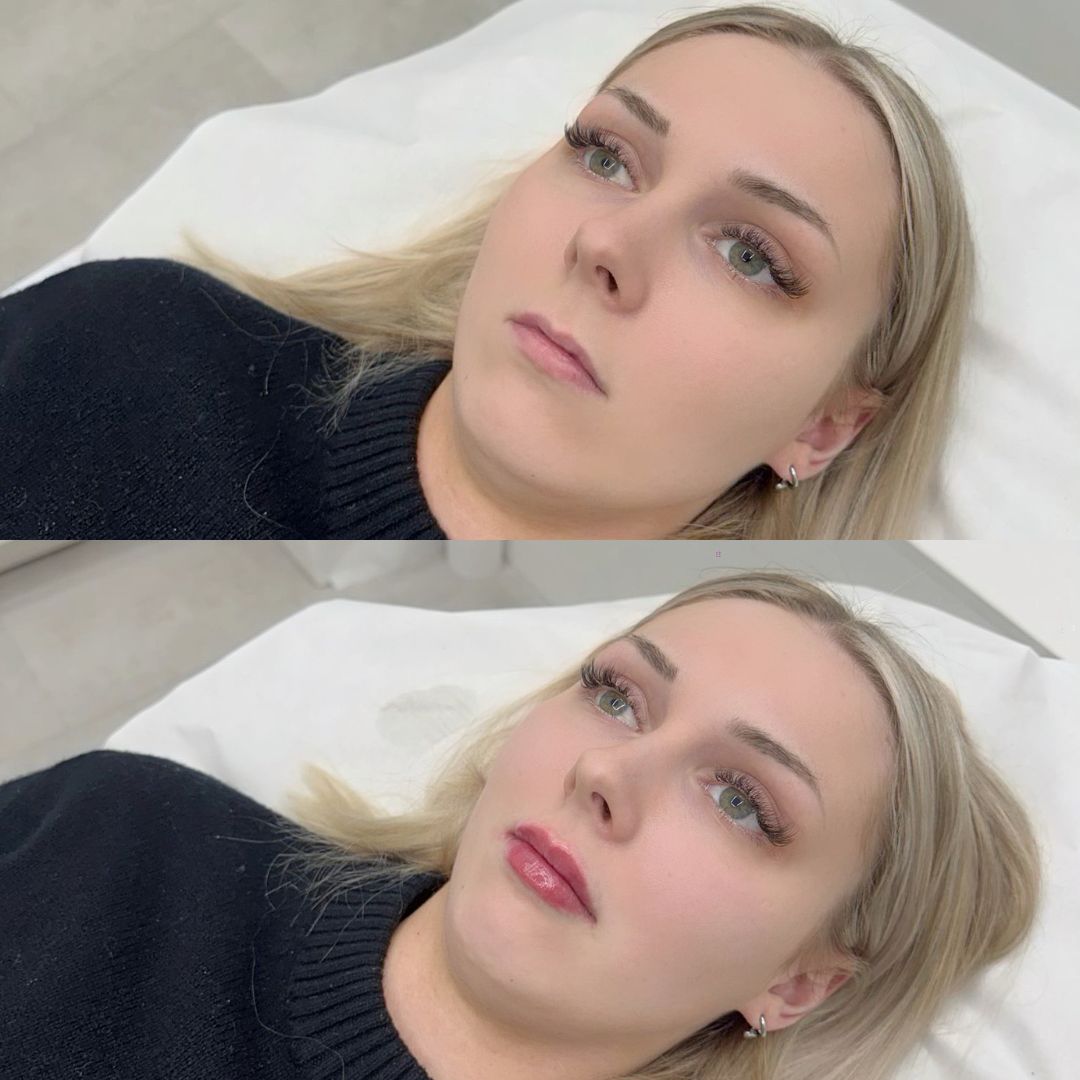
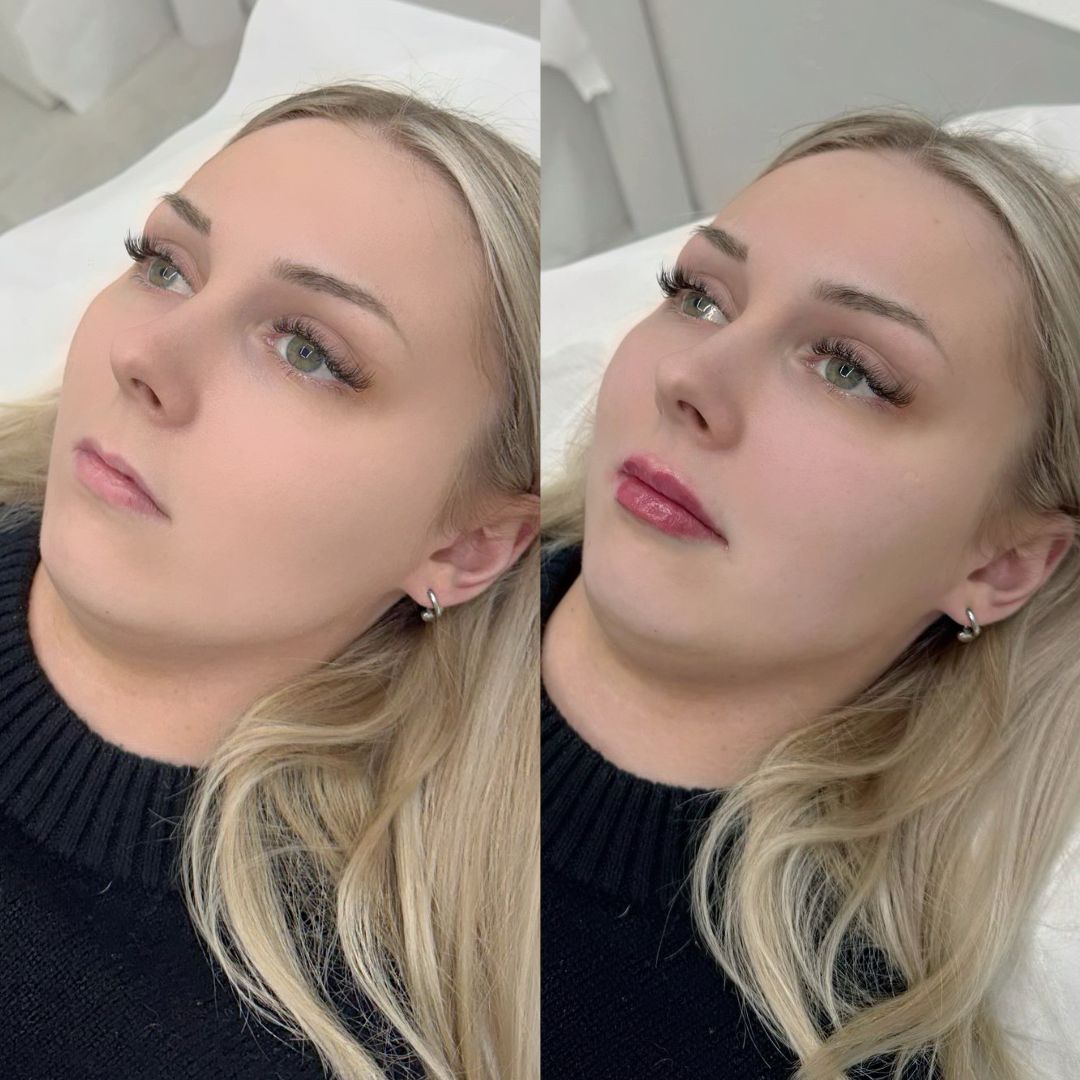
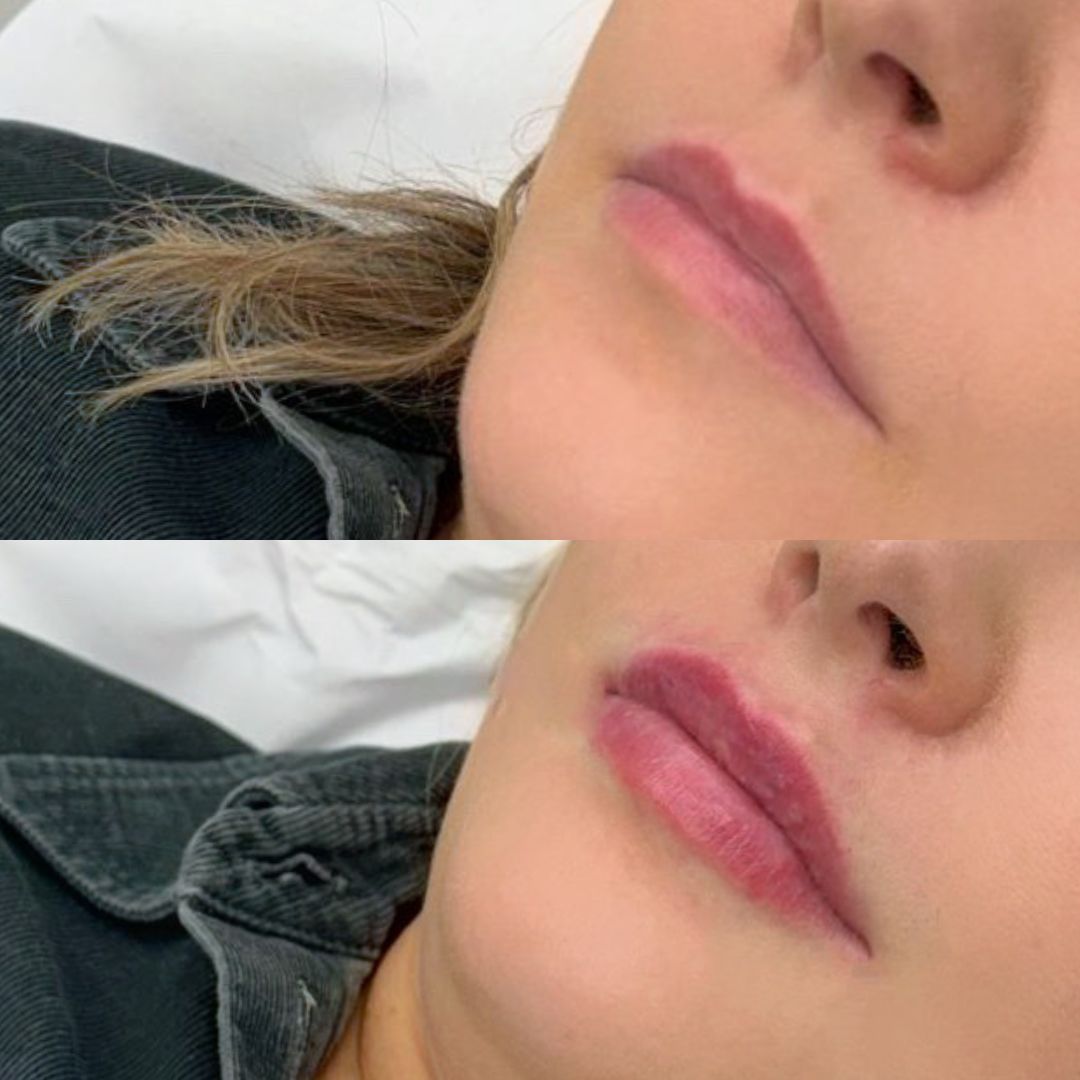
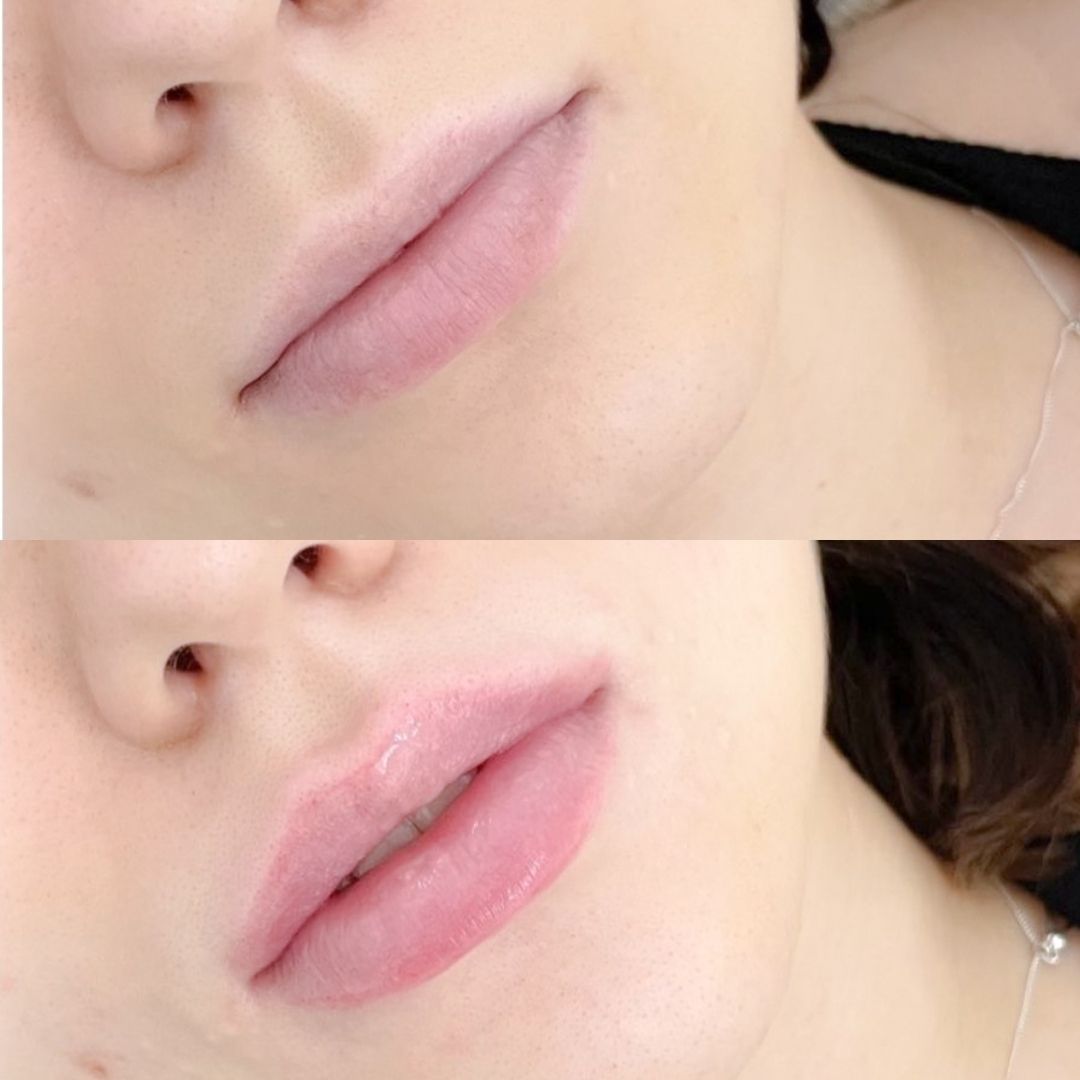
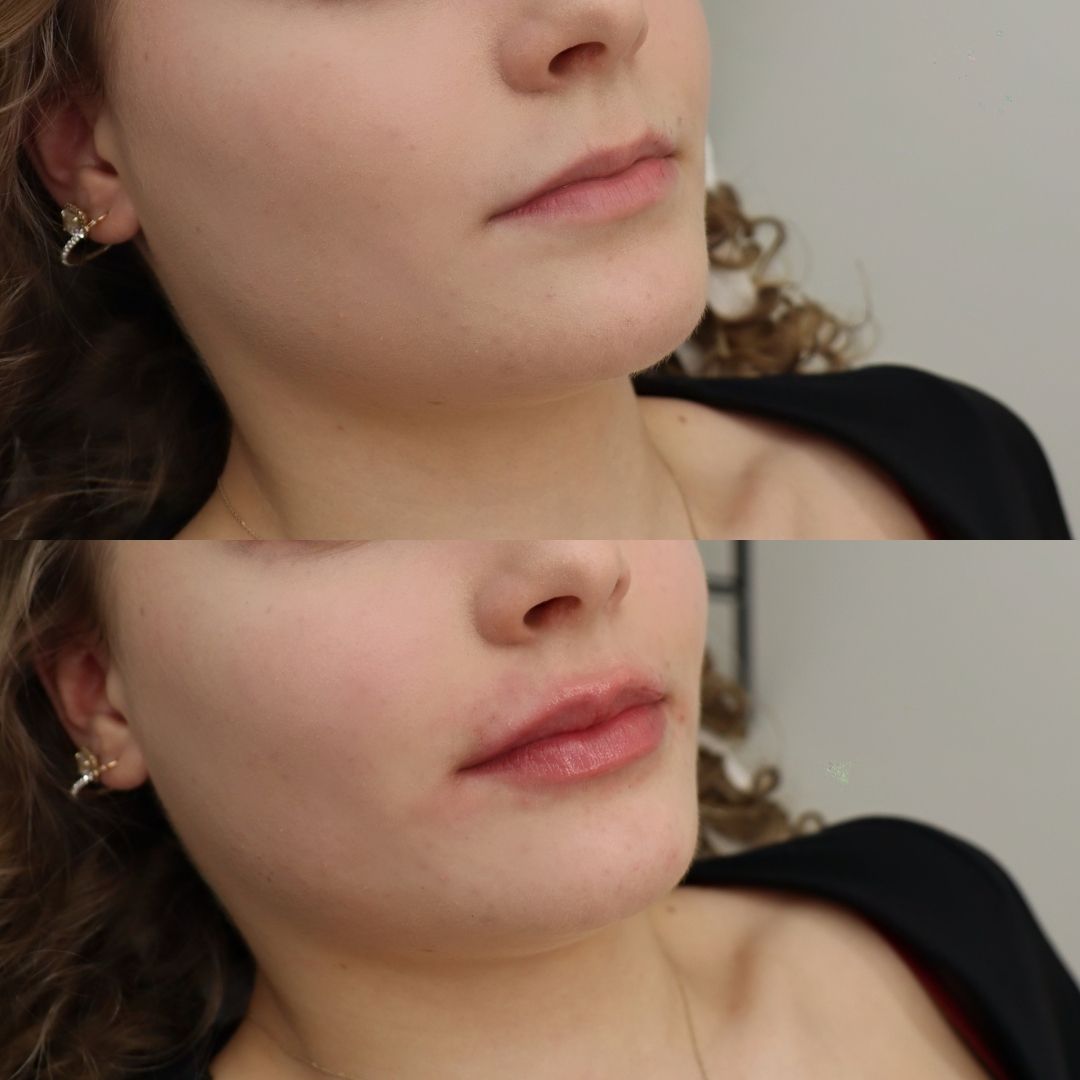
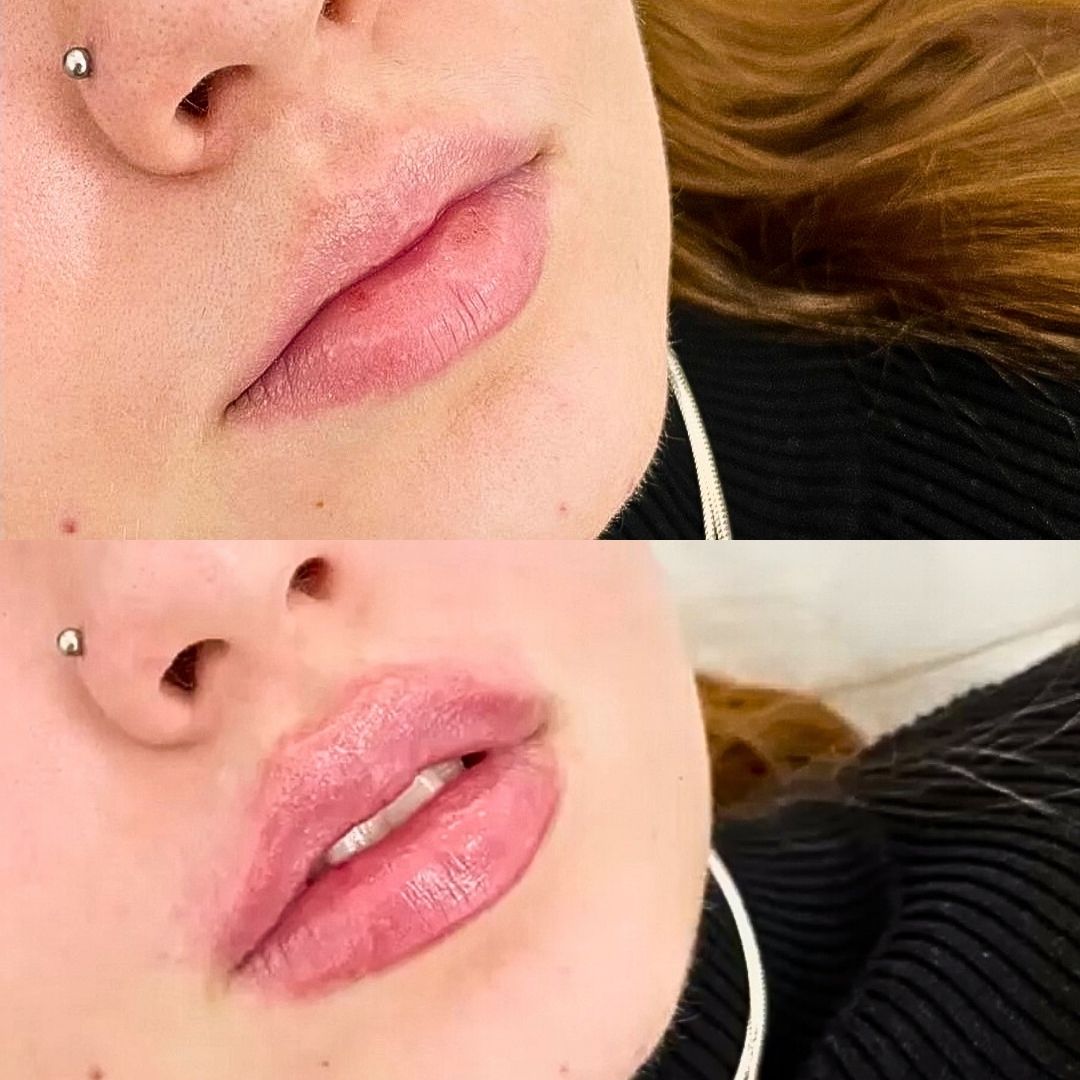
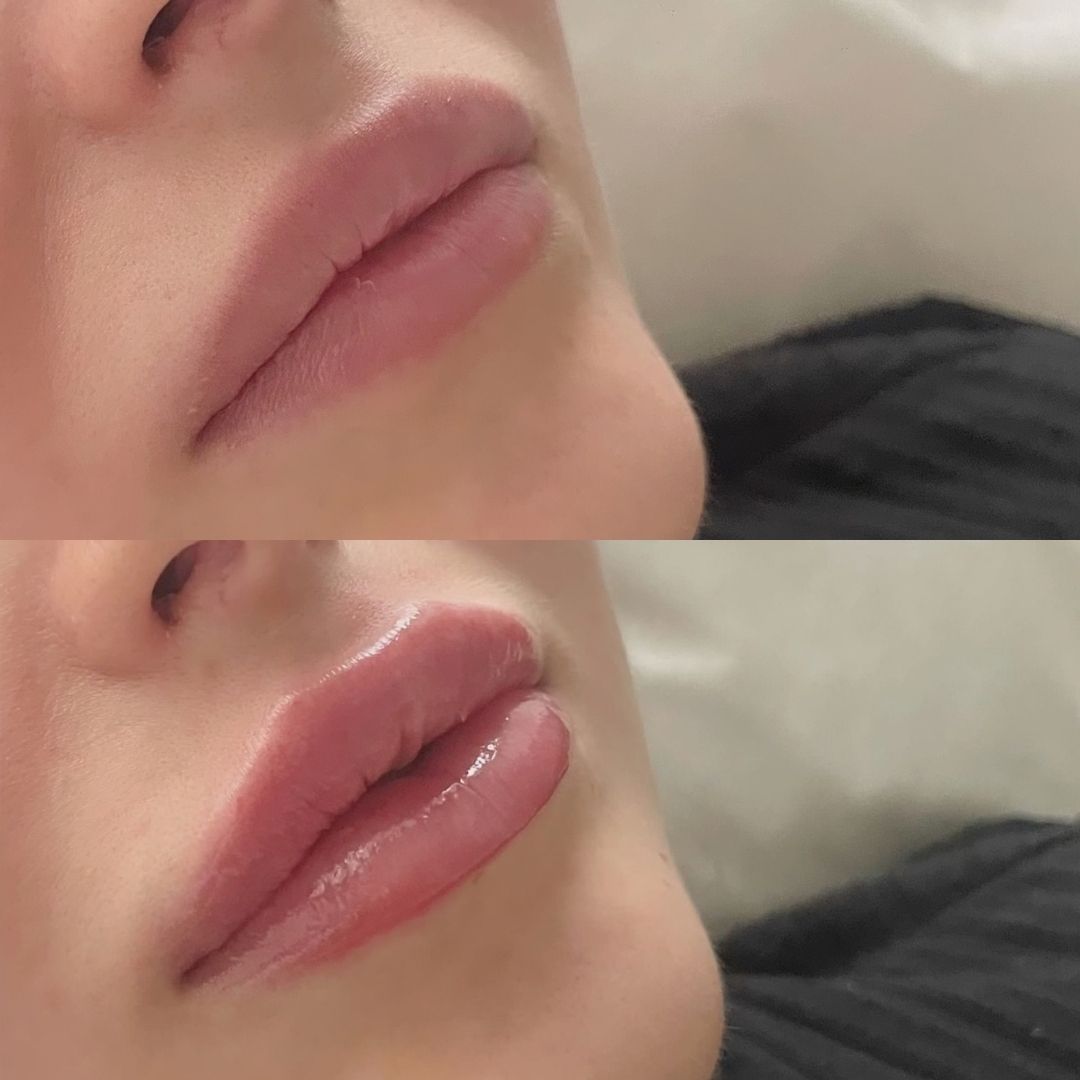
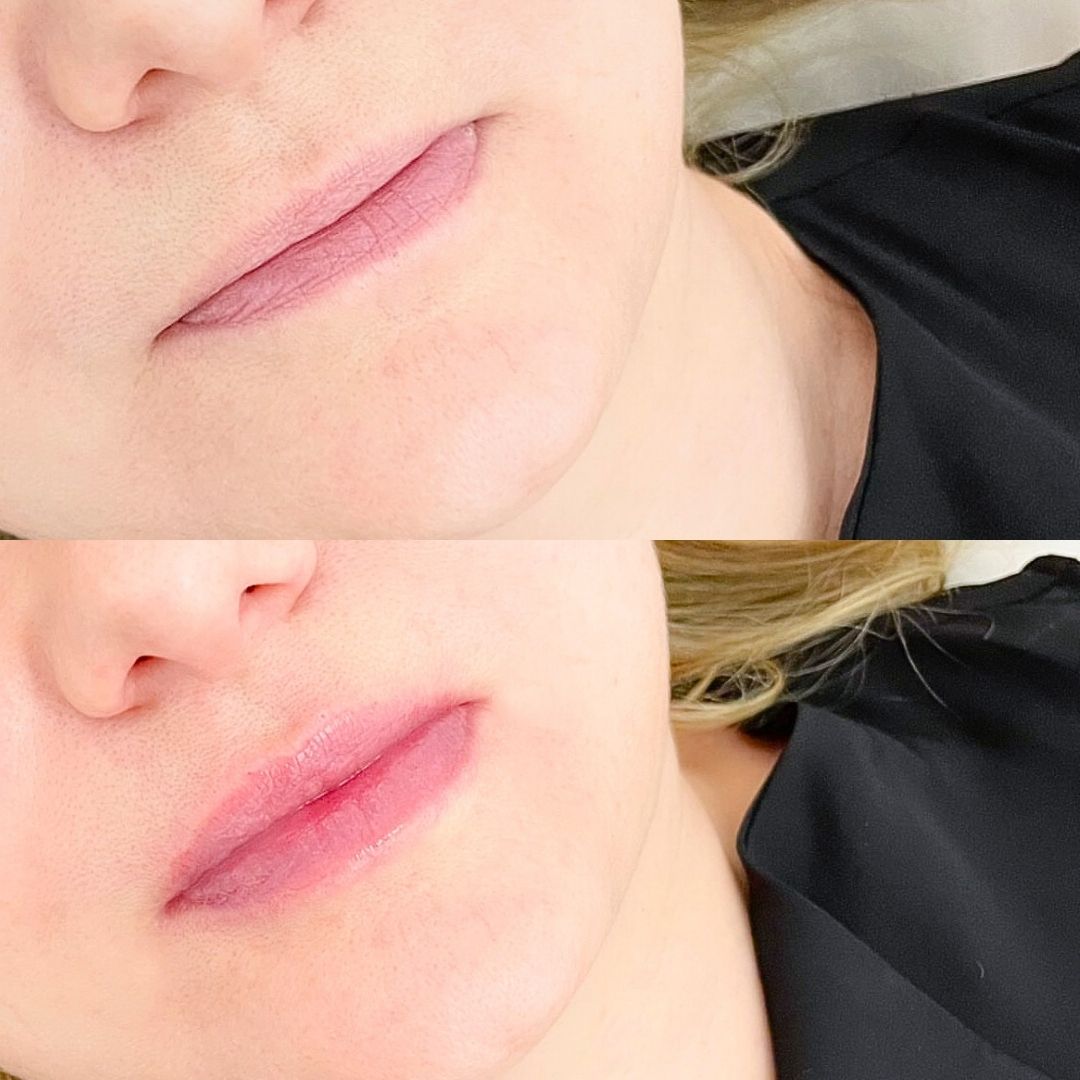
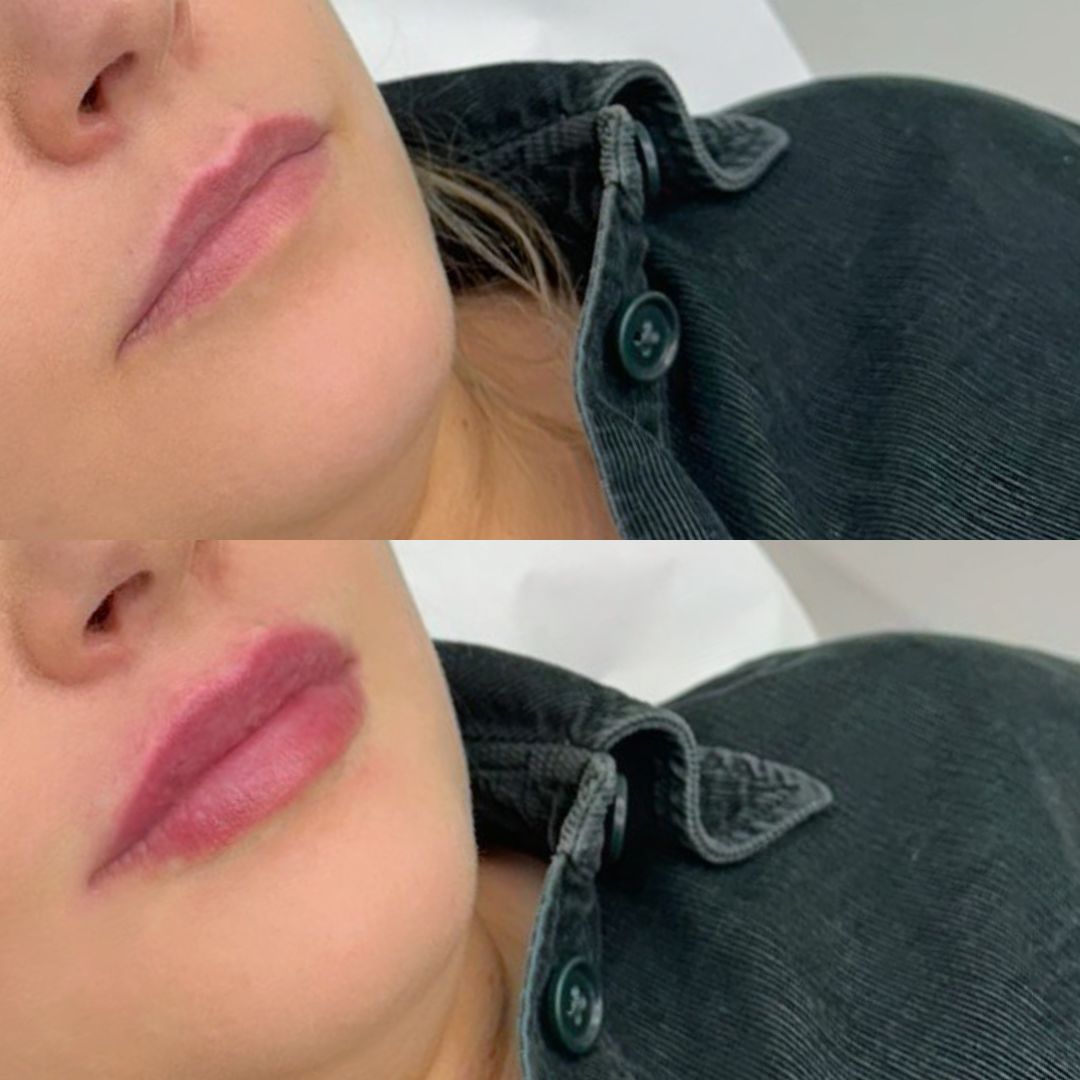
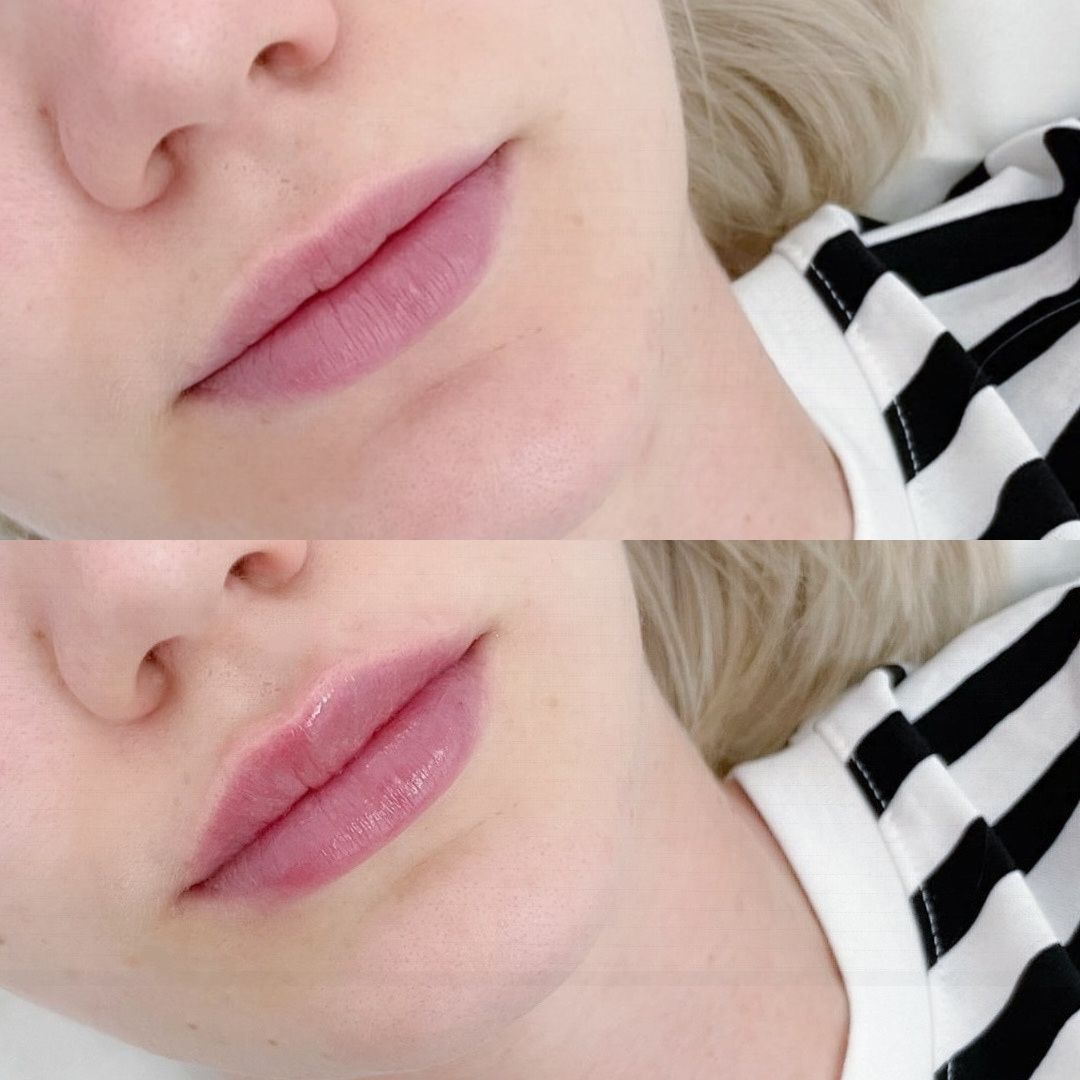
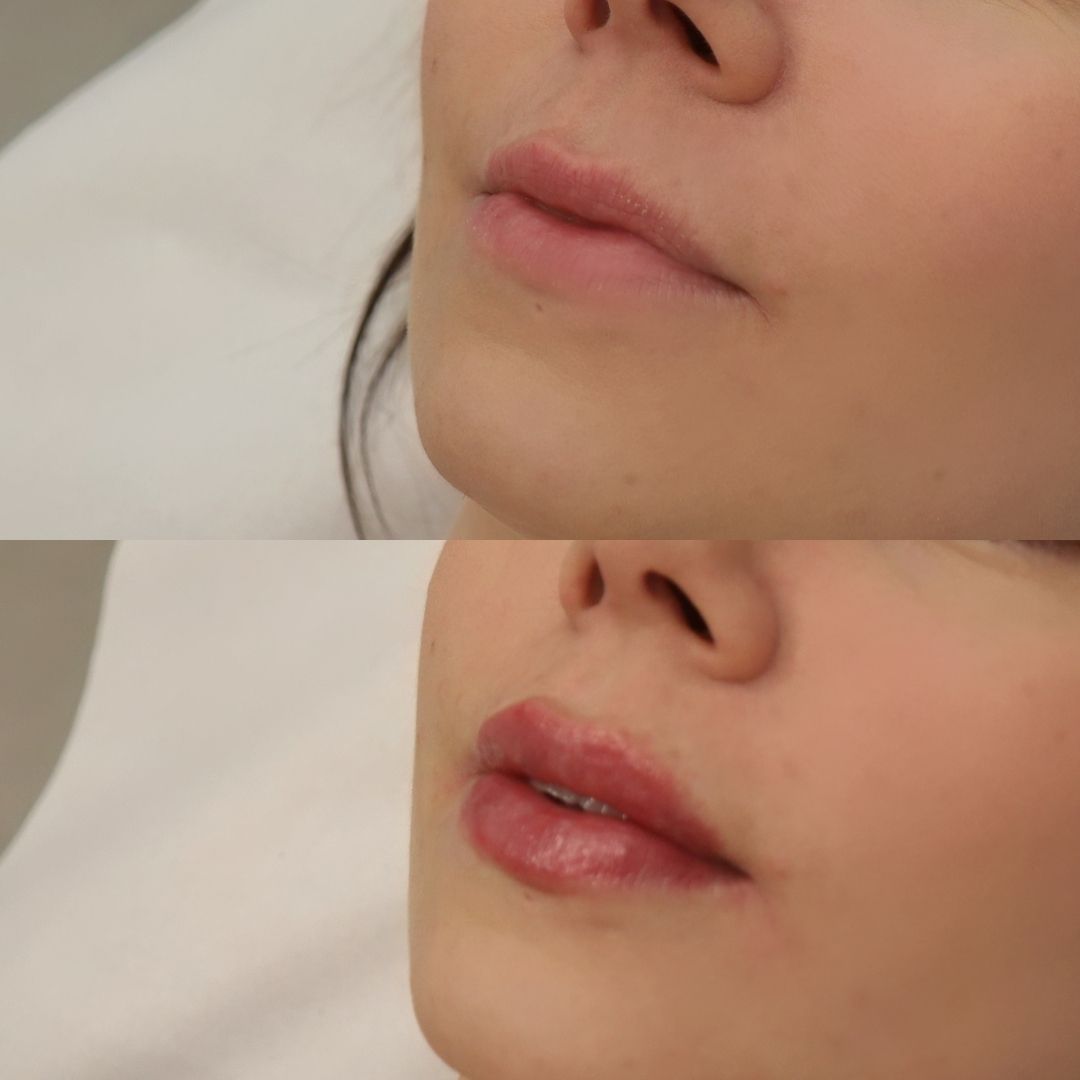
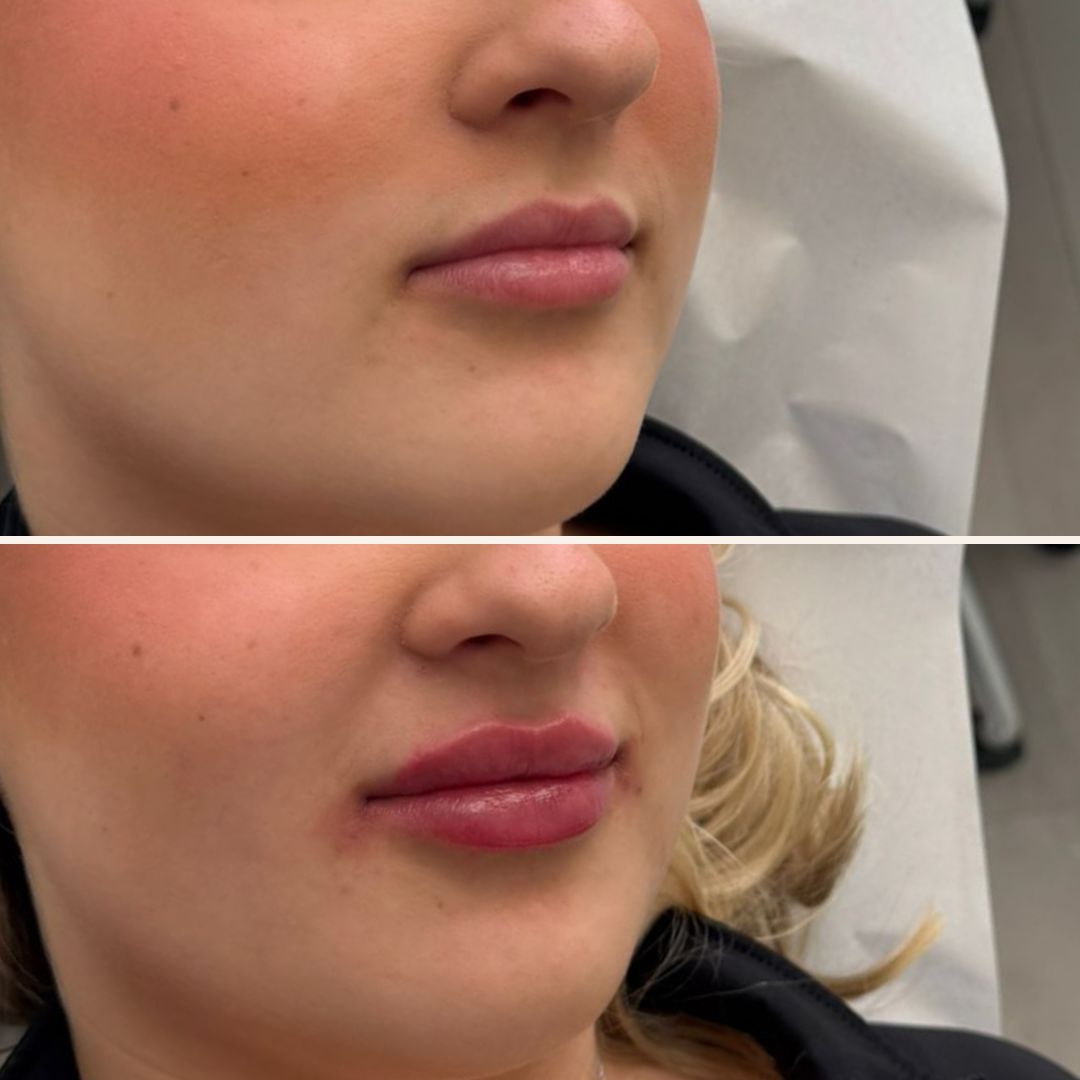
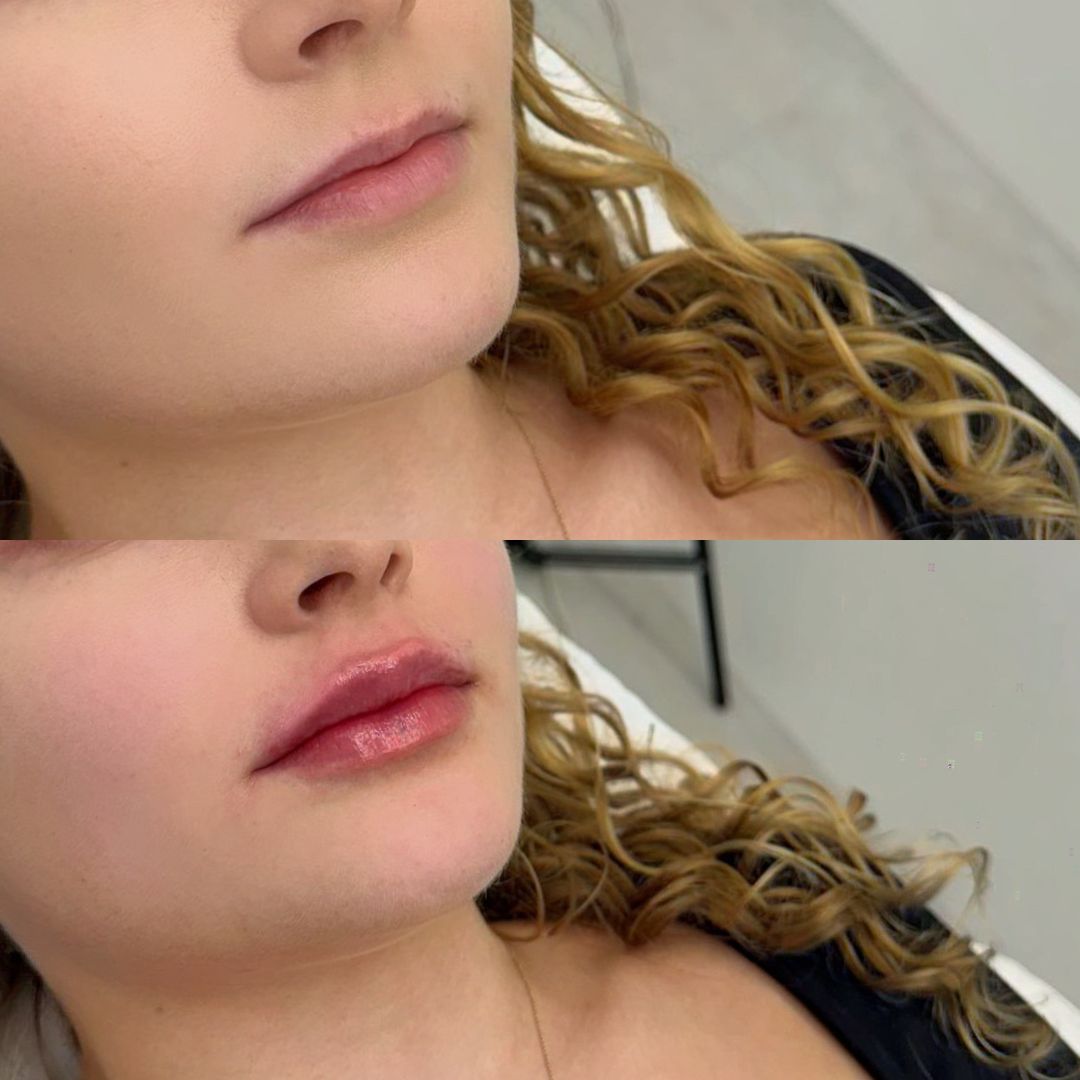
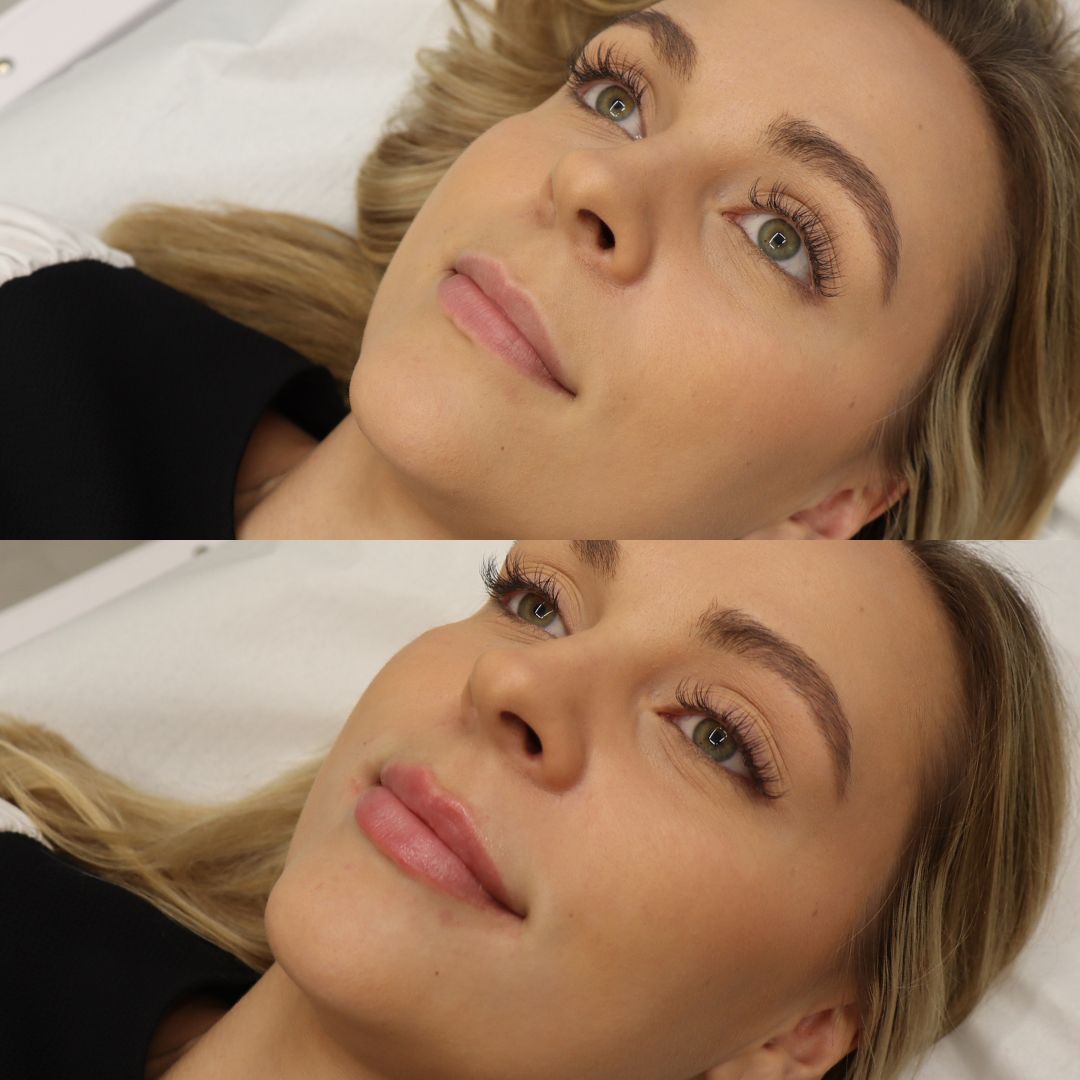
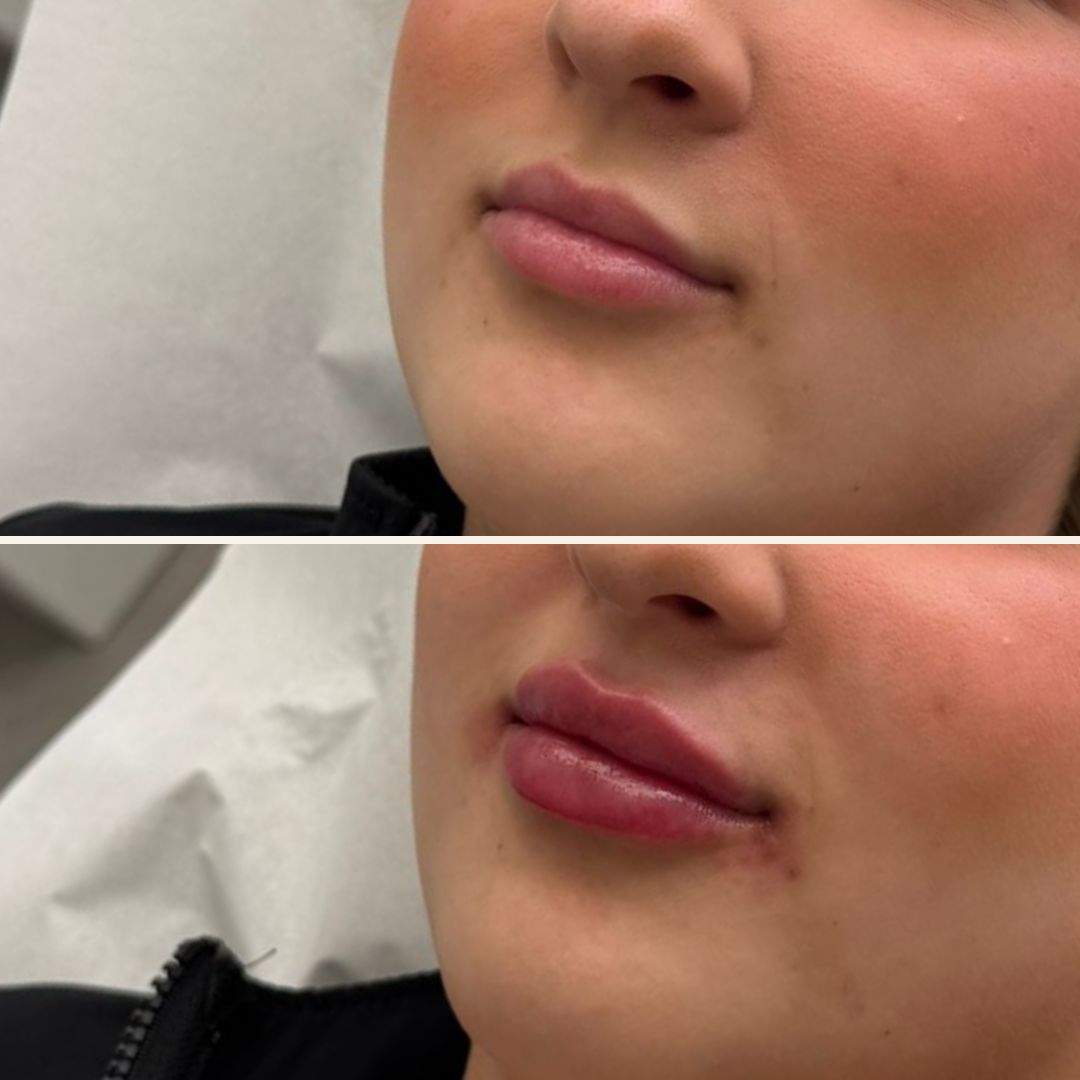
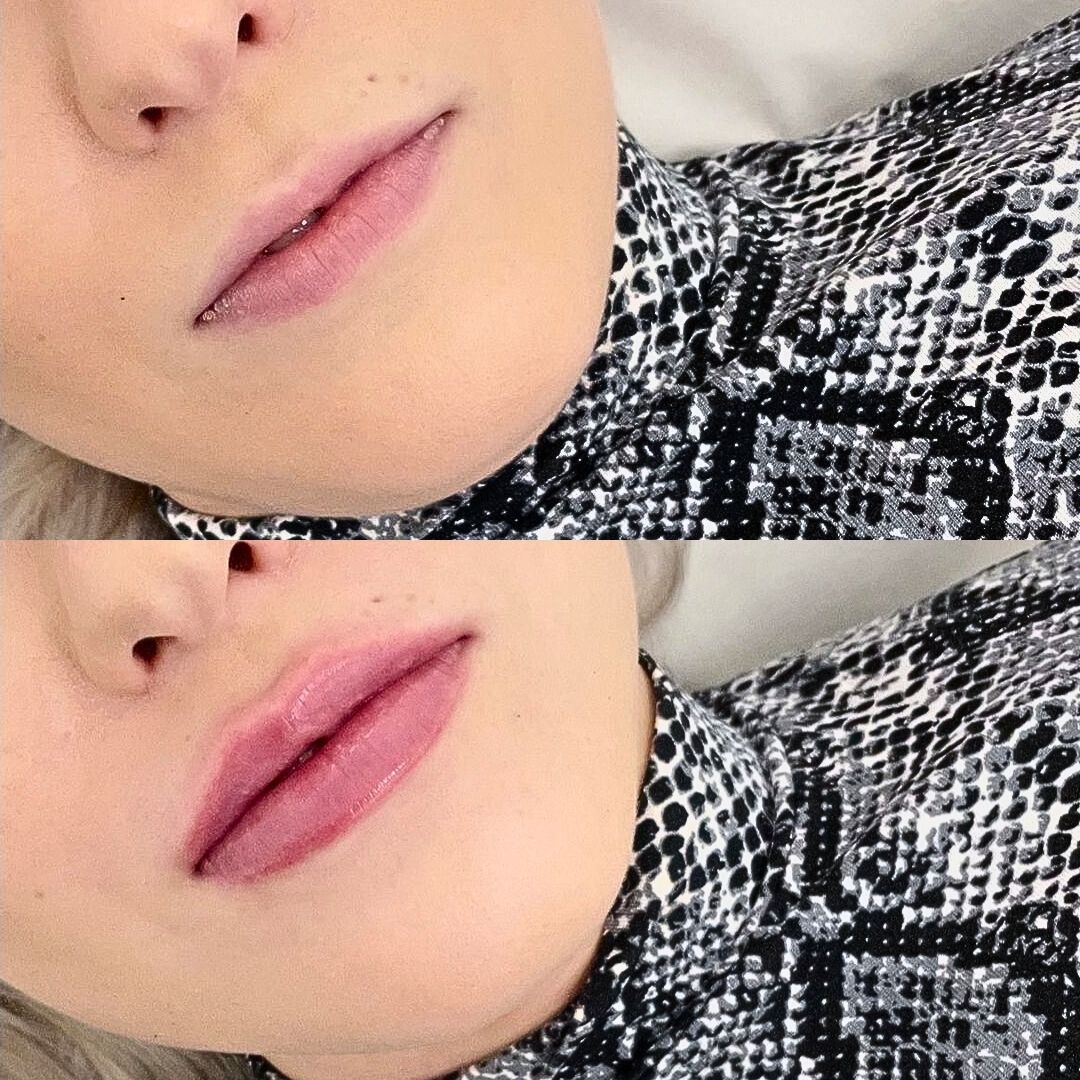
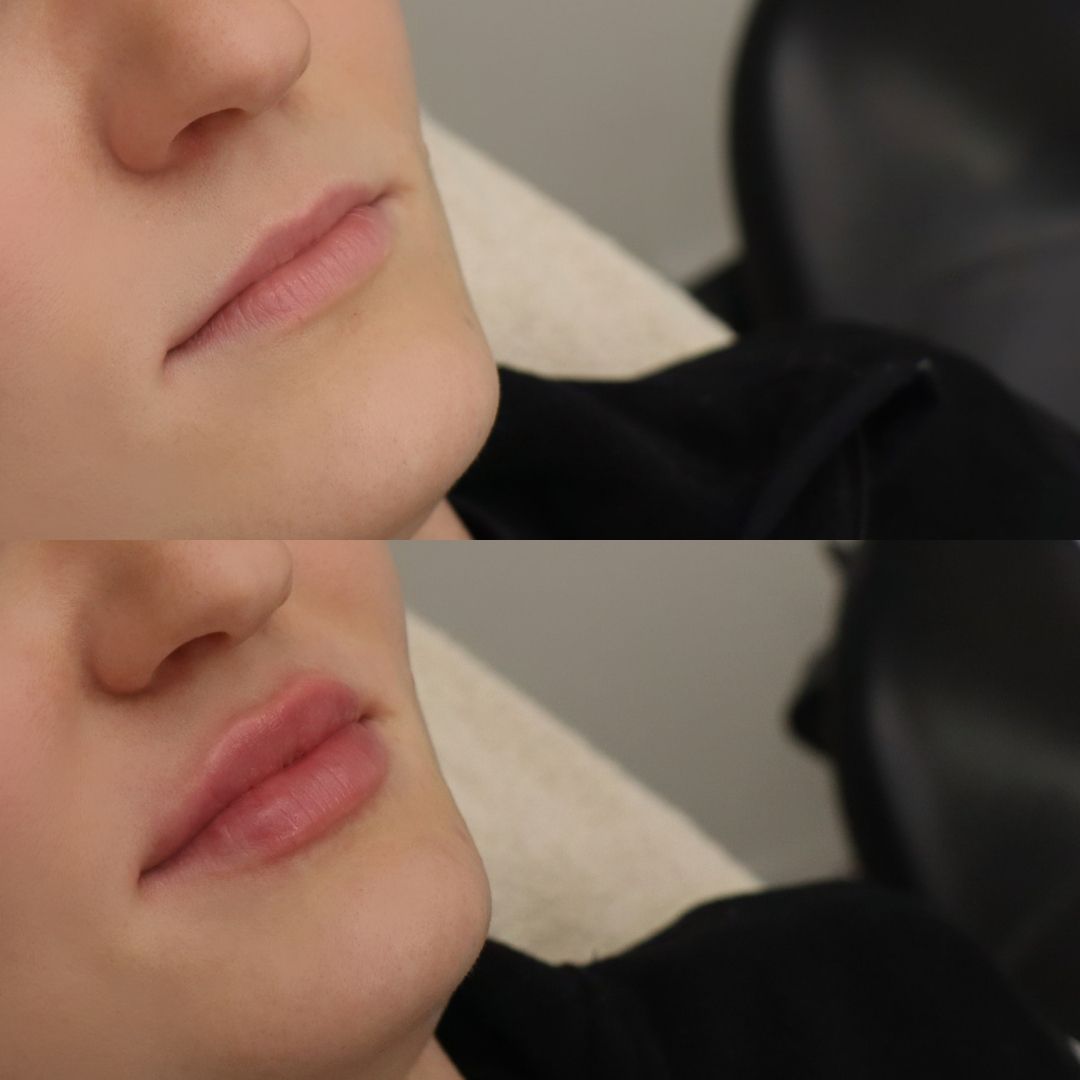
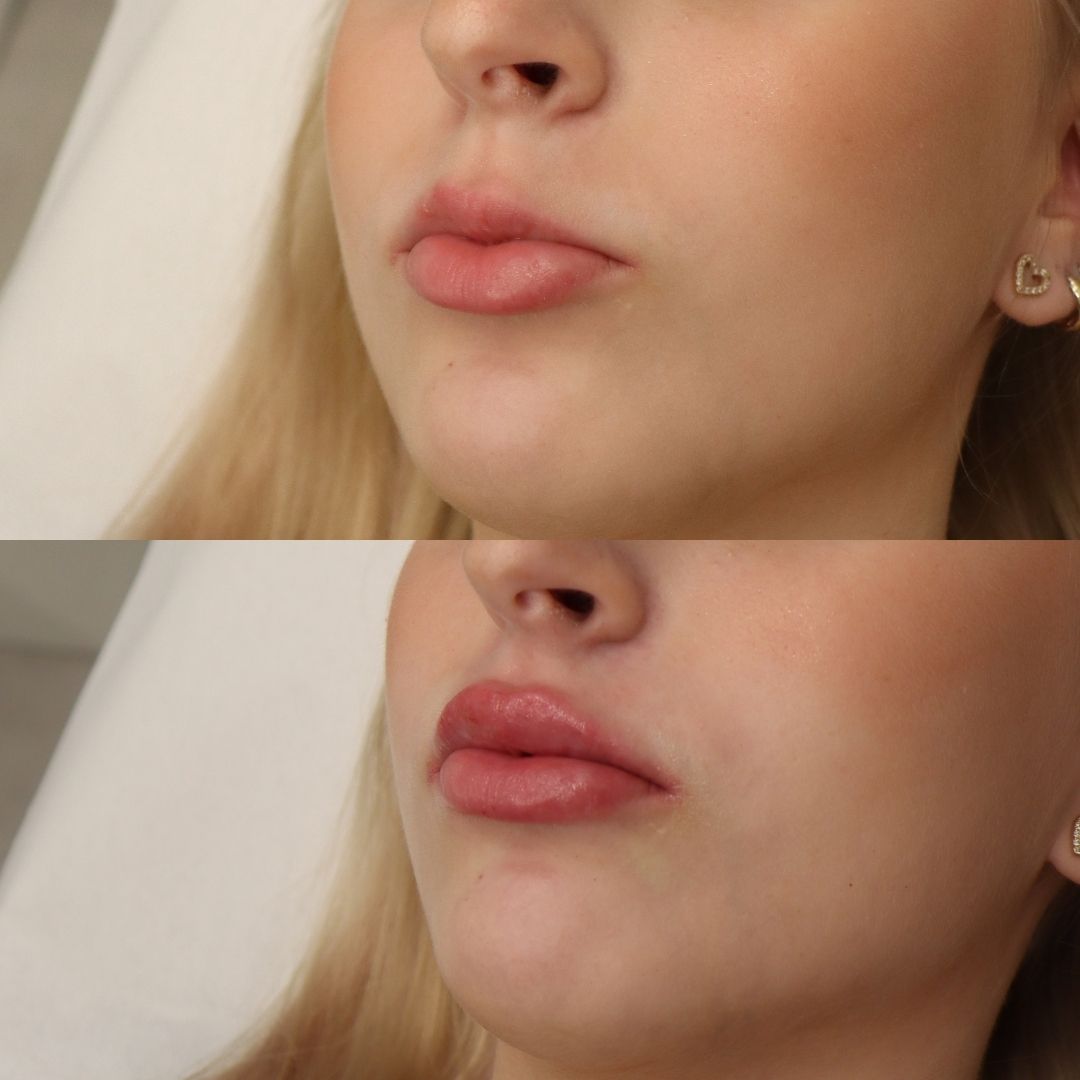
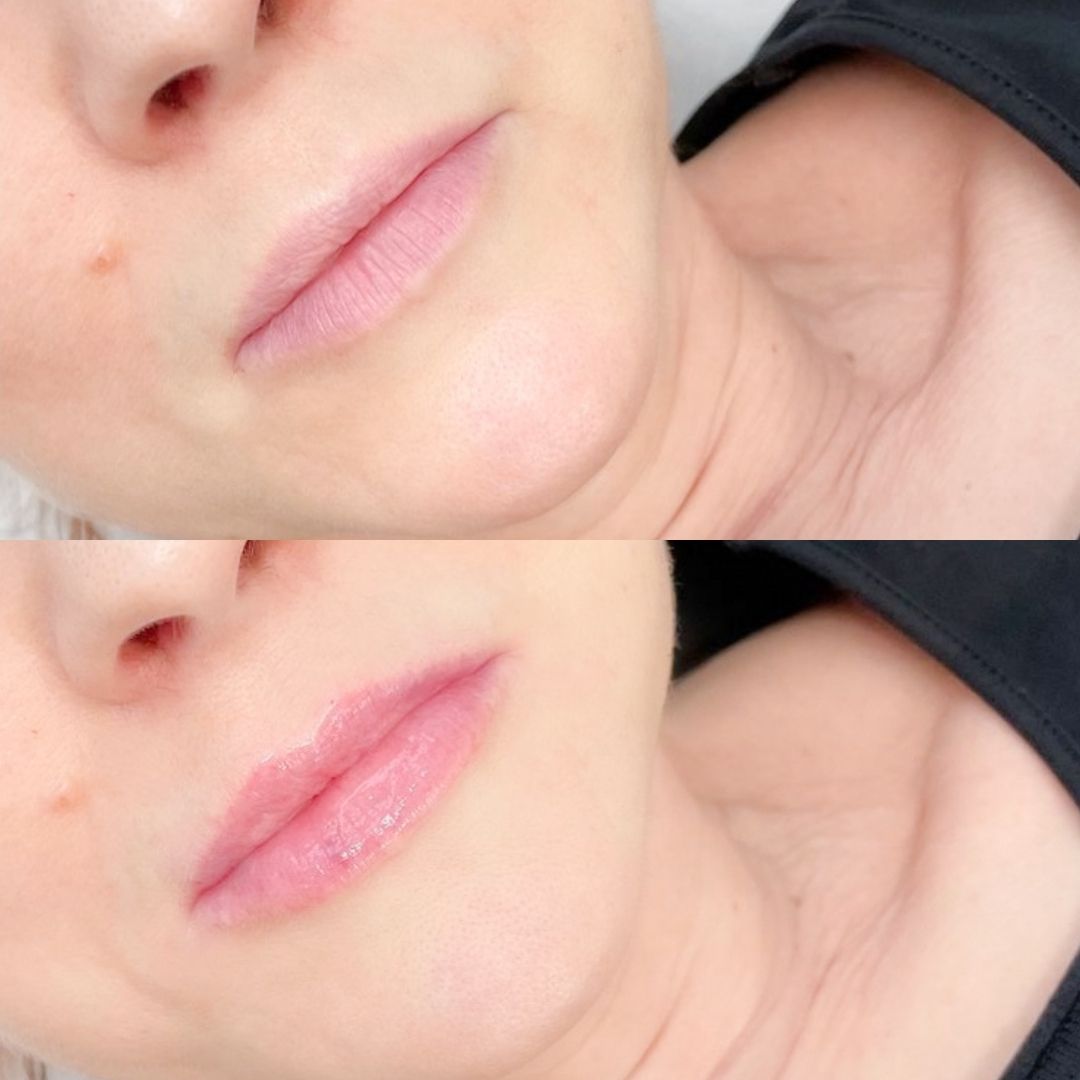
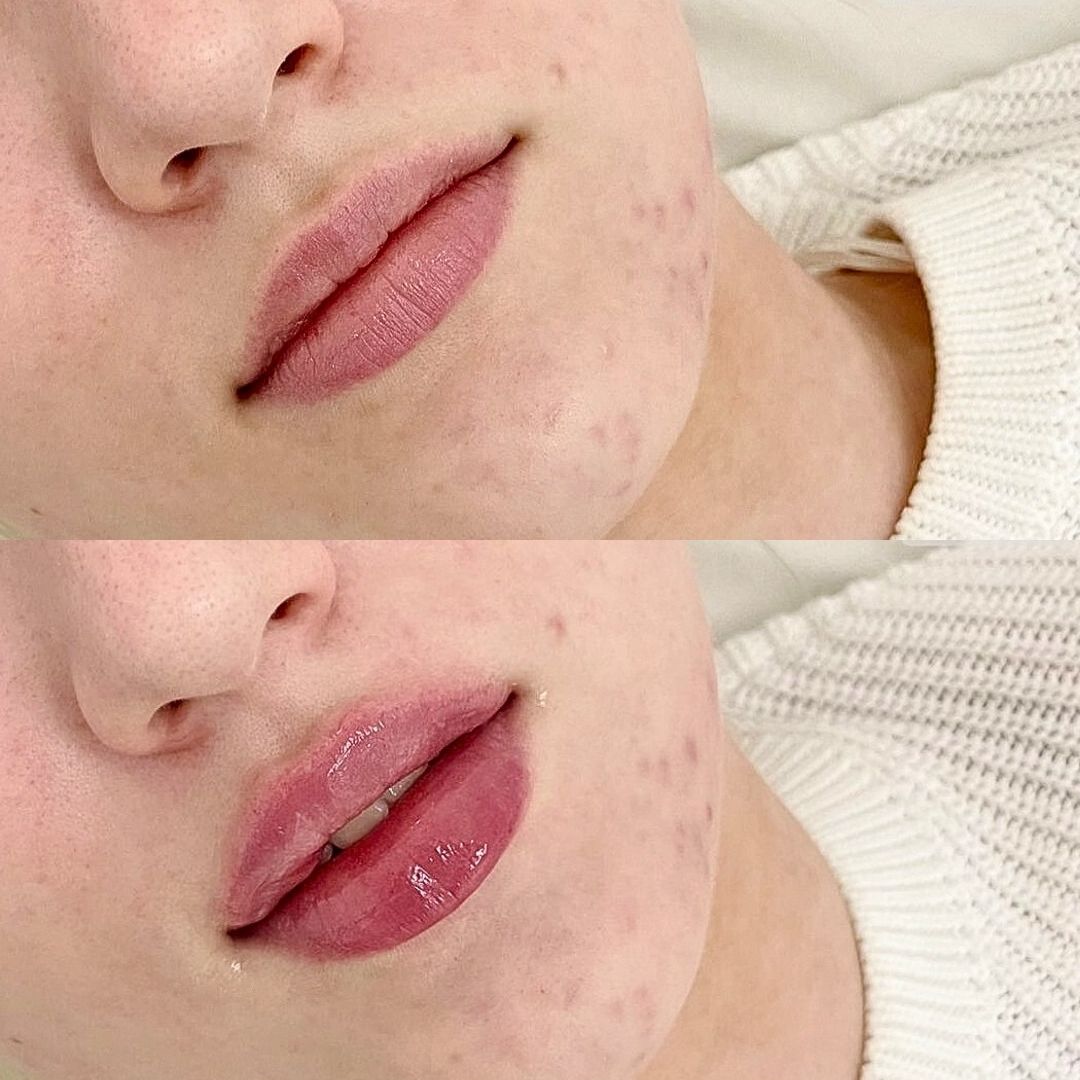
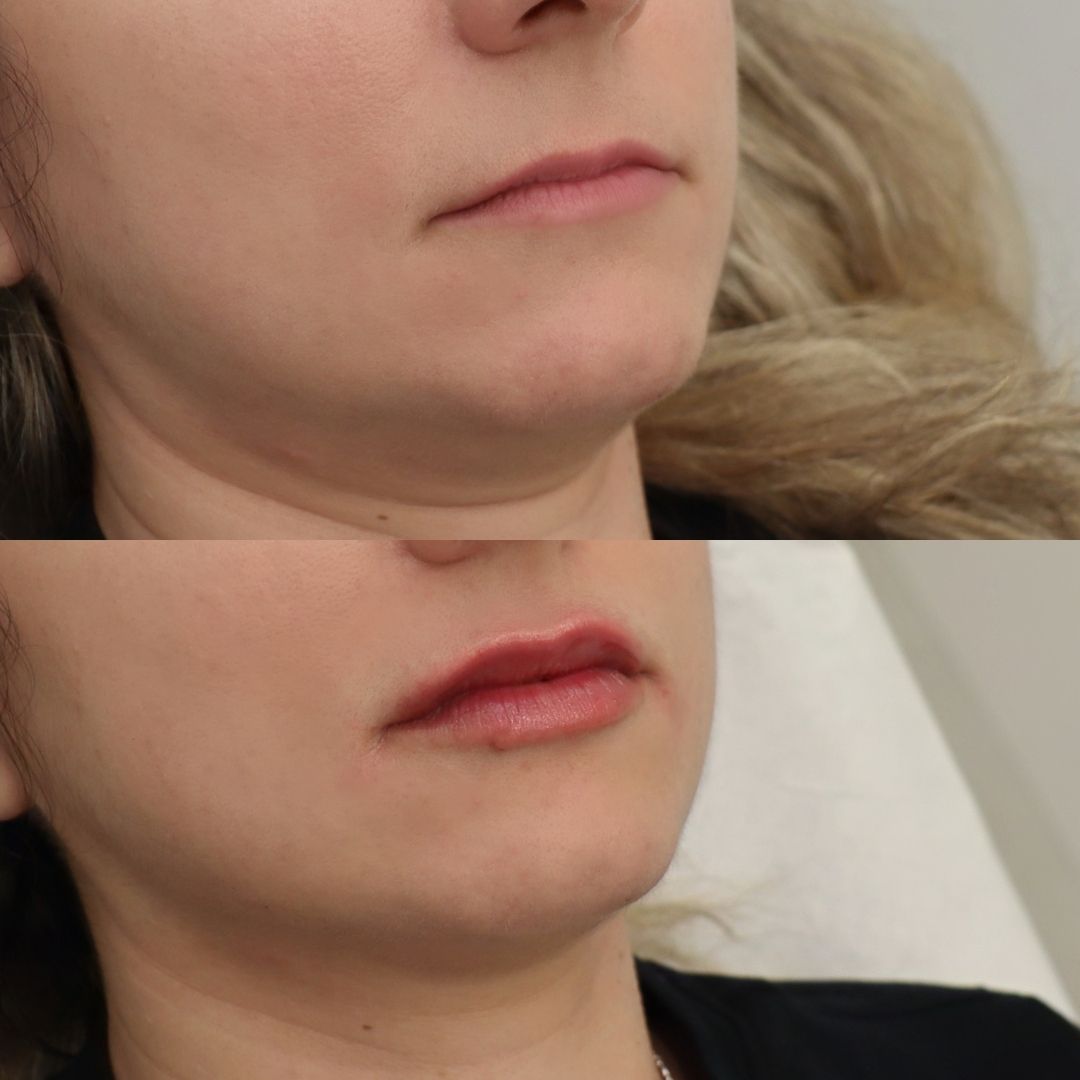
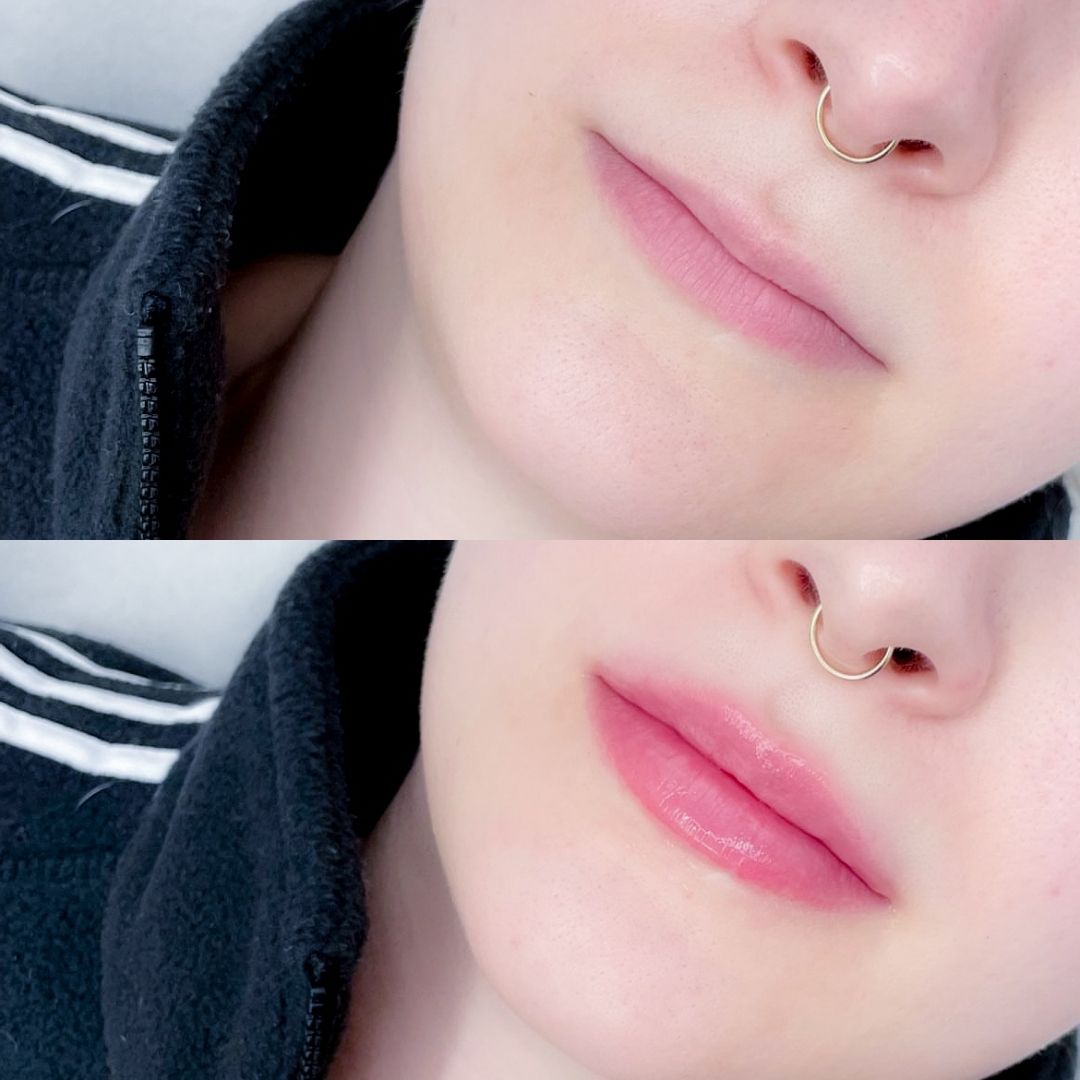
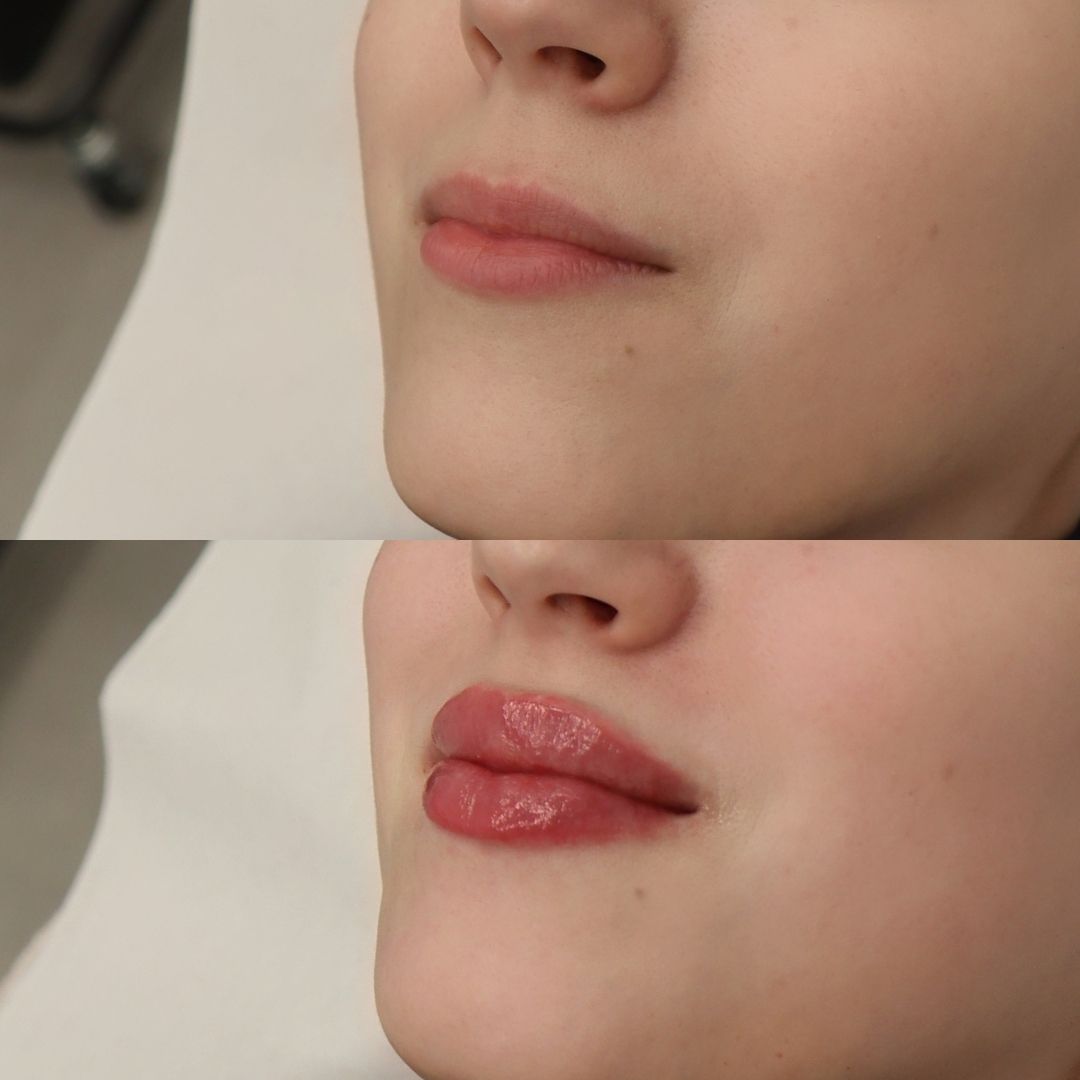
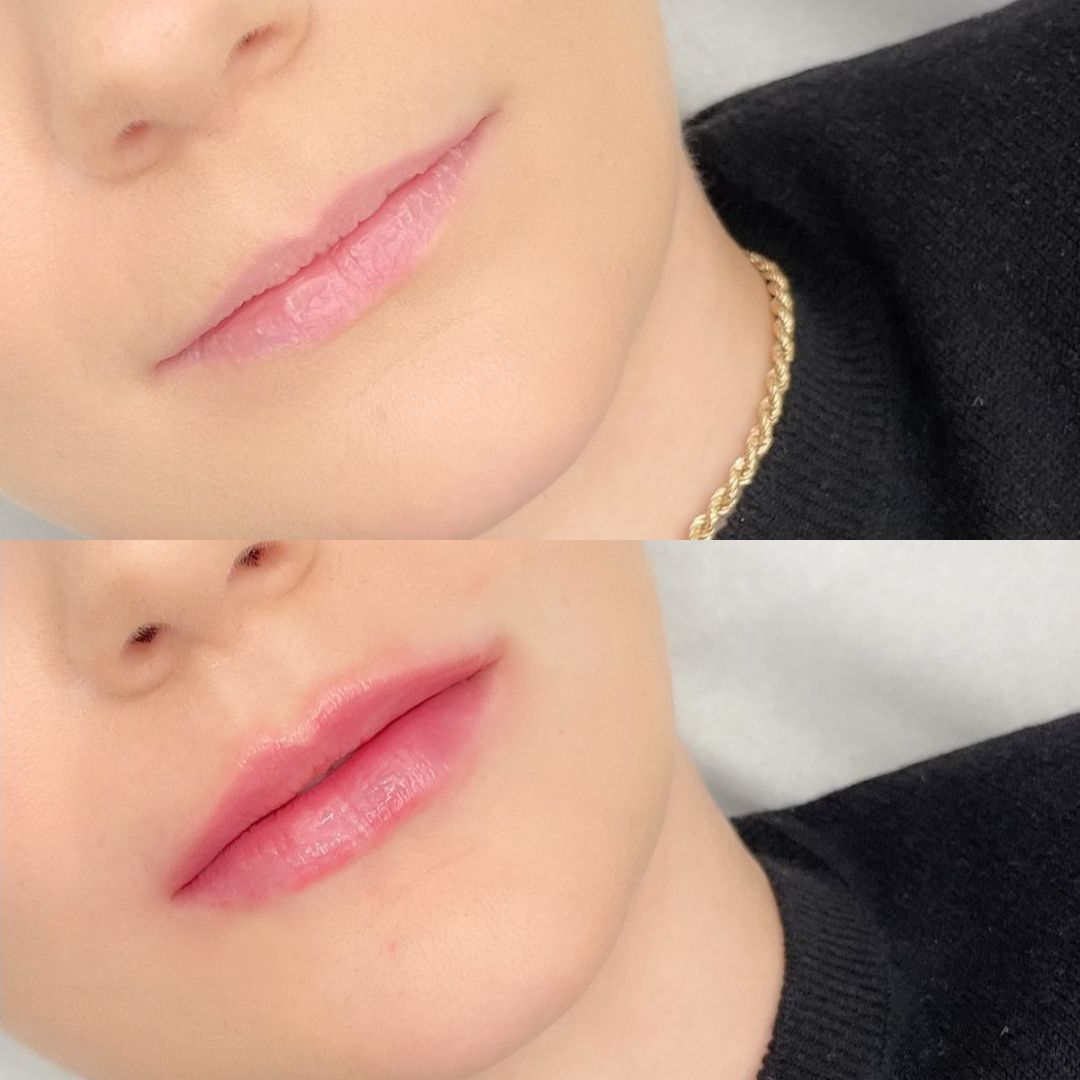
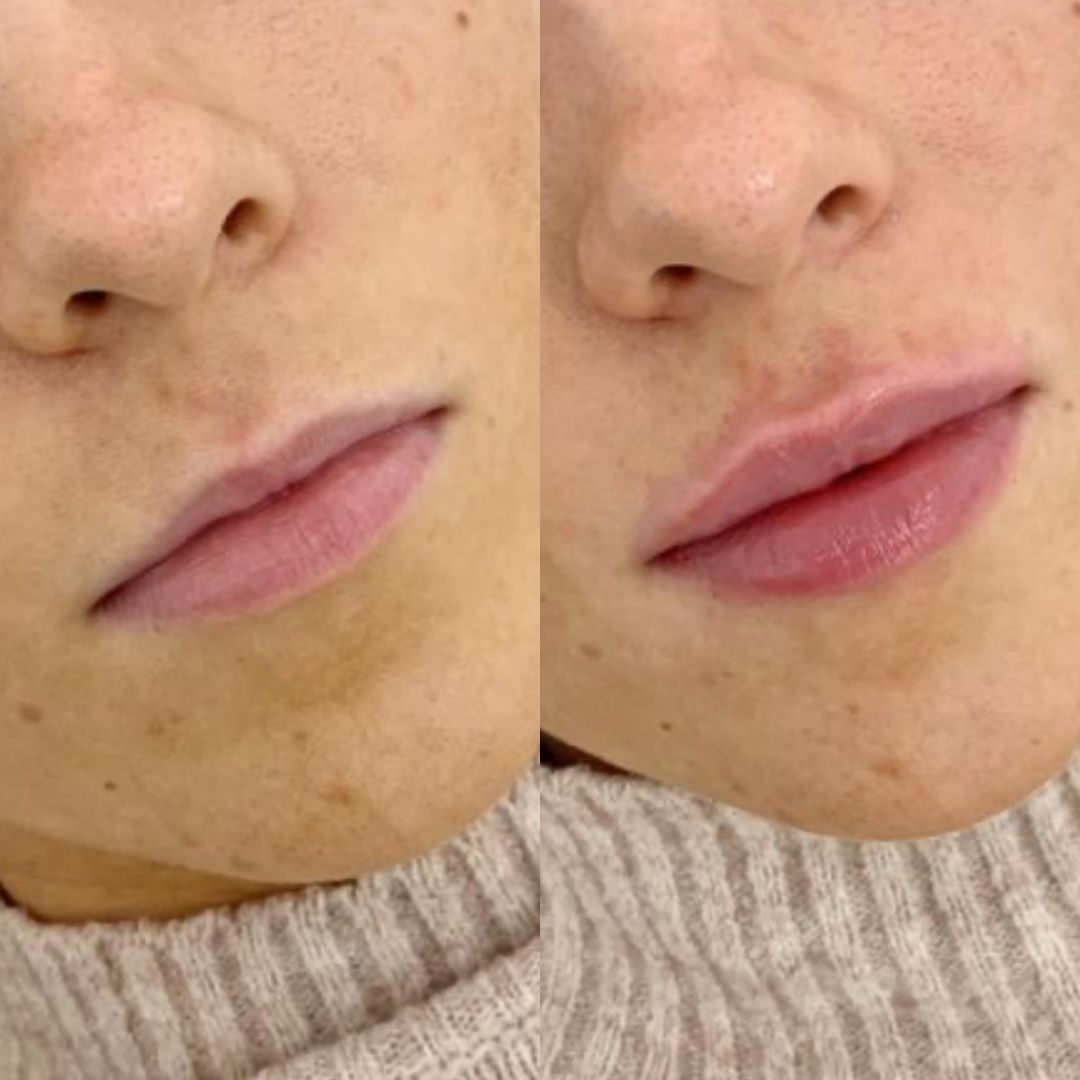
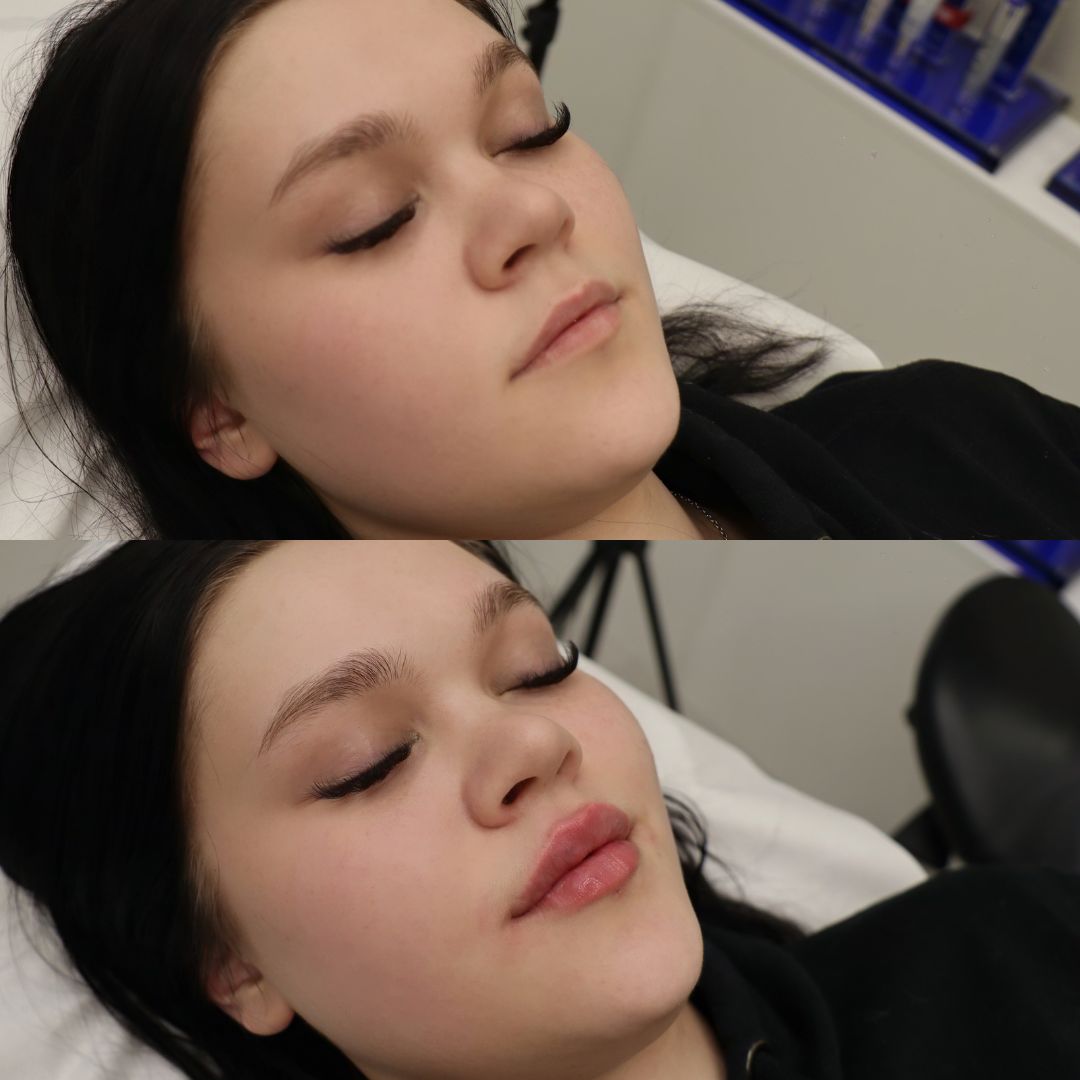
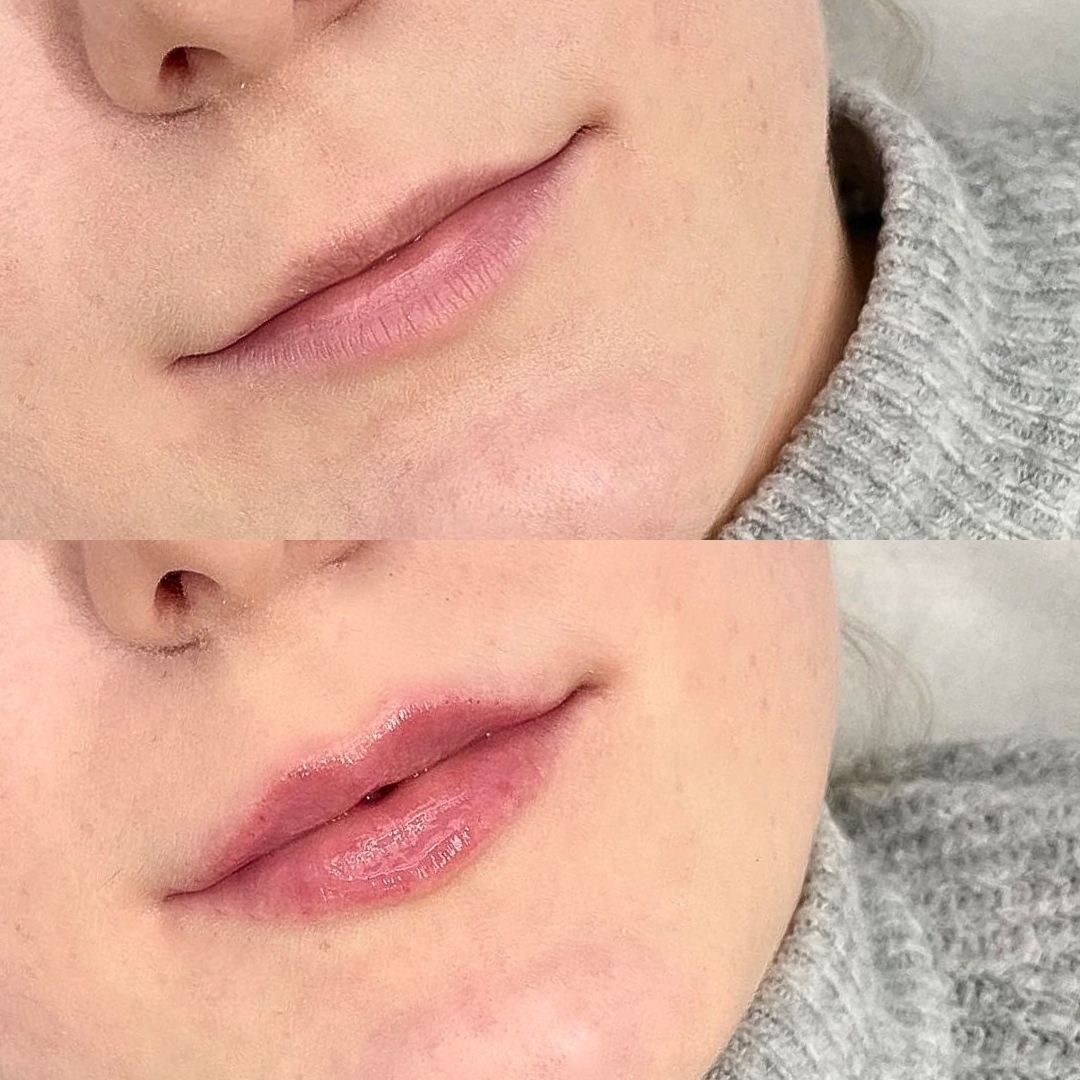
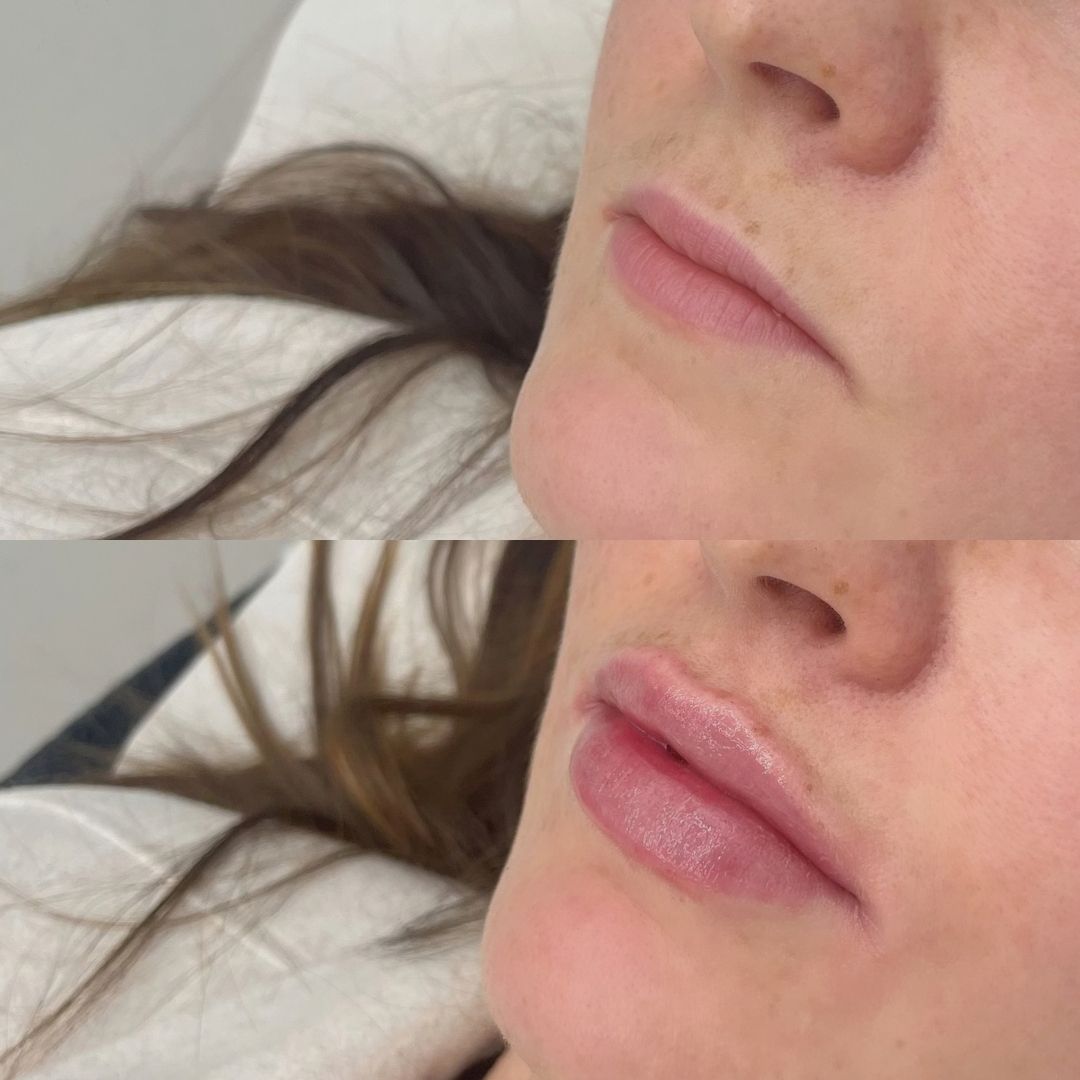
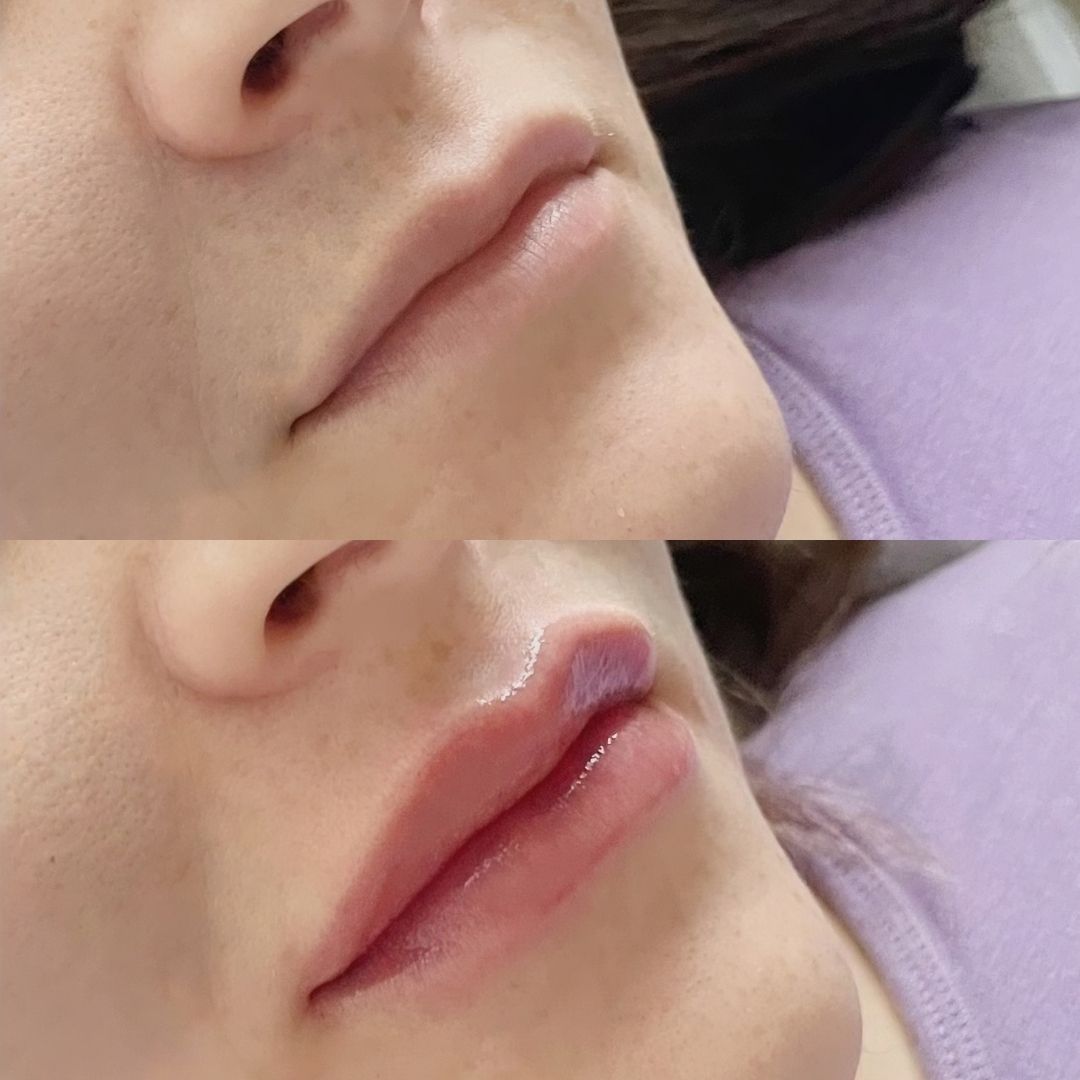
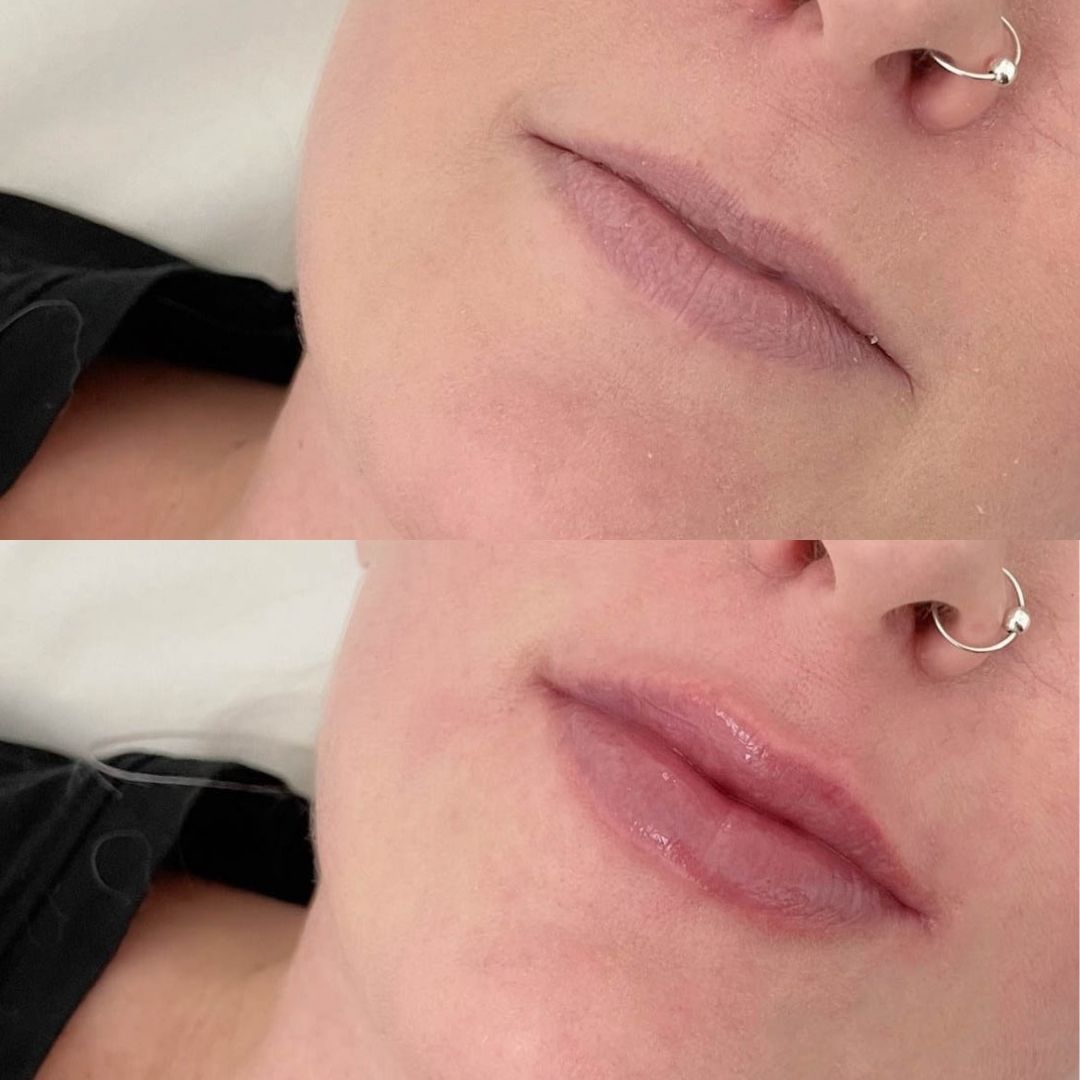
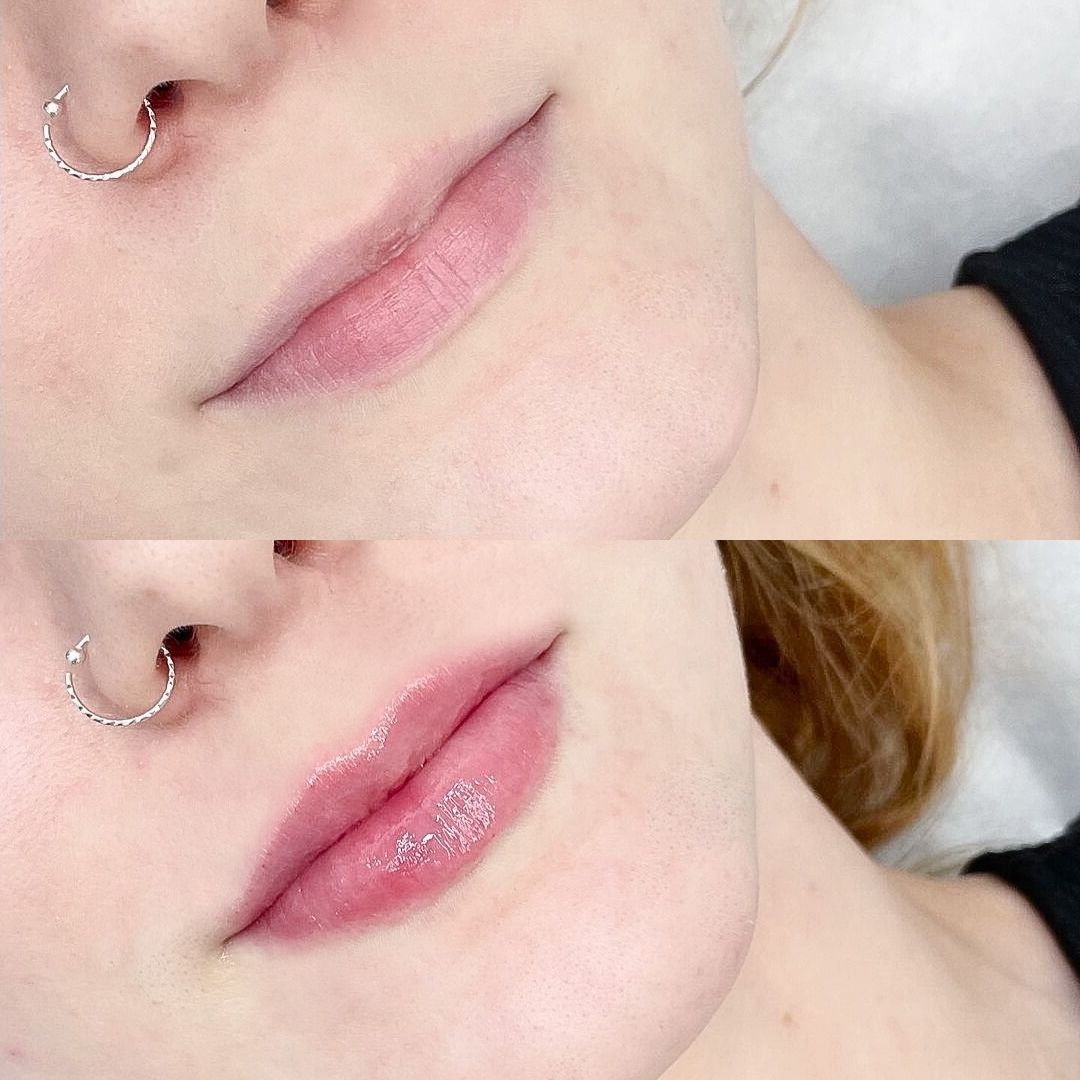
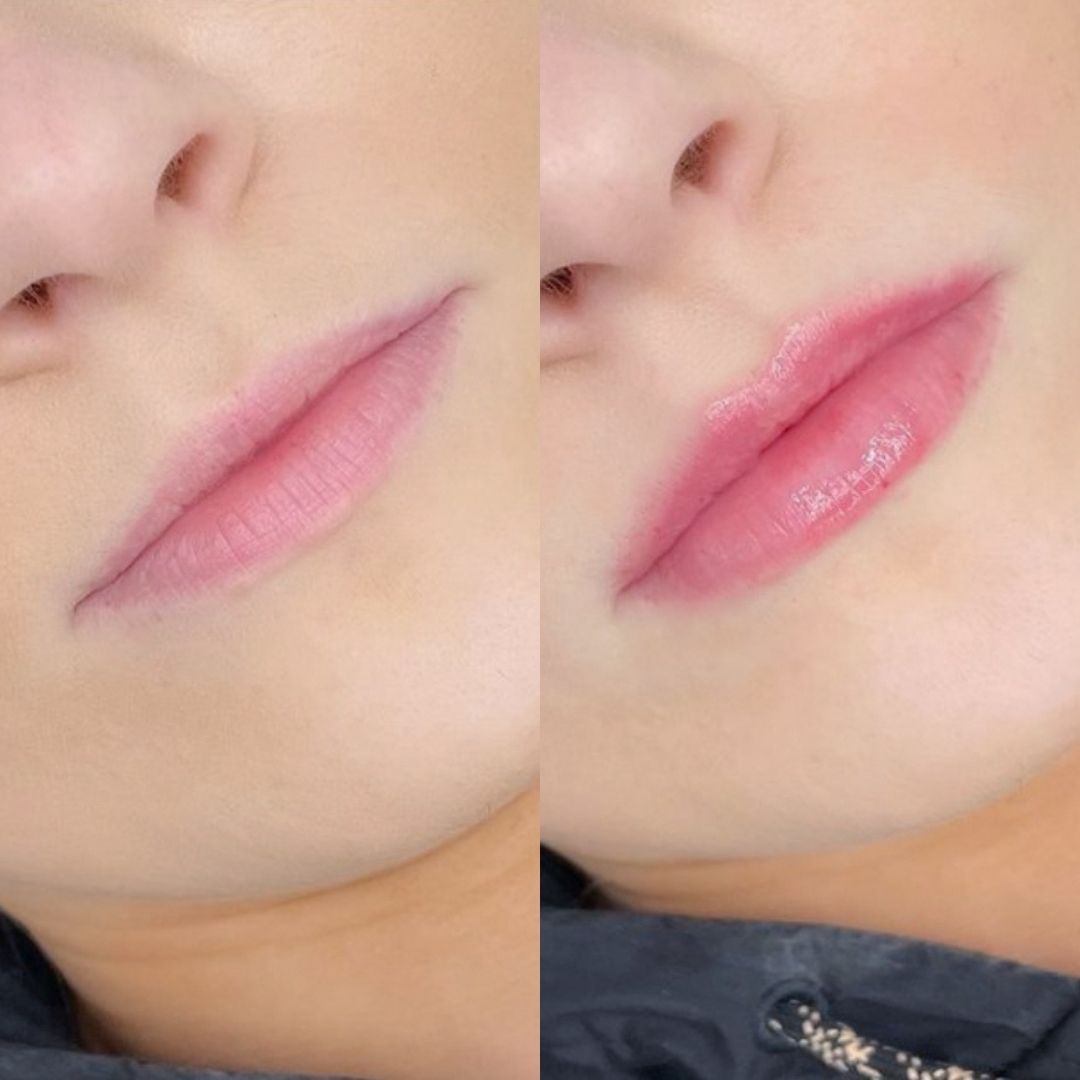
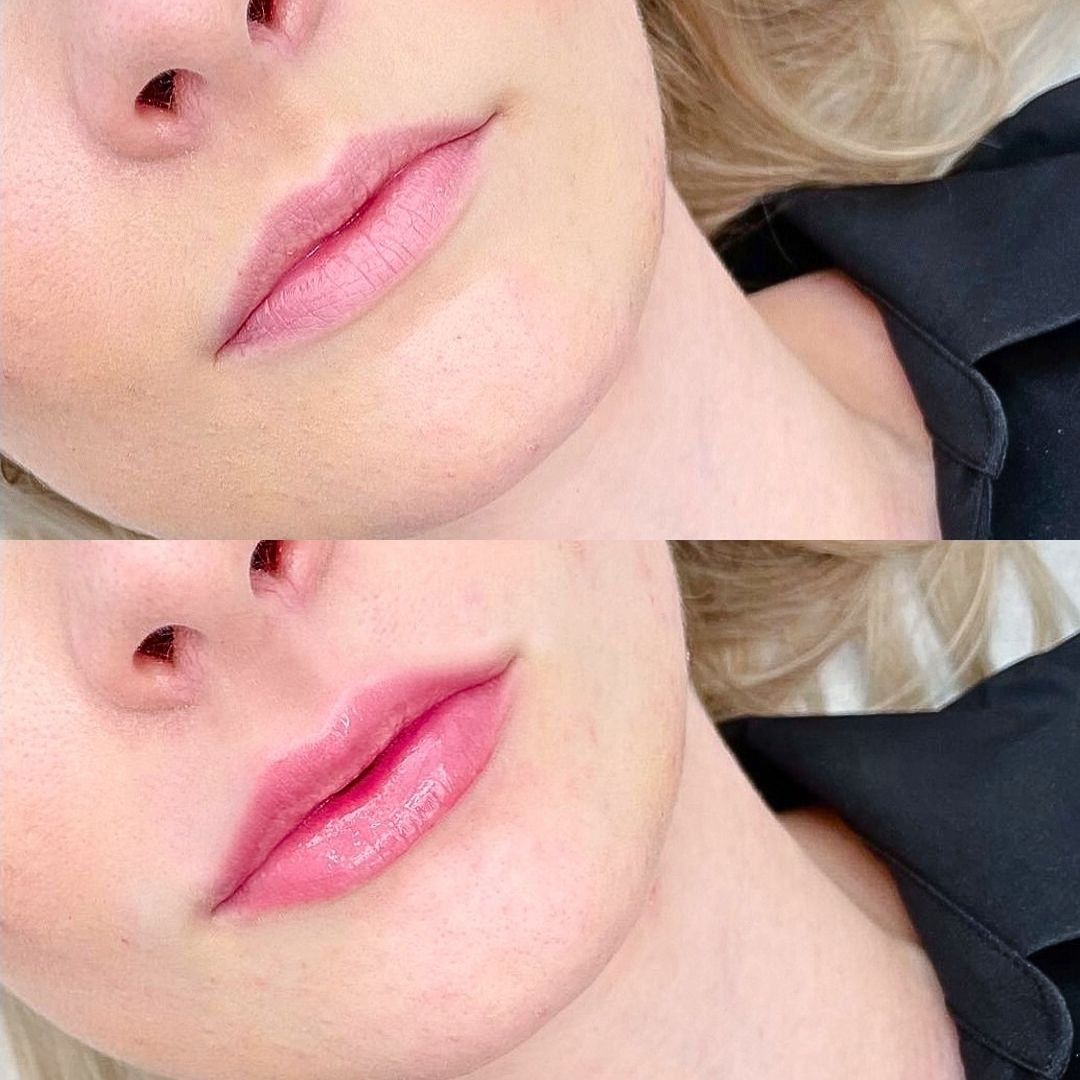
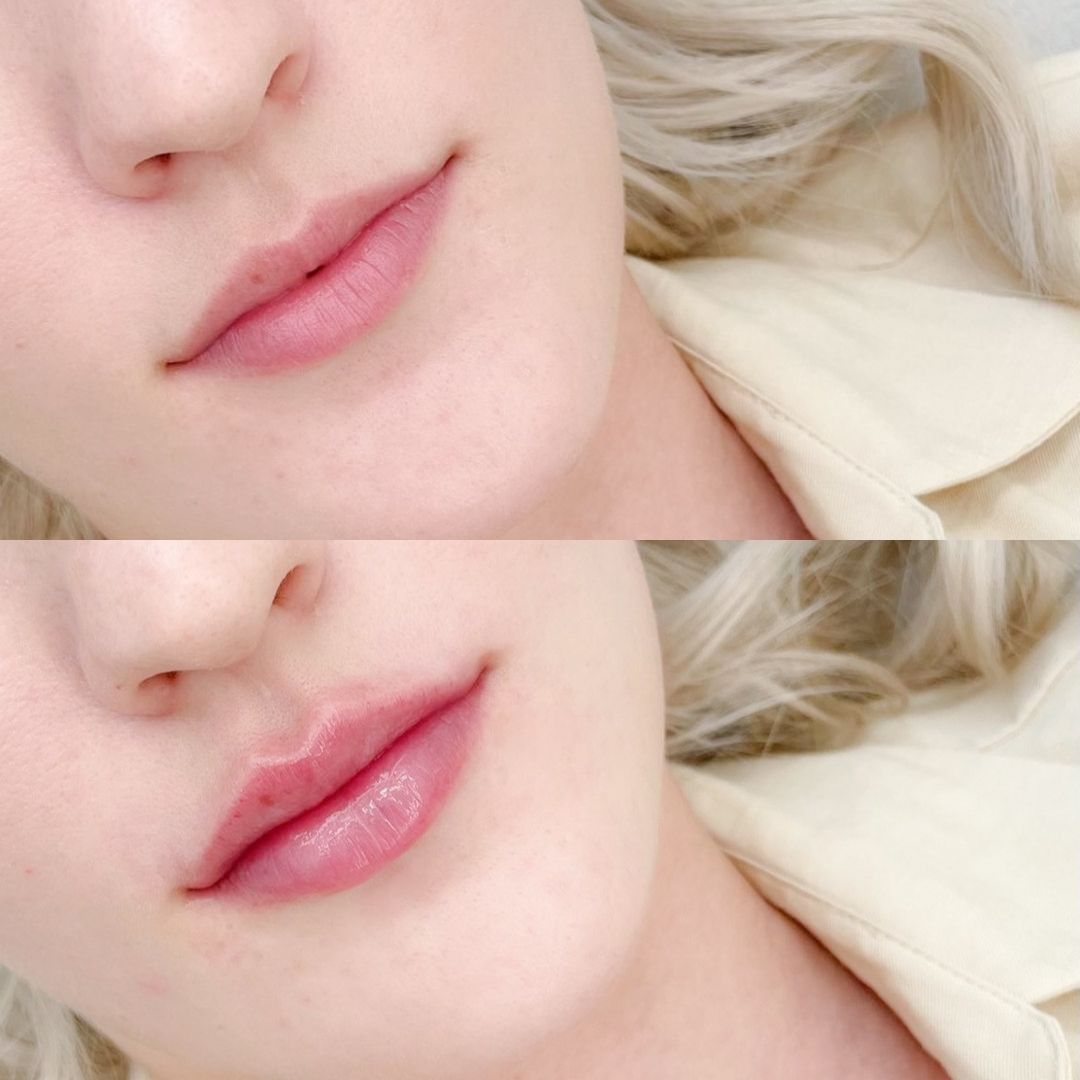
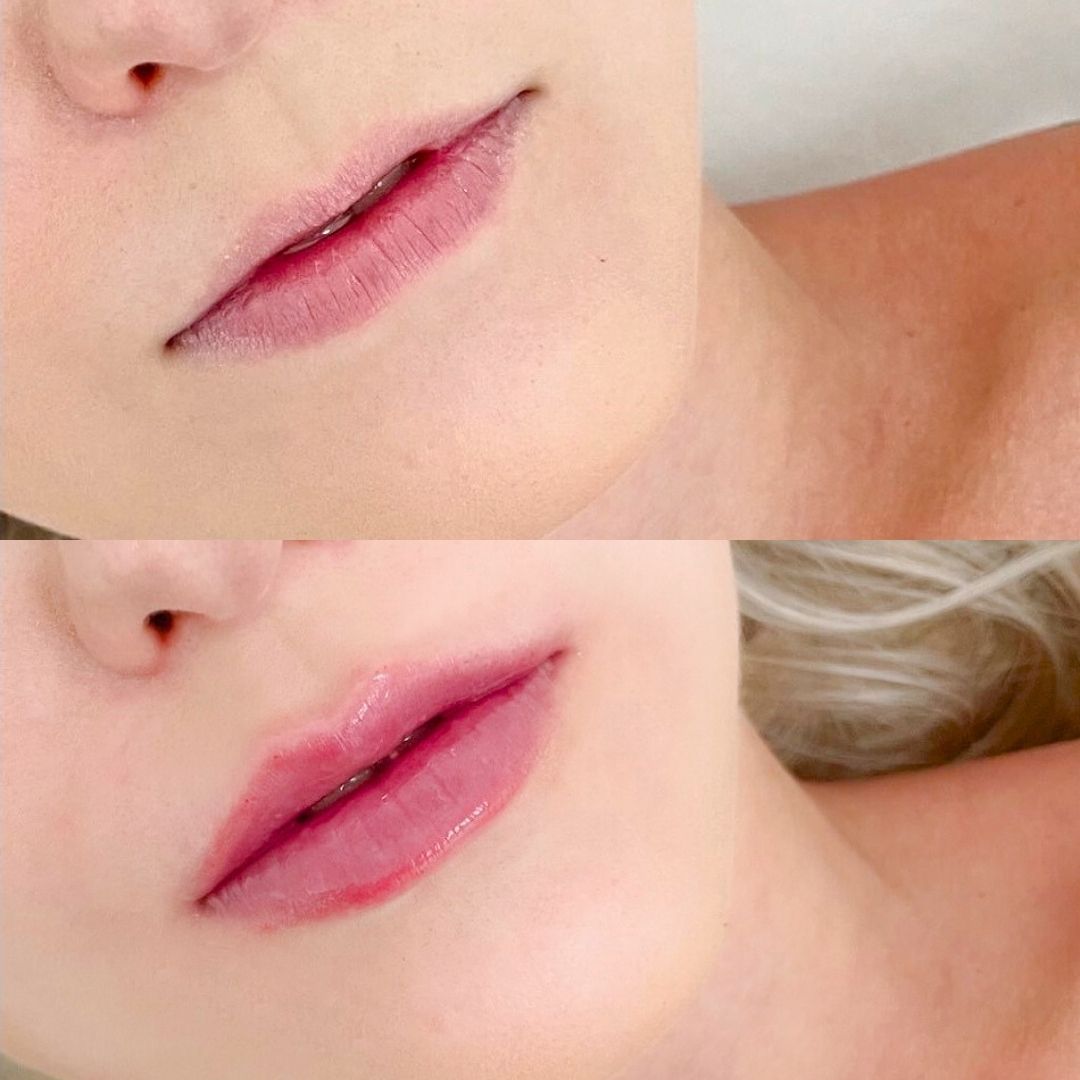
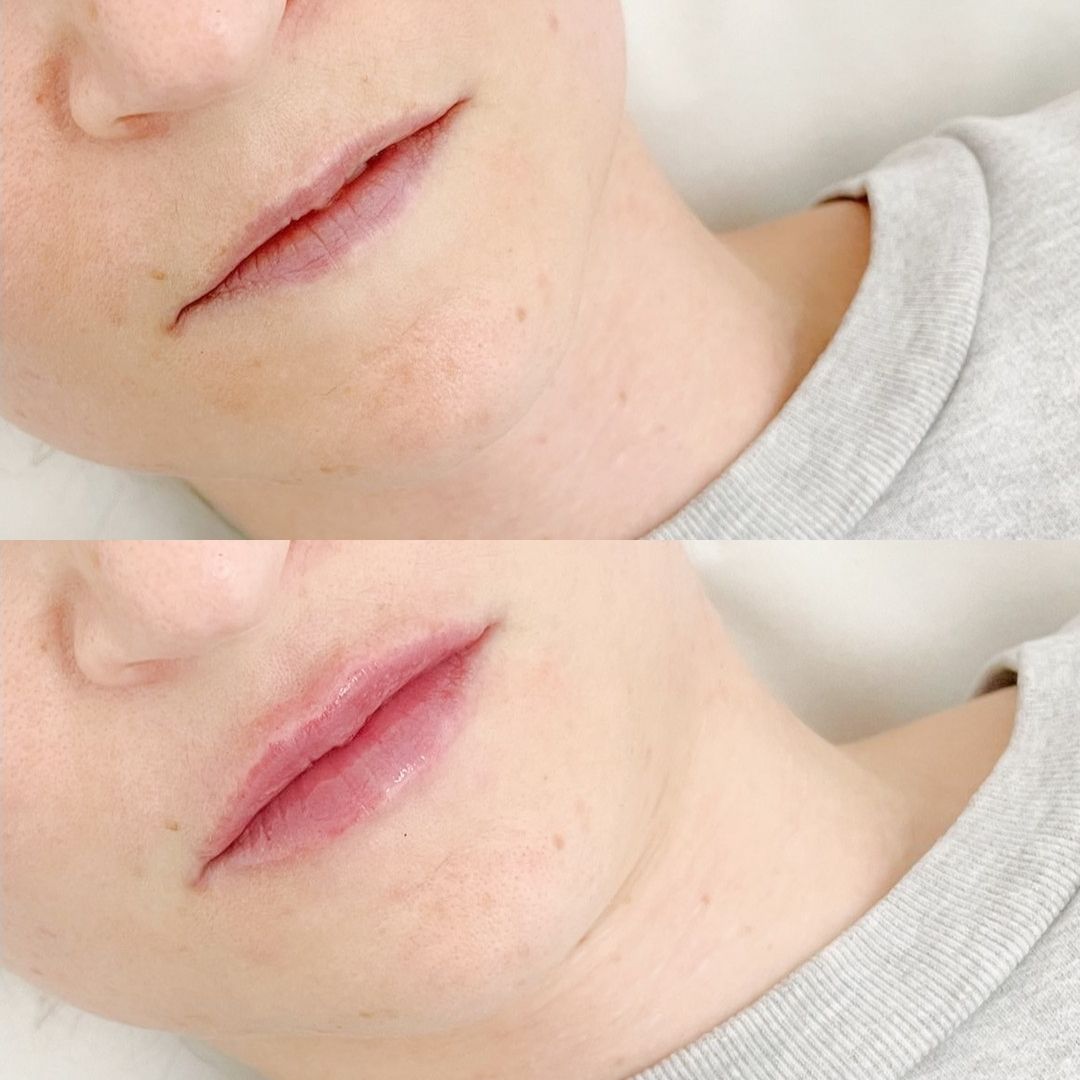
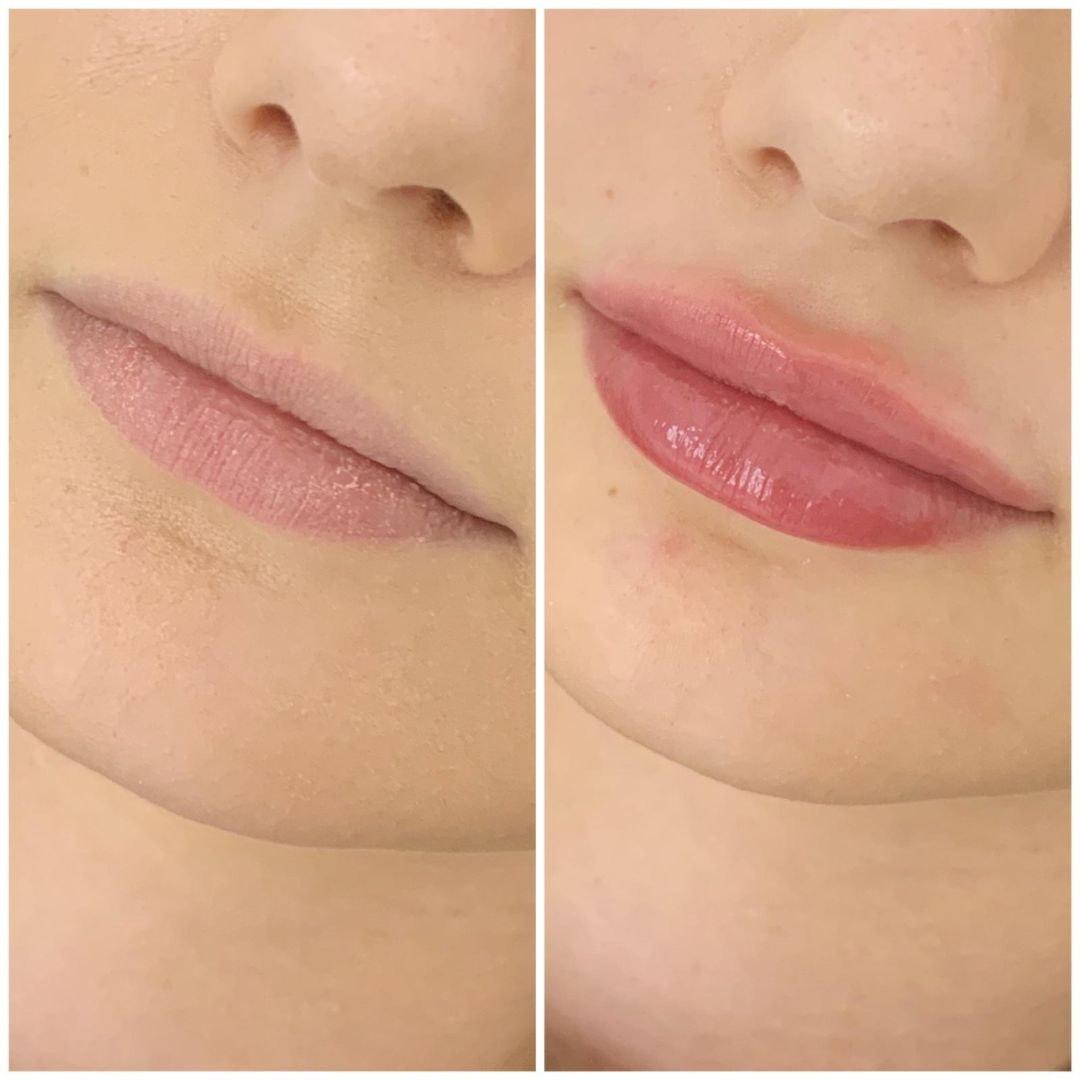
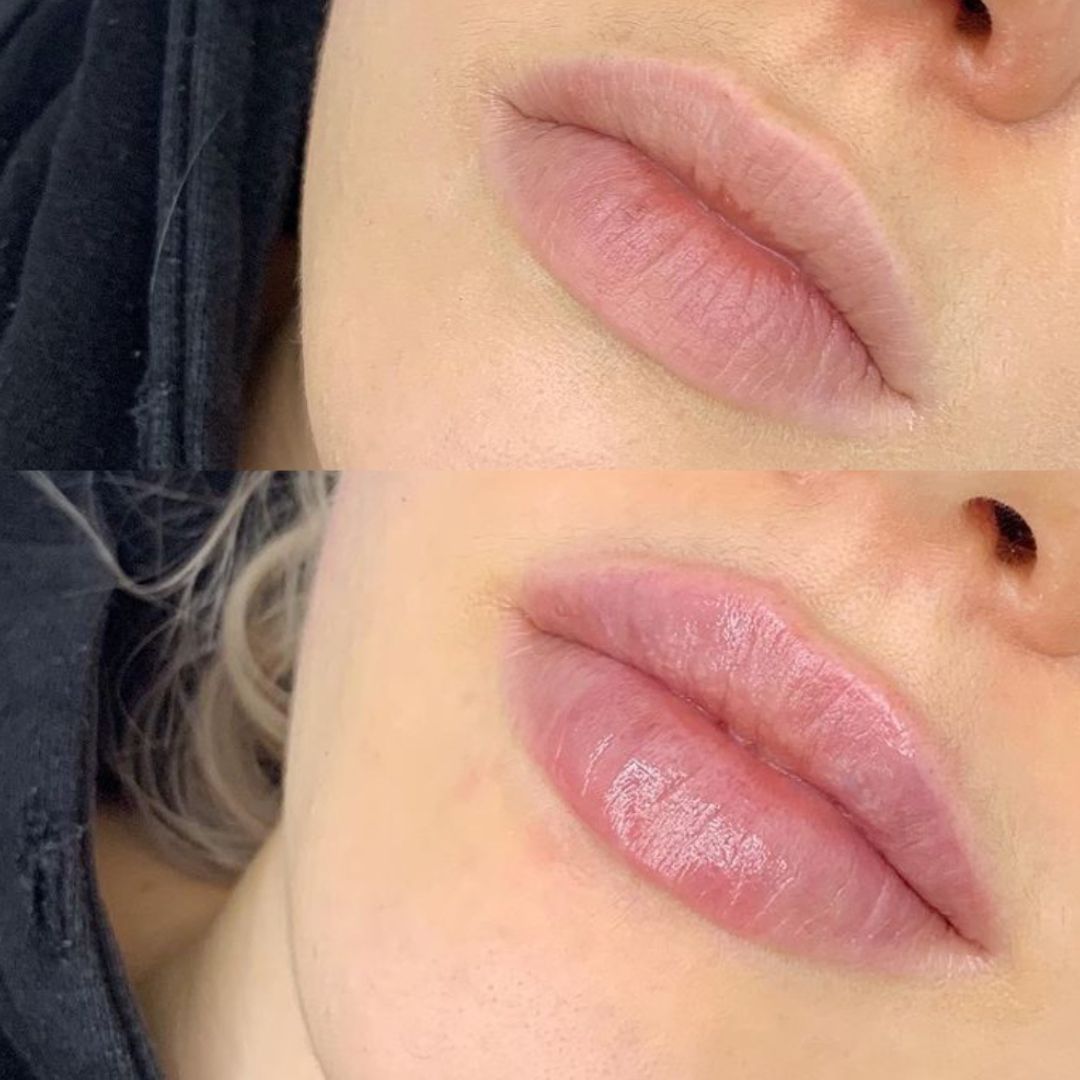
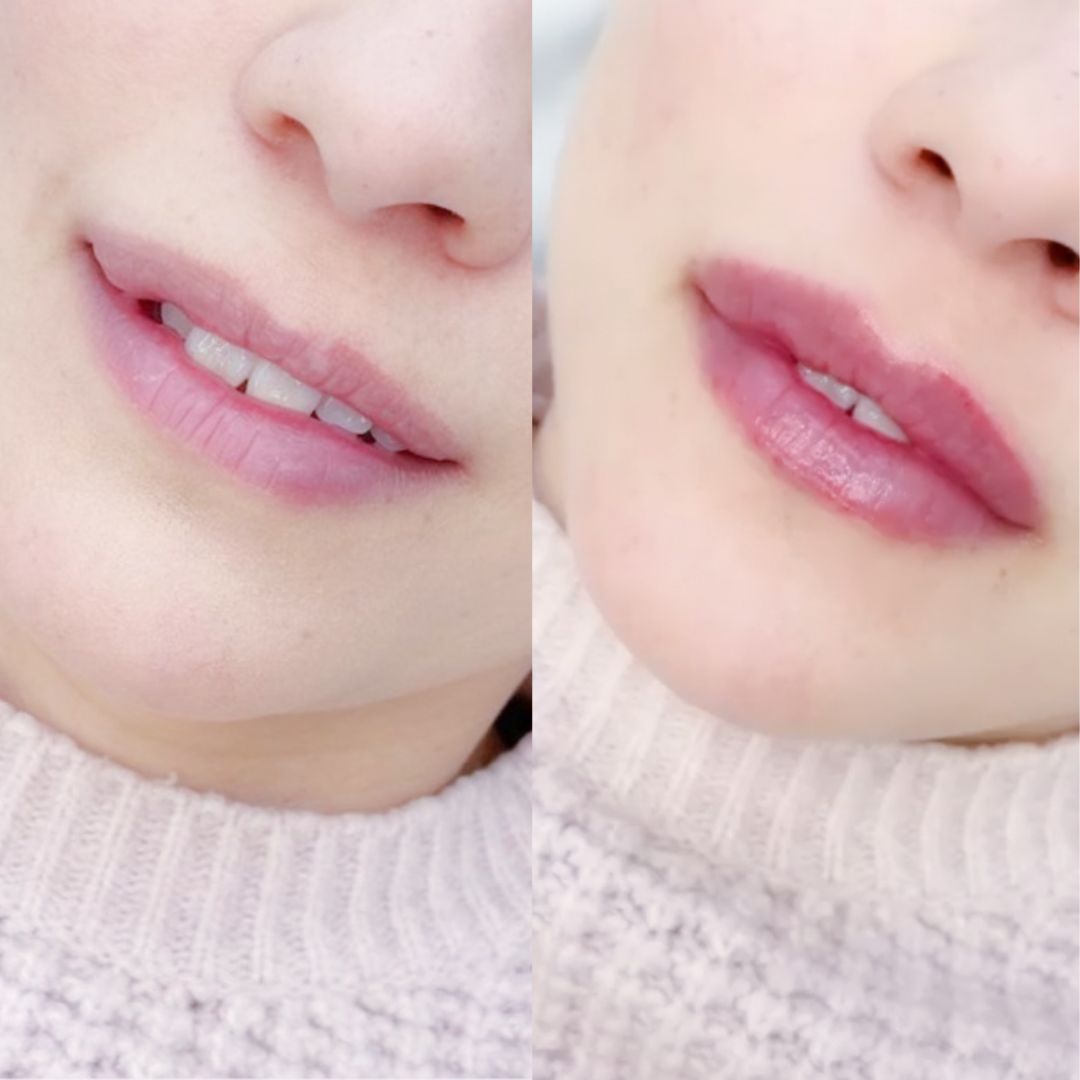
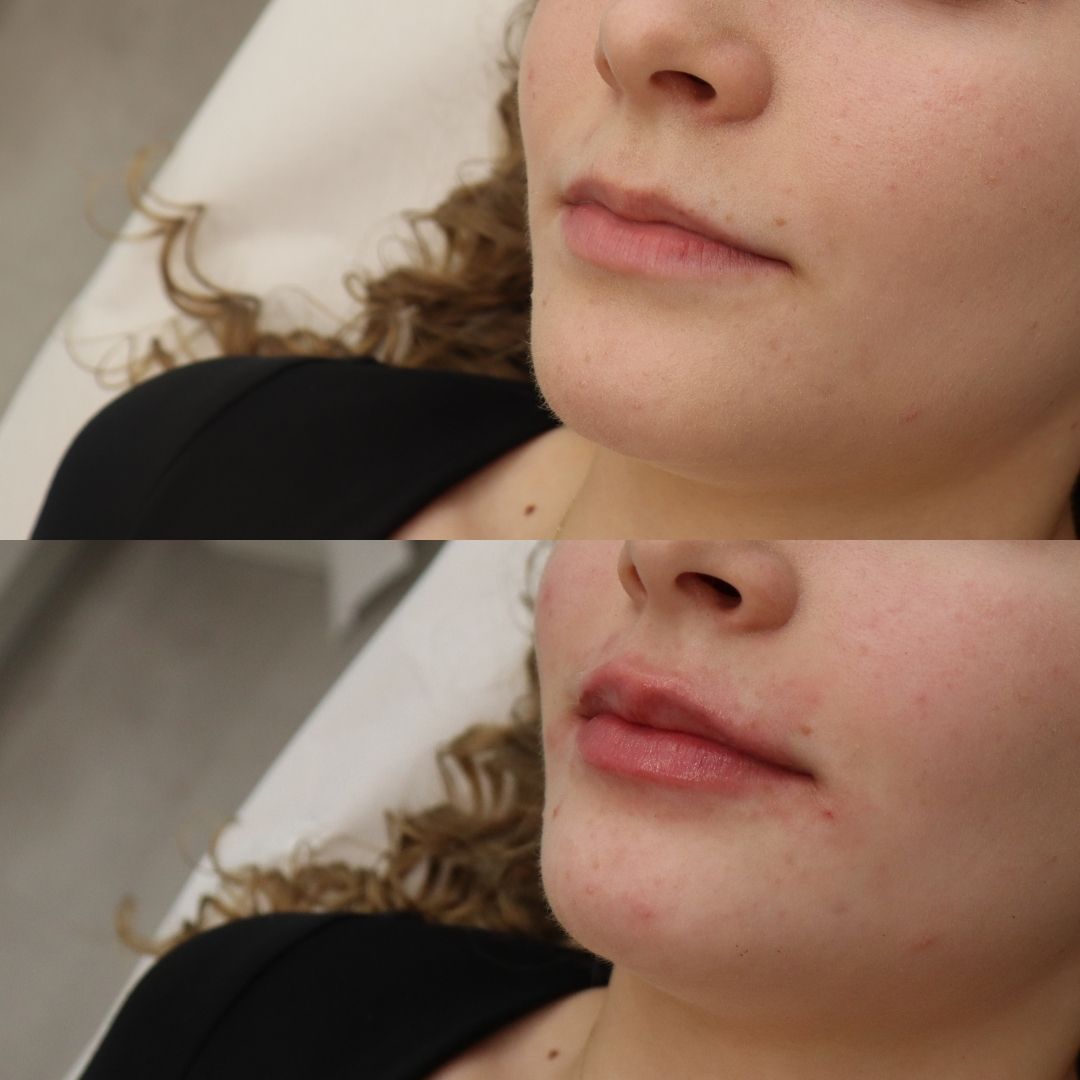
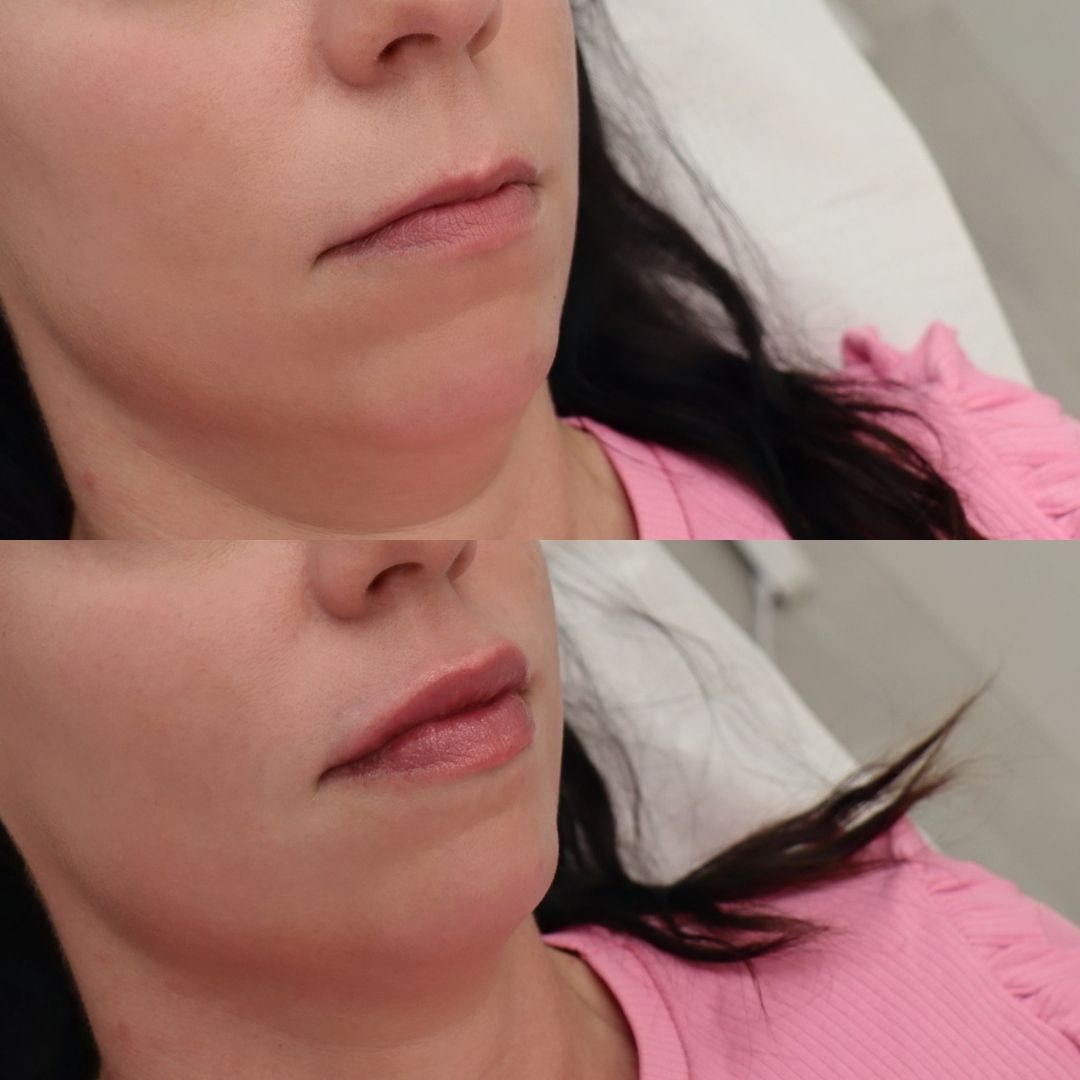
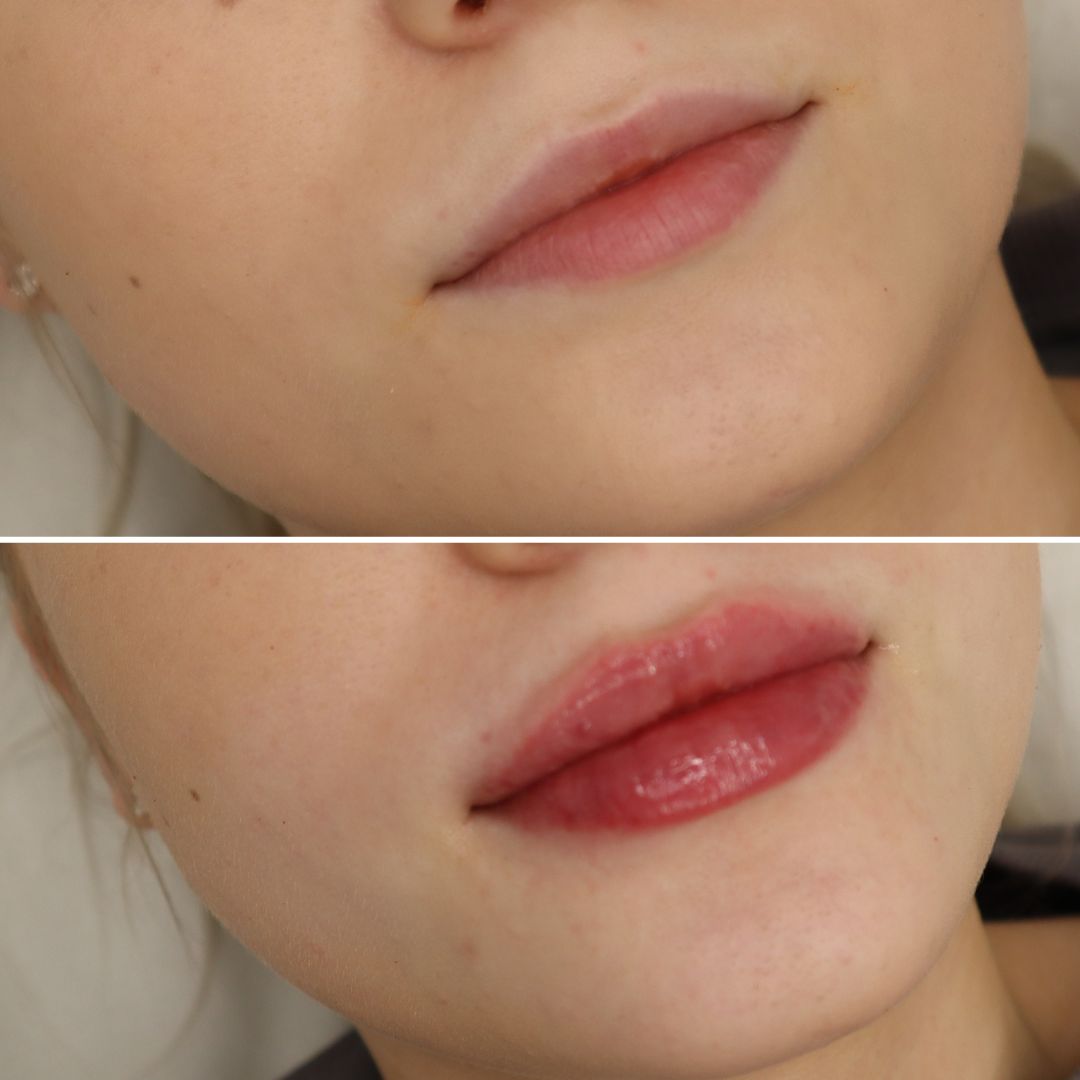
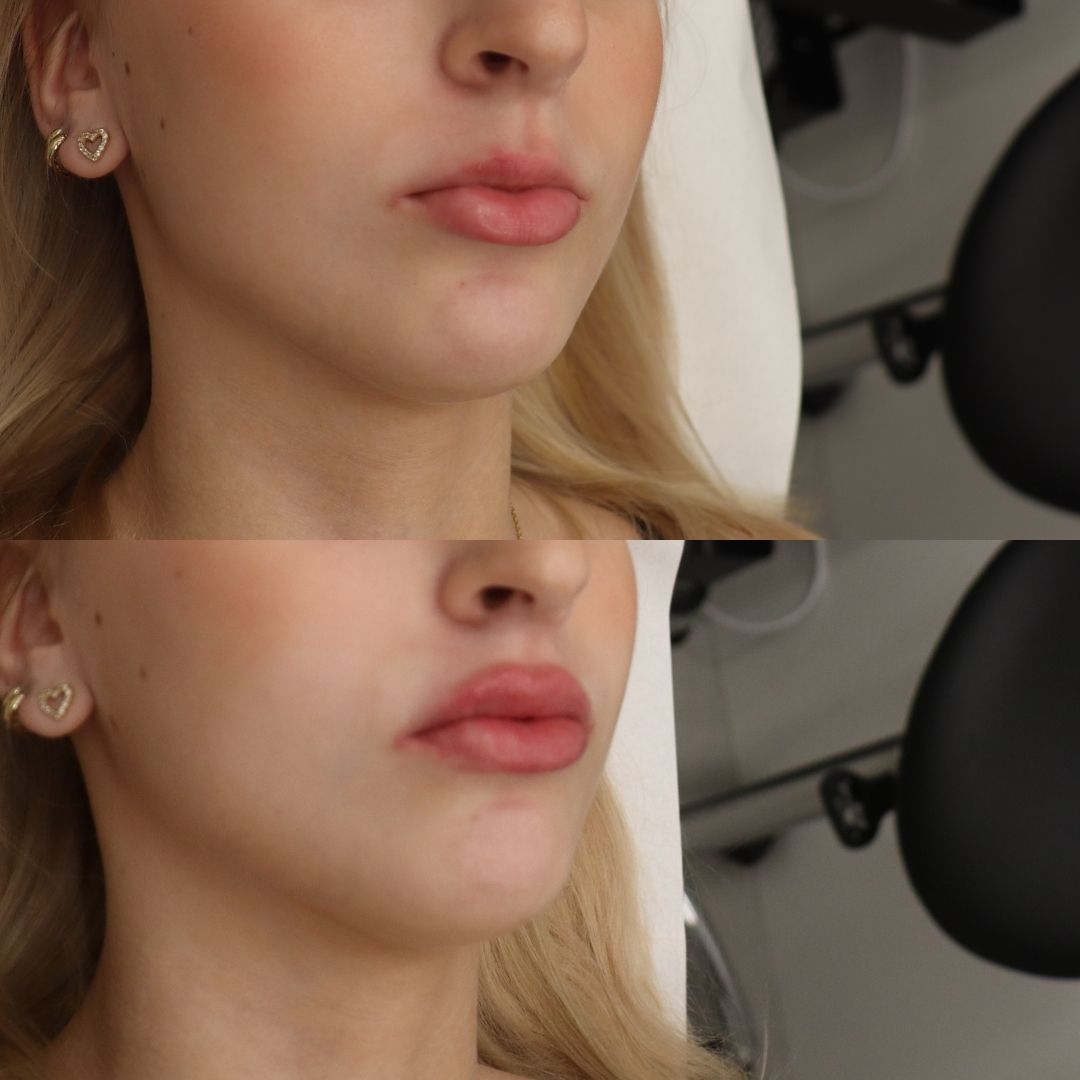
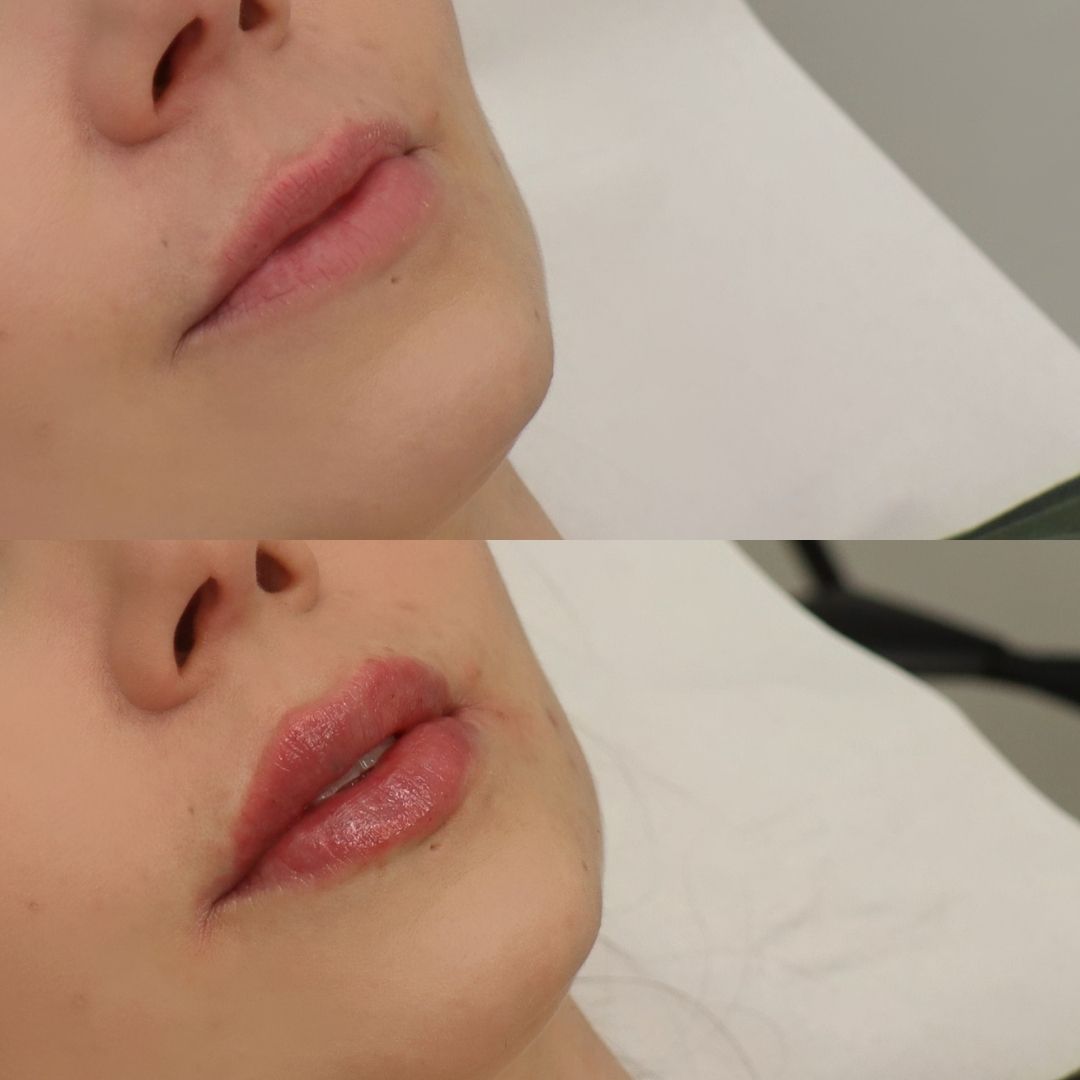
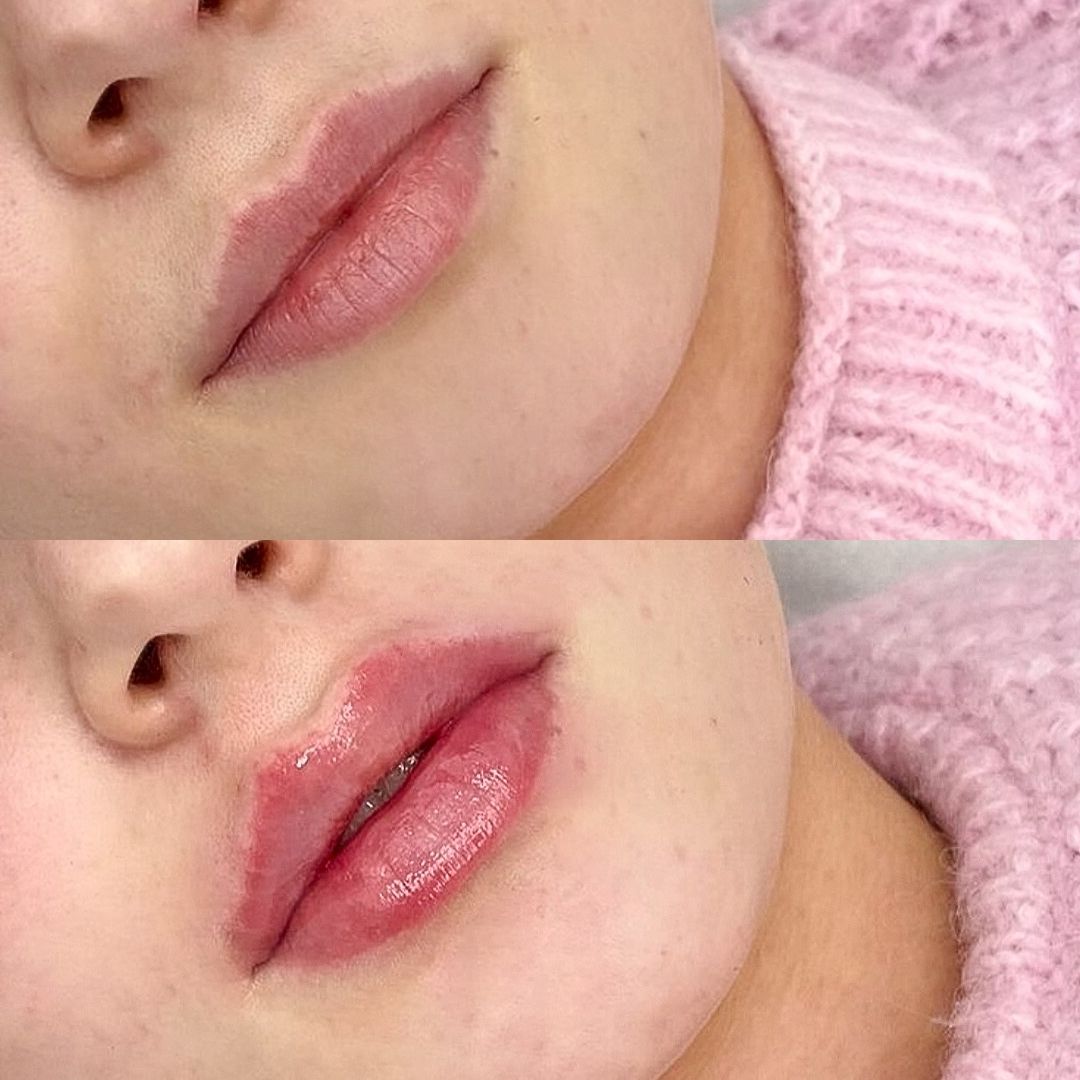
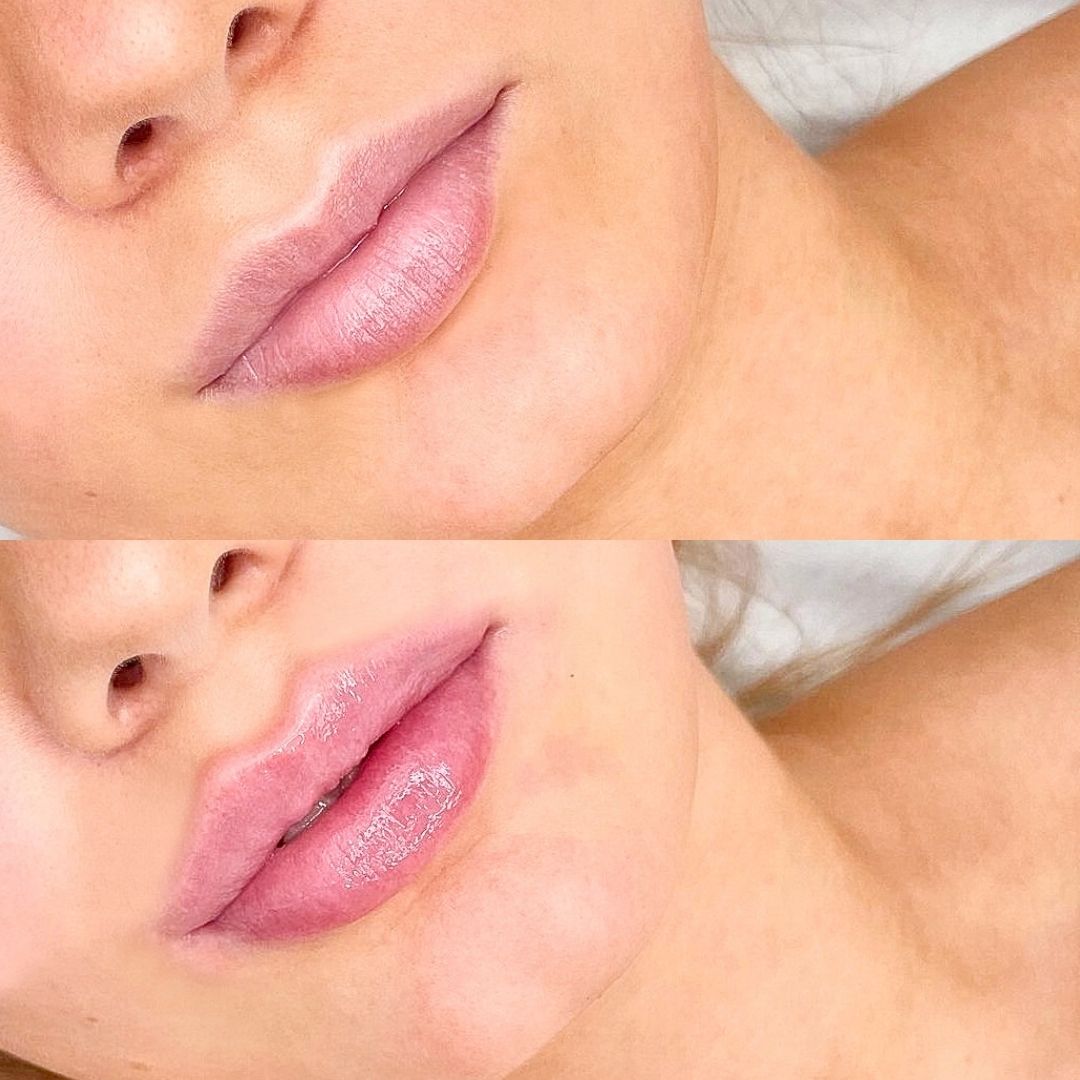
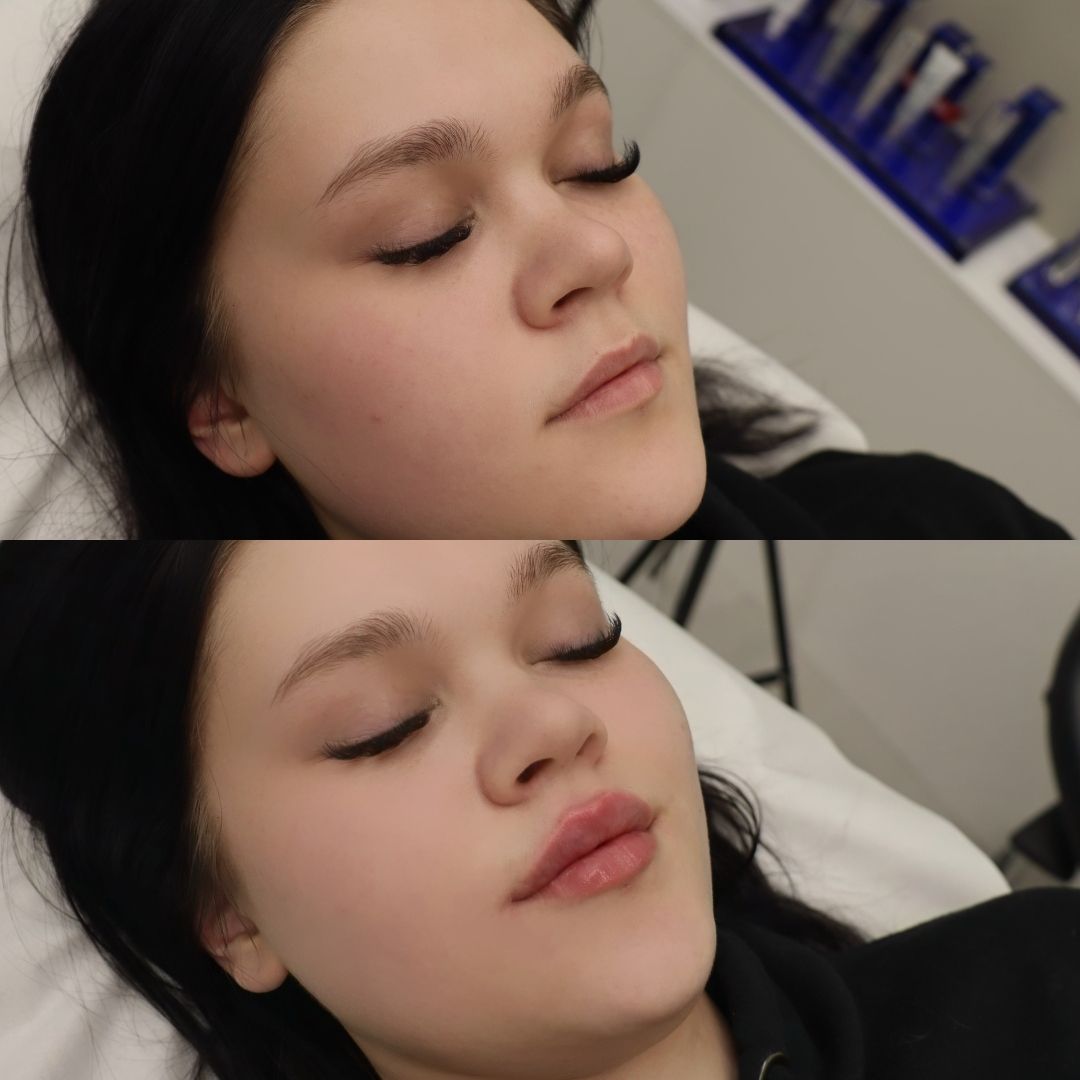
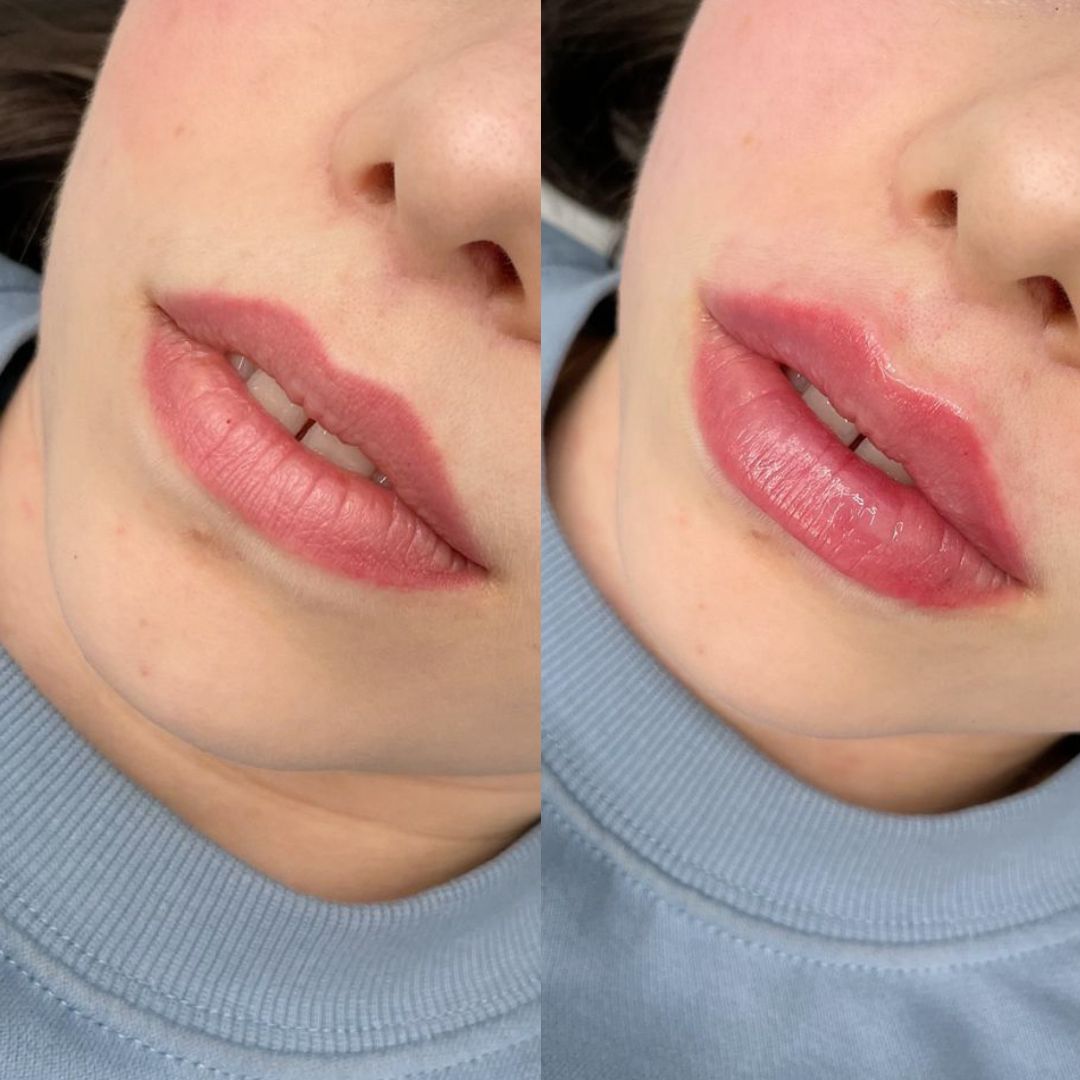
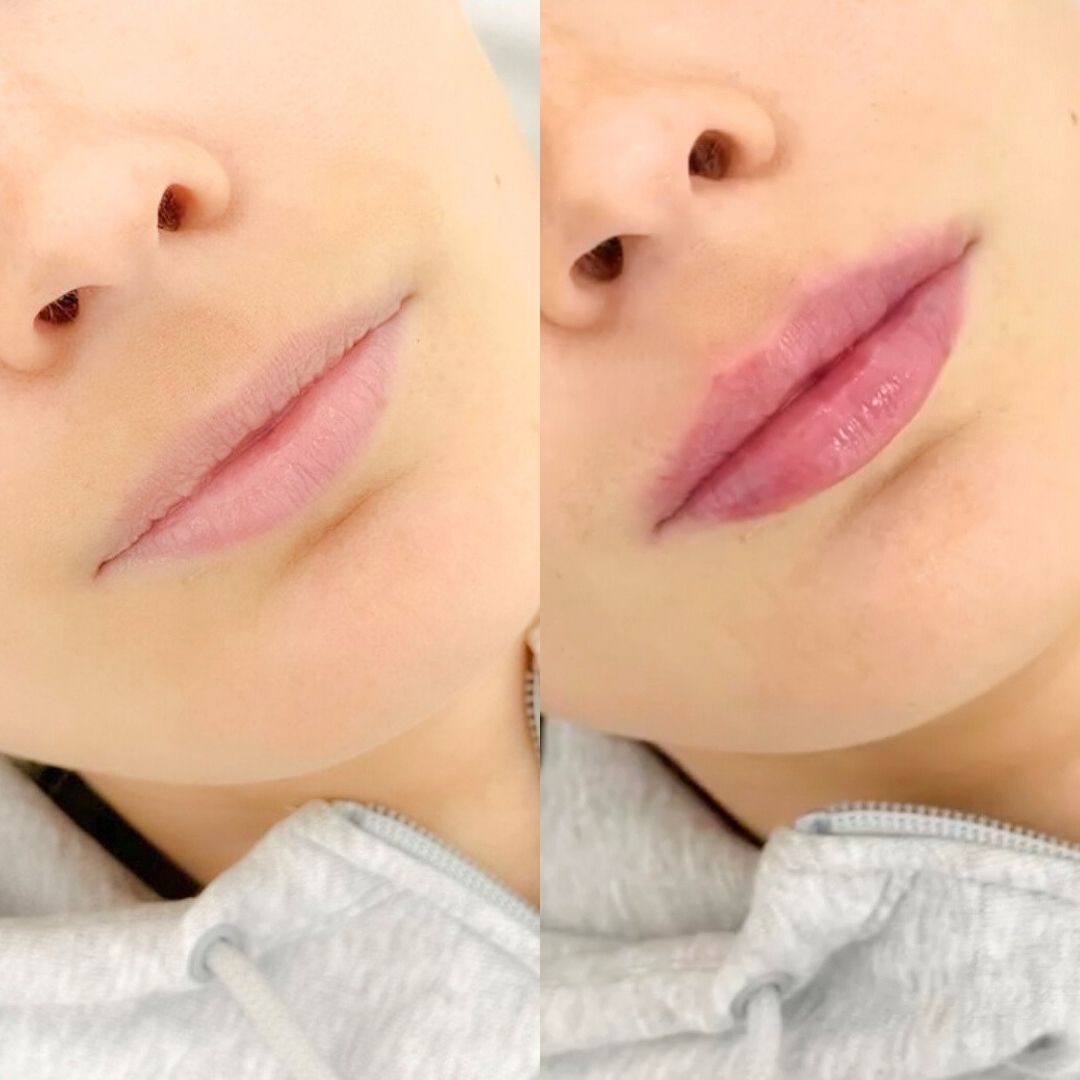
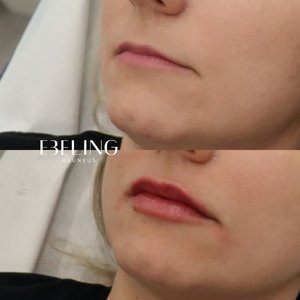
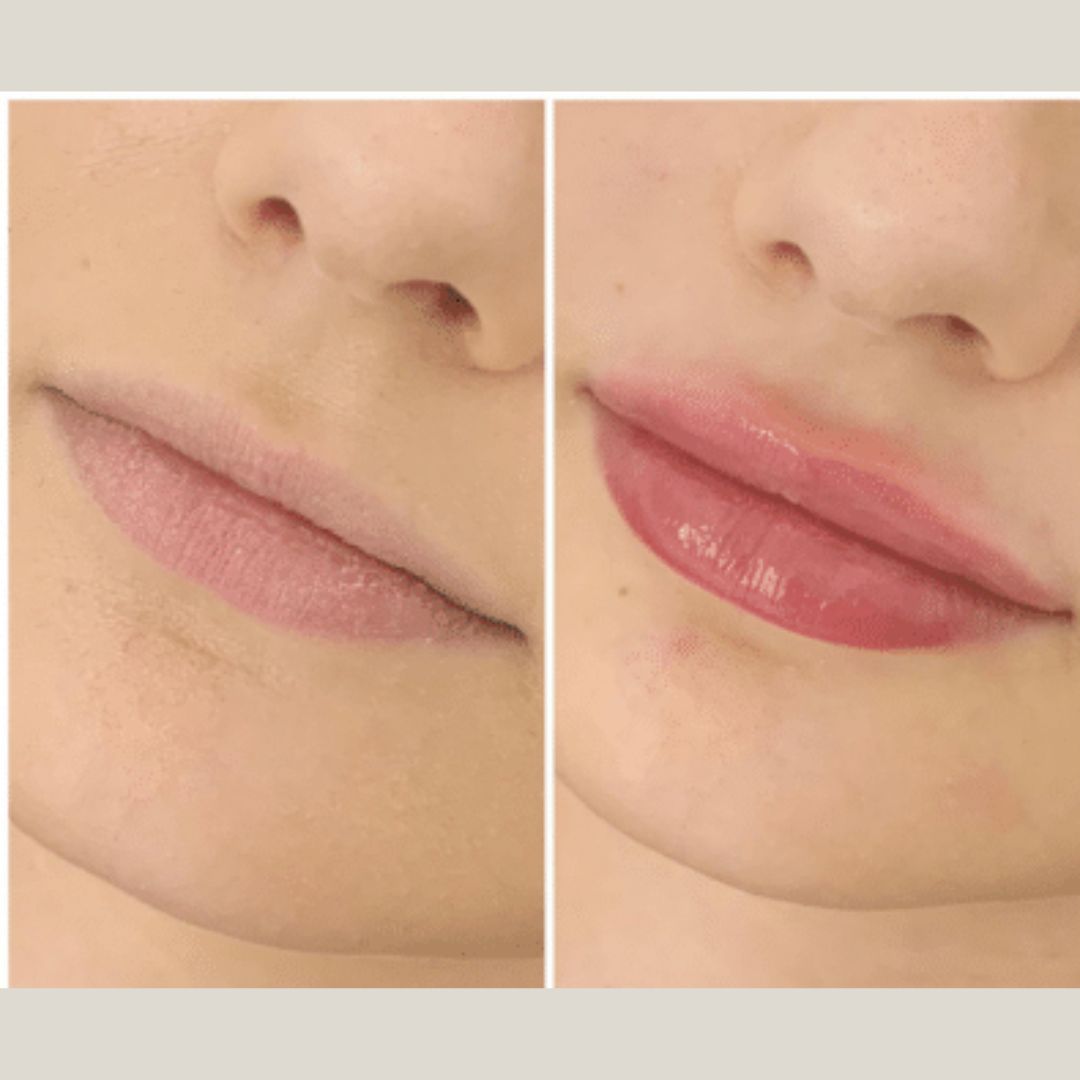
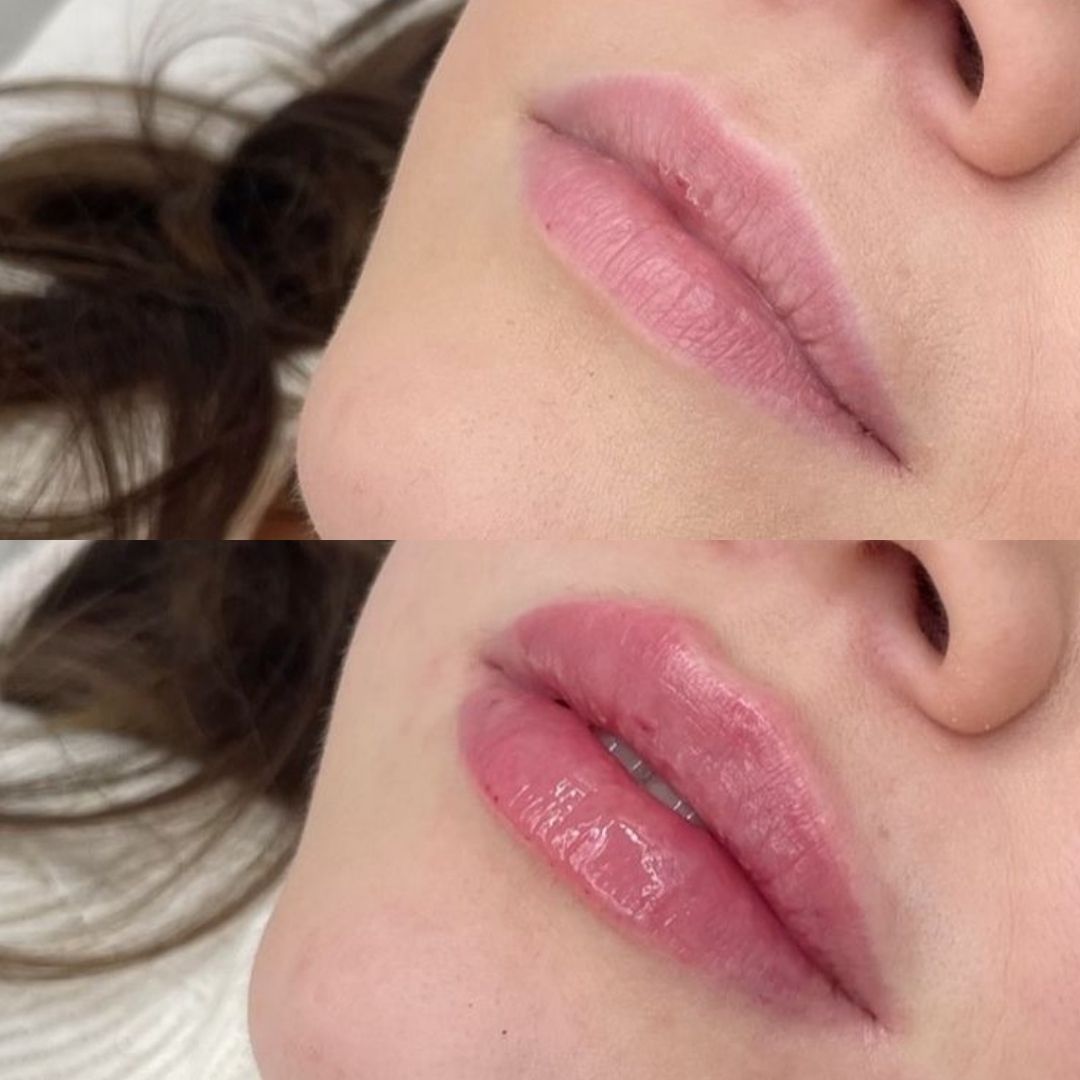
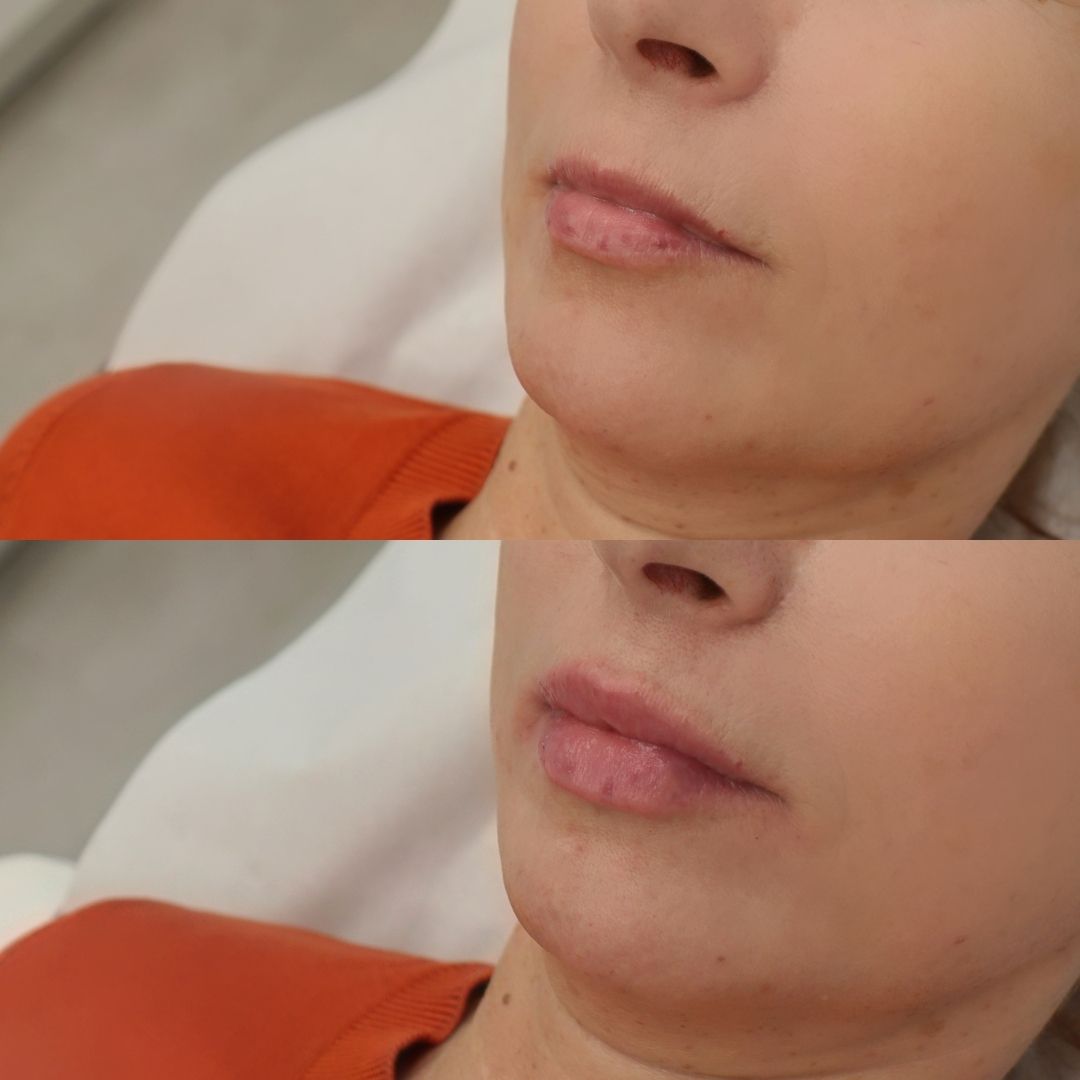
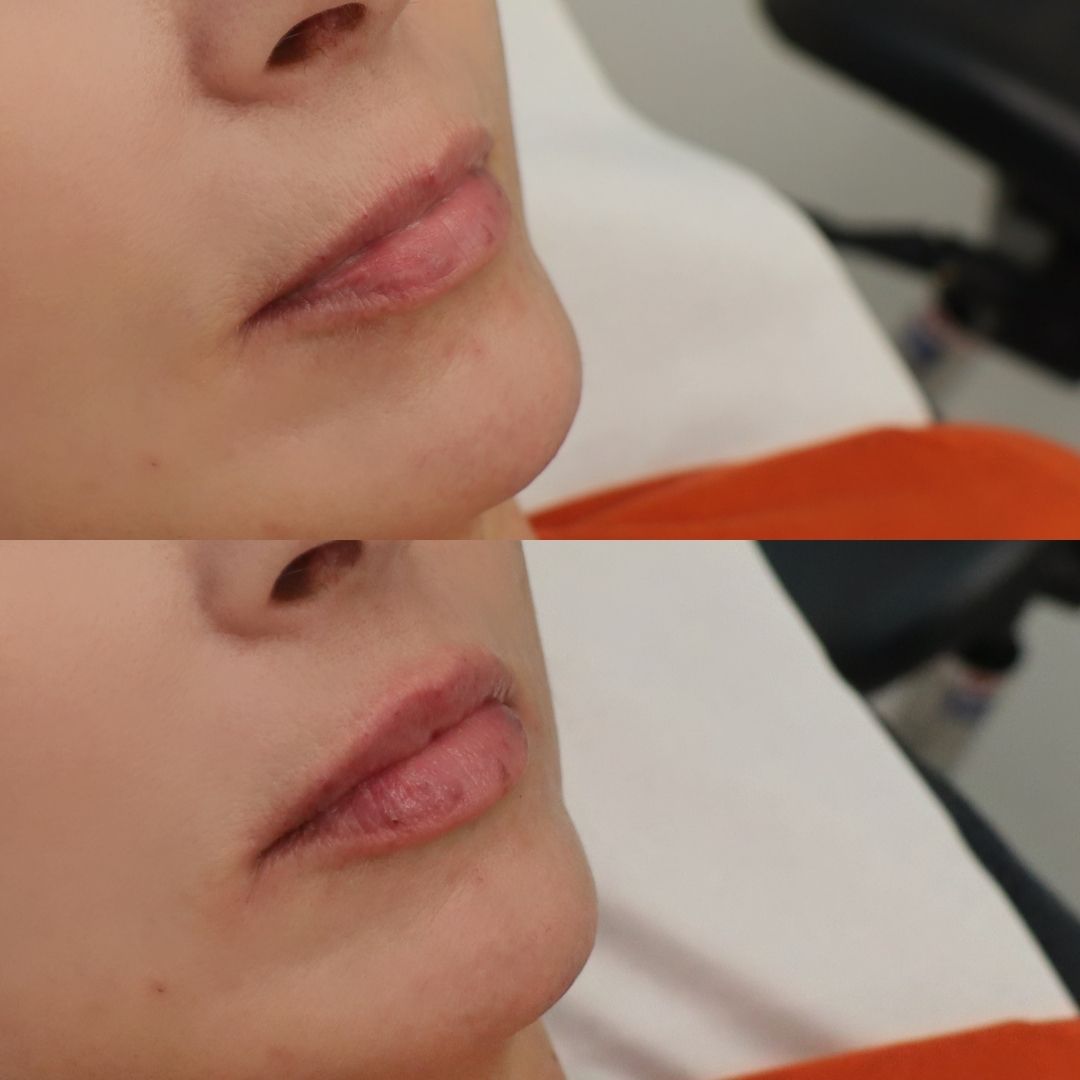
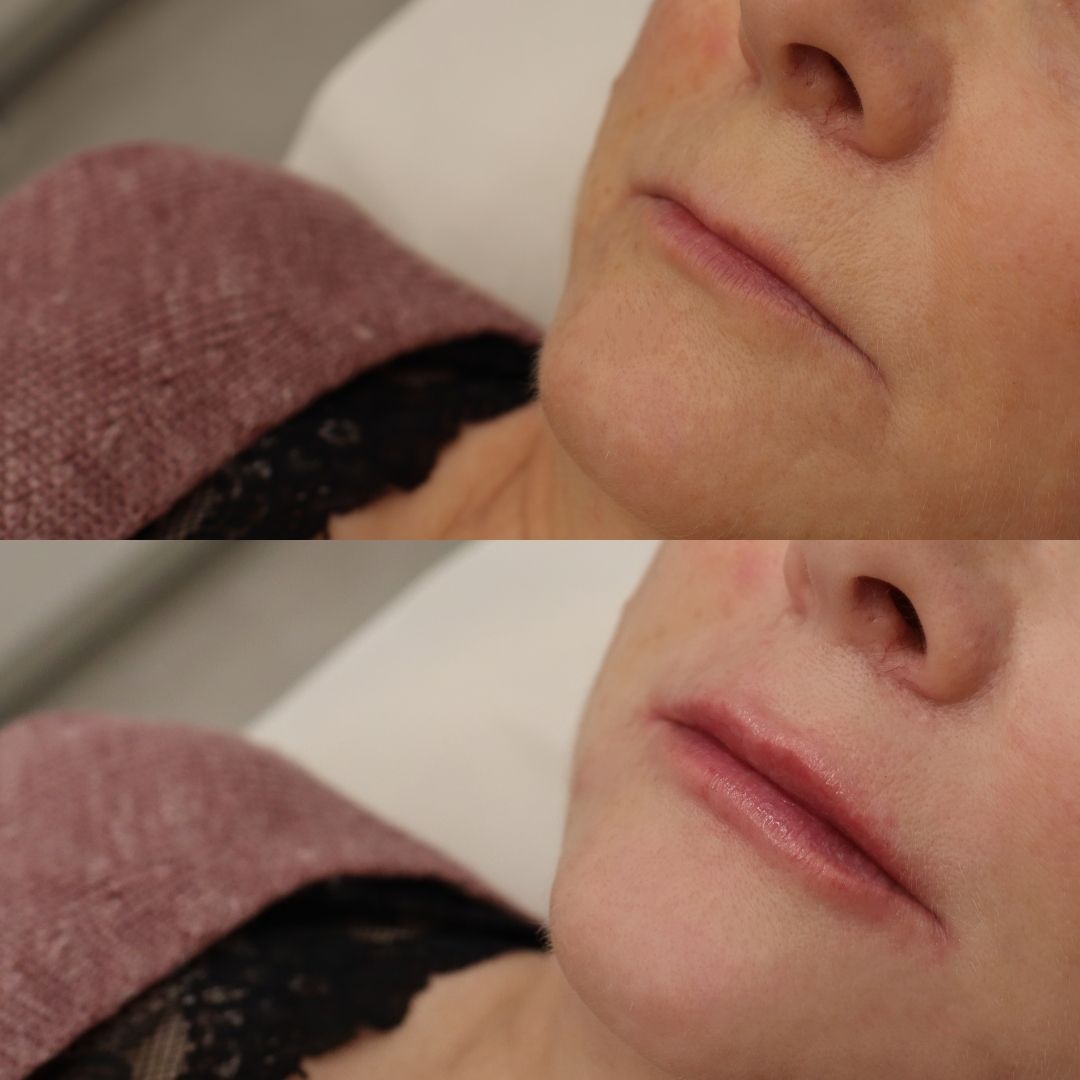
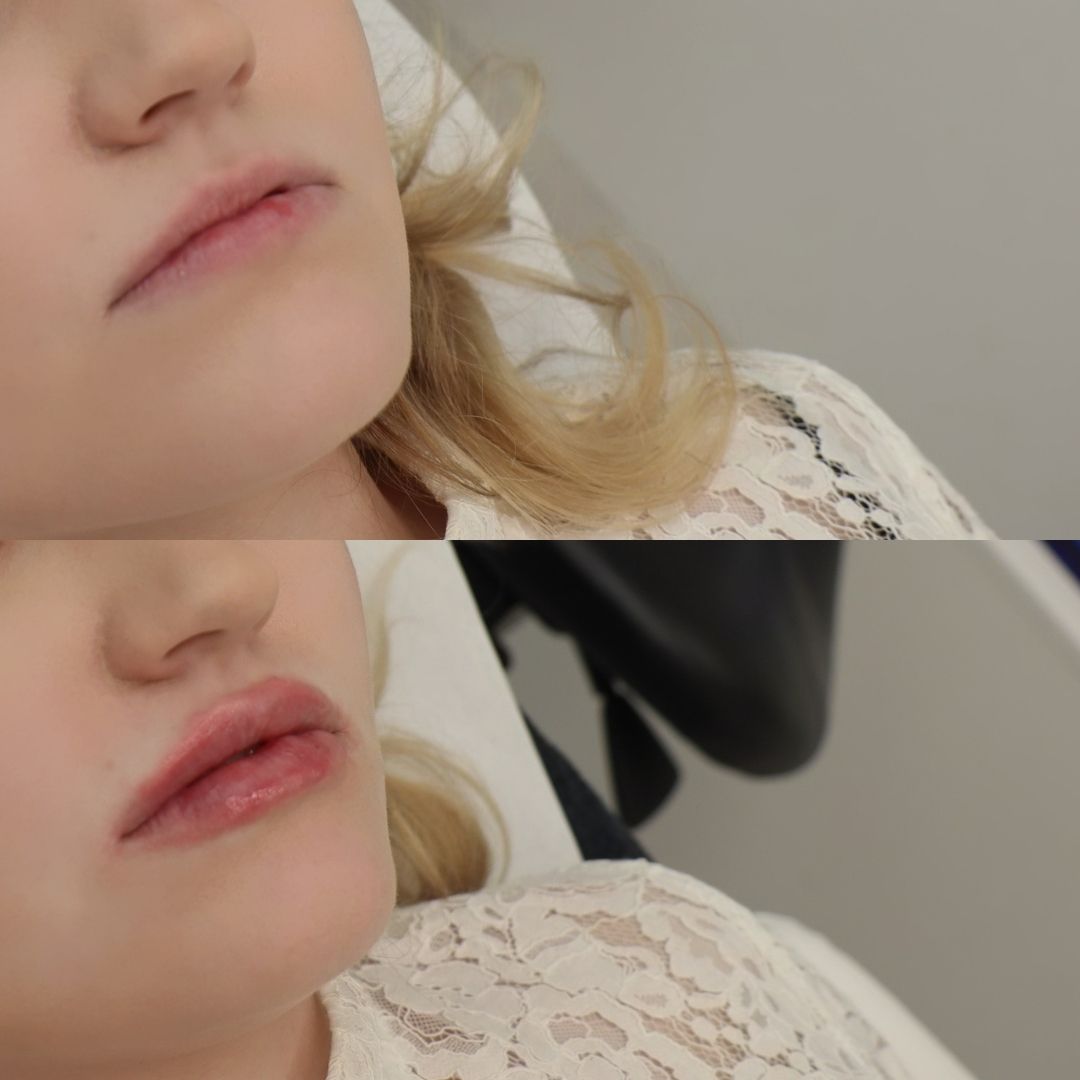
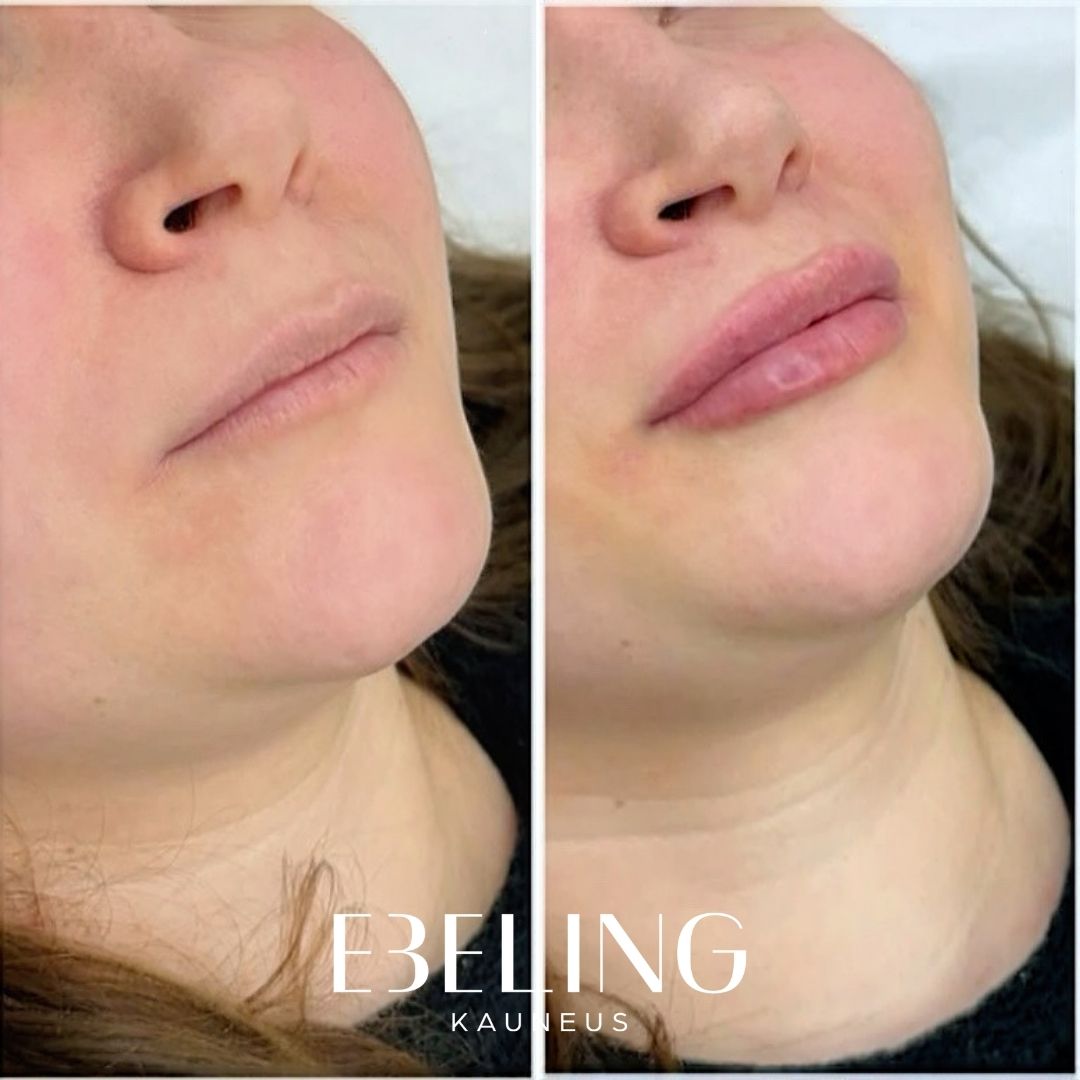
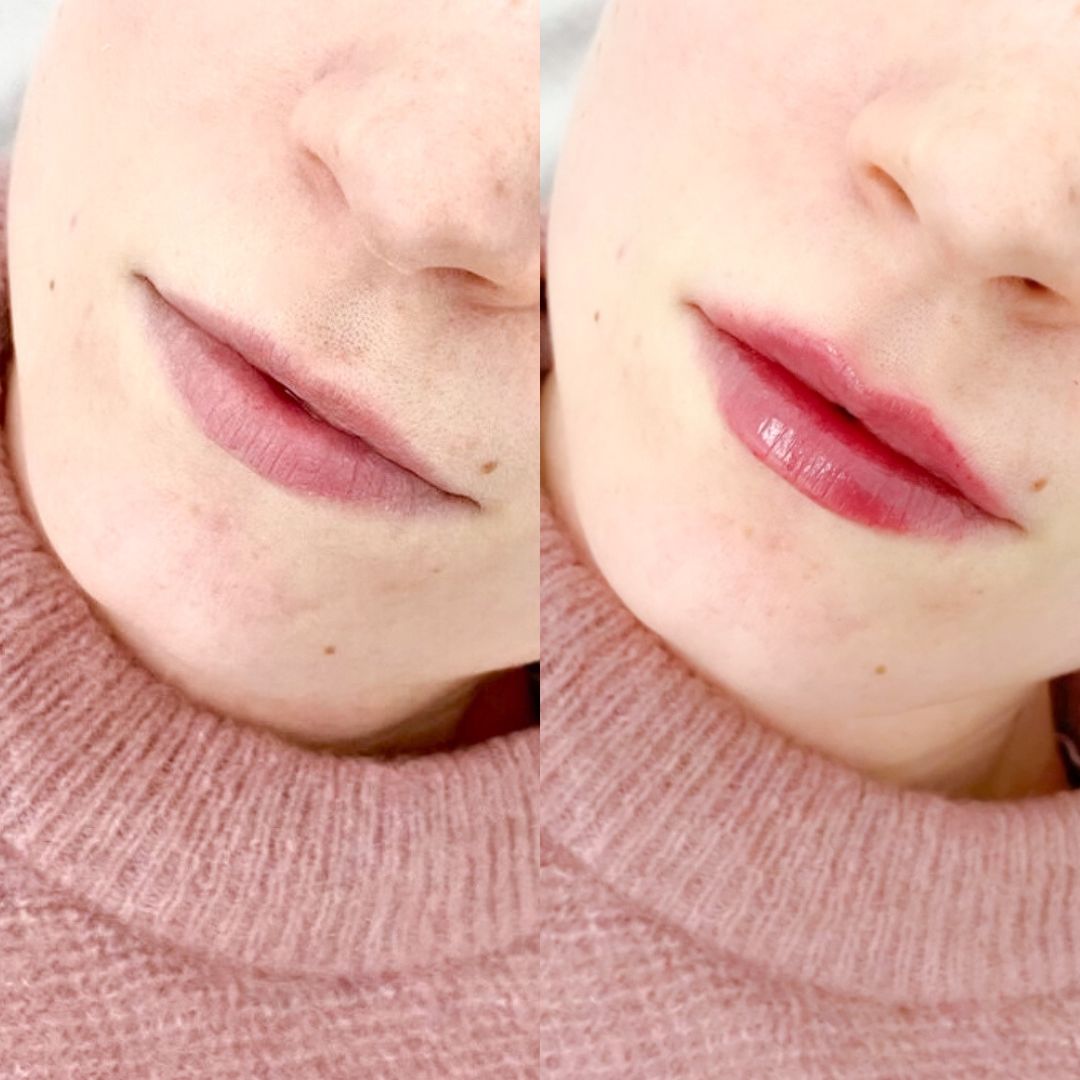
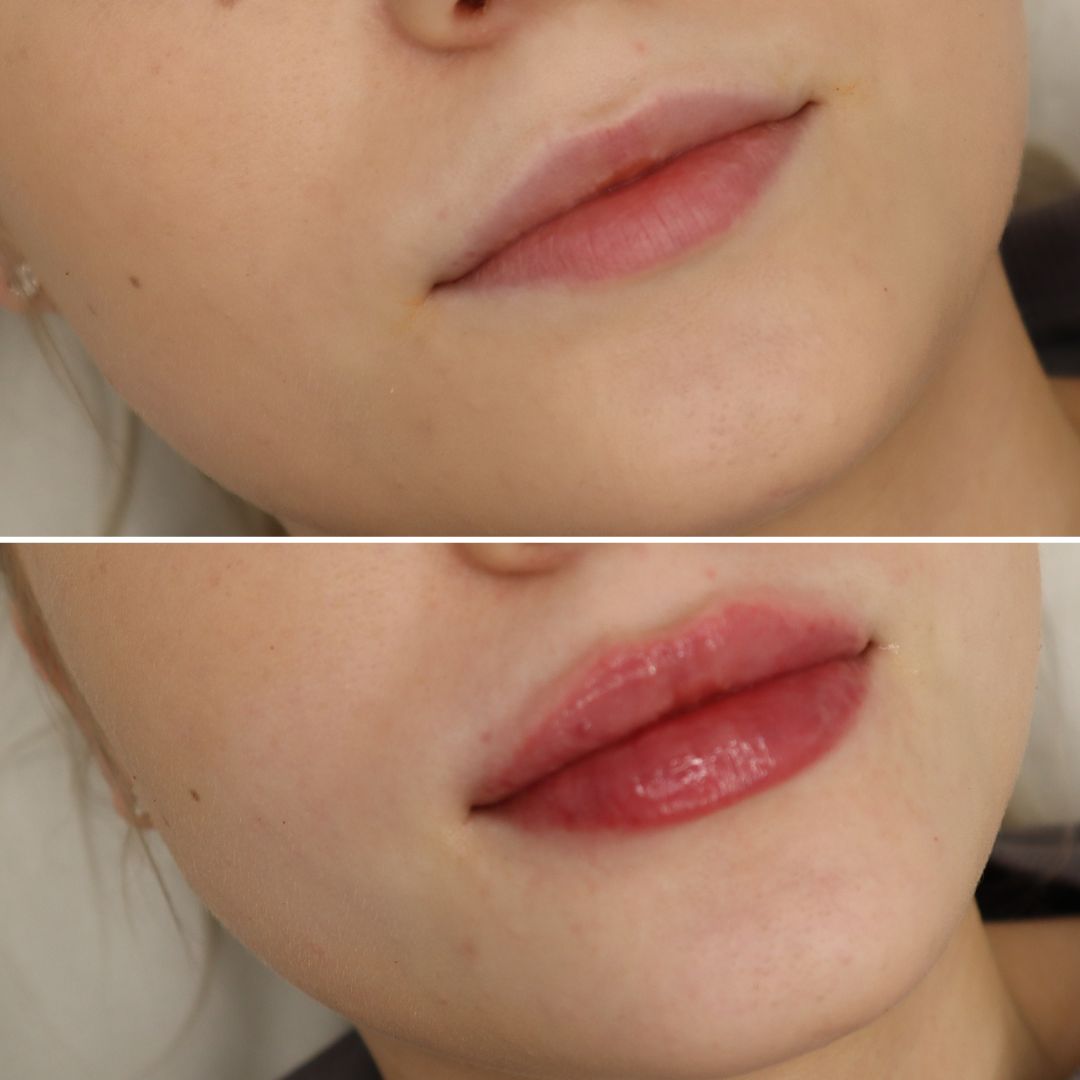
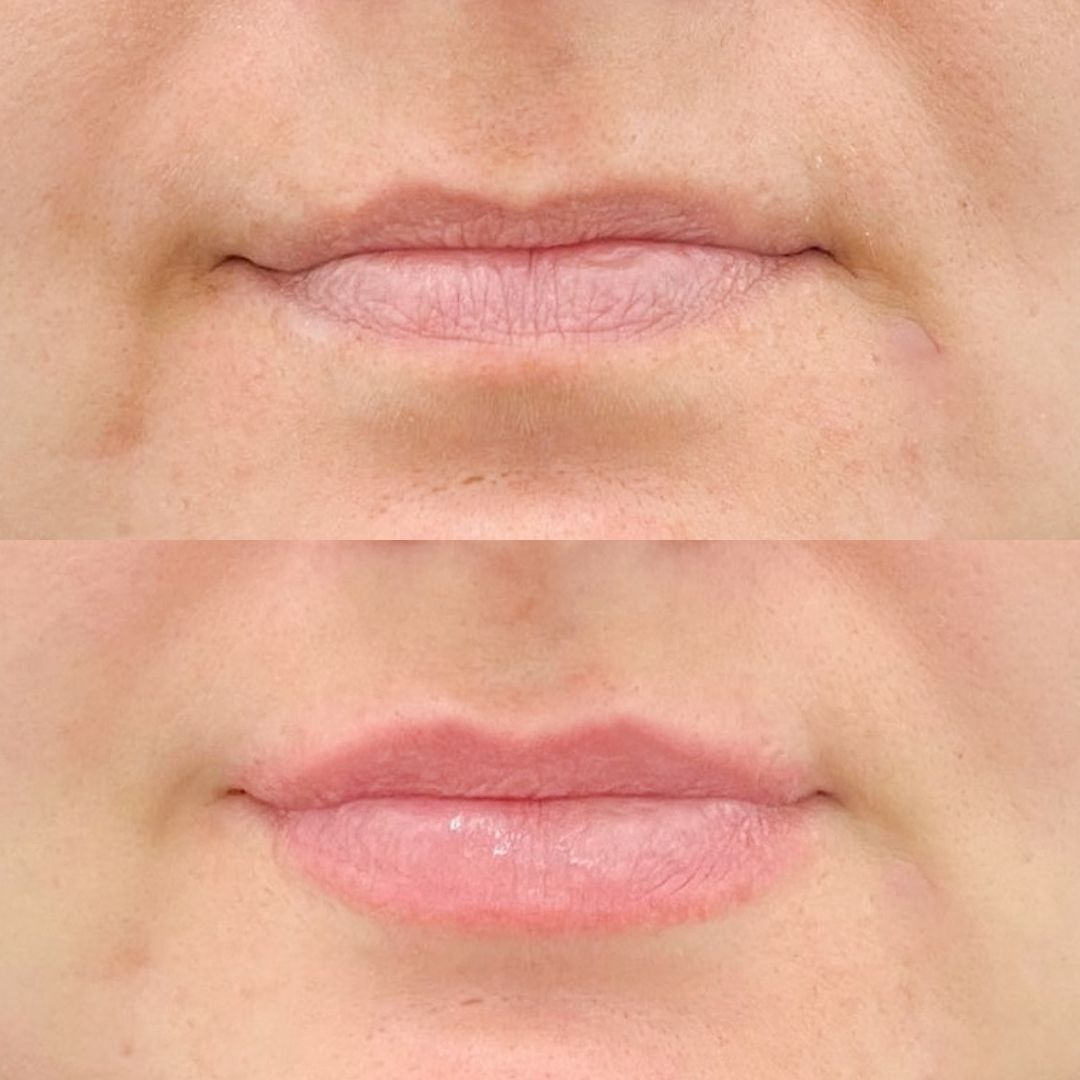
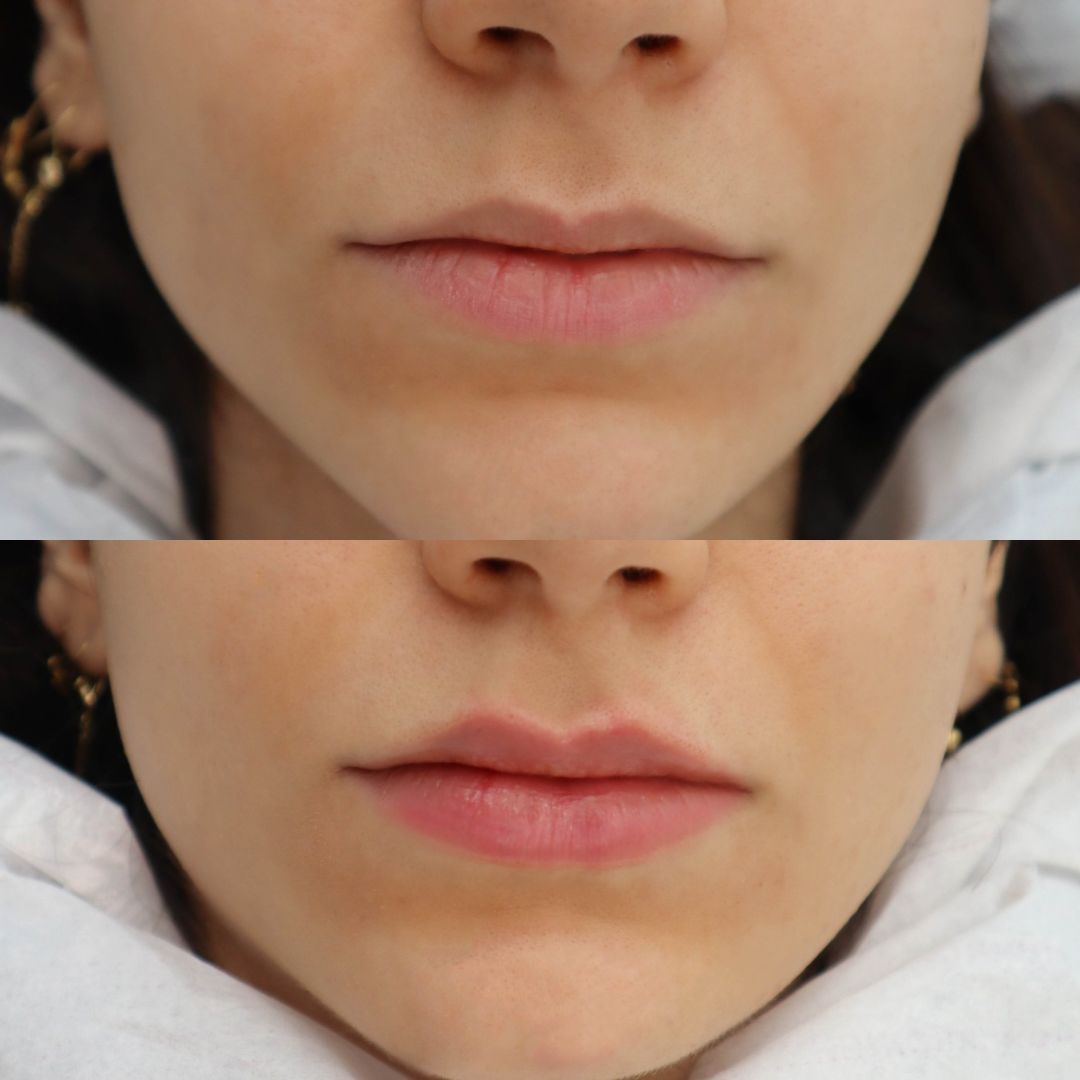
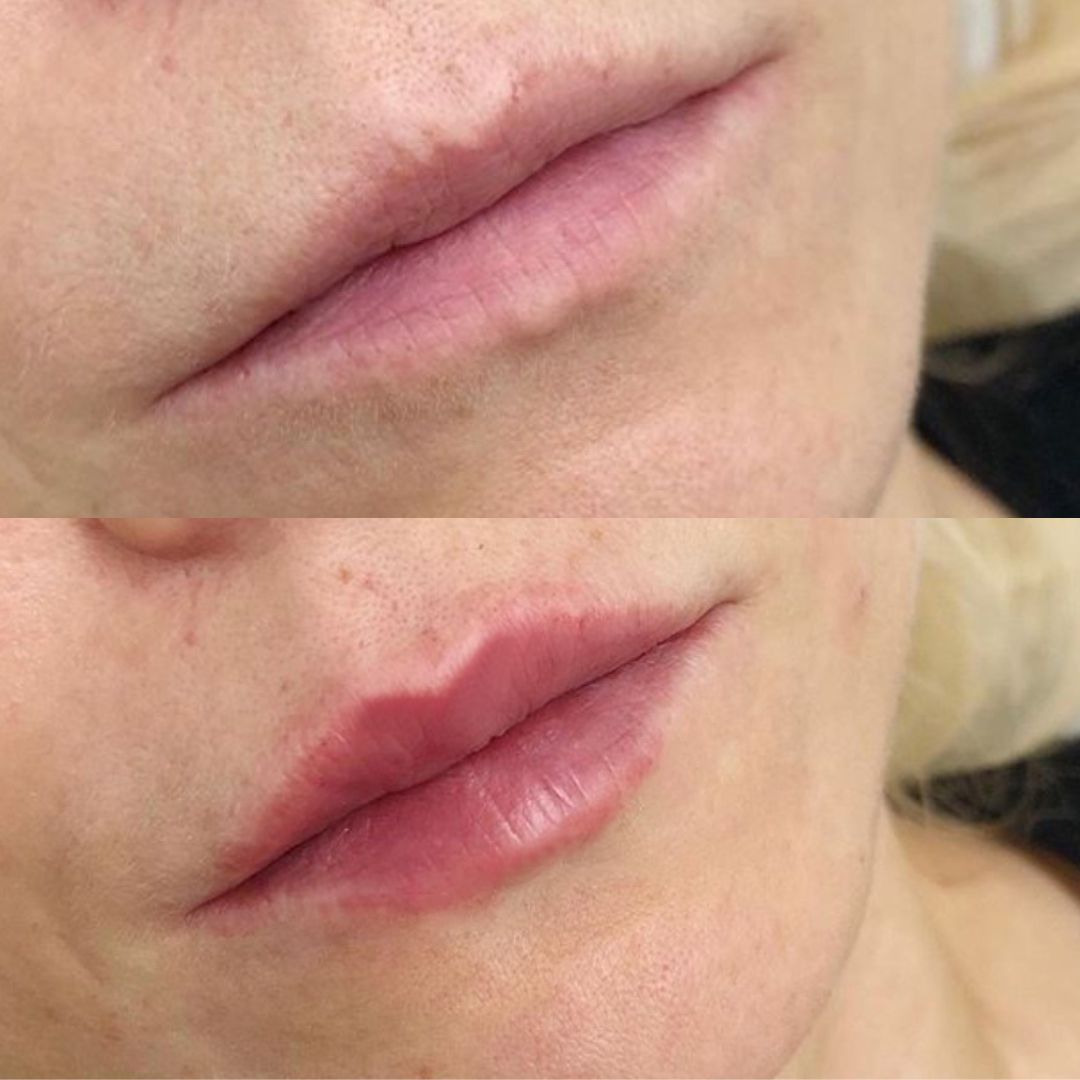
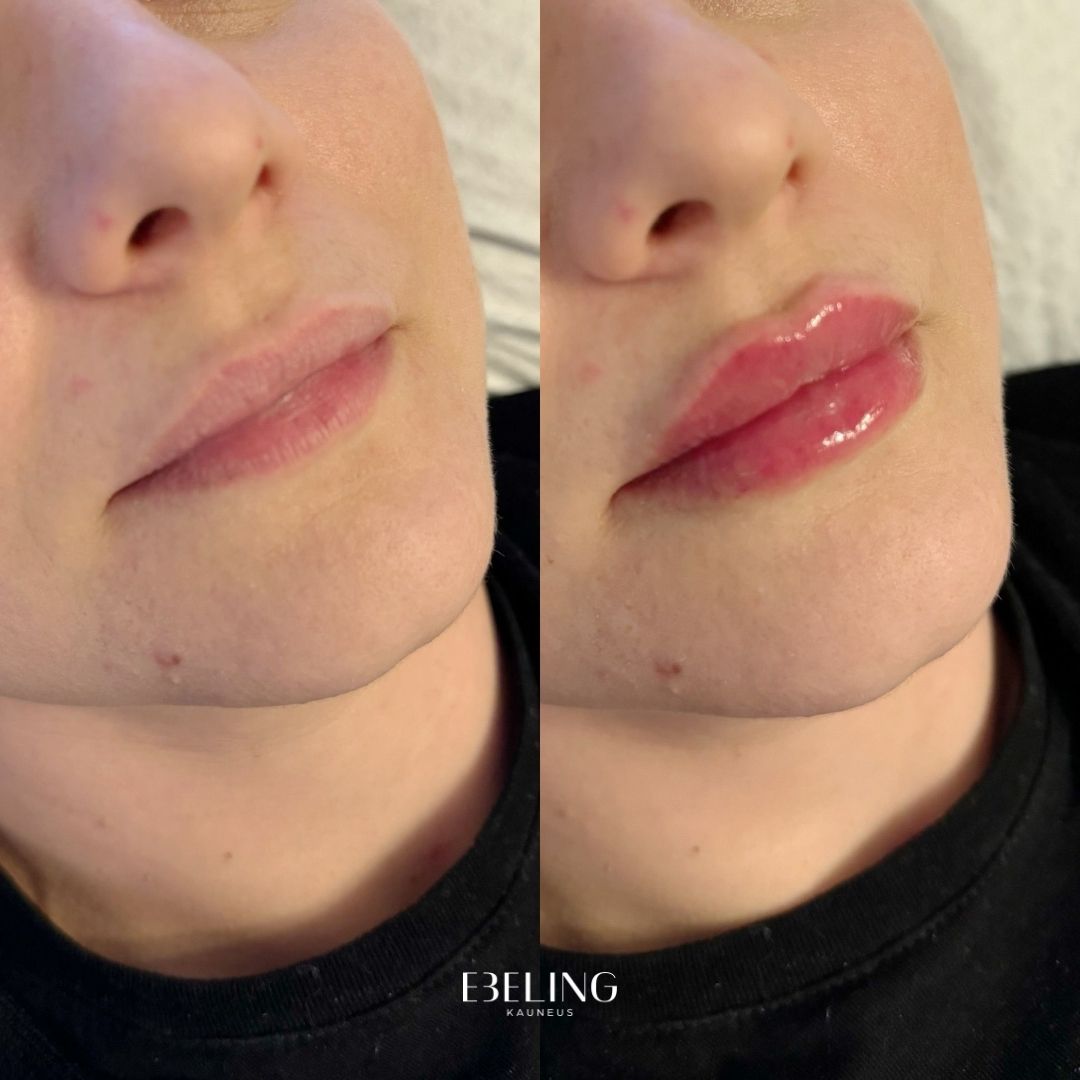
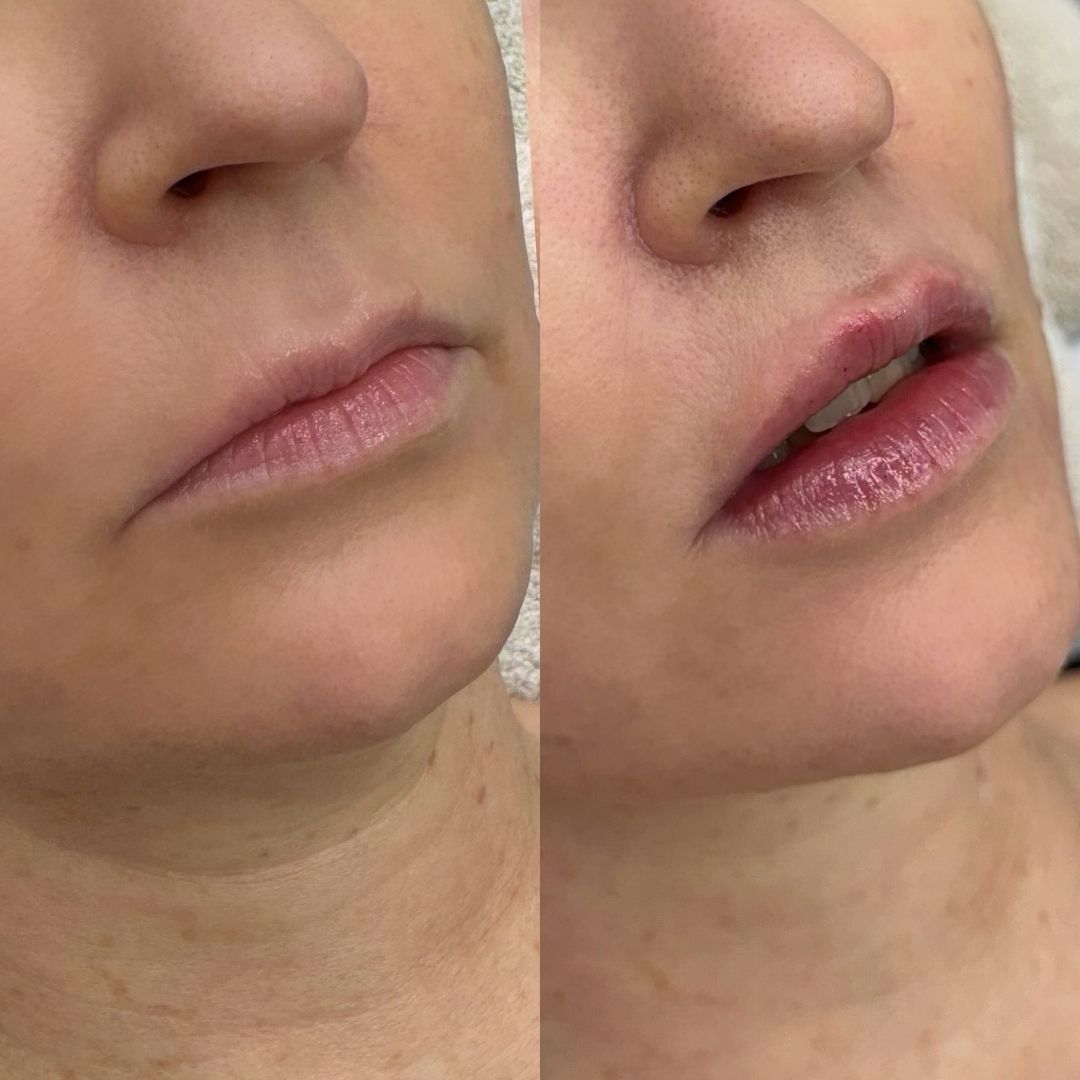
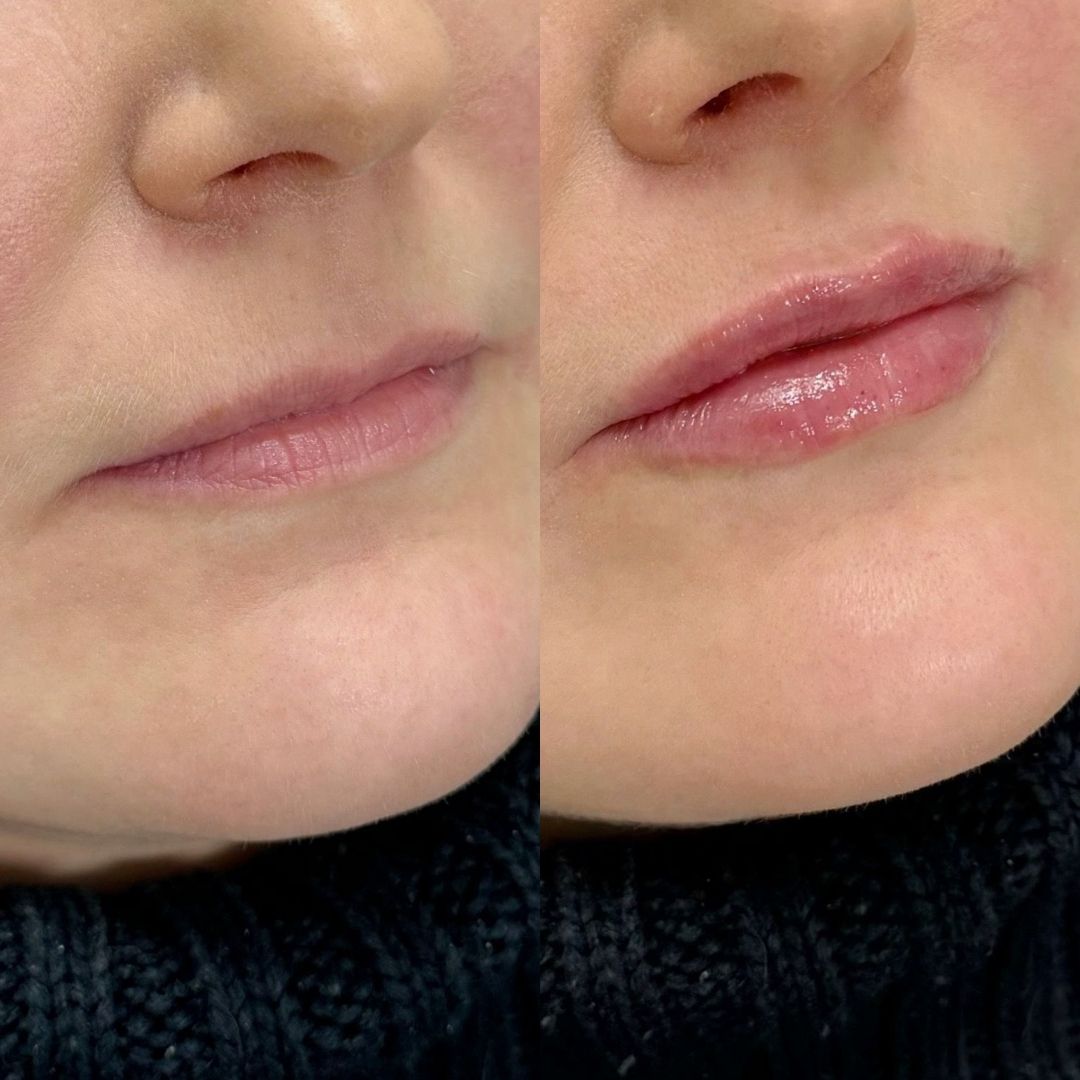
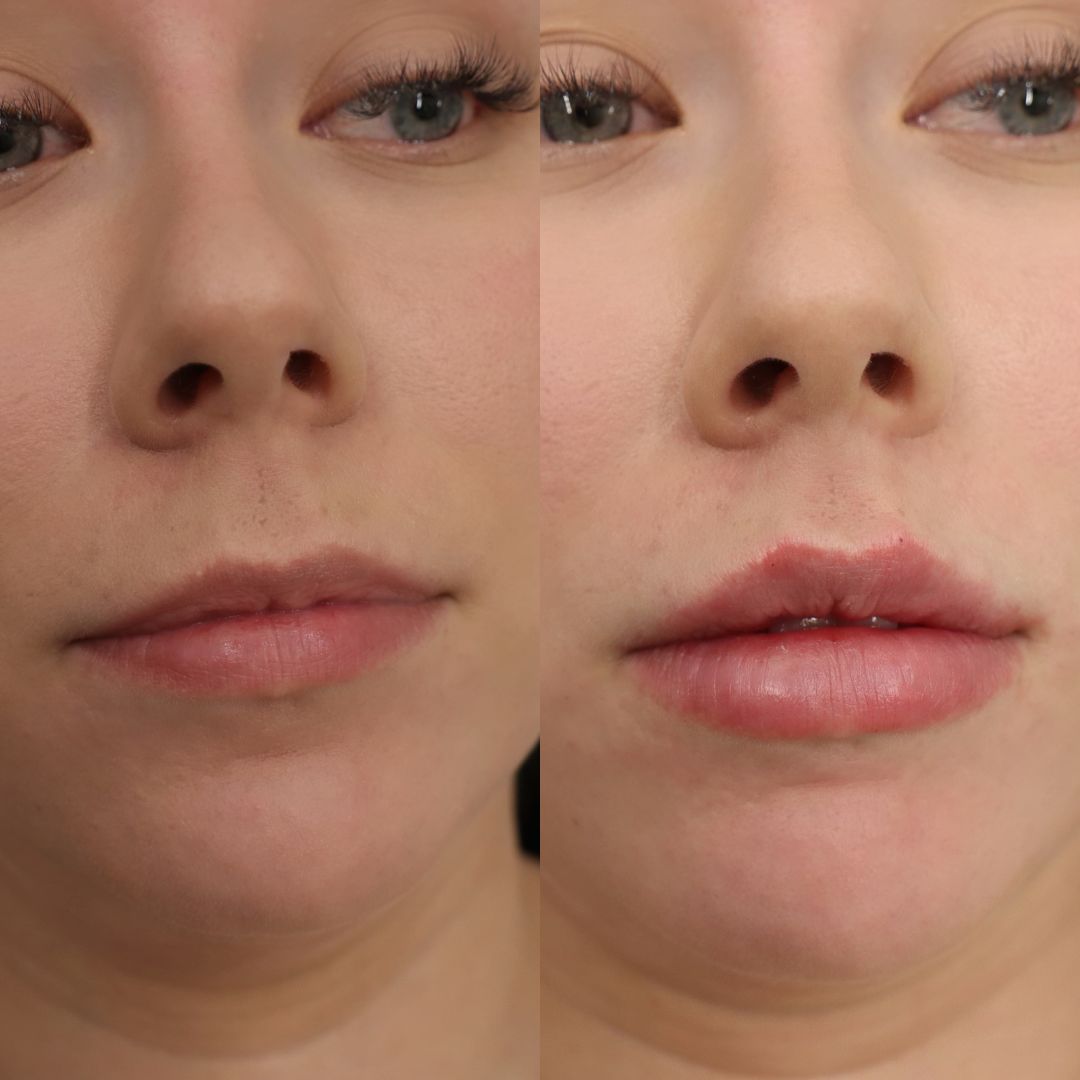
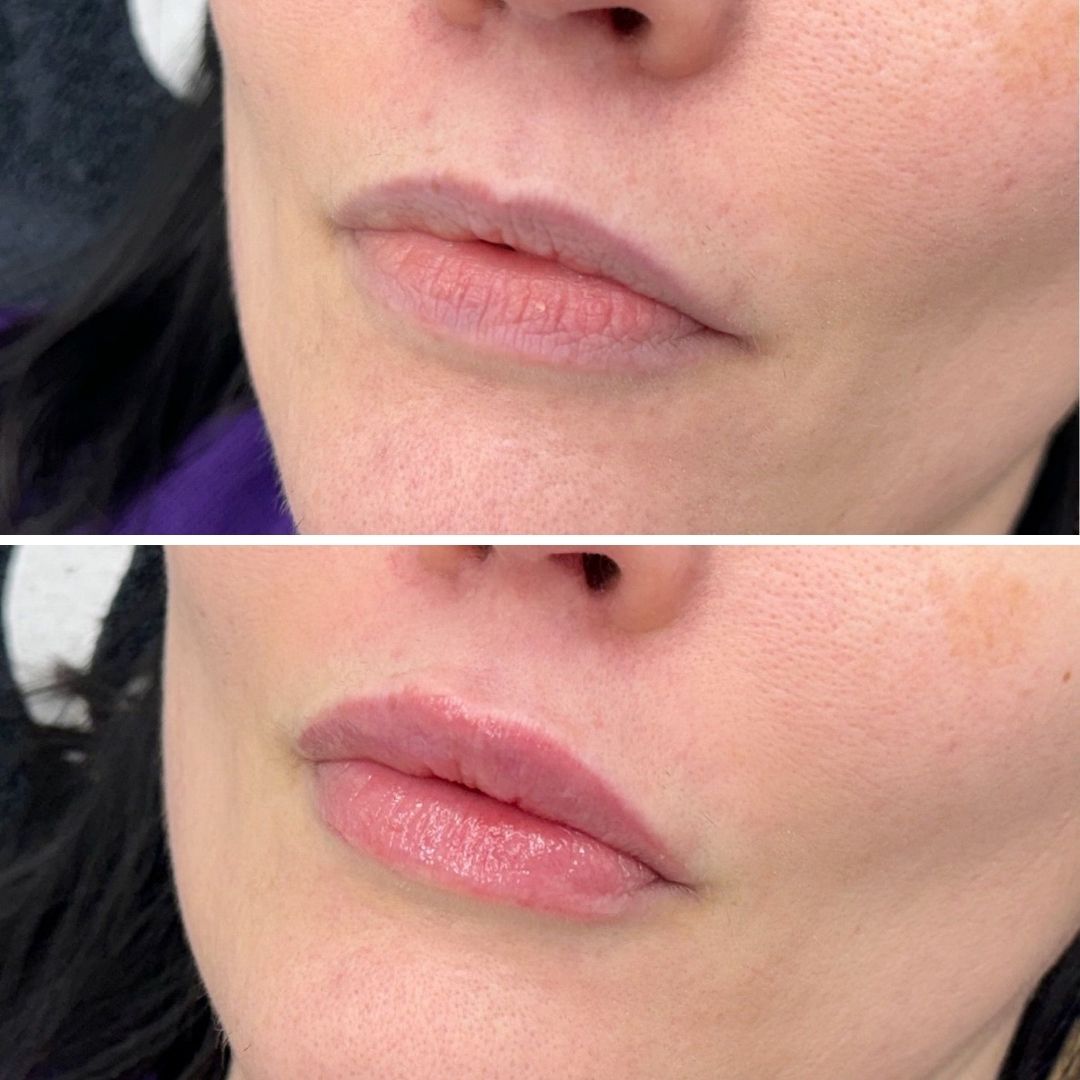
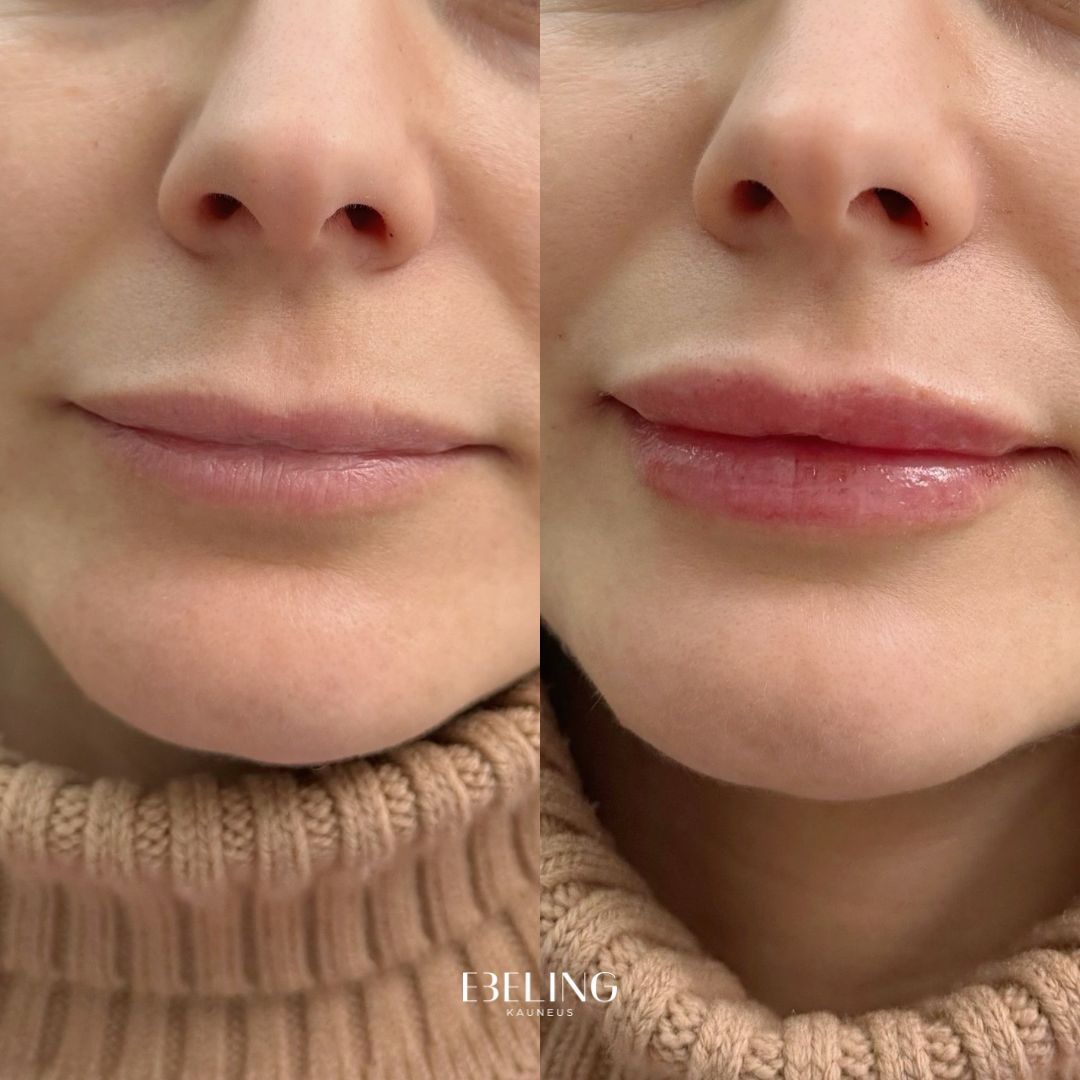
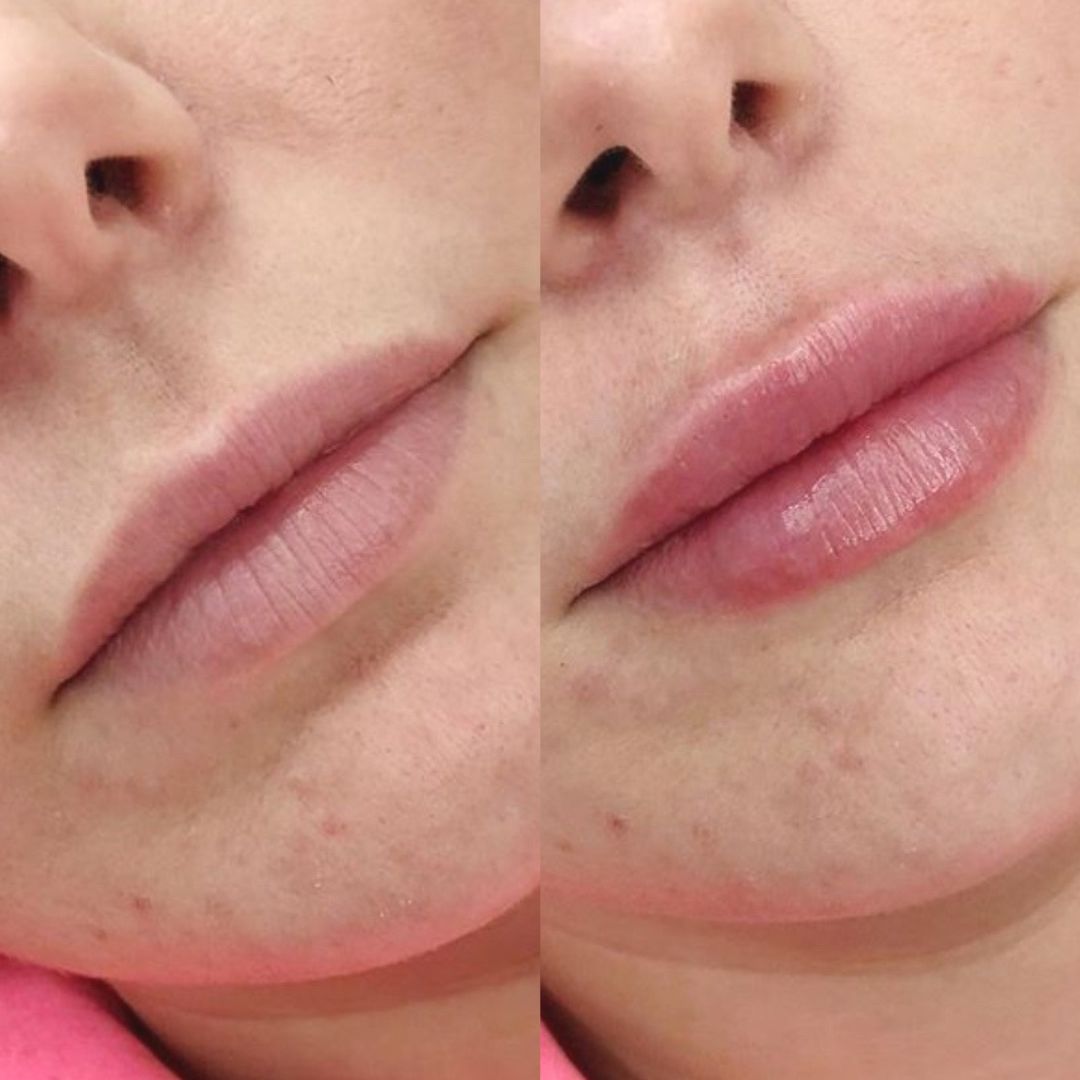
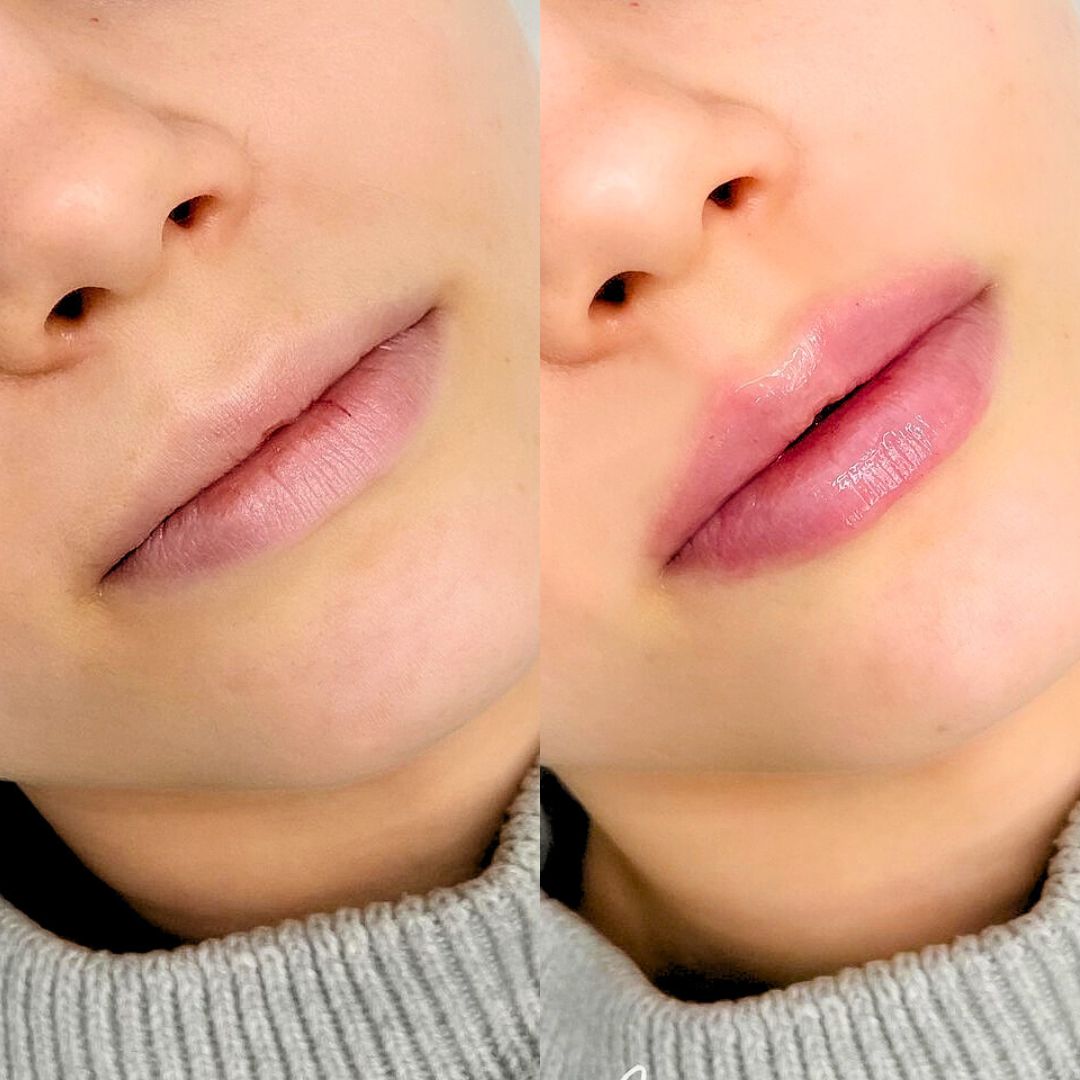
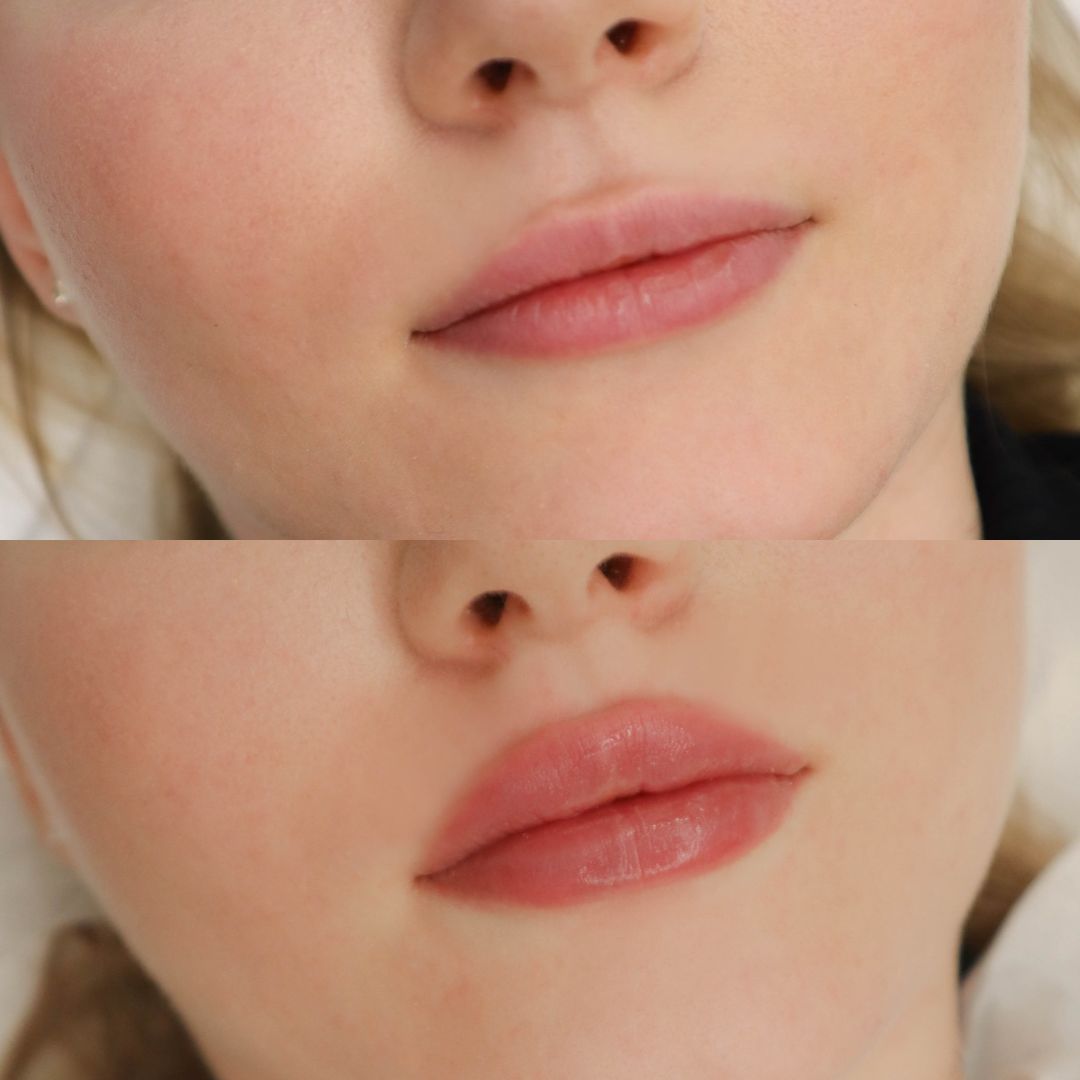
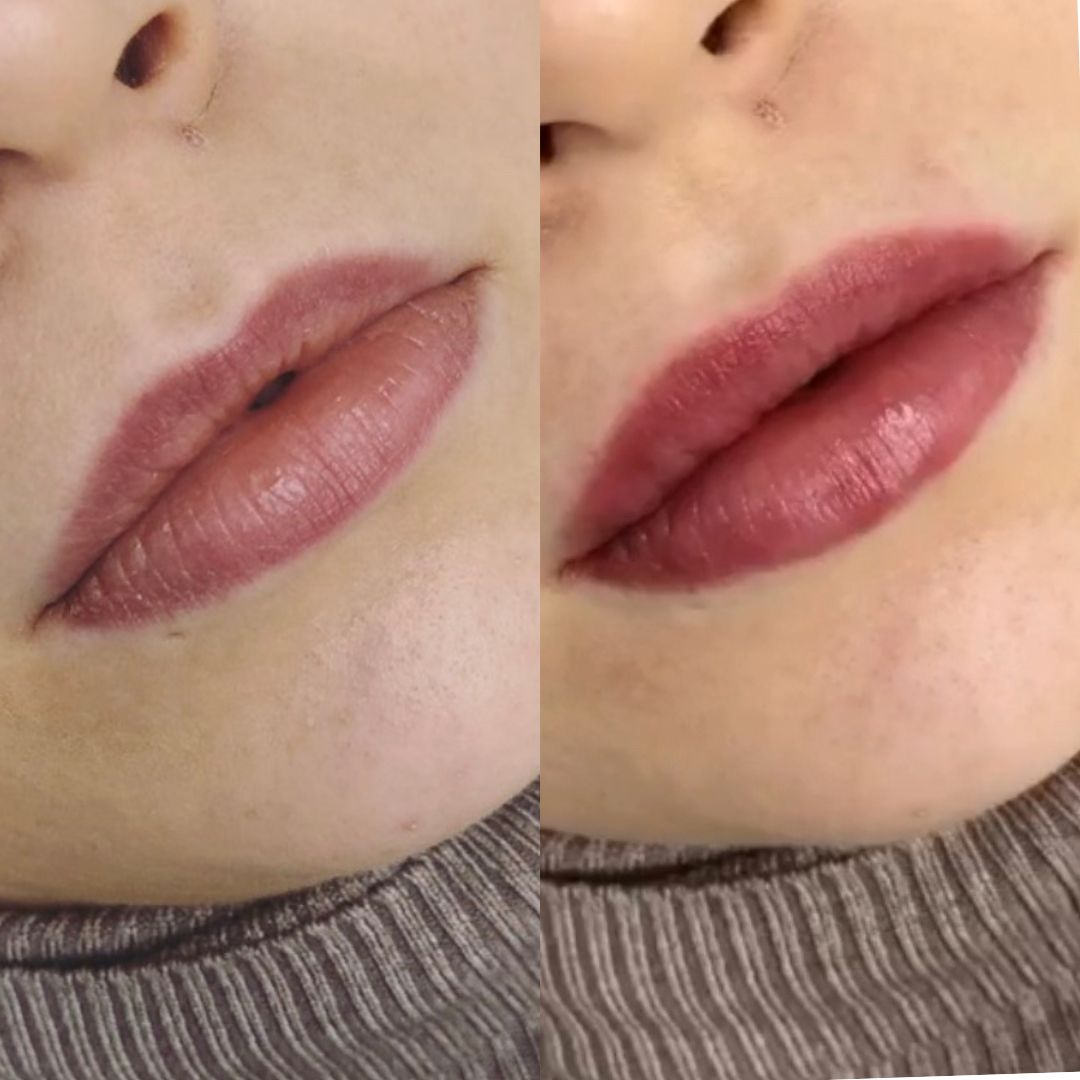
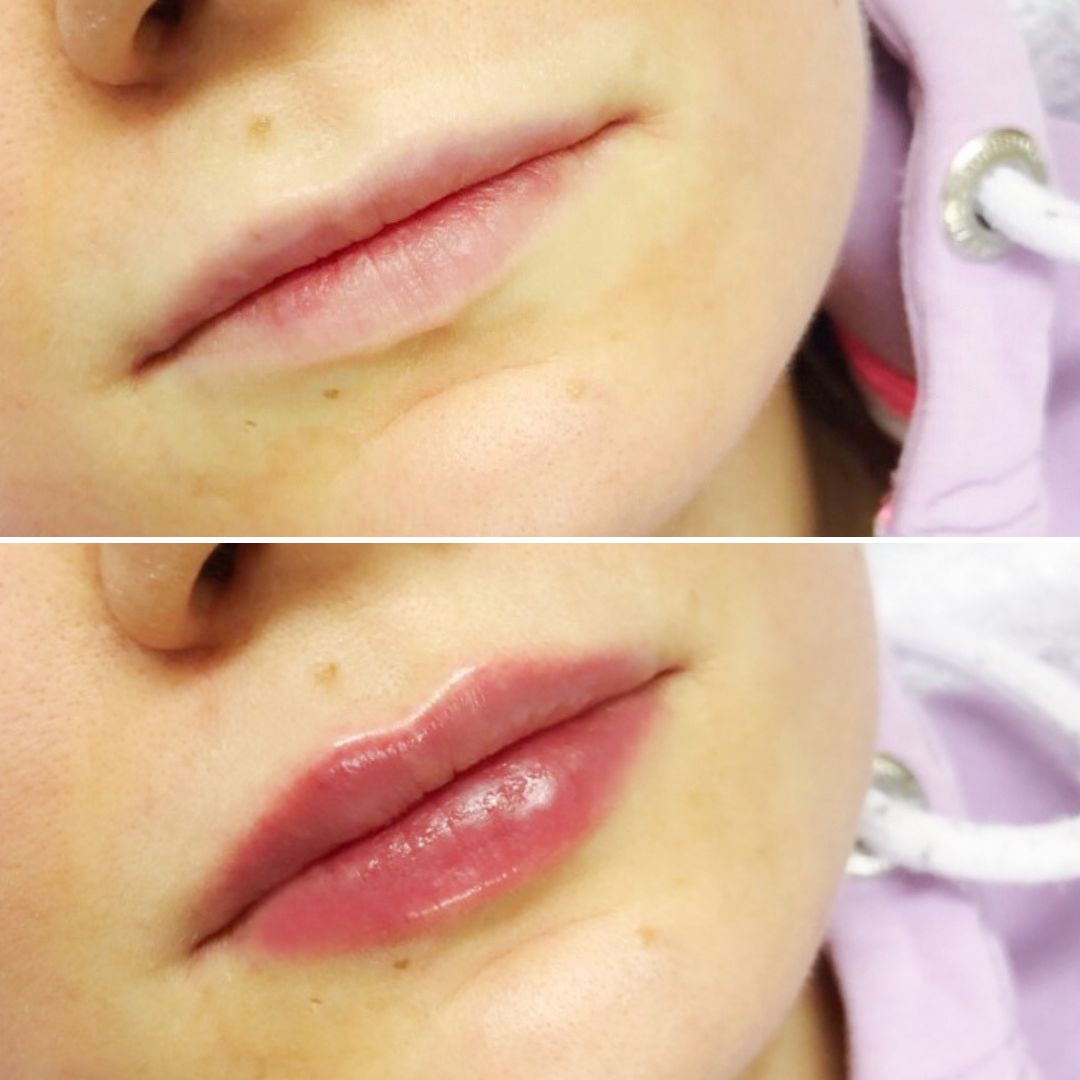
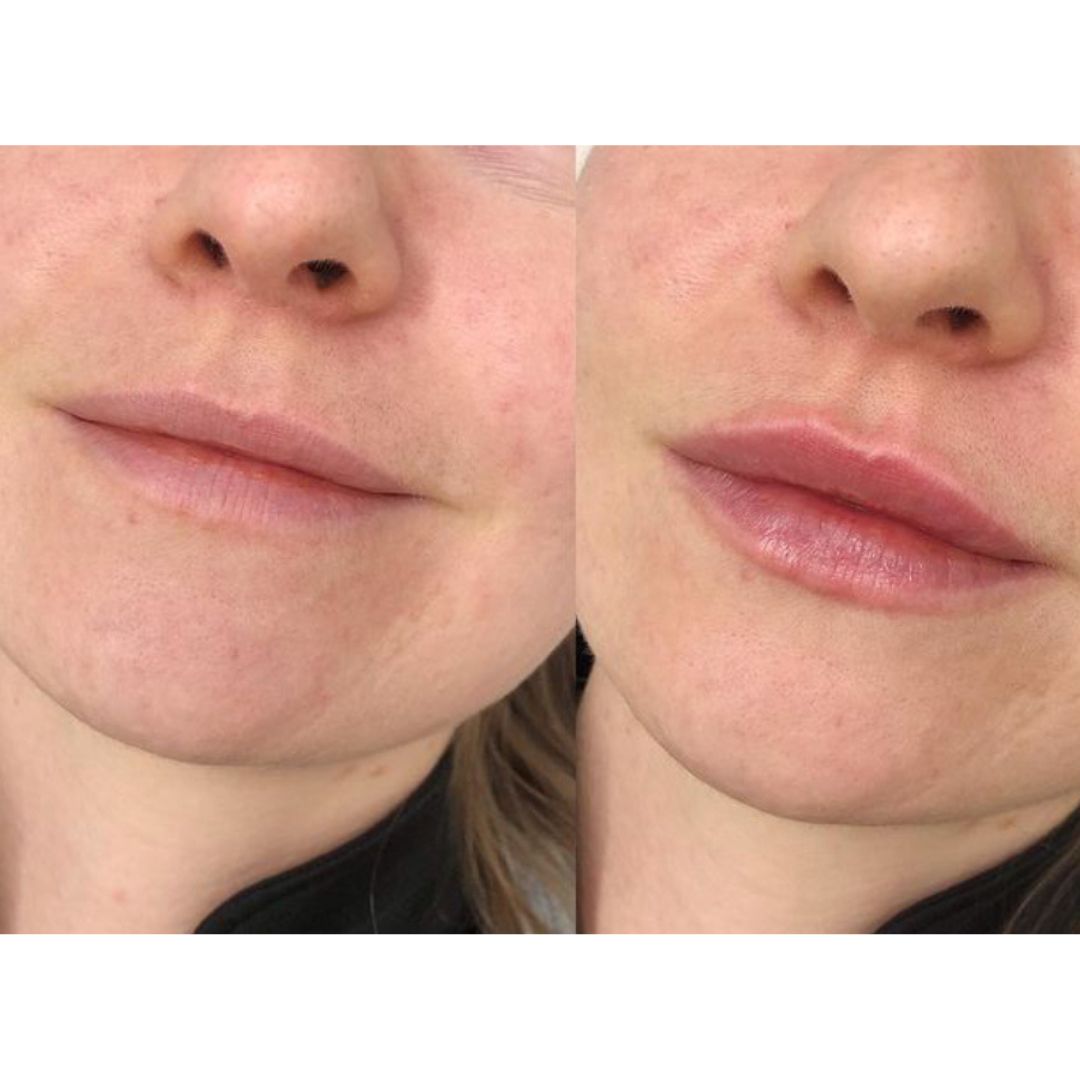
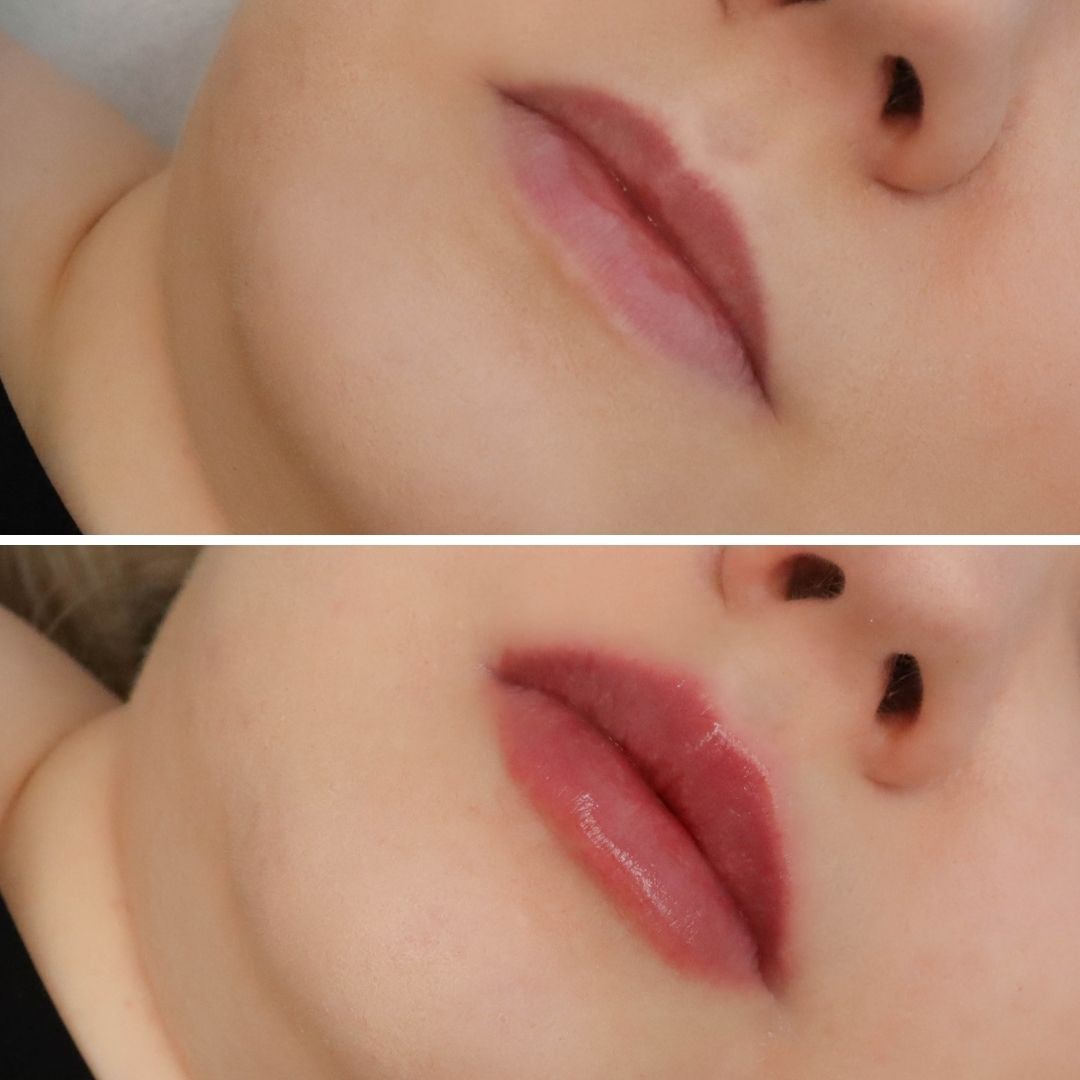
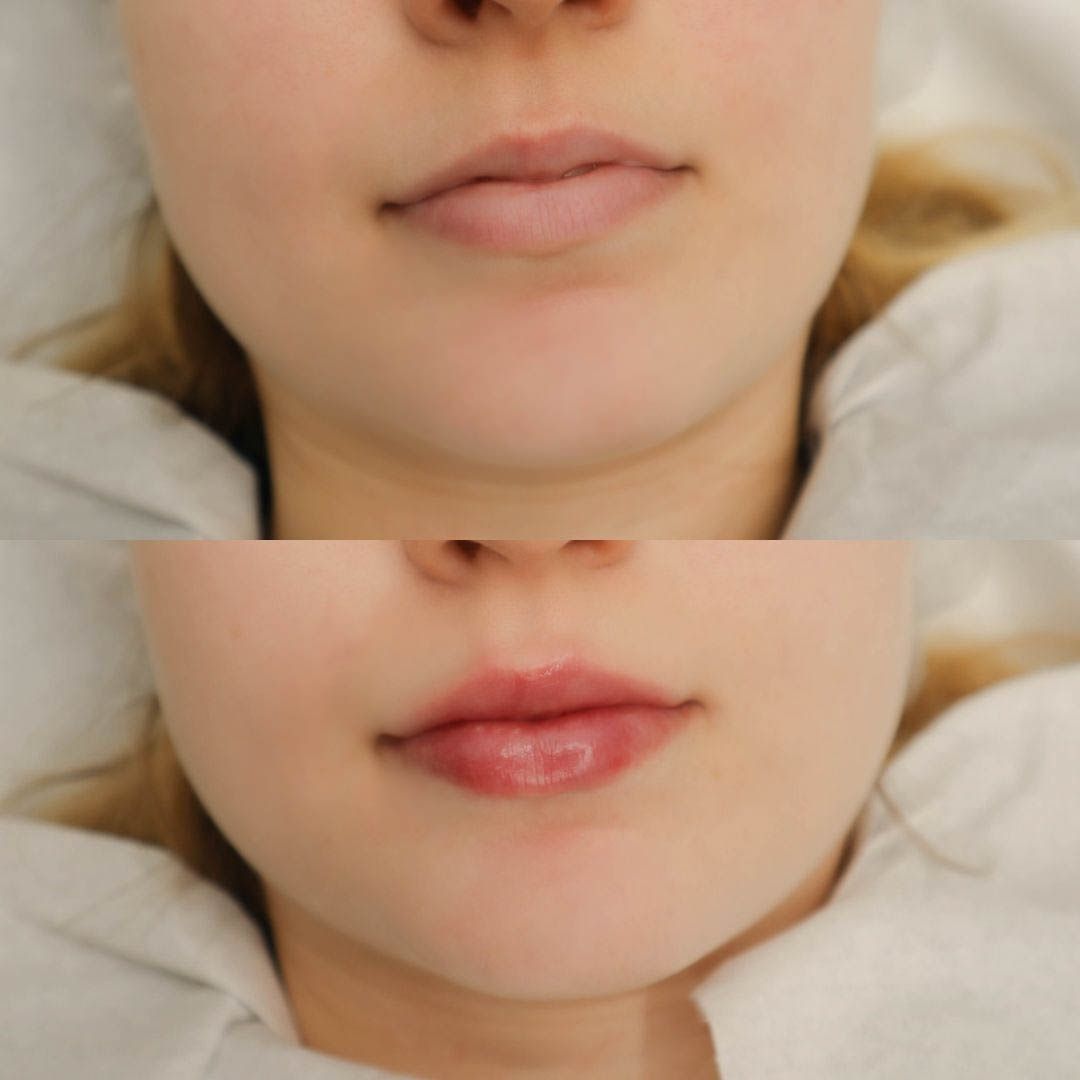
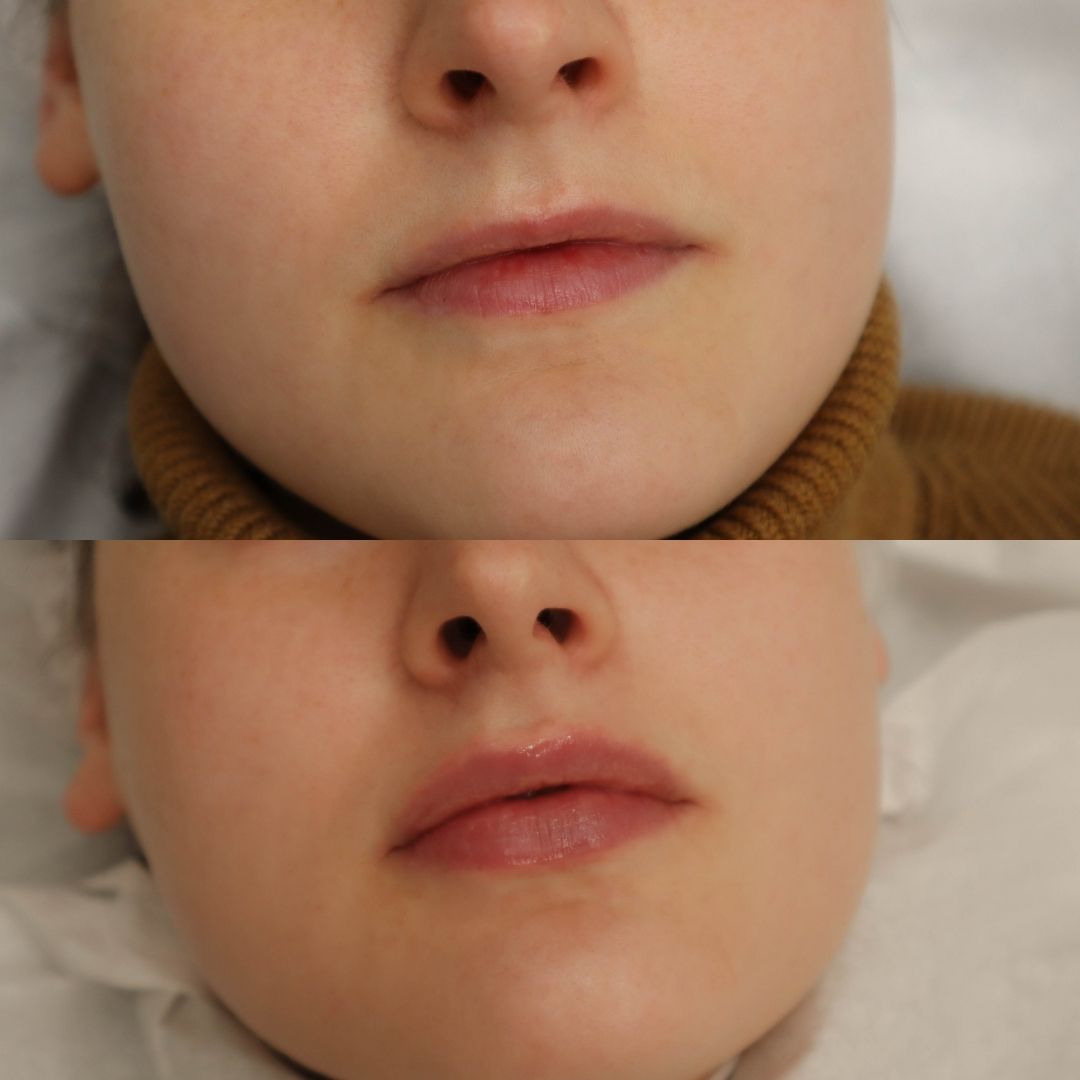
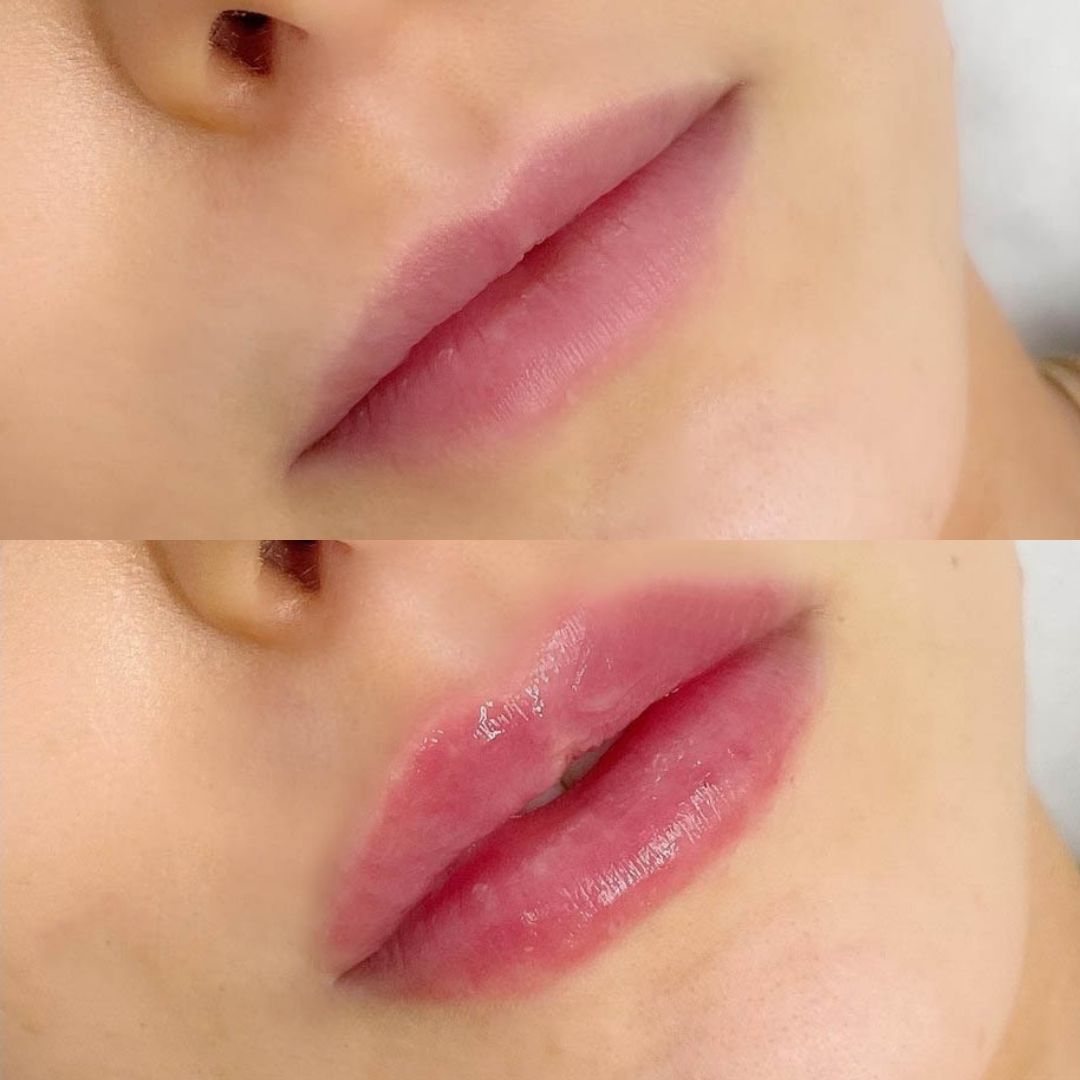
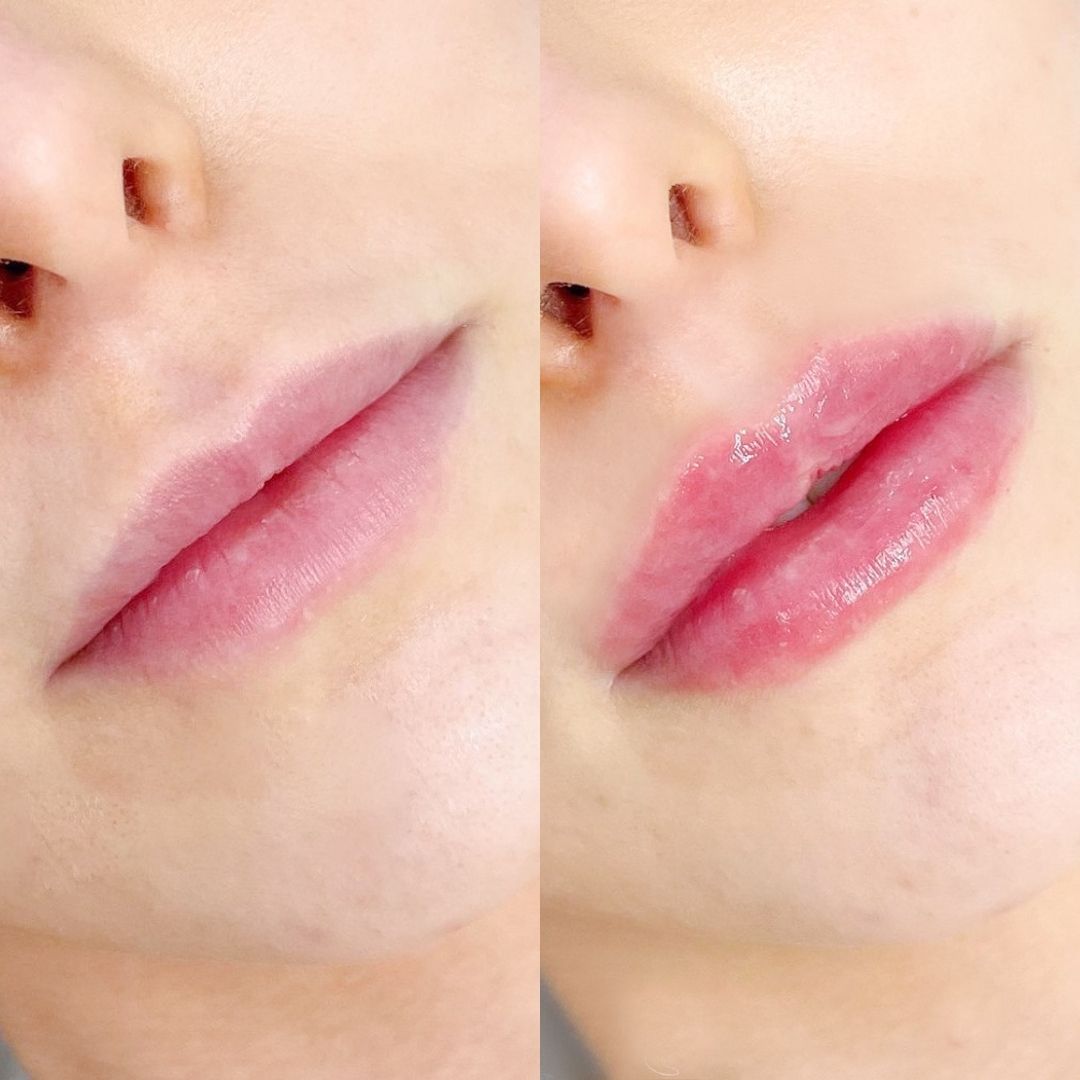
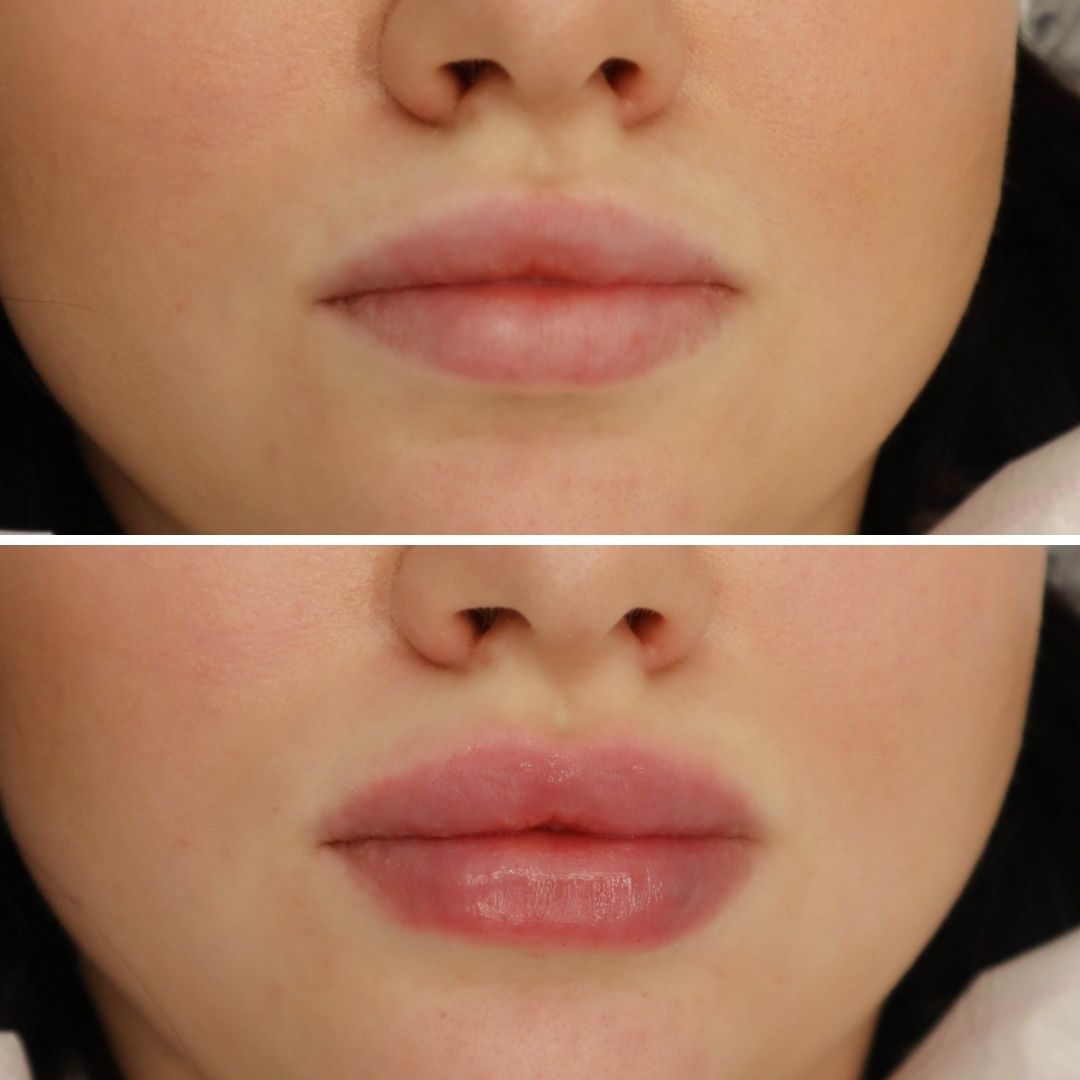
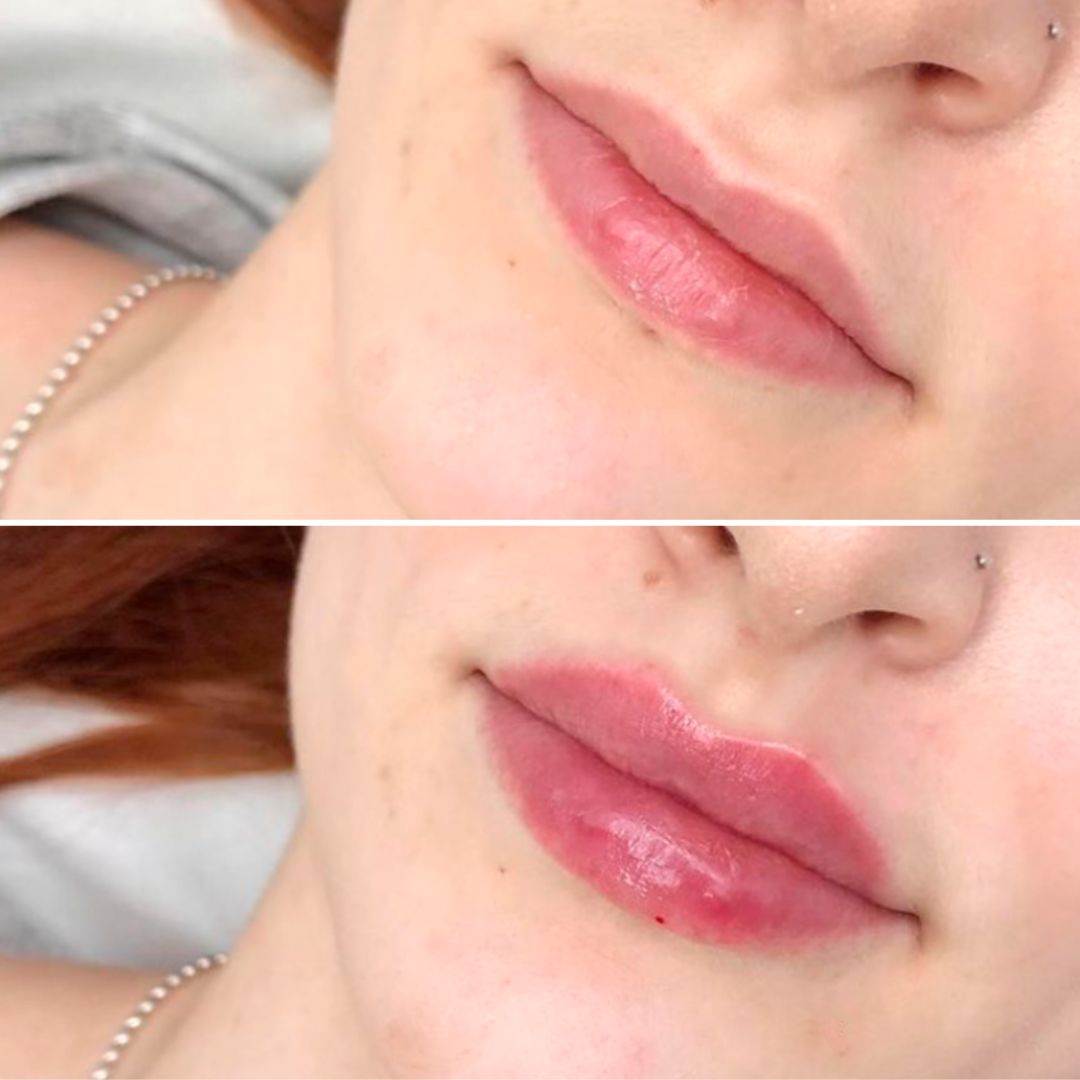
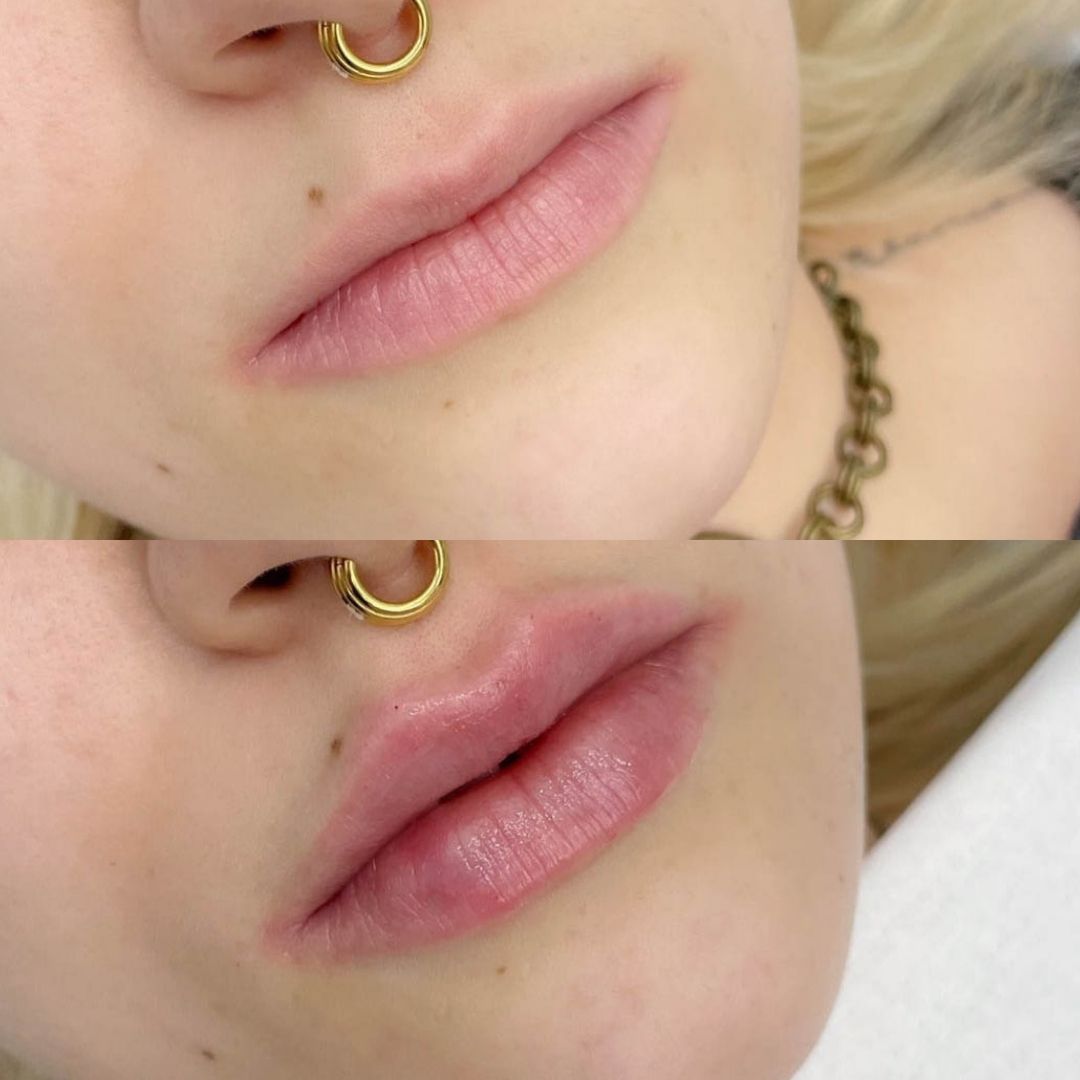
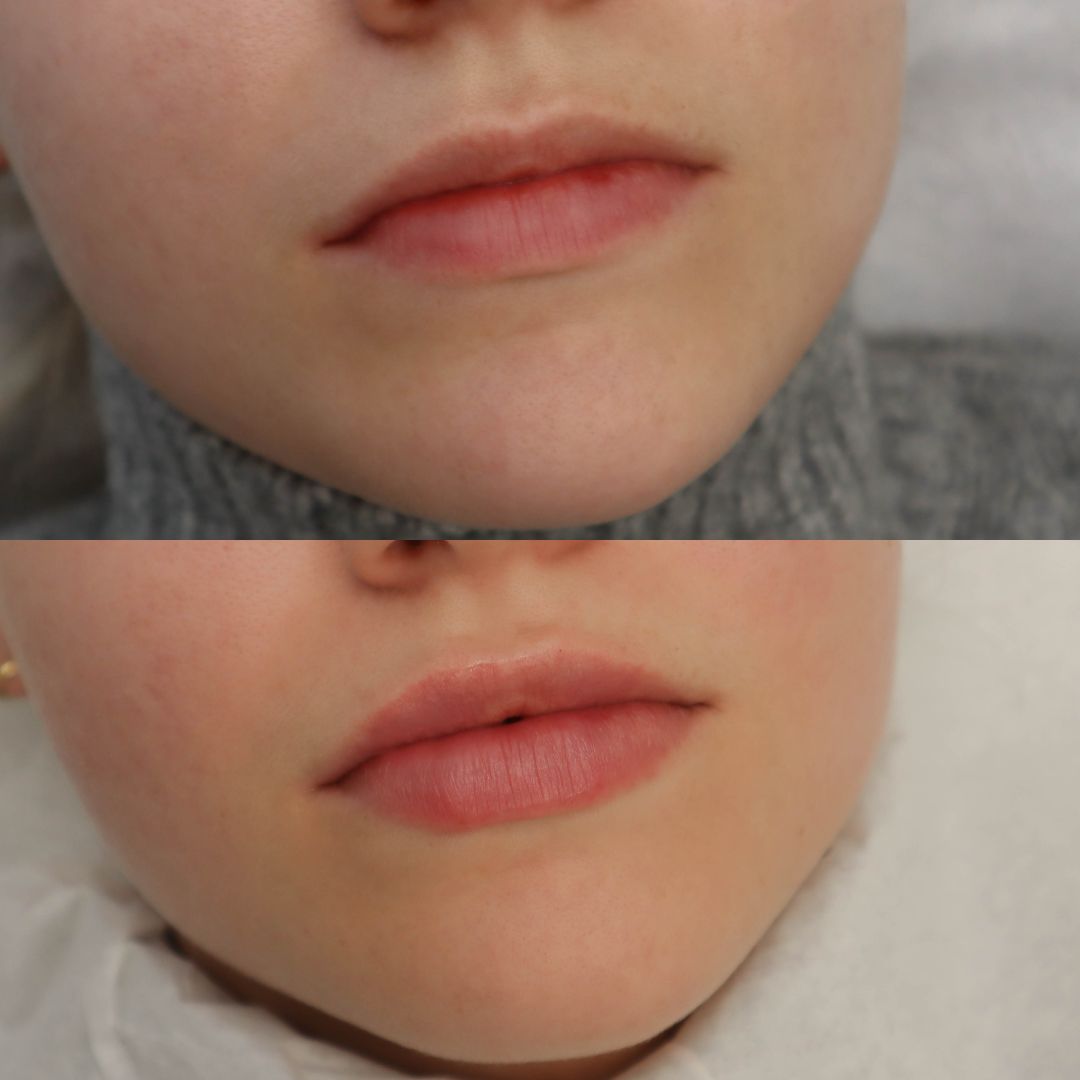
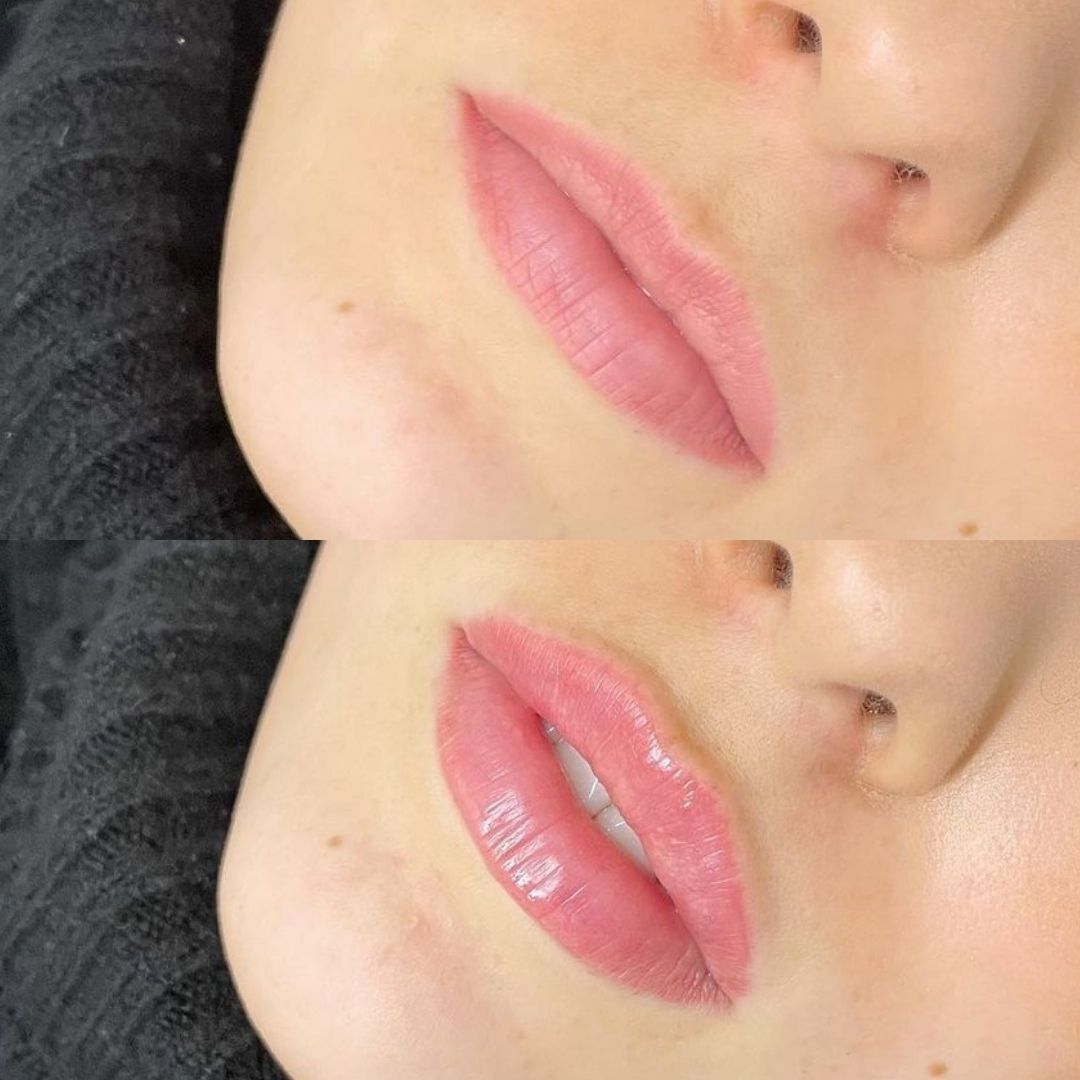
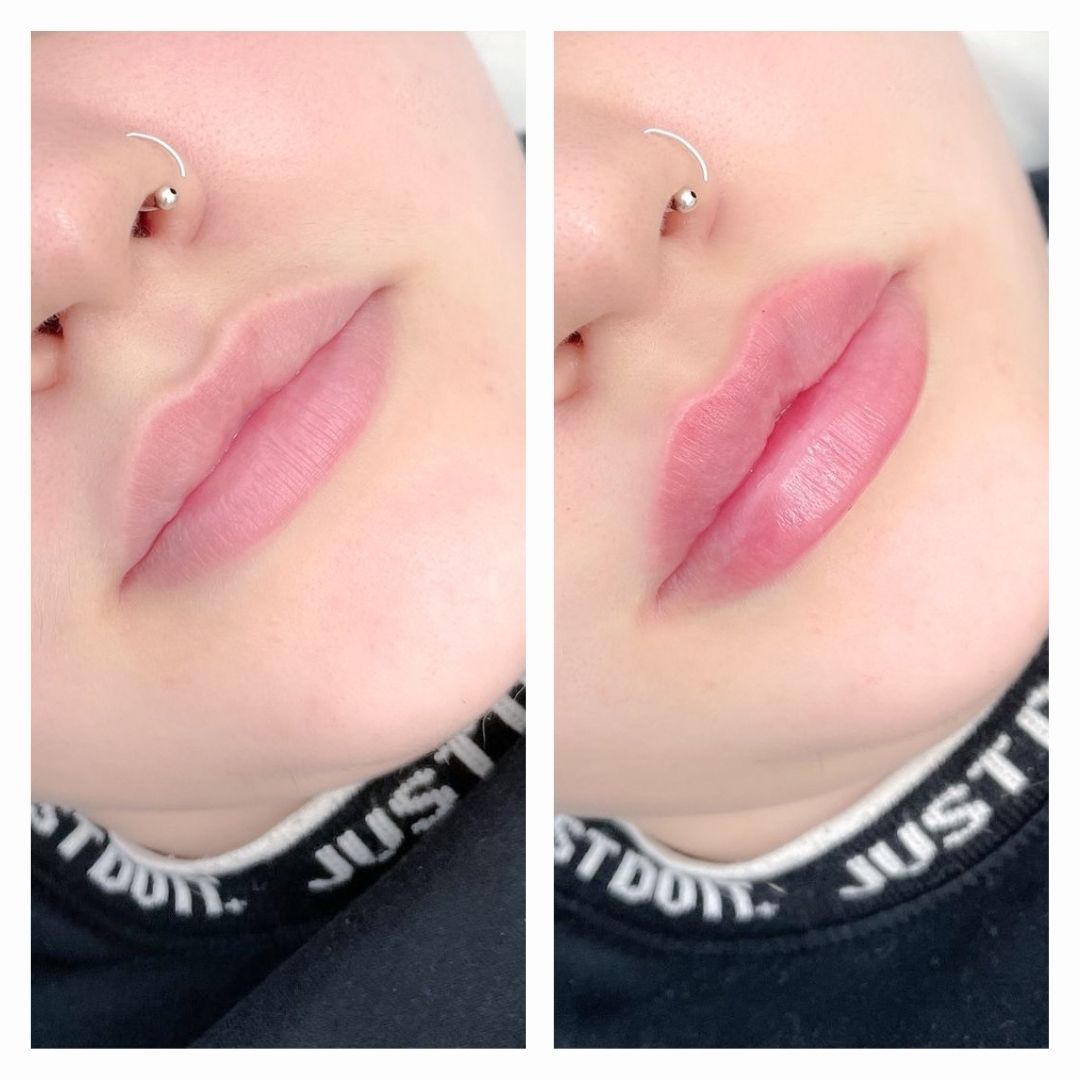
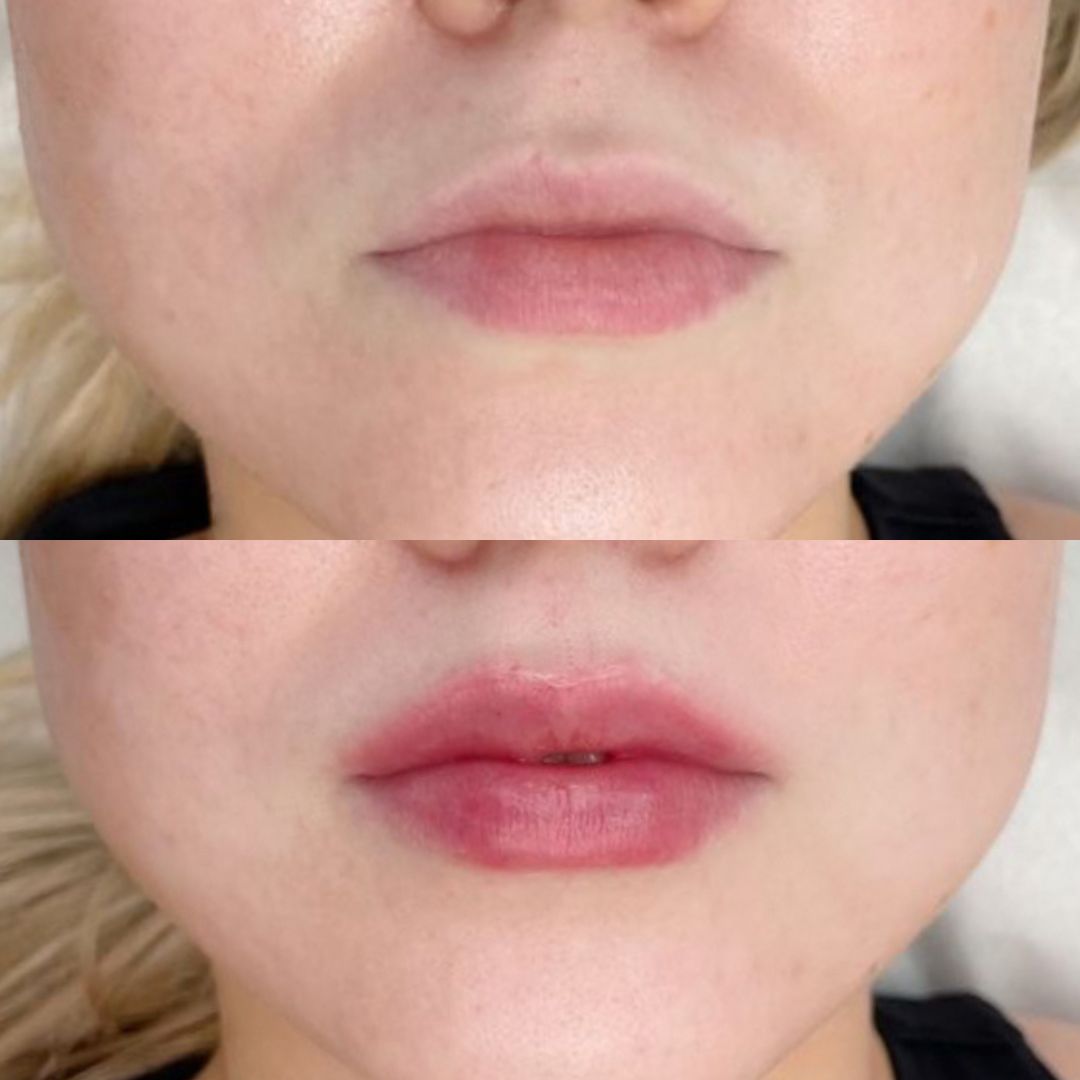
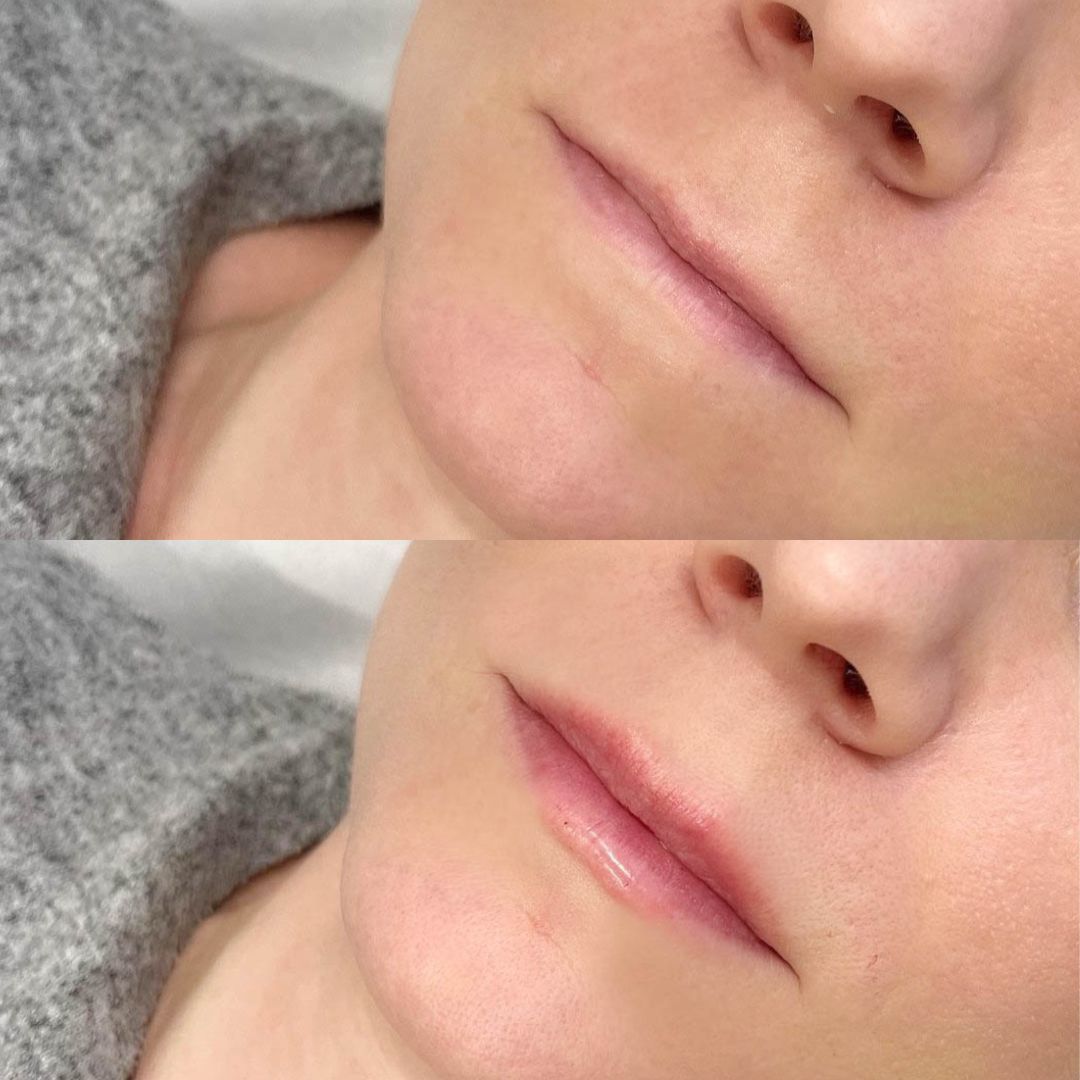
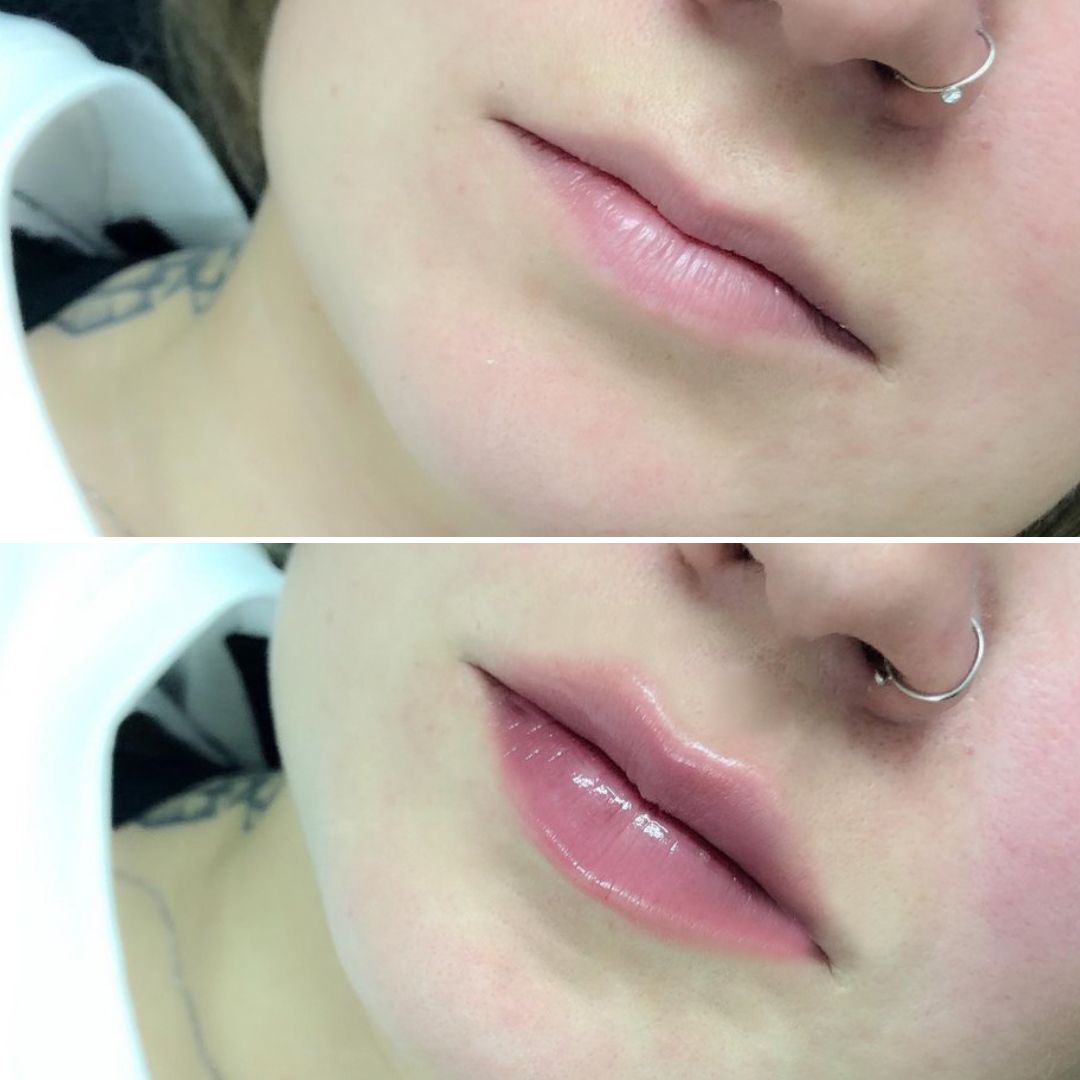
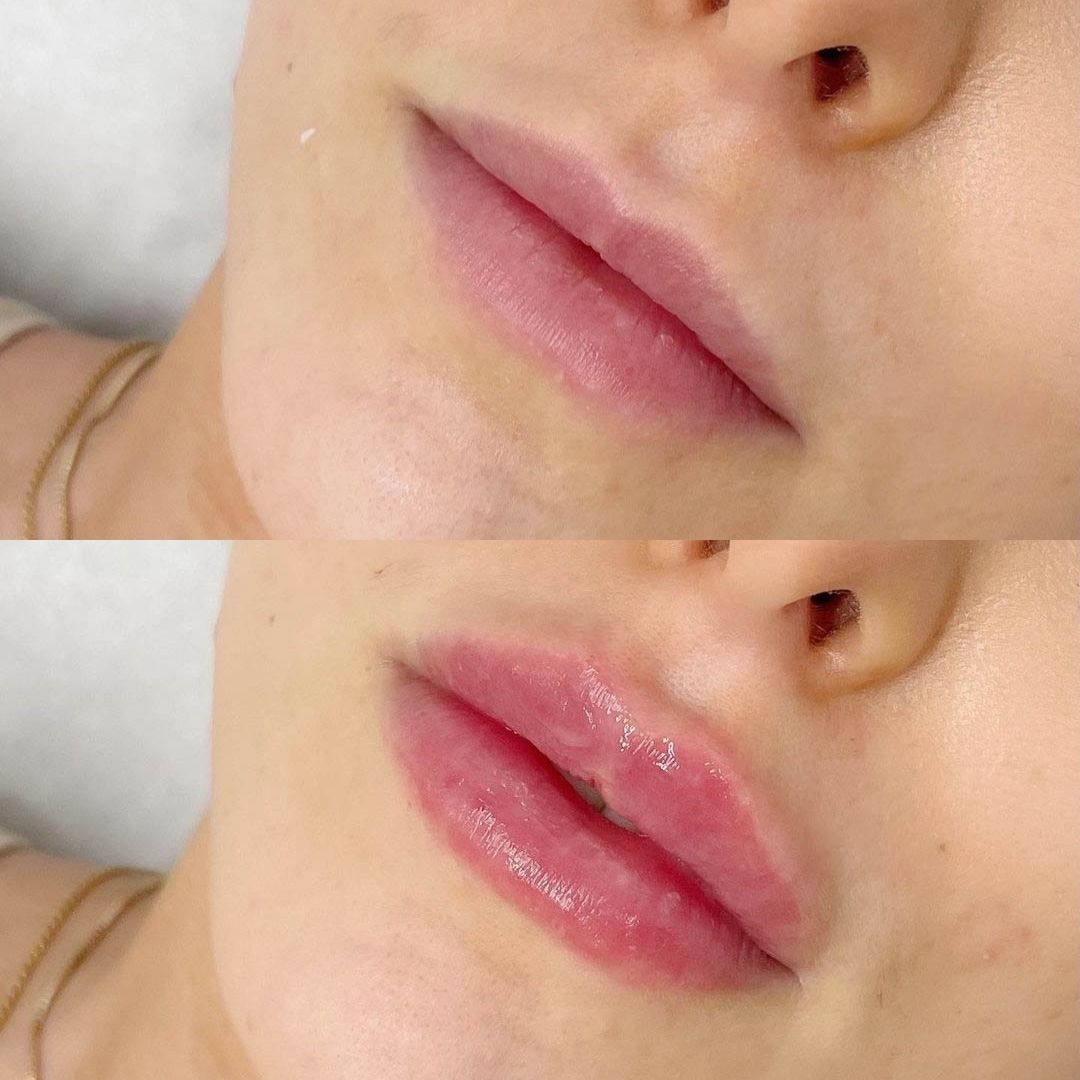
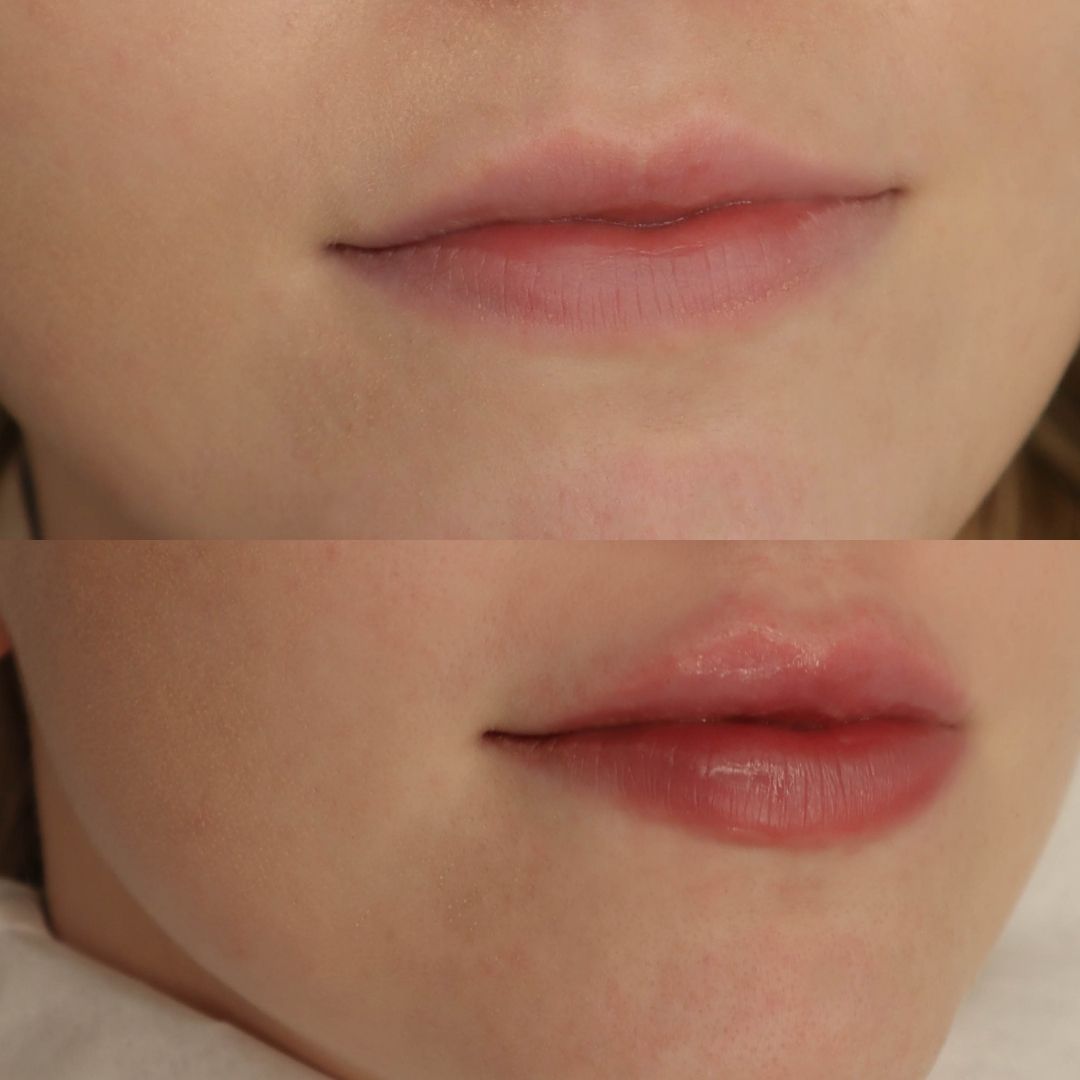
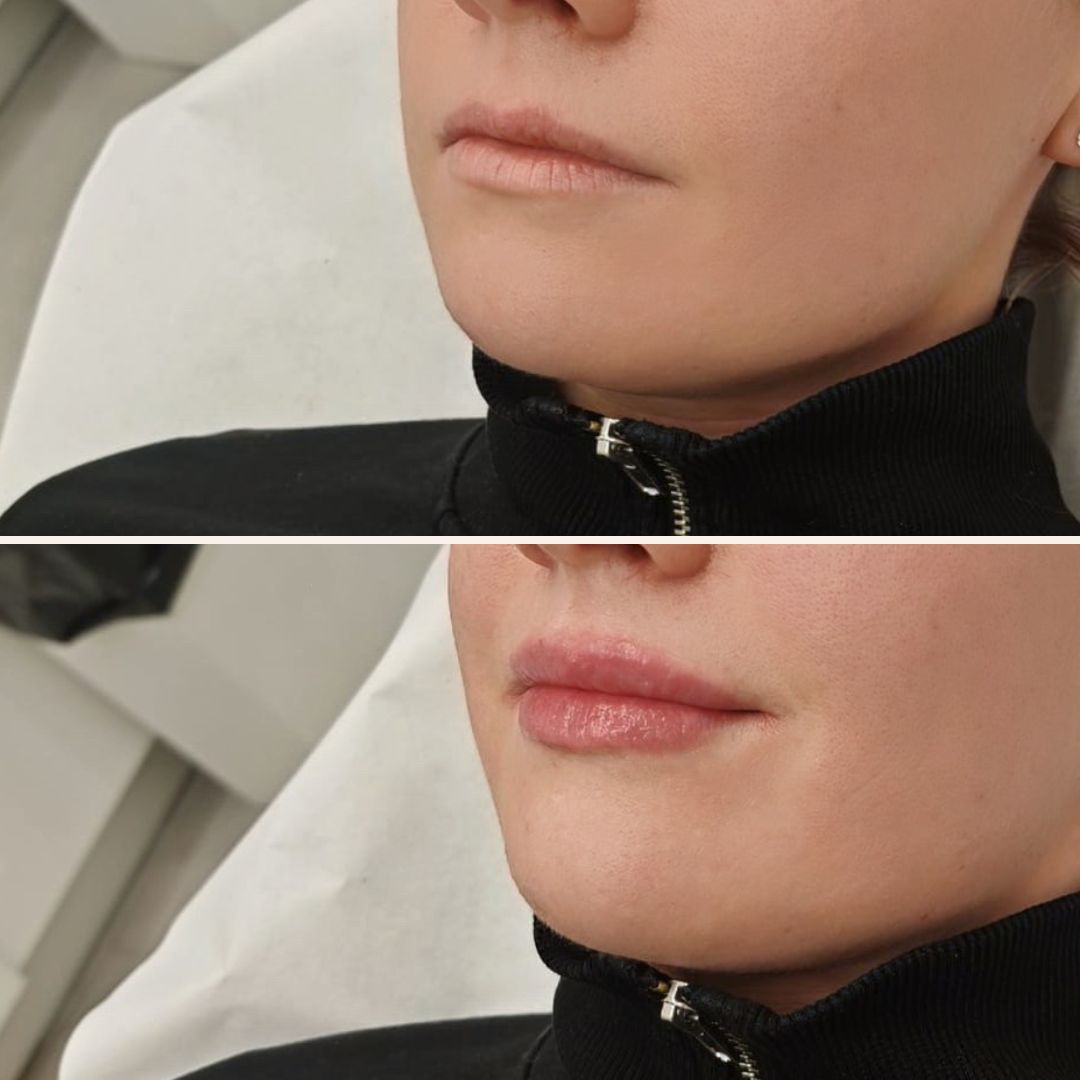
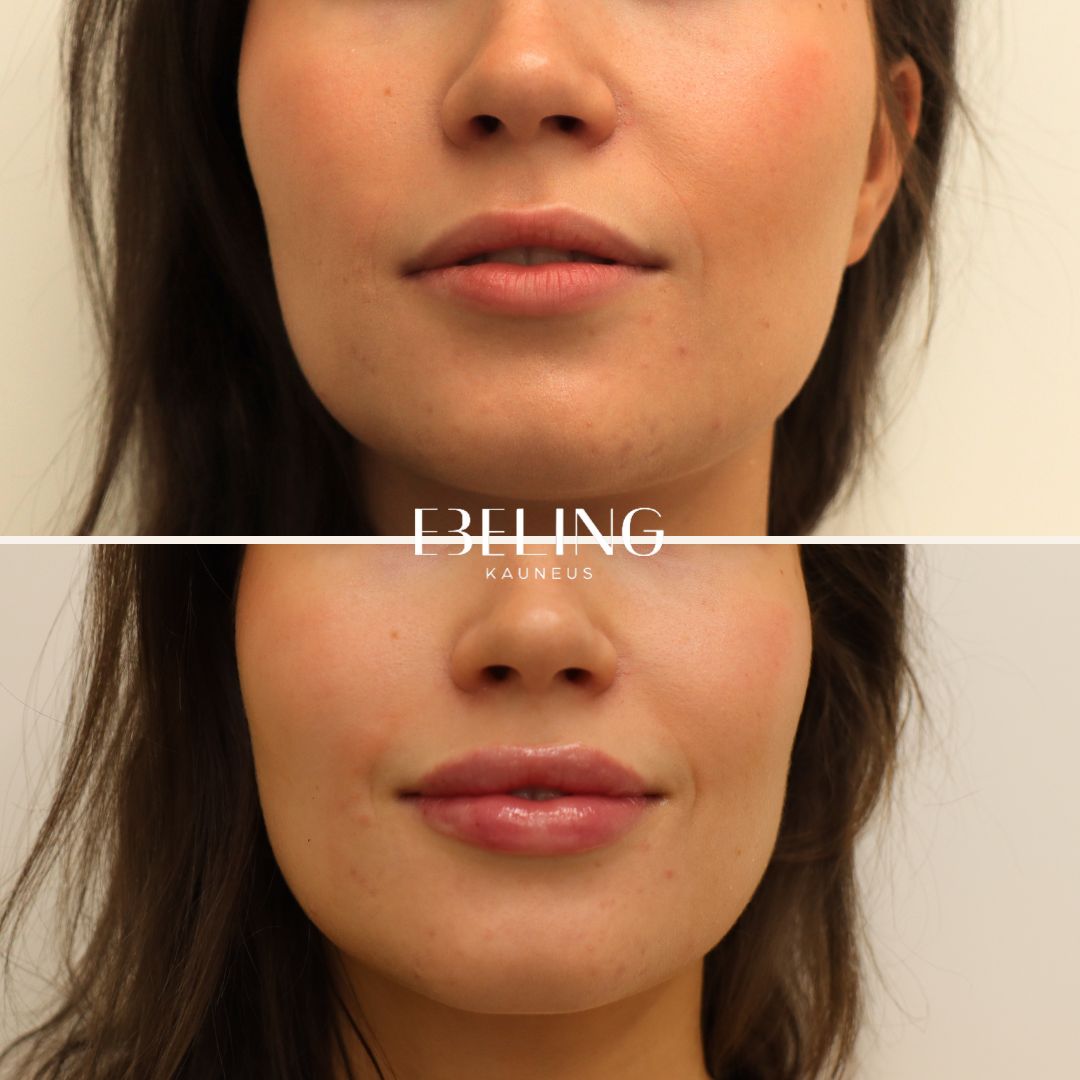
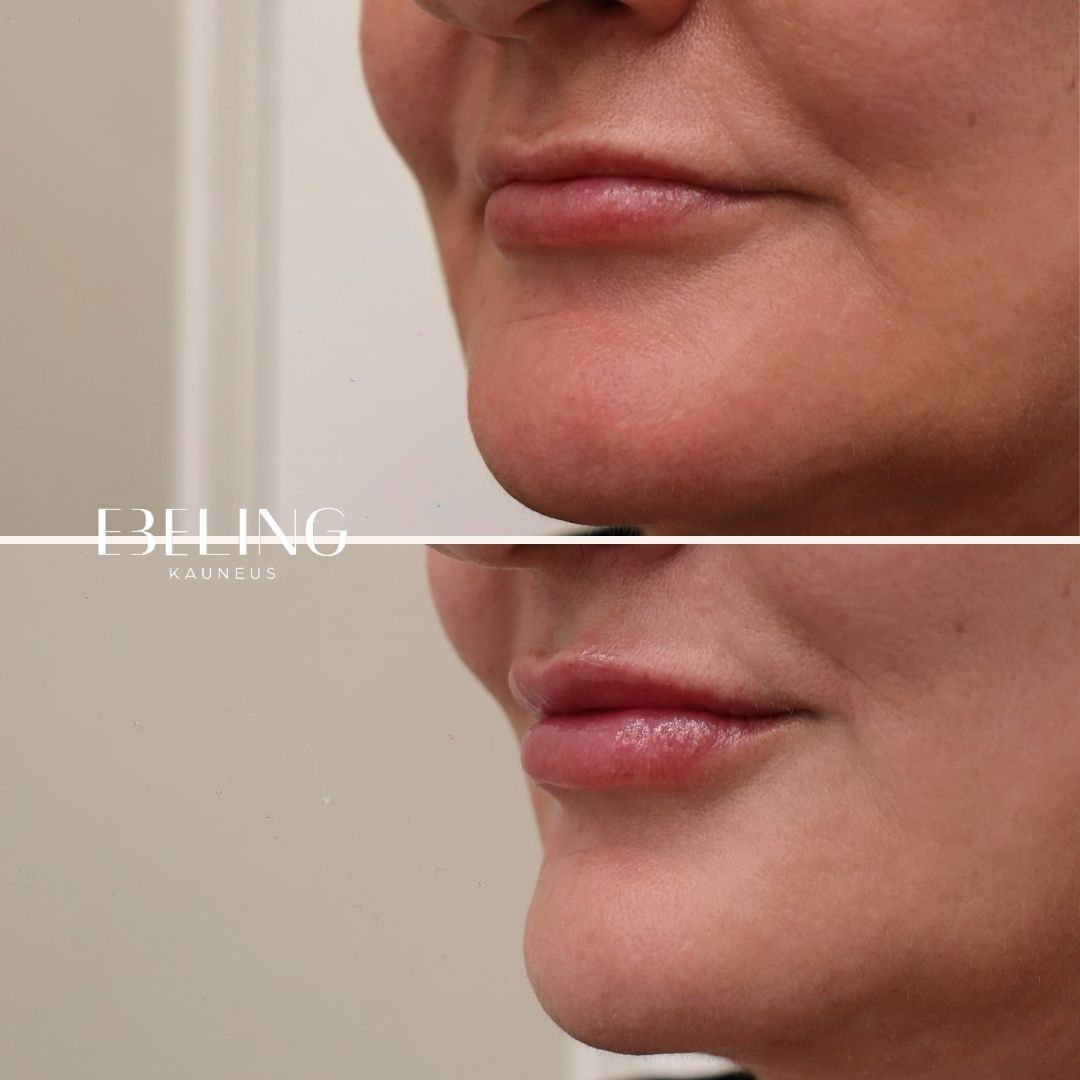
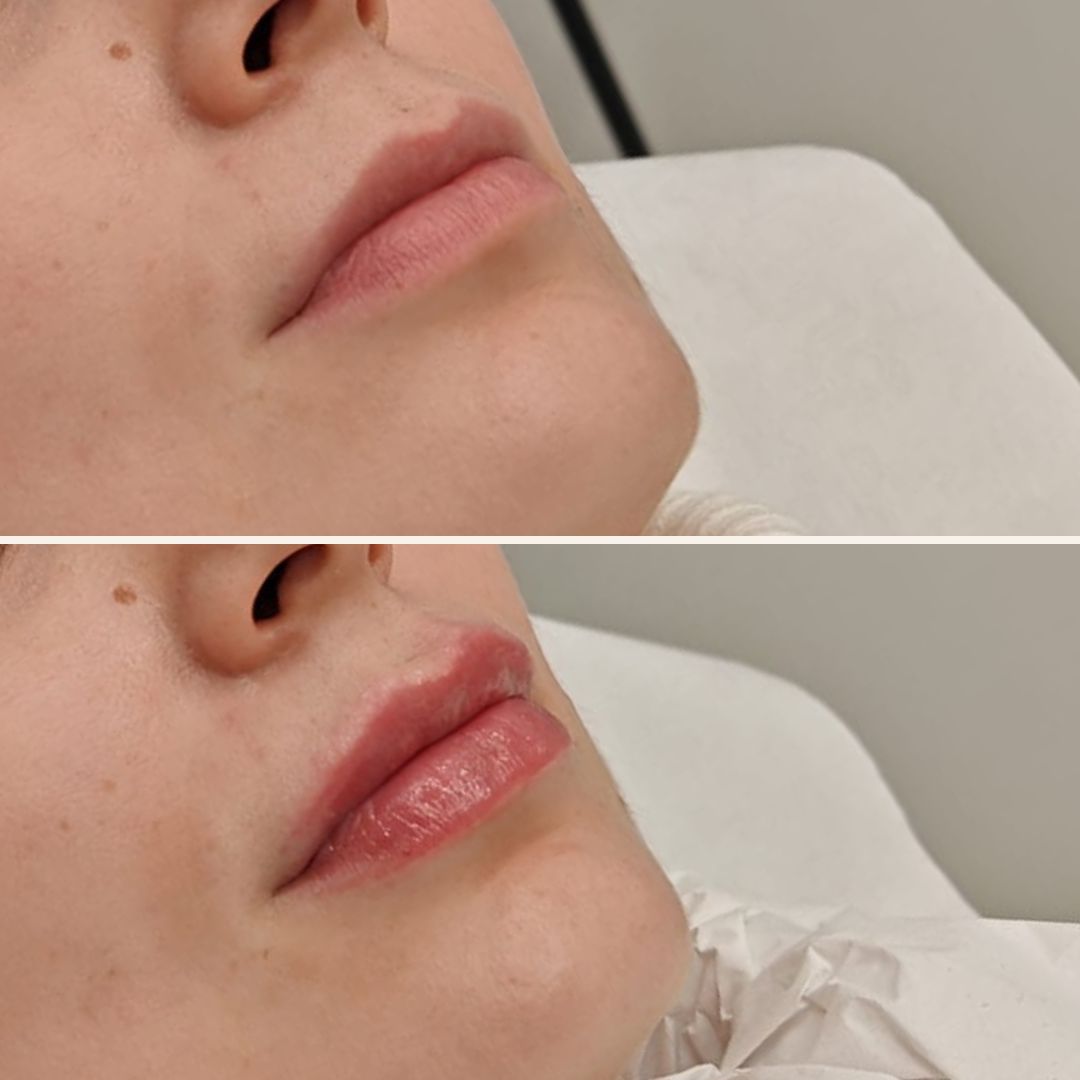
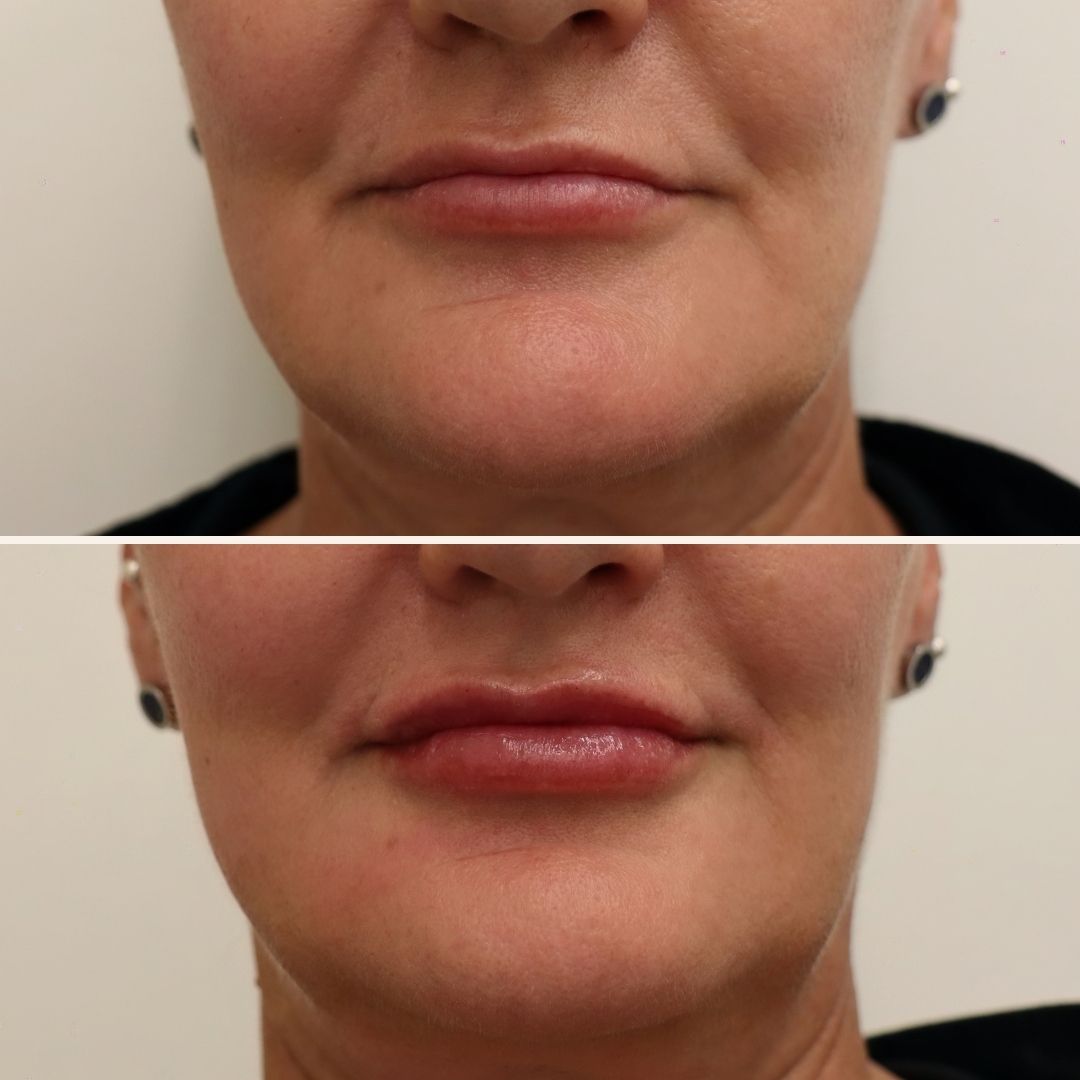
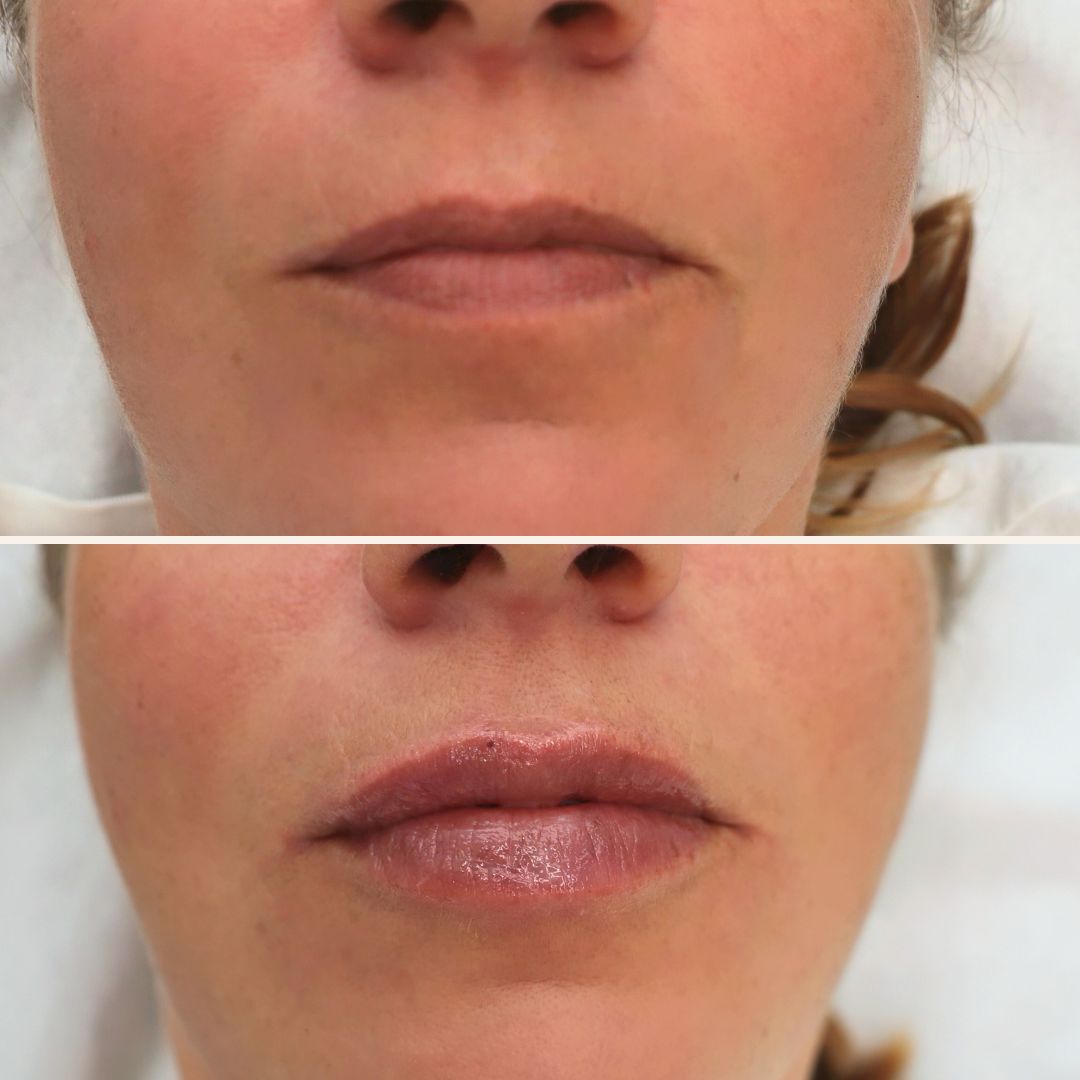
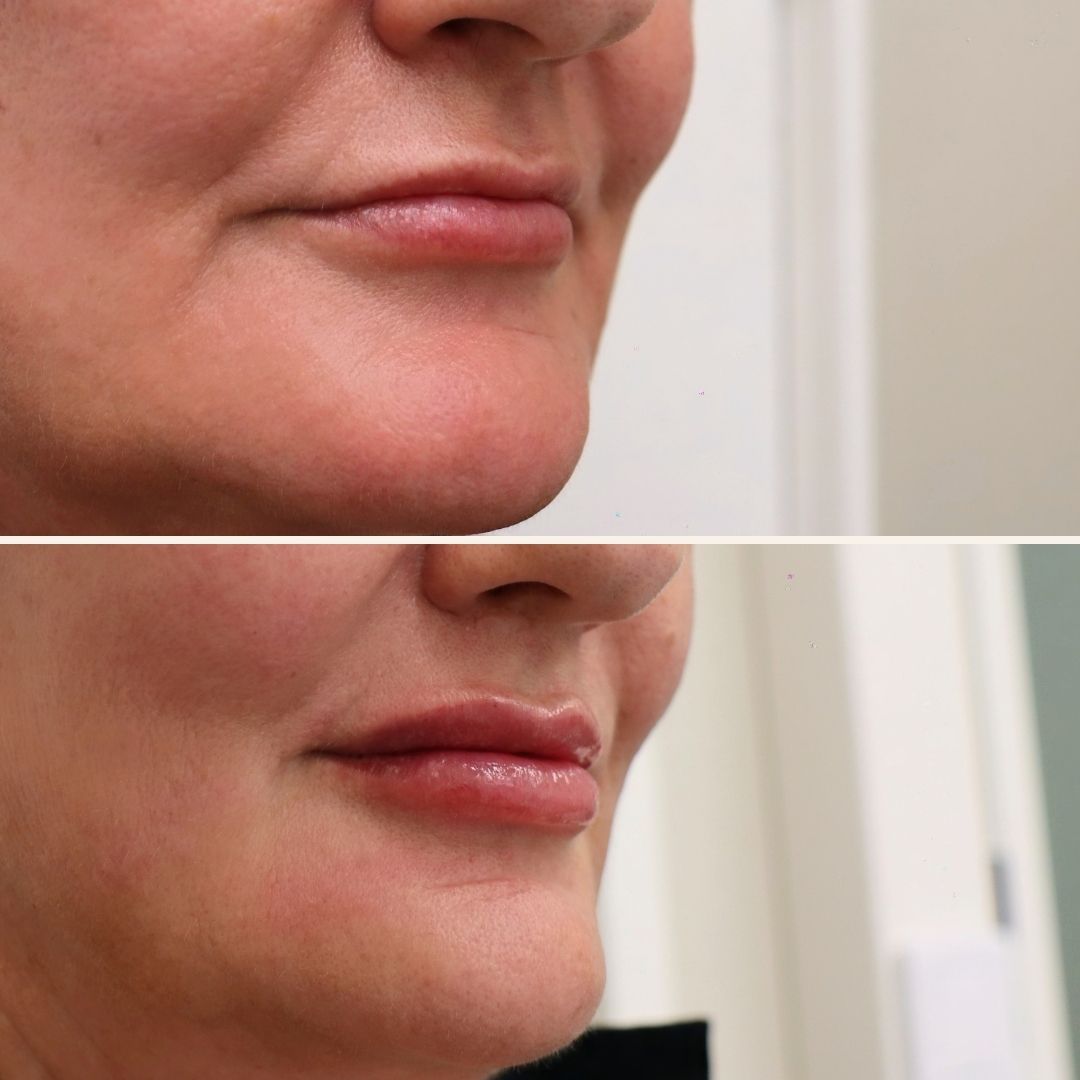
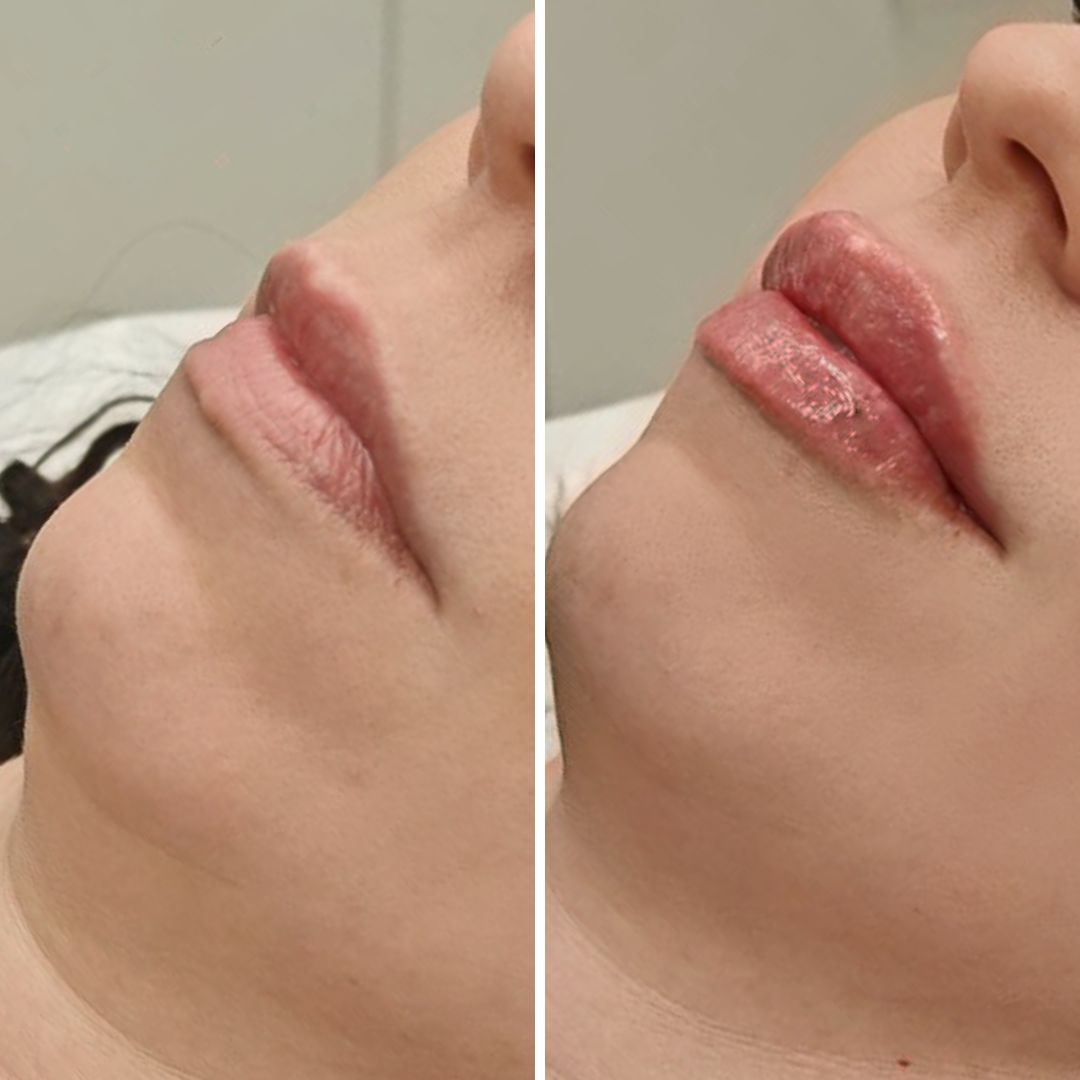
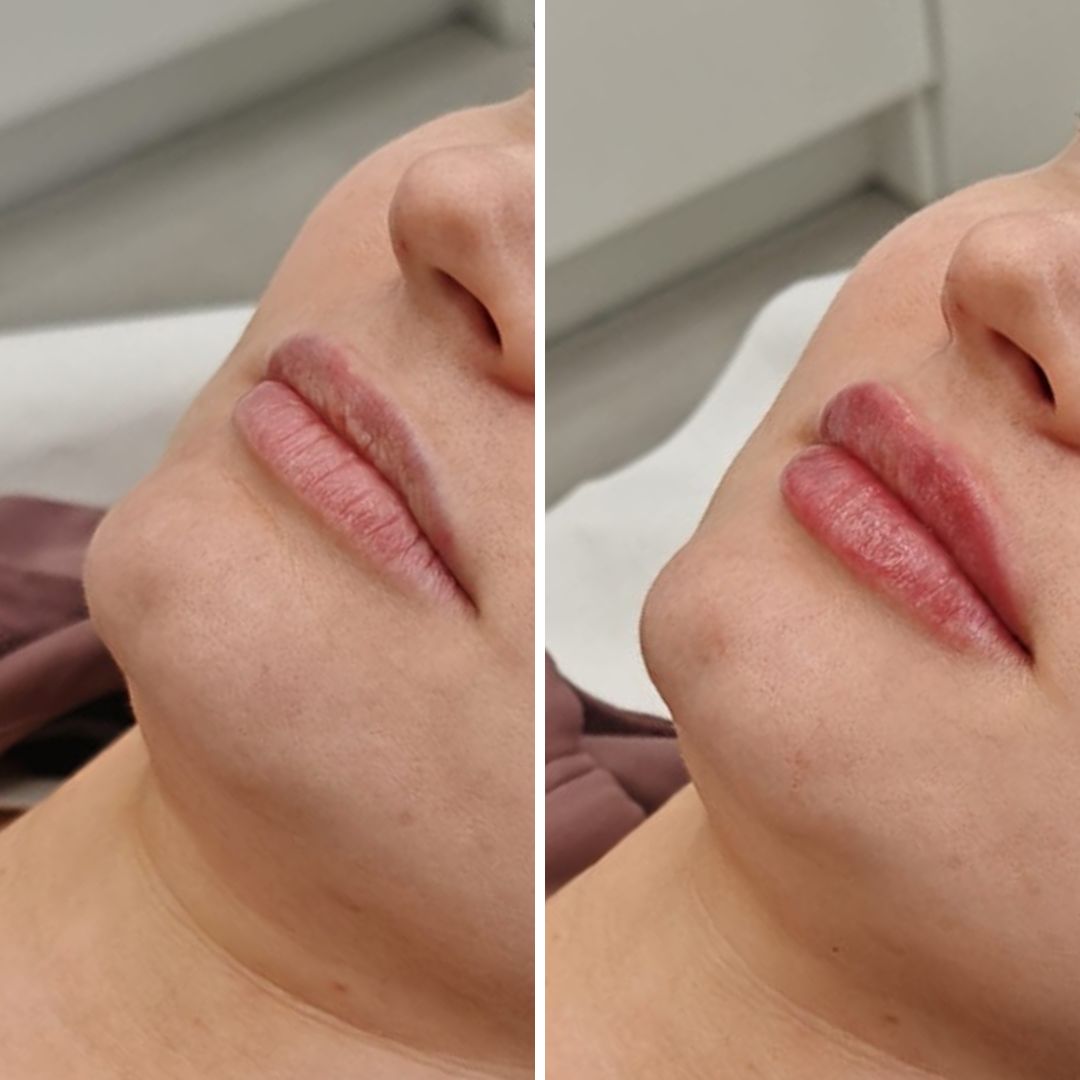
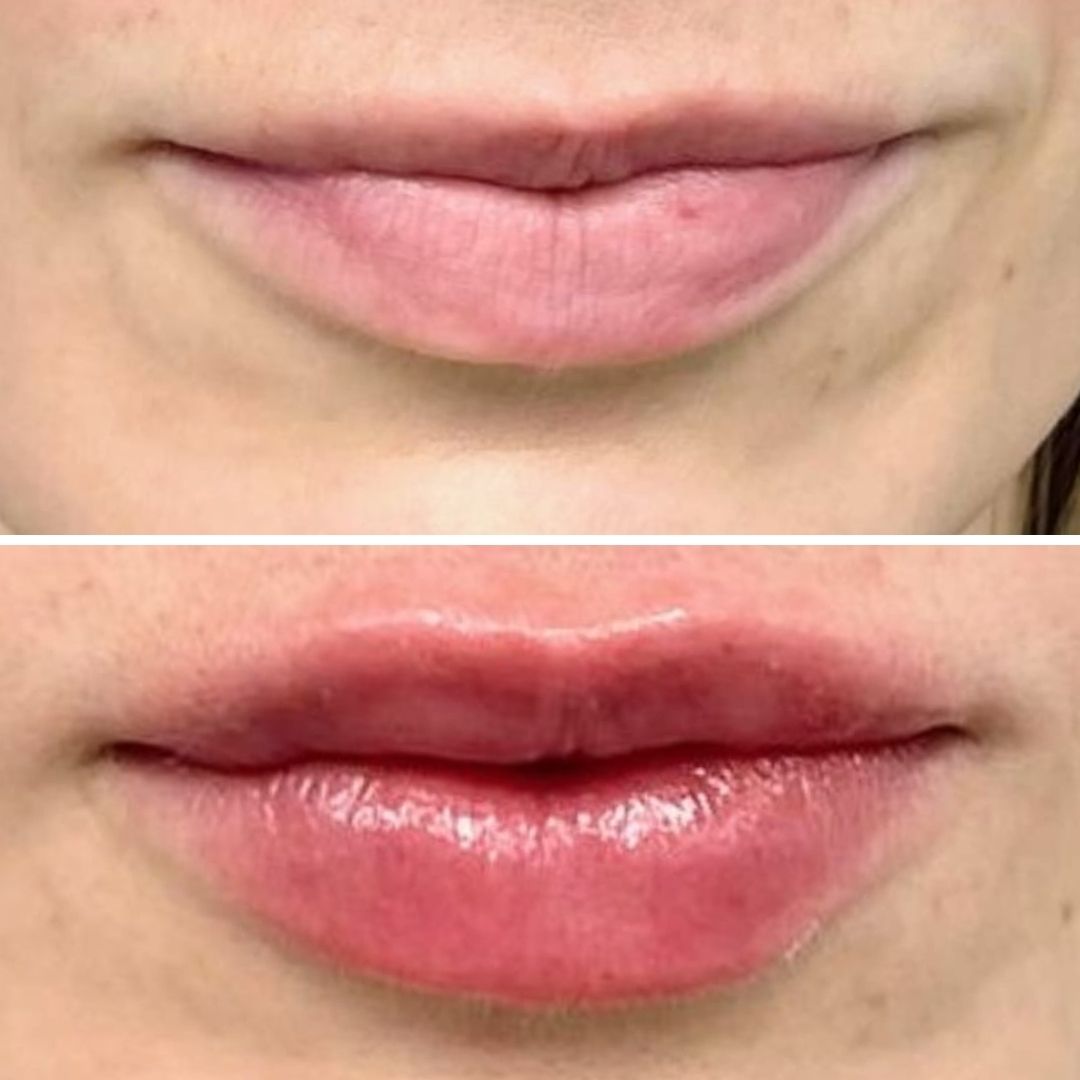
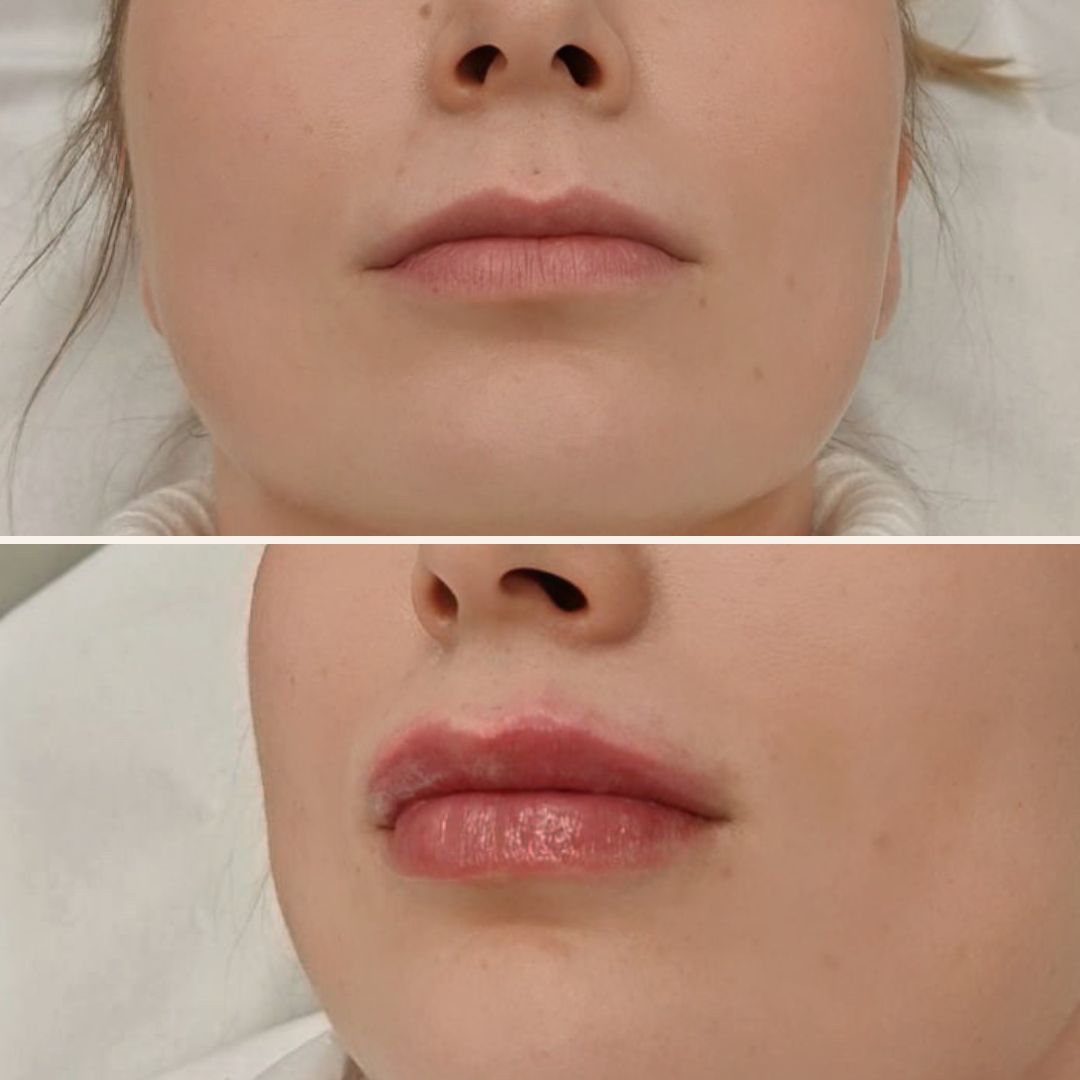
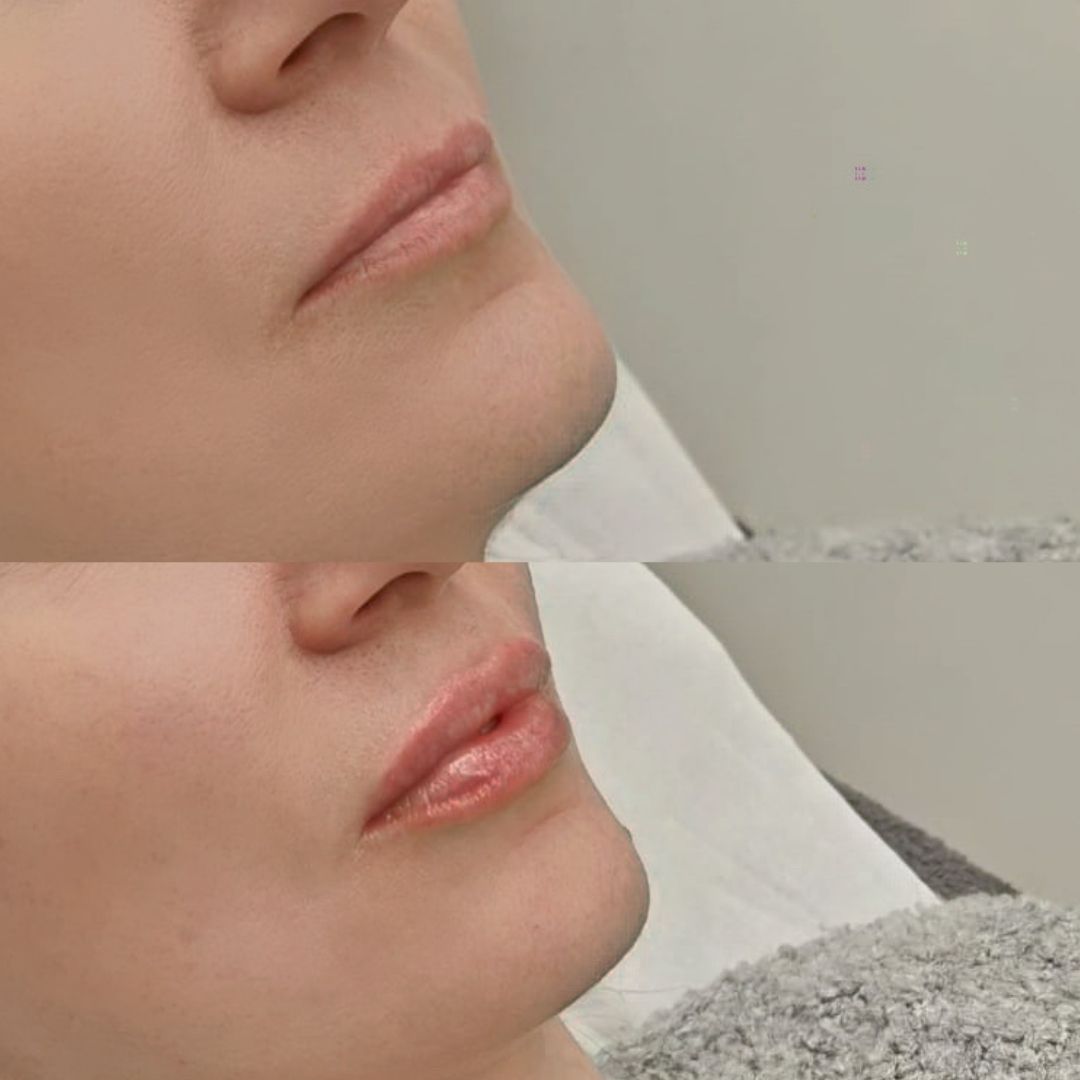
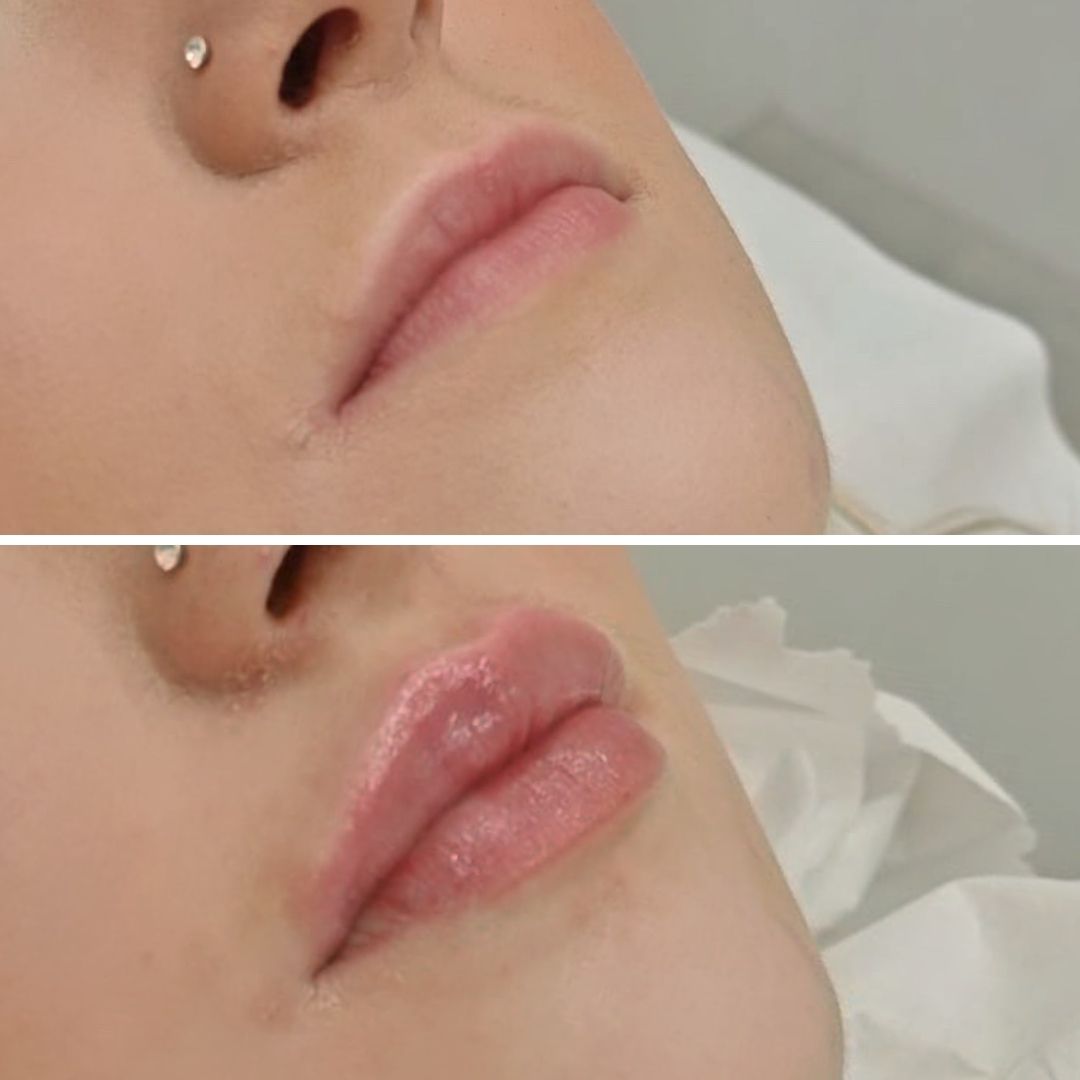
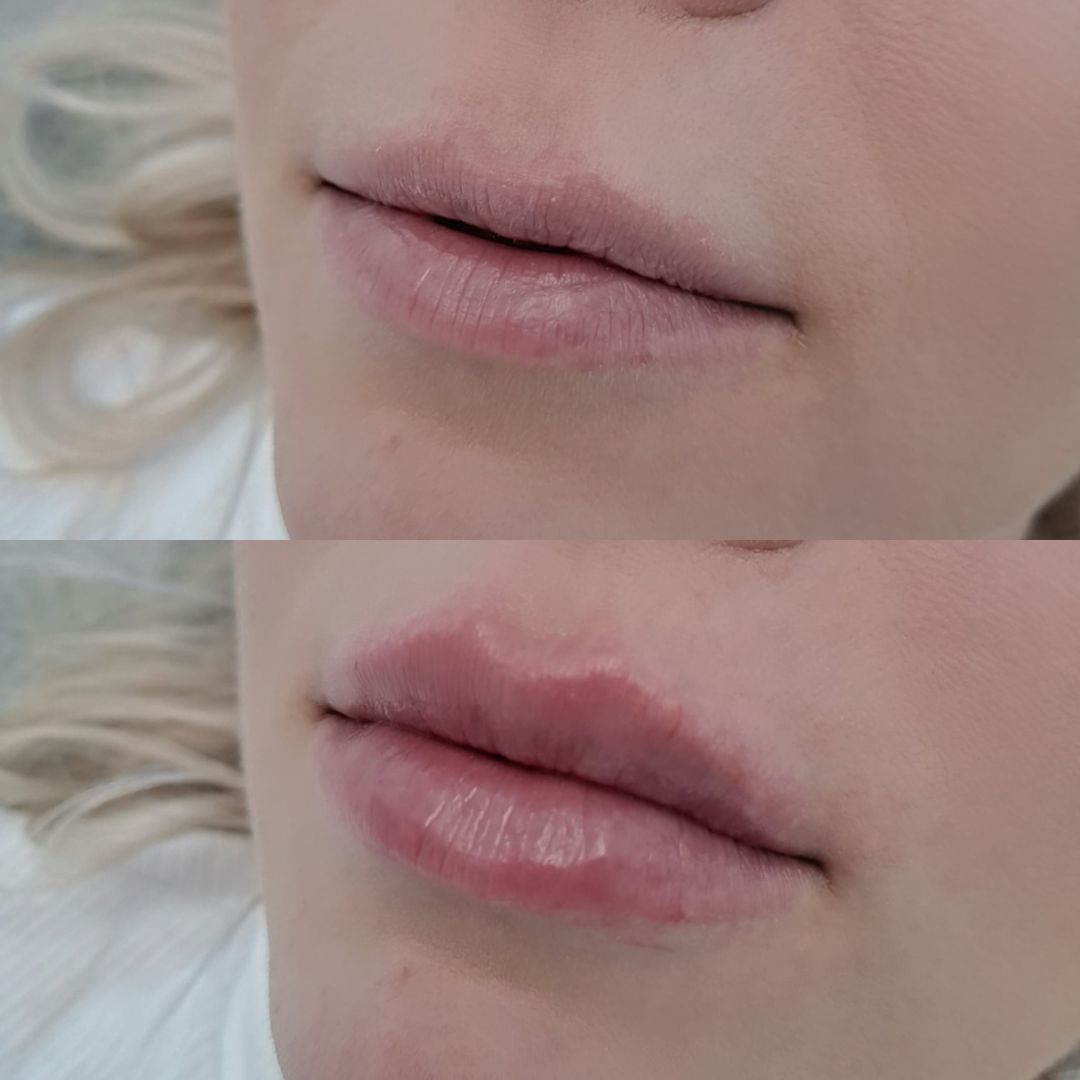
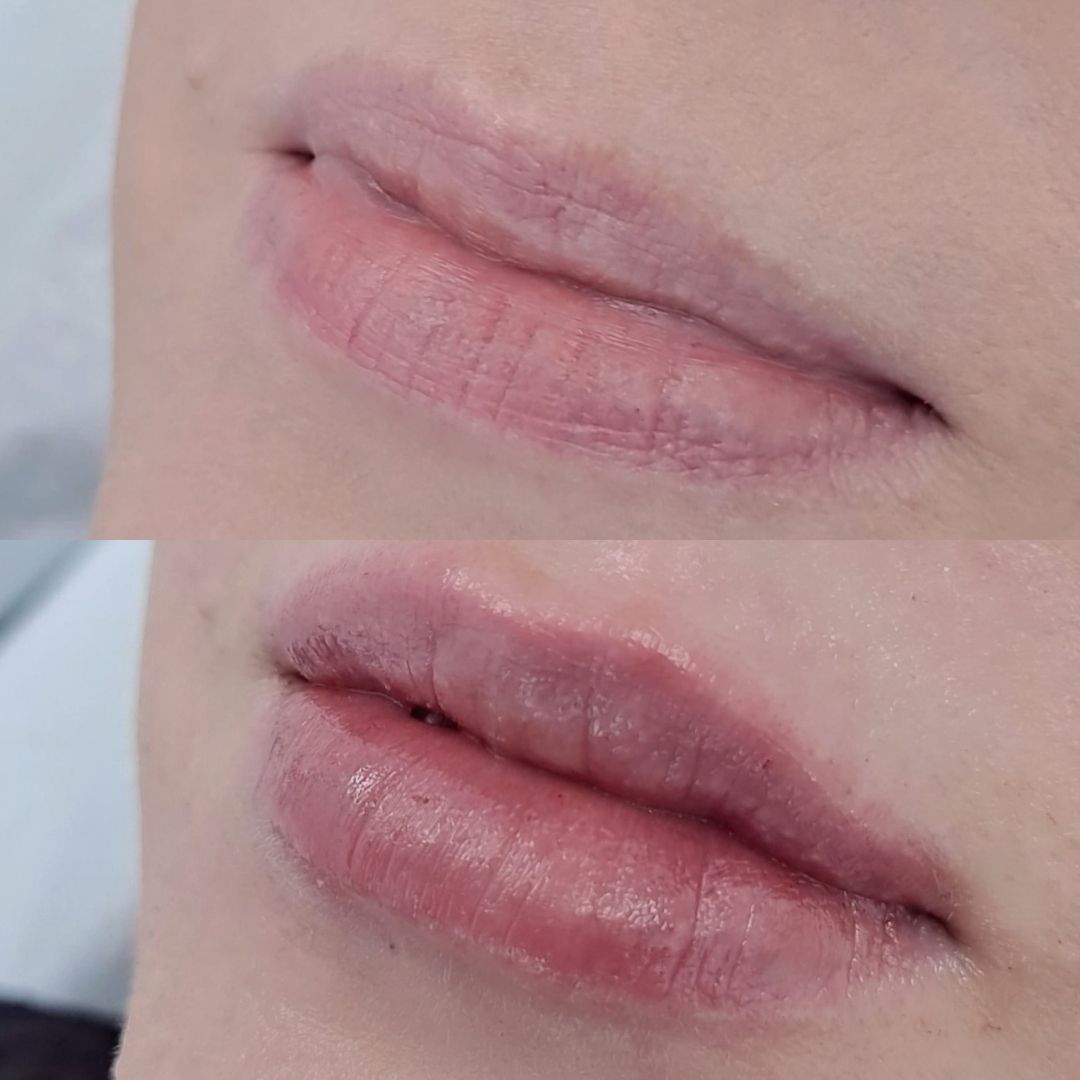
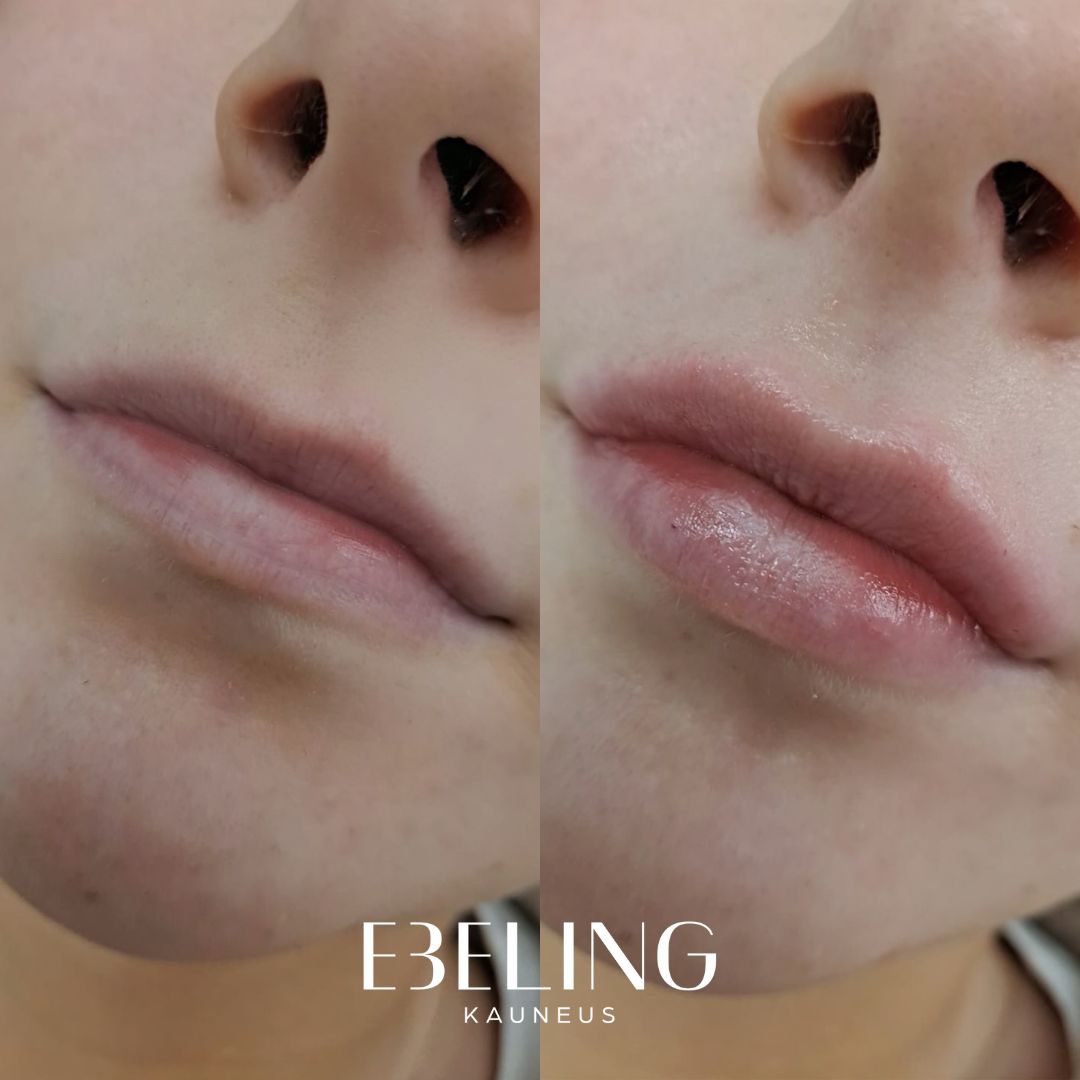
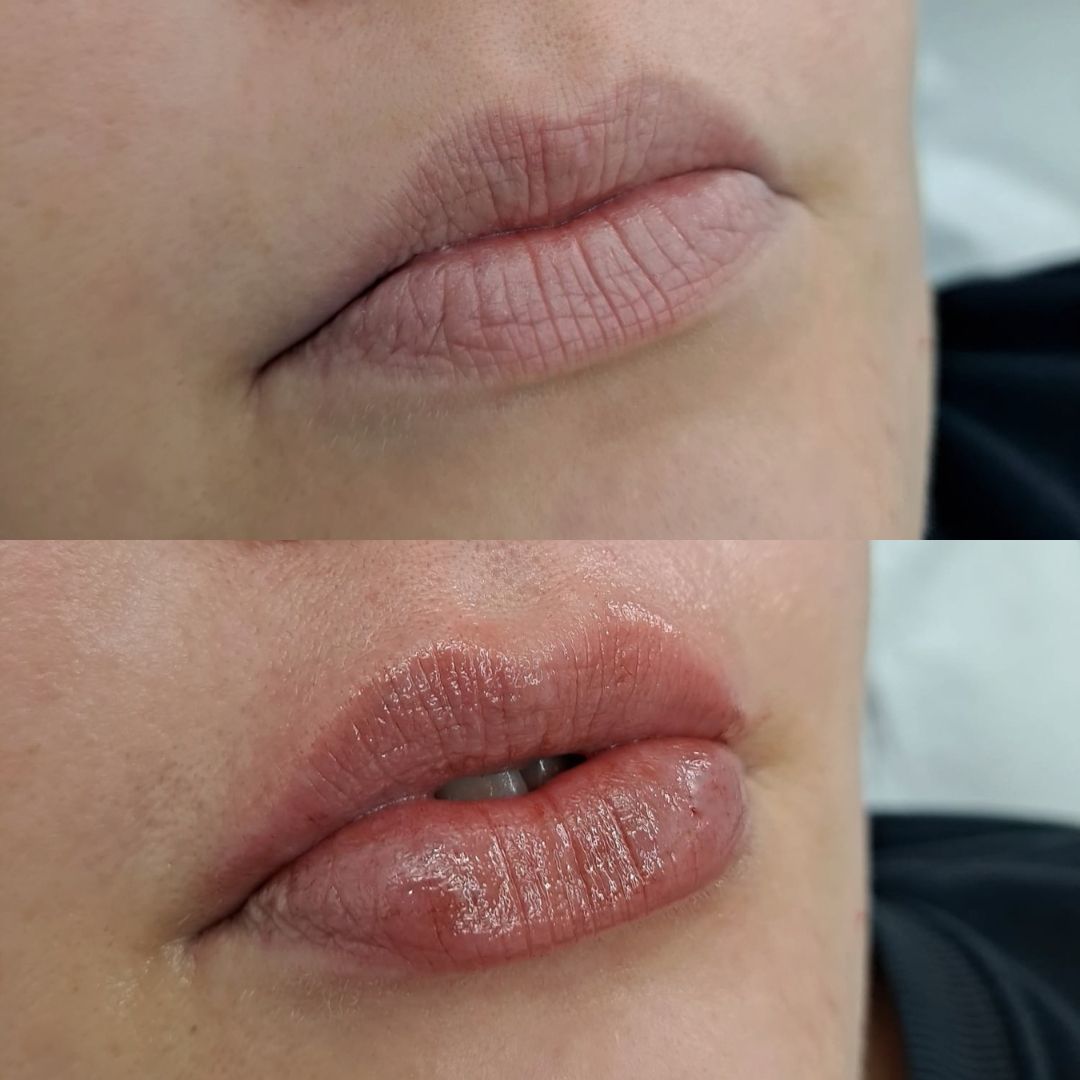
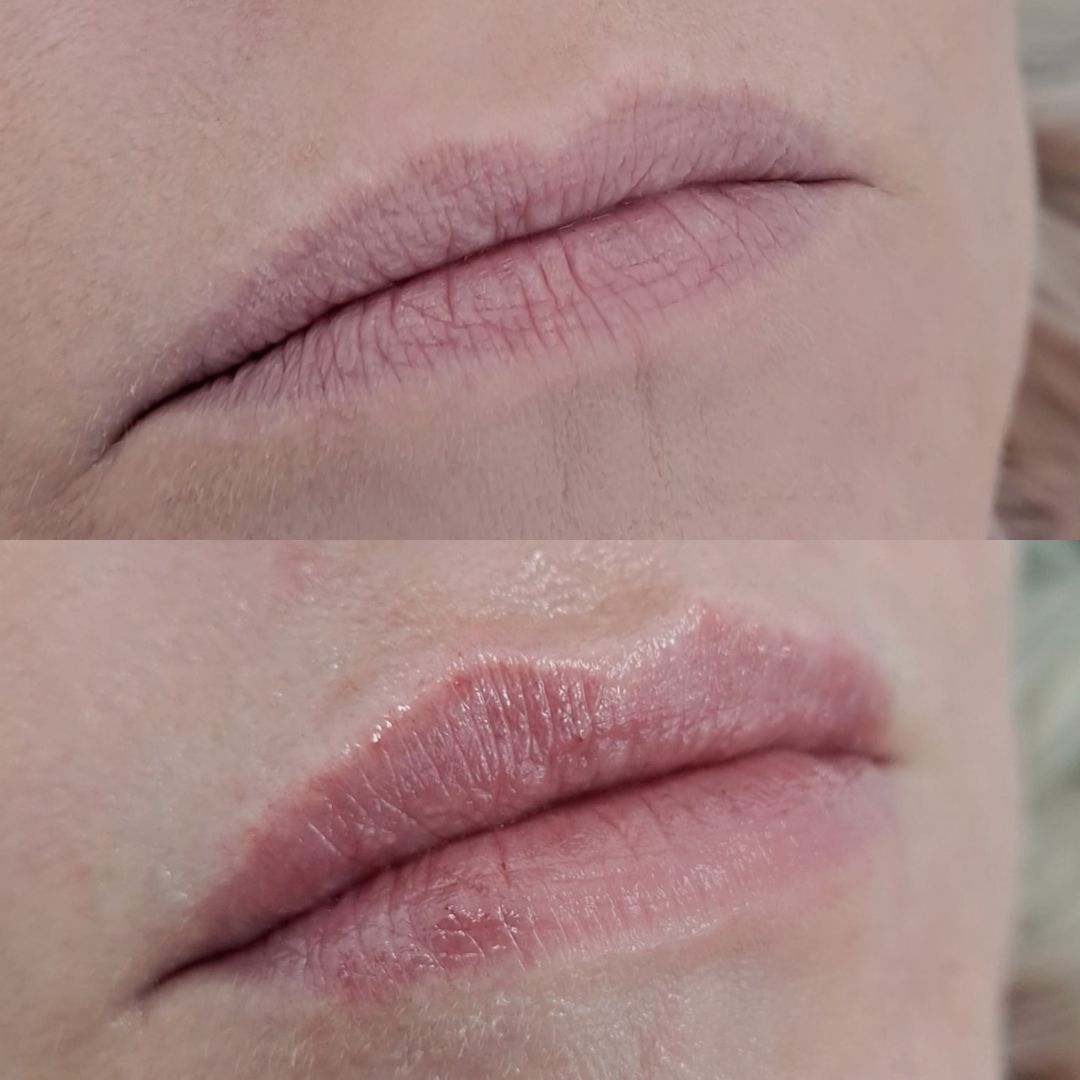
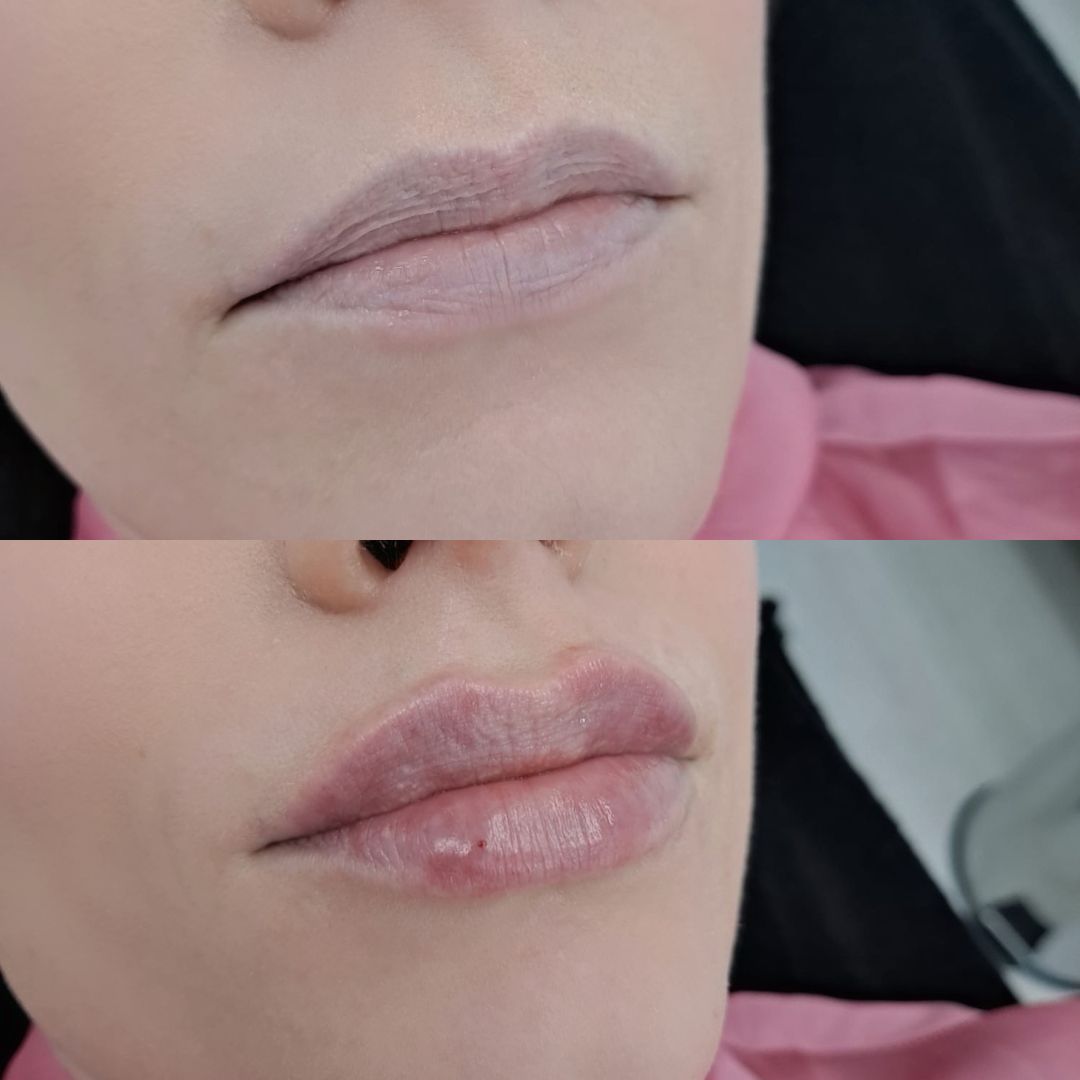
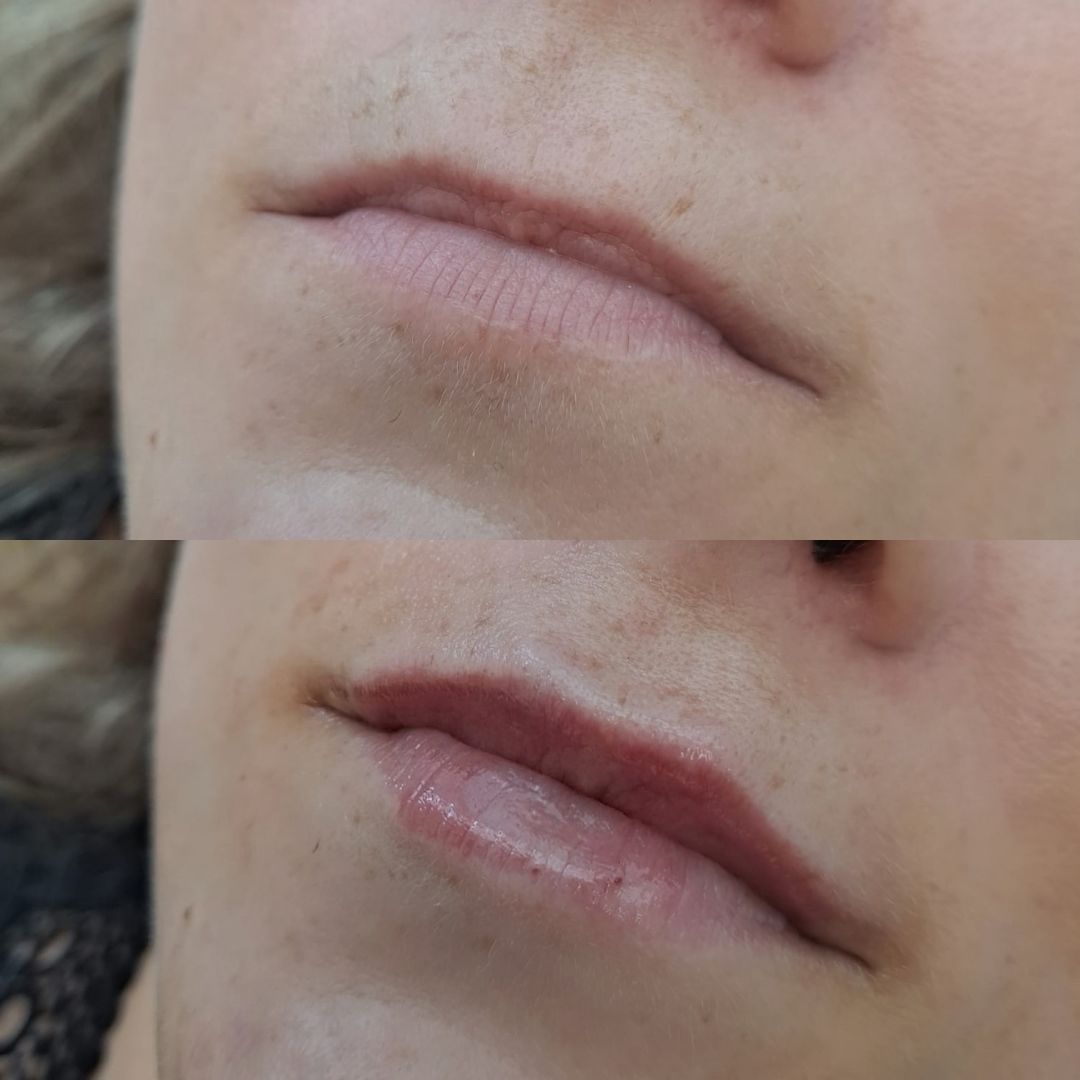
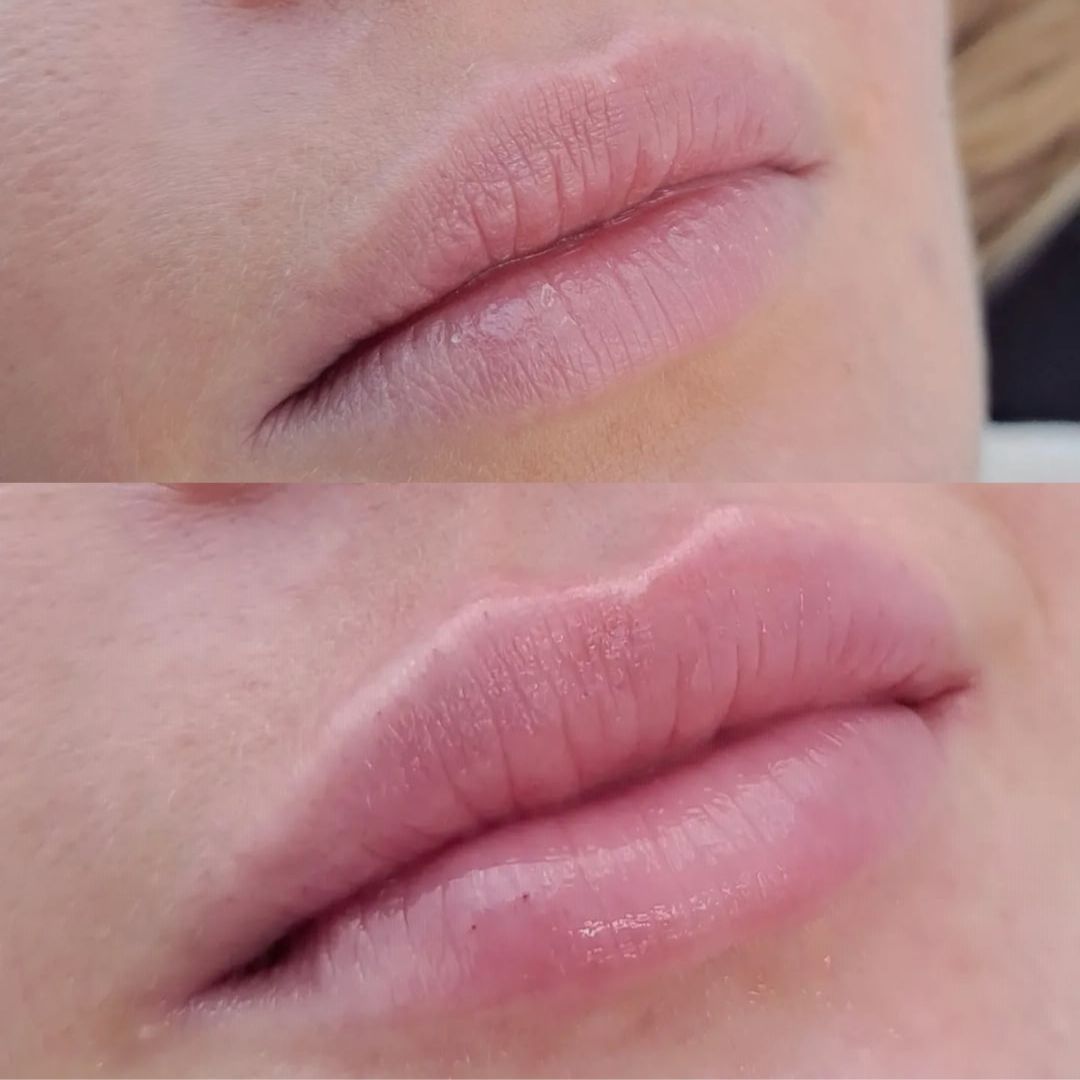
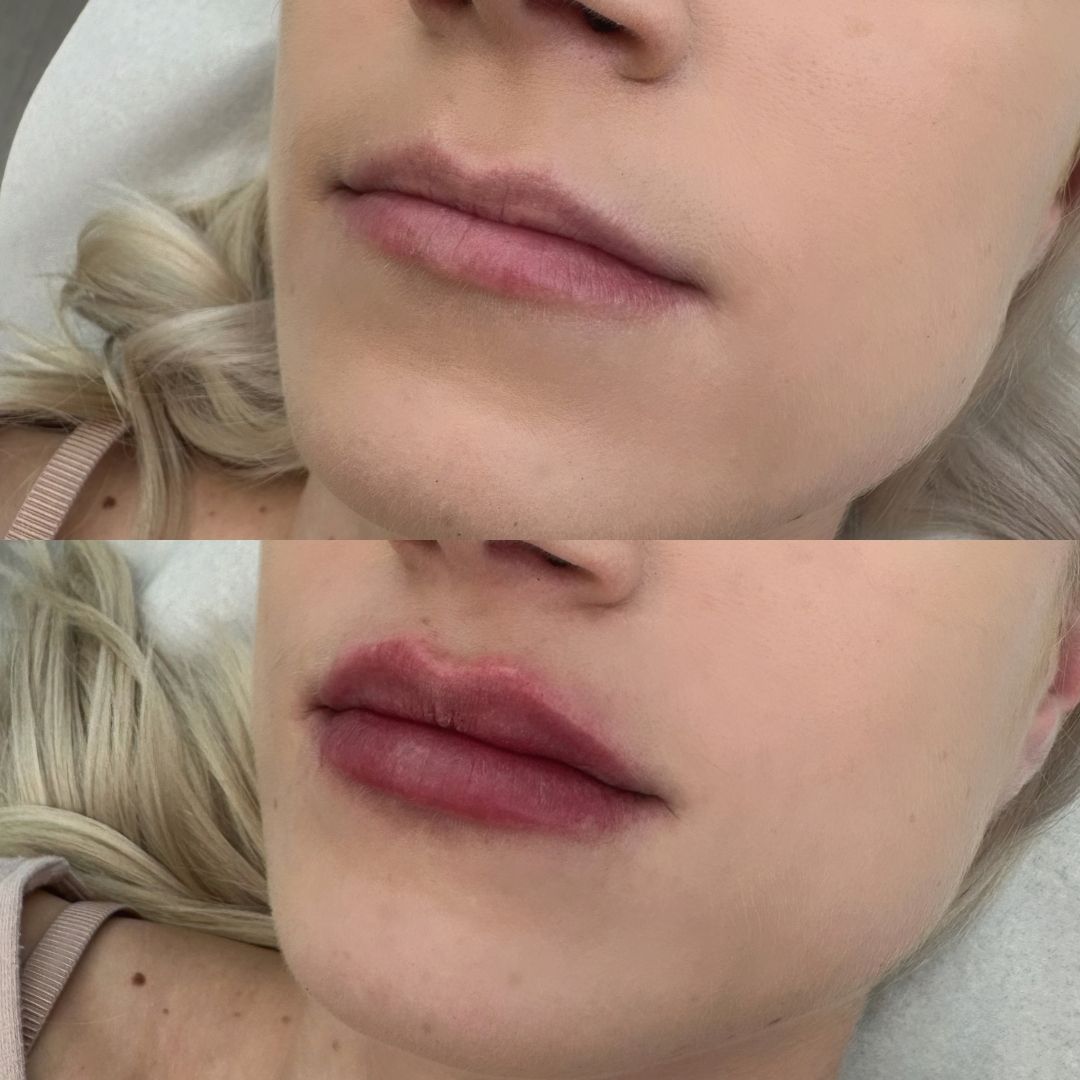
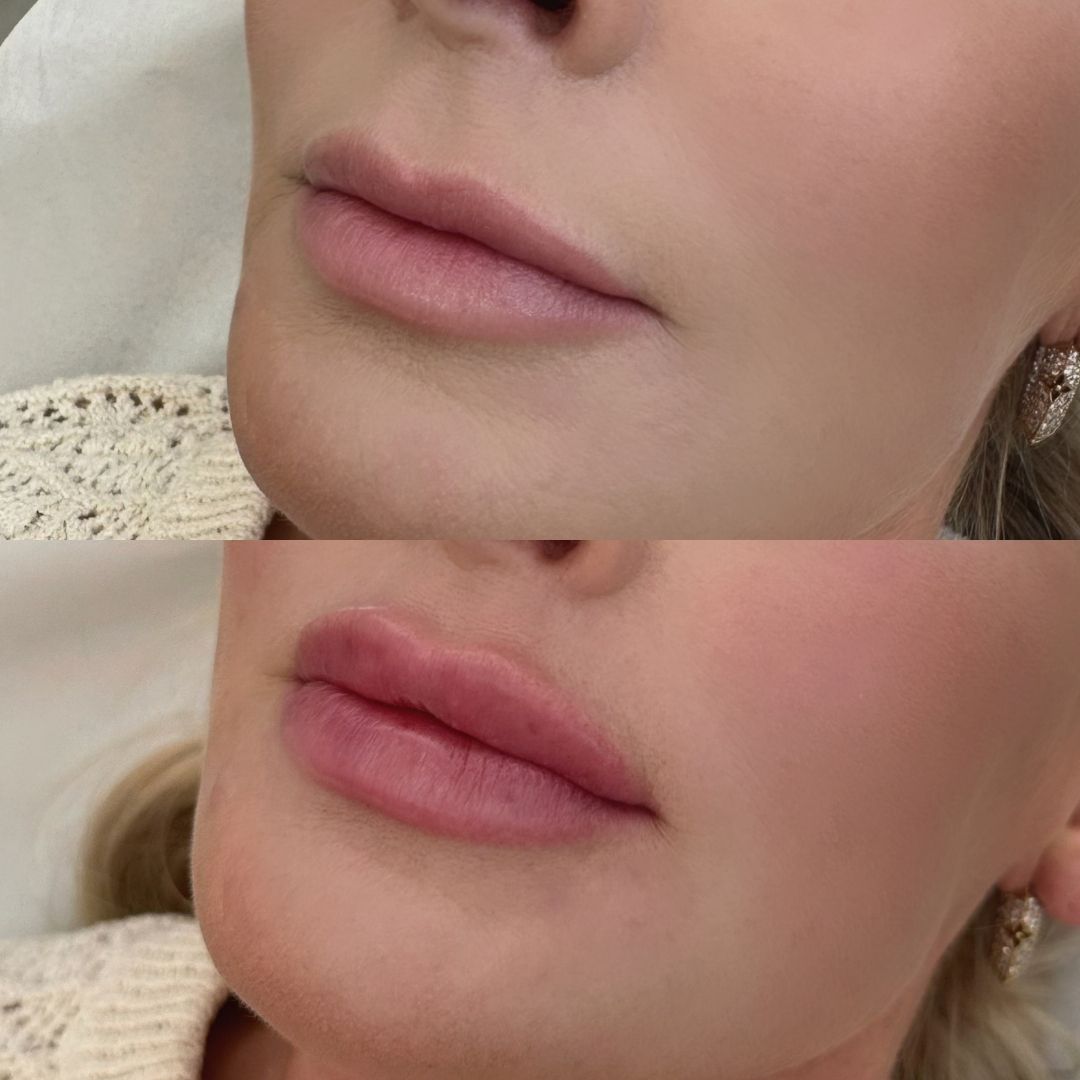
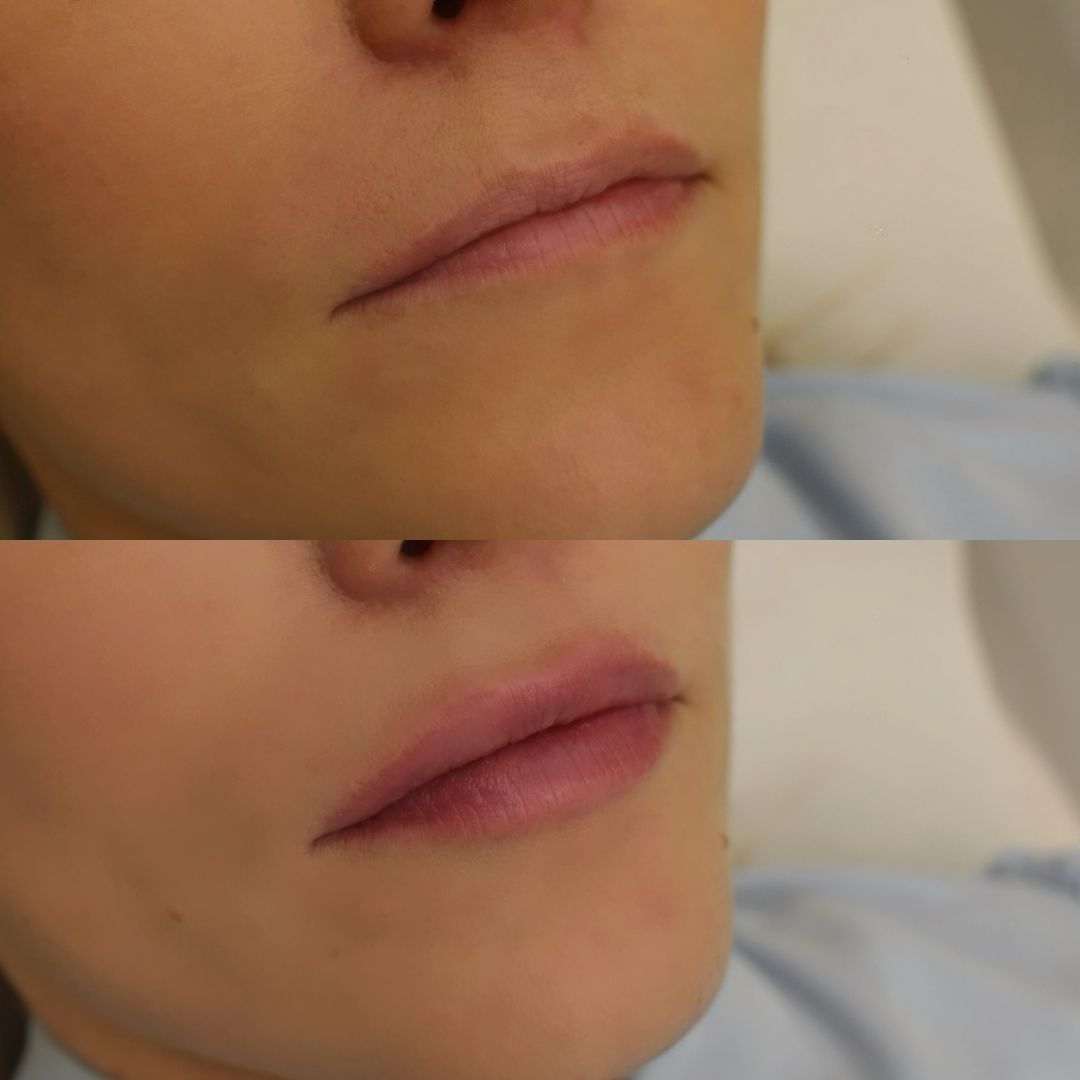
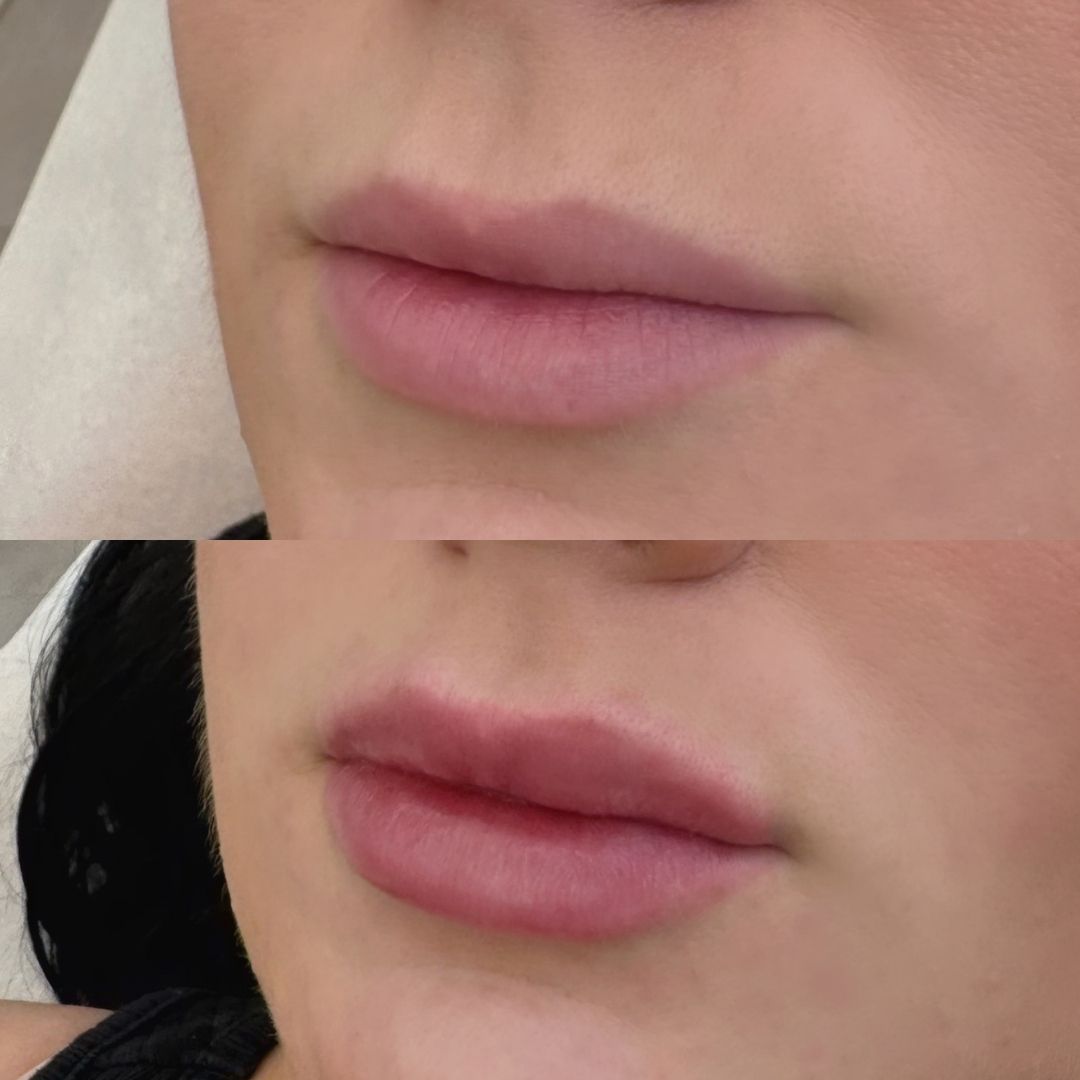
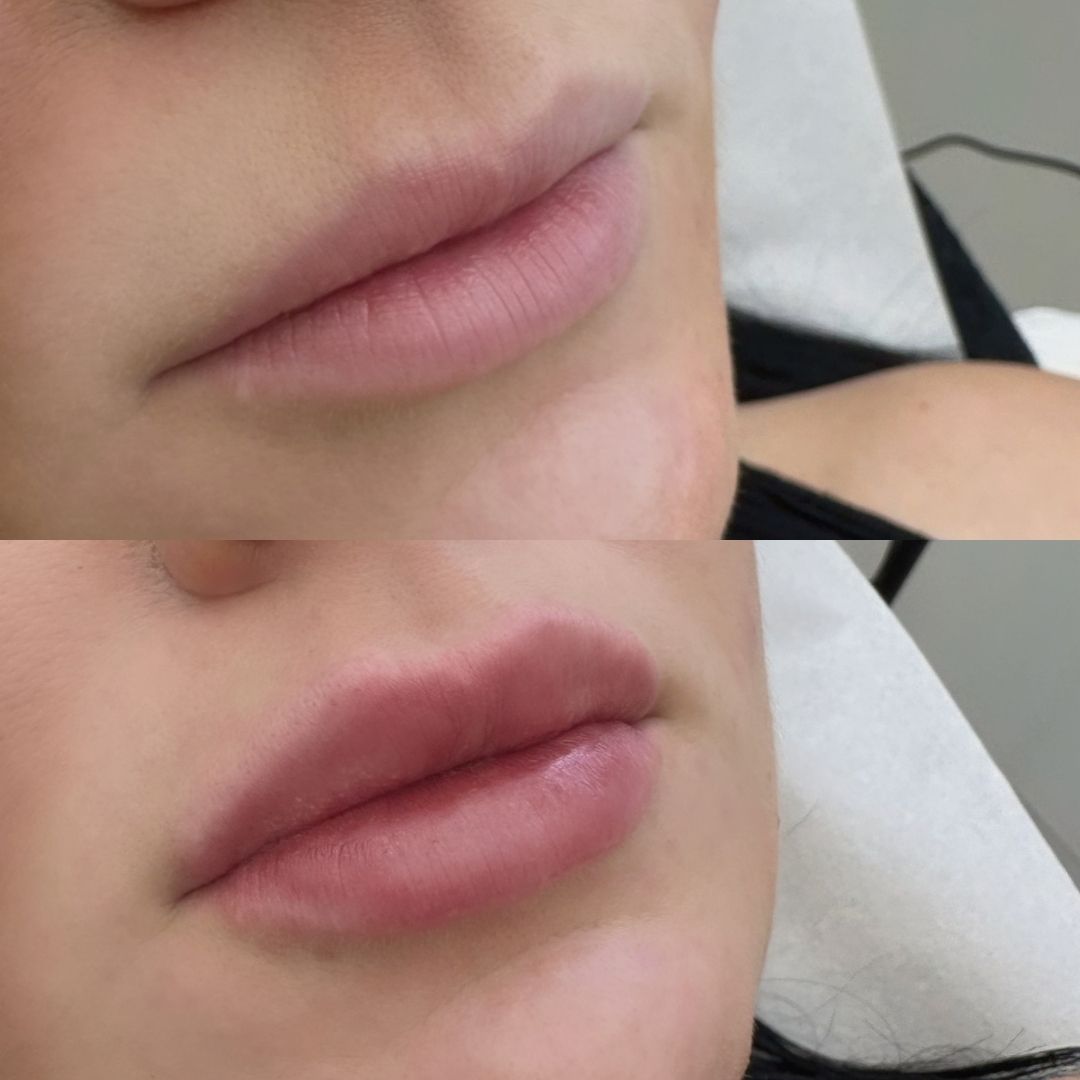
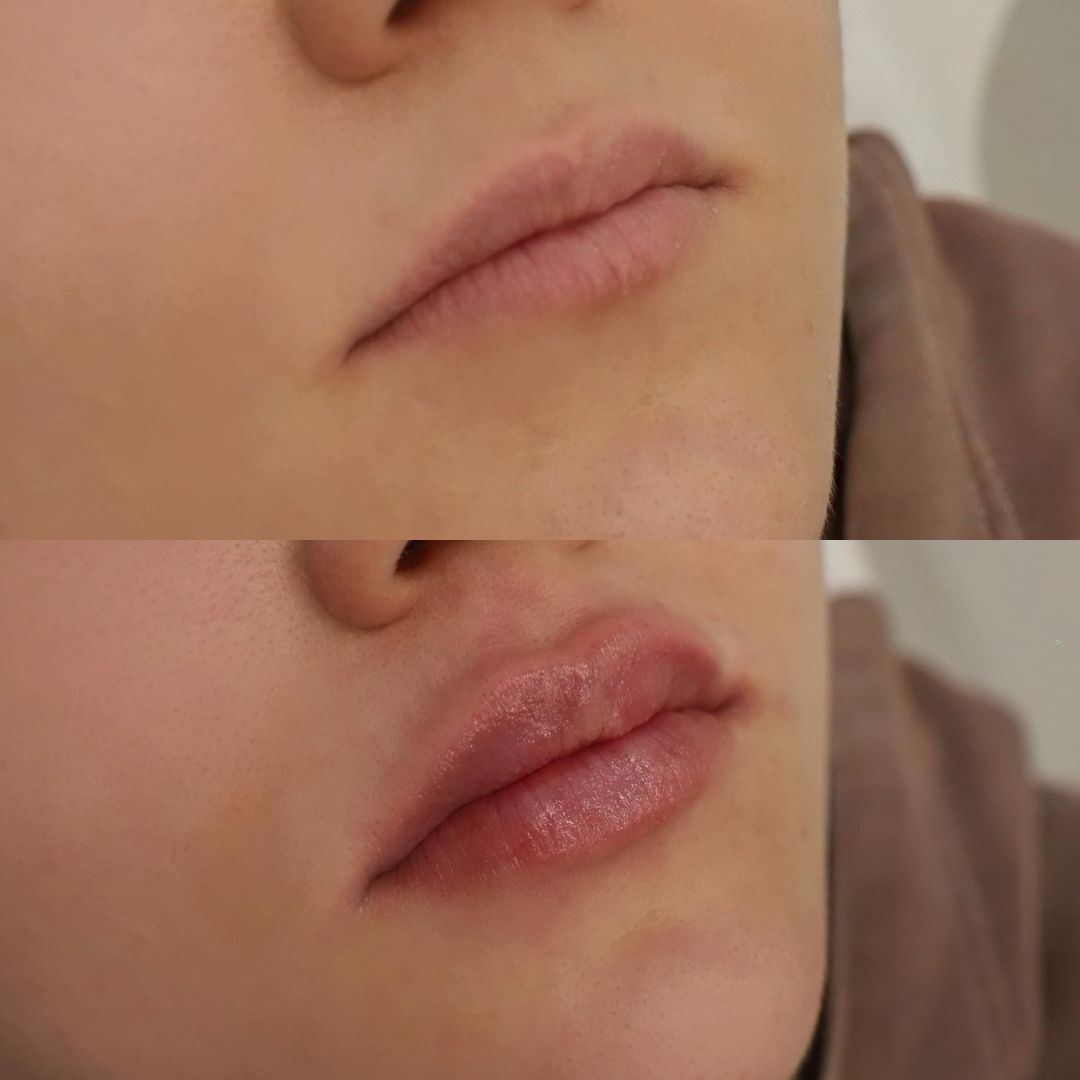
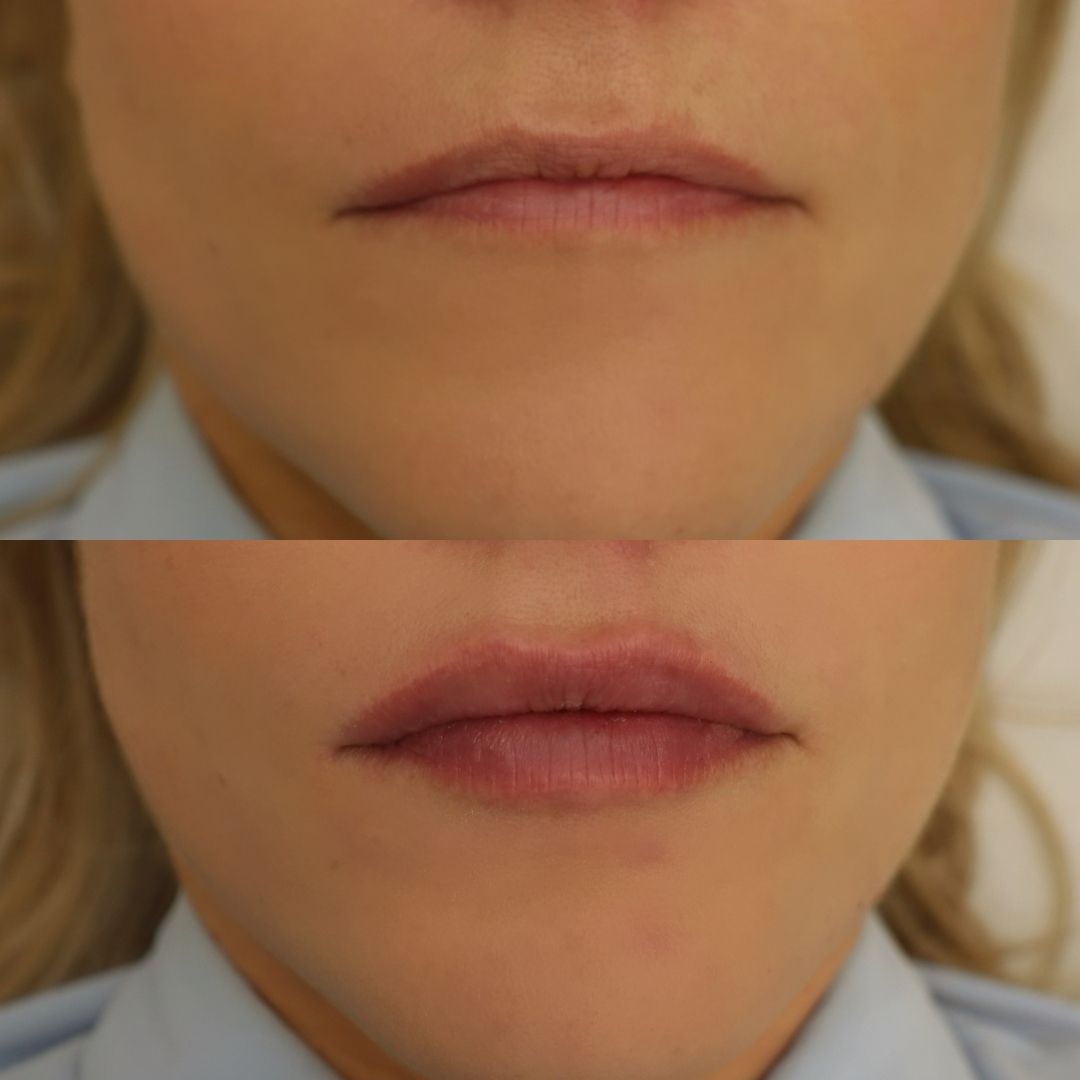
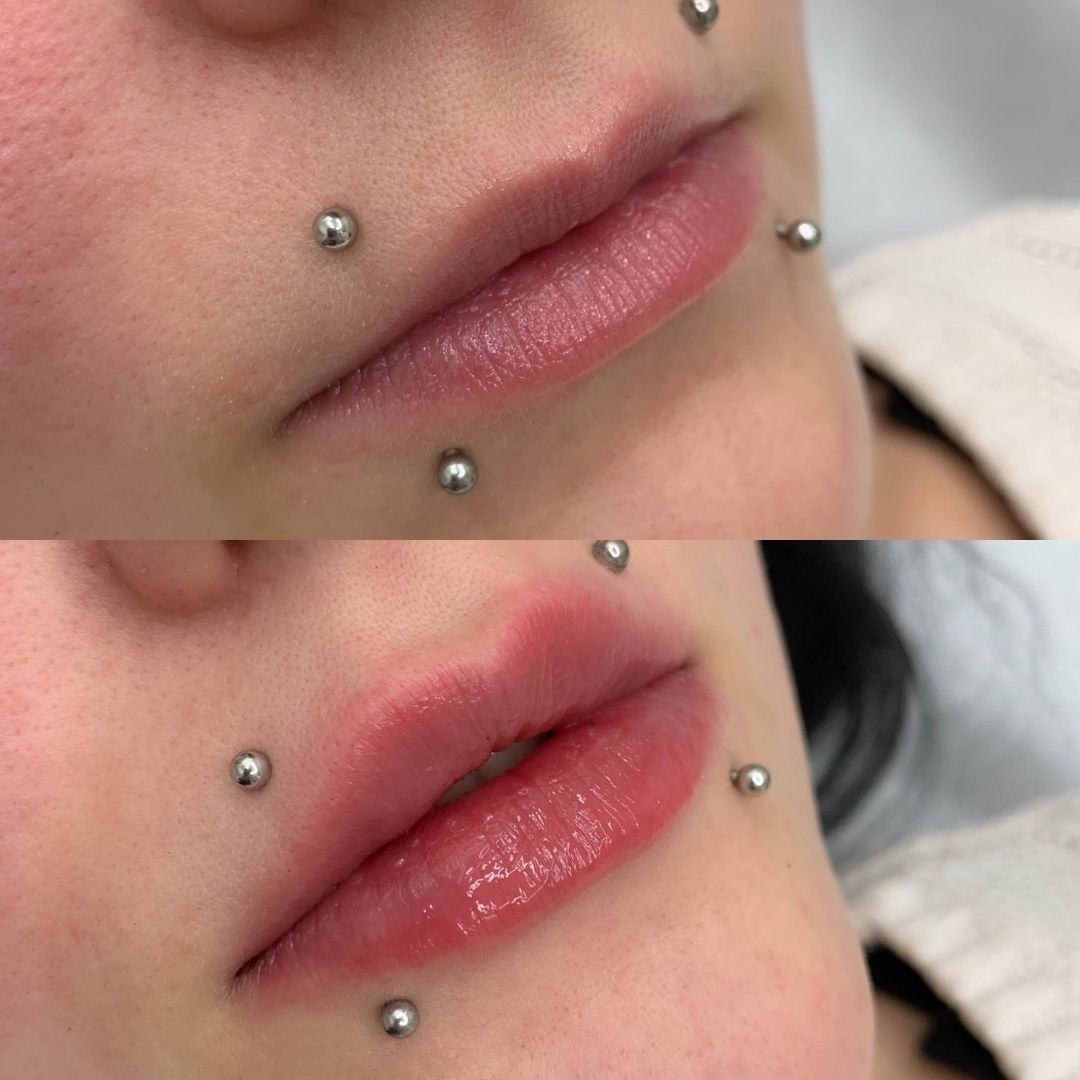
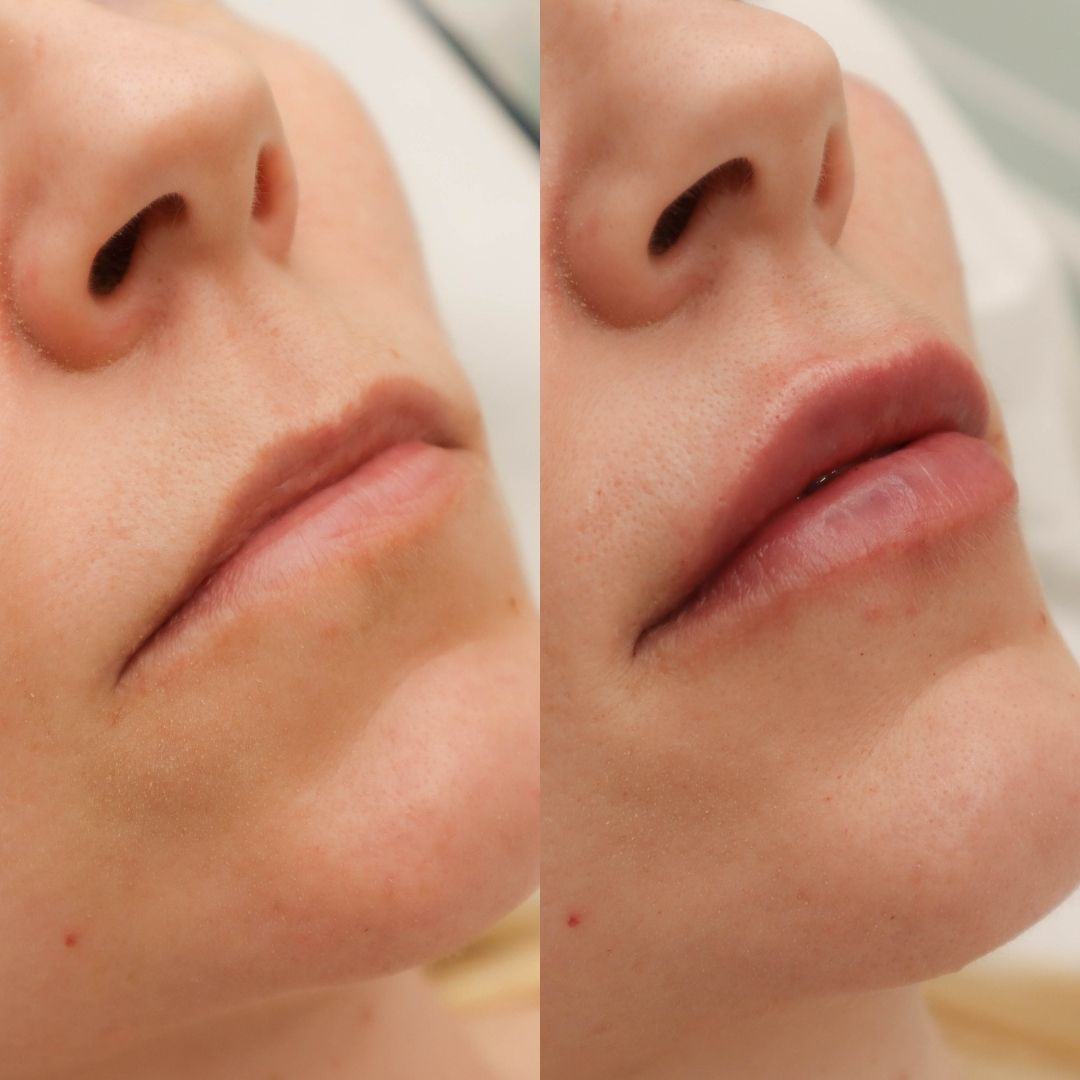
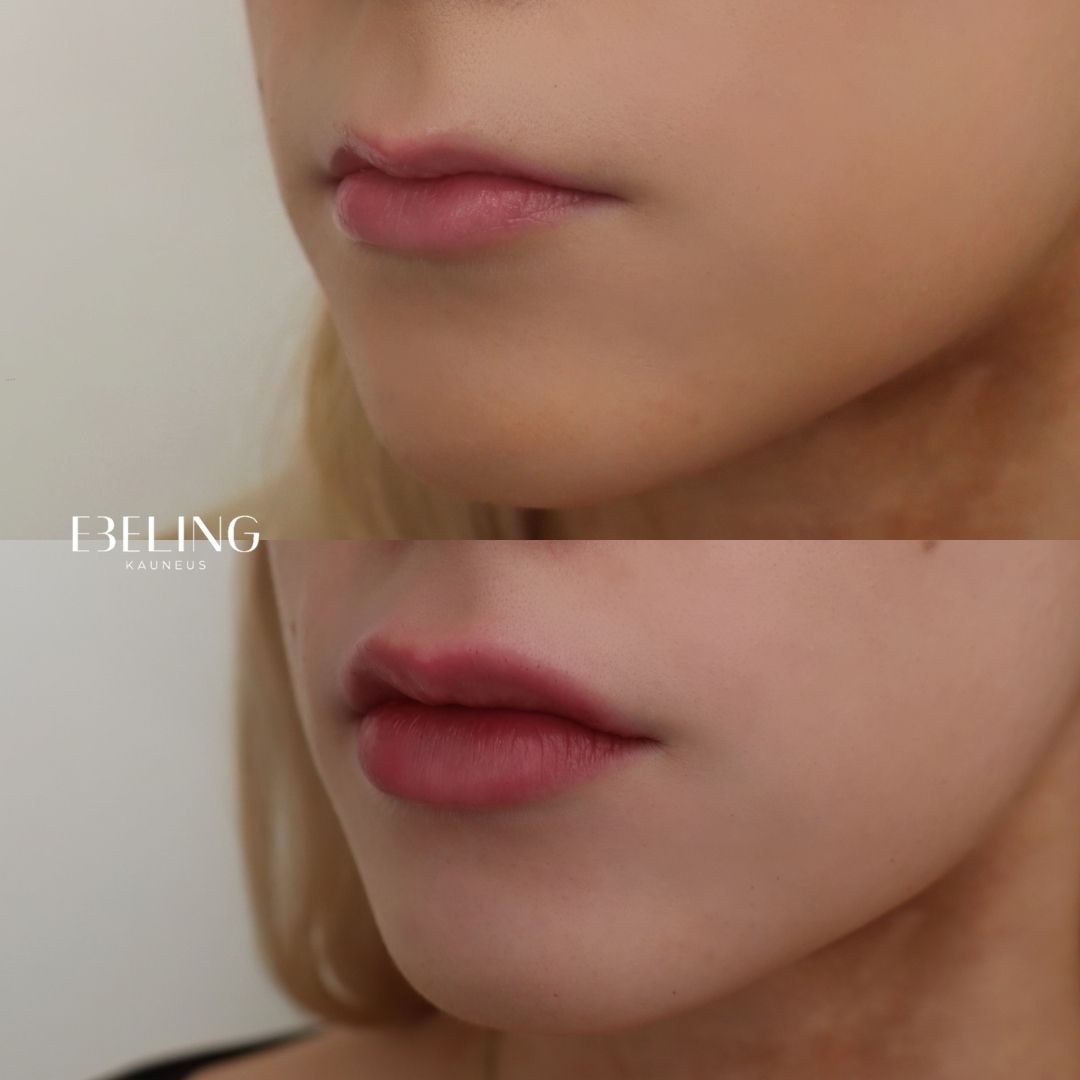
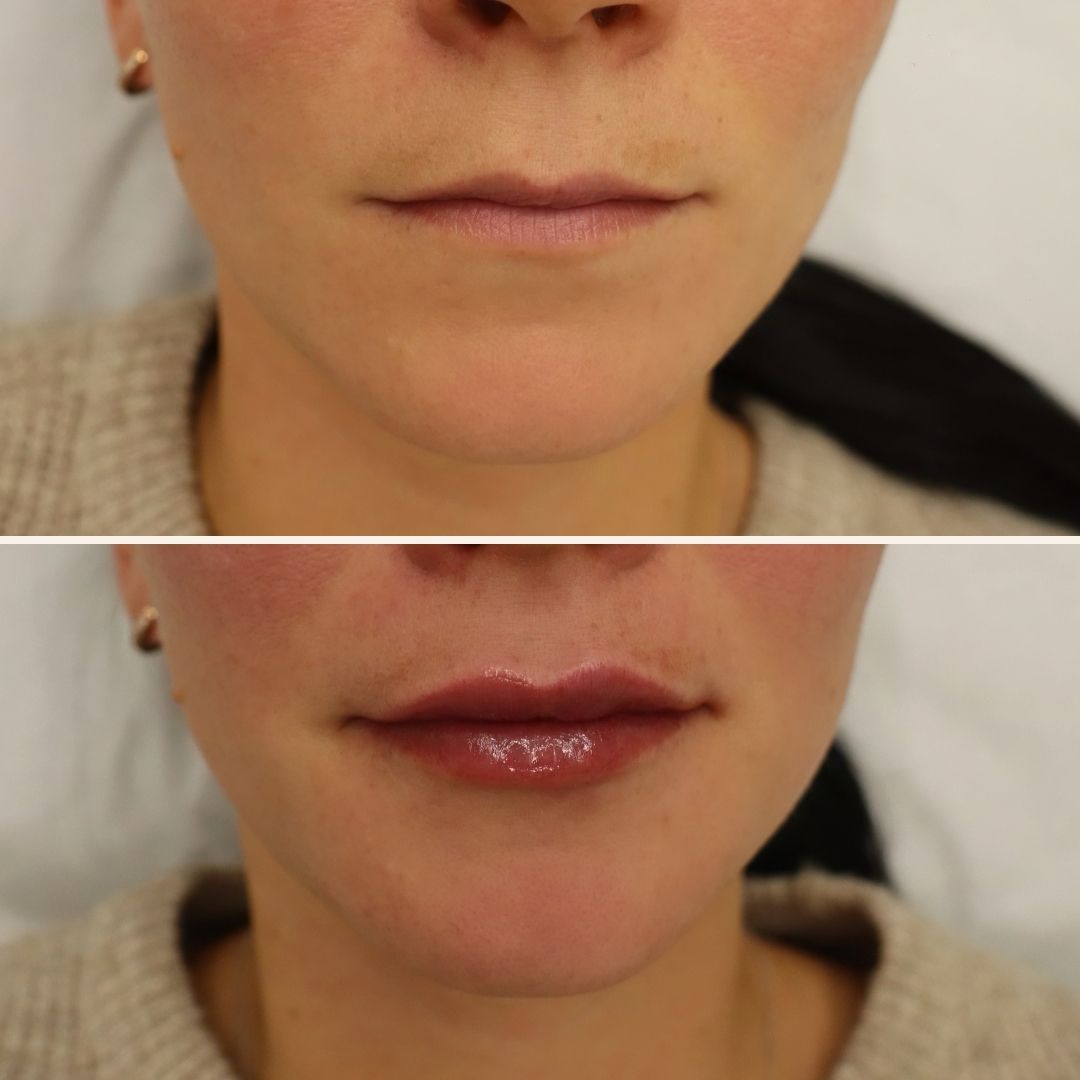
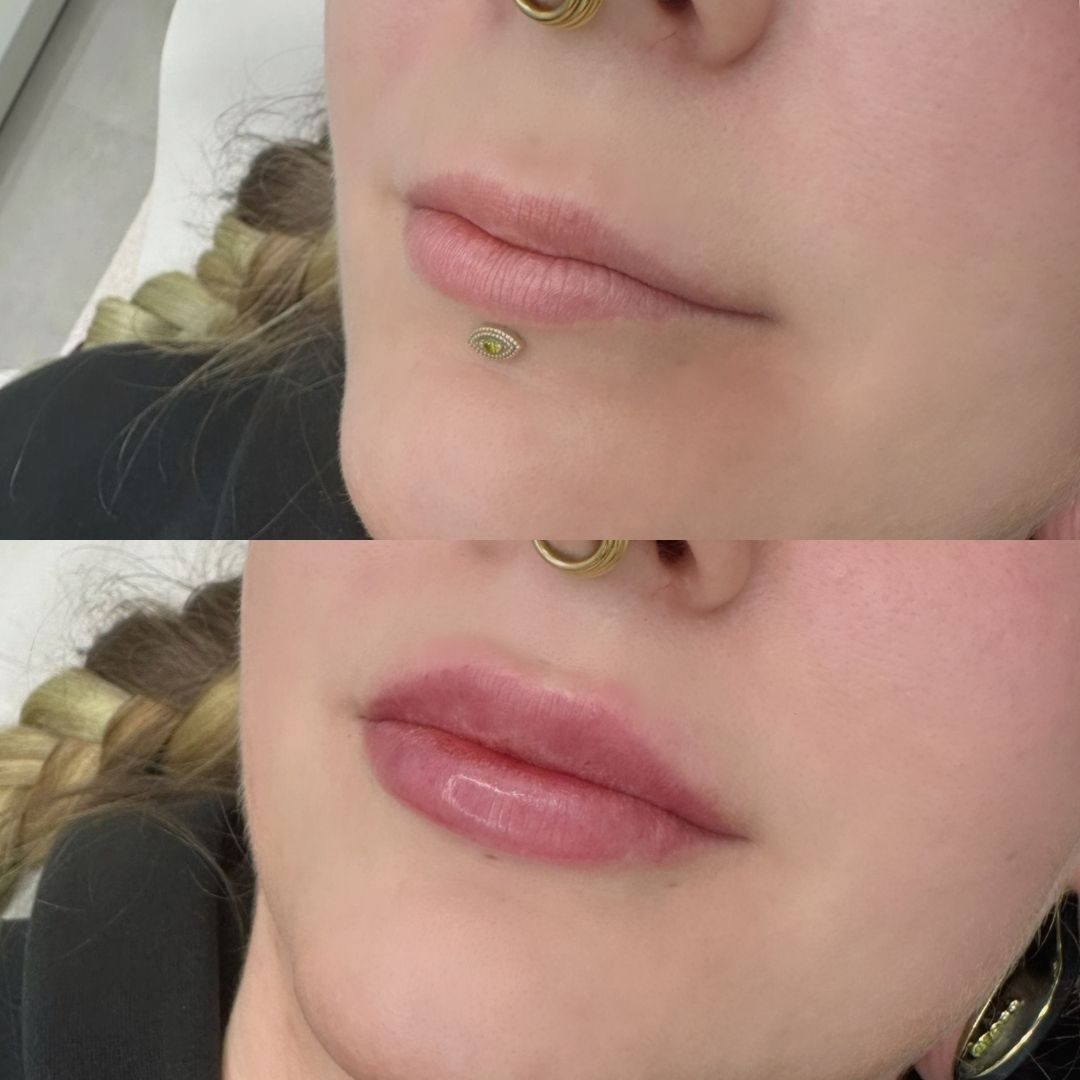
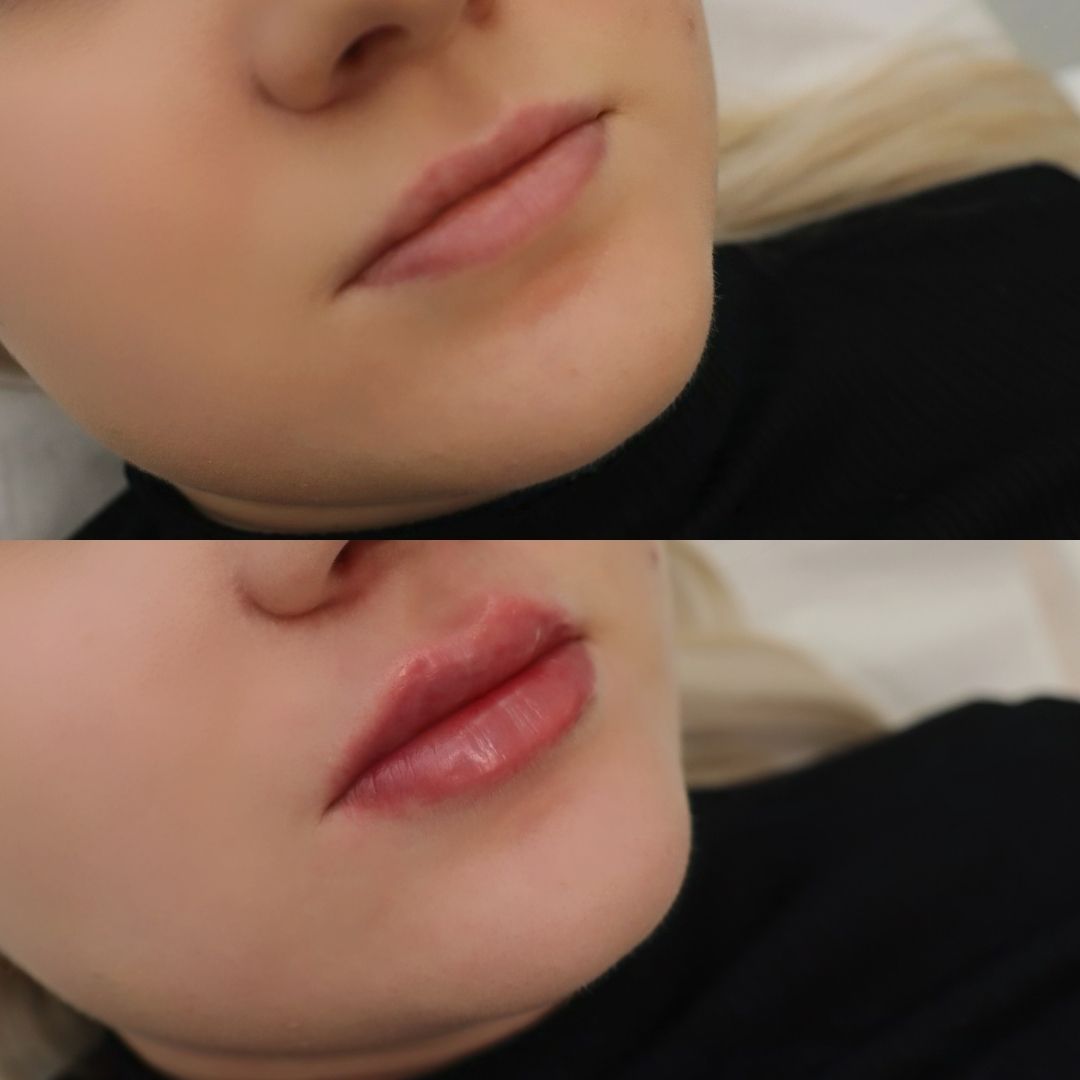
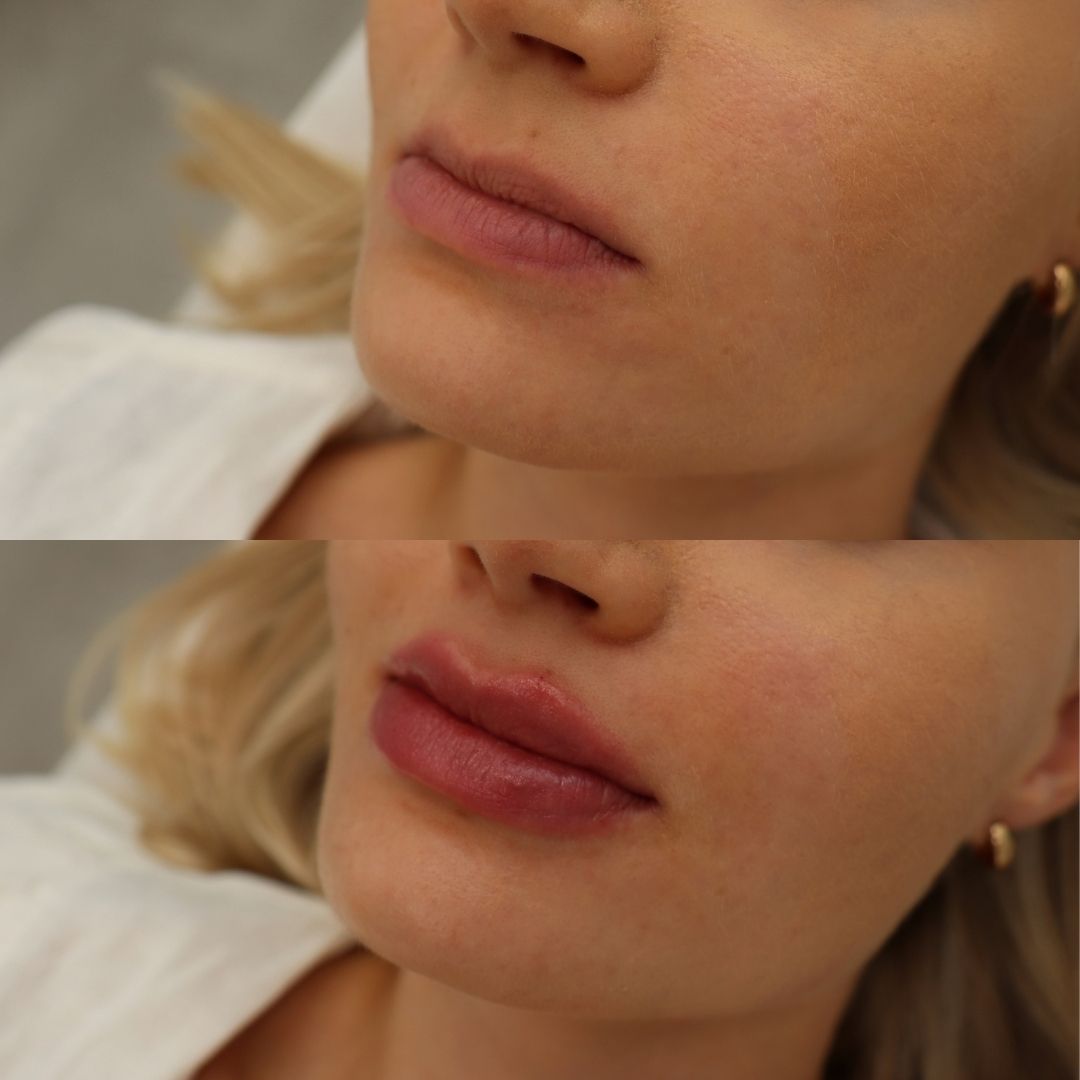
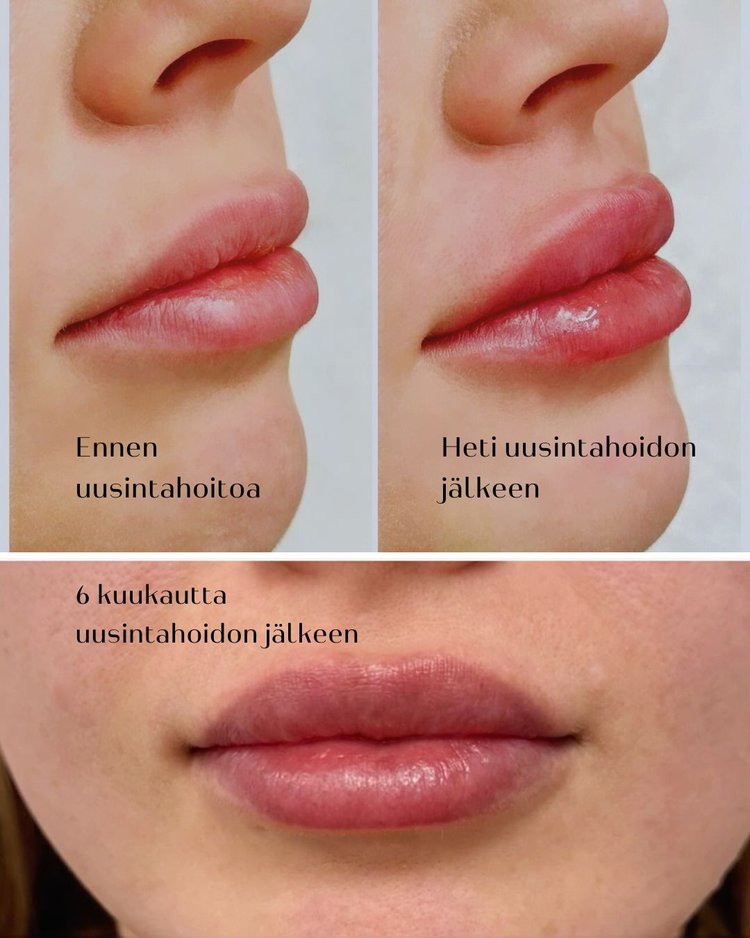
The swelling caused by lip fillers lasts for up to two weeks. In the first few days, the swelling can change the shape and size of the lips daily, and it is typical for the lips to look slightly different every morning. The swelling can go down faster on one side than the other, which is why the lips often look asymmetrical at first.
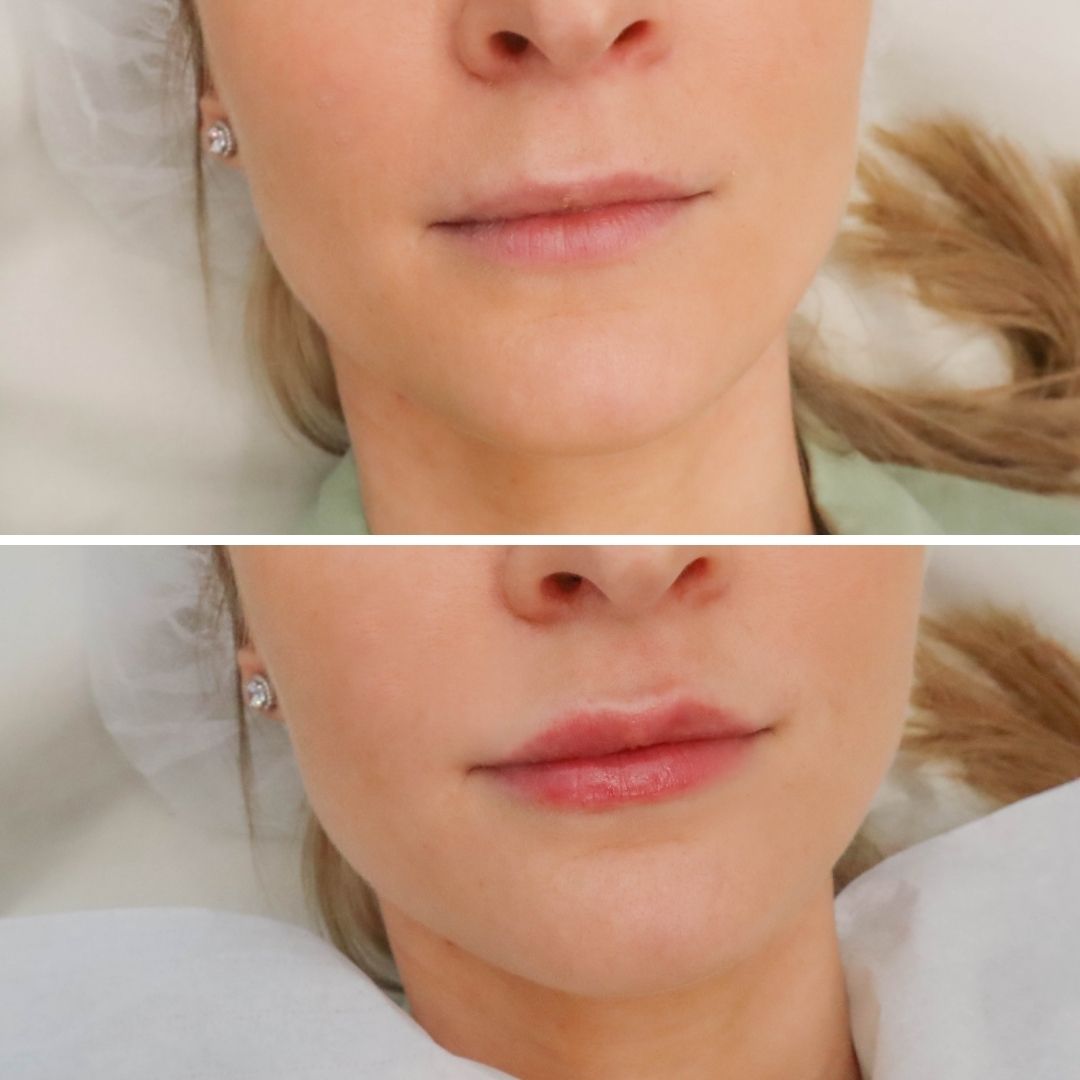
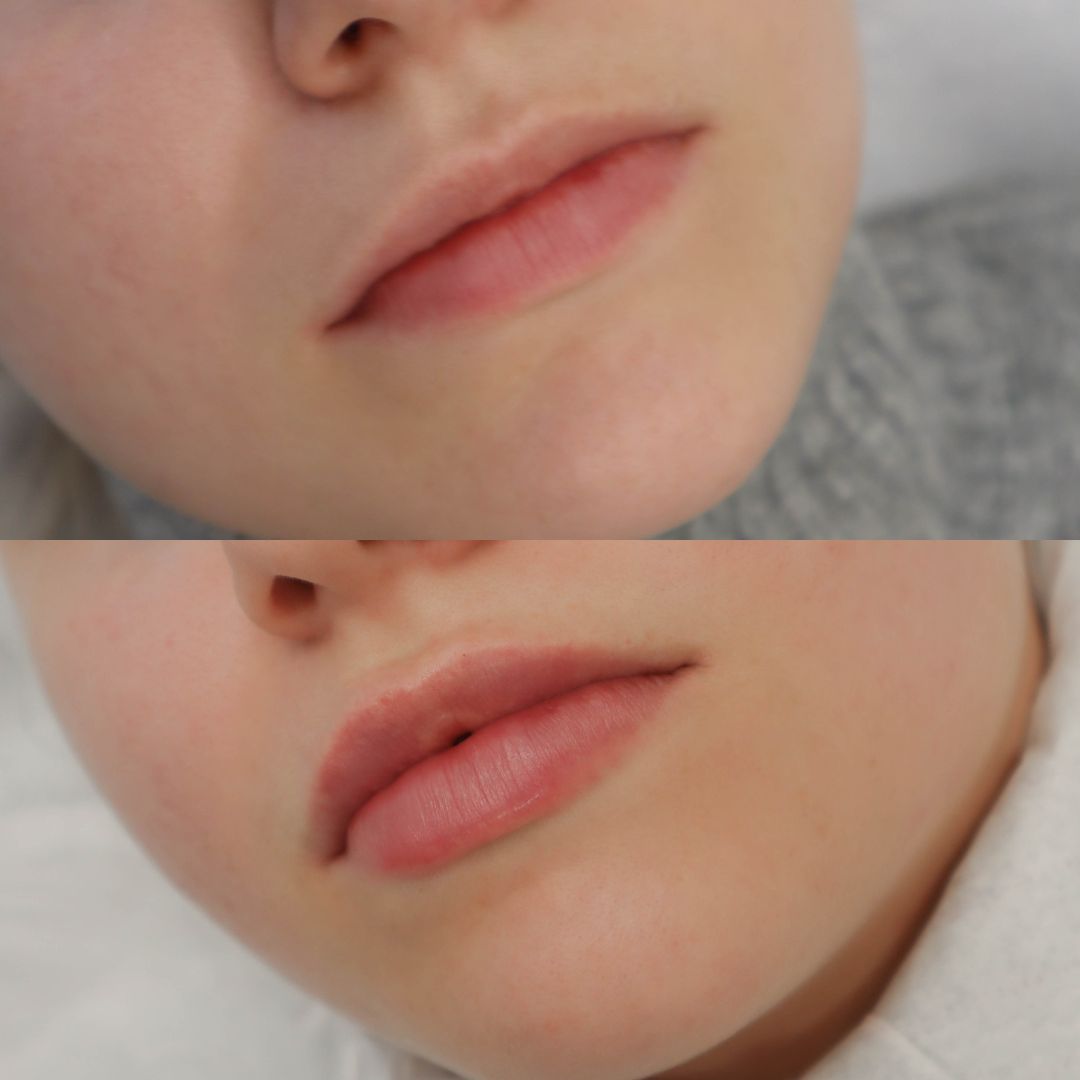
A reliable assessment of the final result can be made at the earliest two weeks after the procedure.
Swelling, like other side effects, is individual - the duration of the swelling is also individual.
How long will the results last?
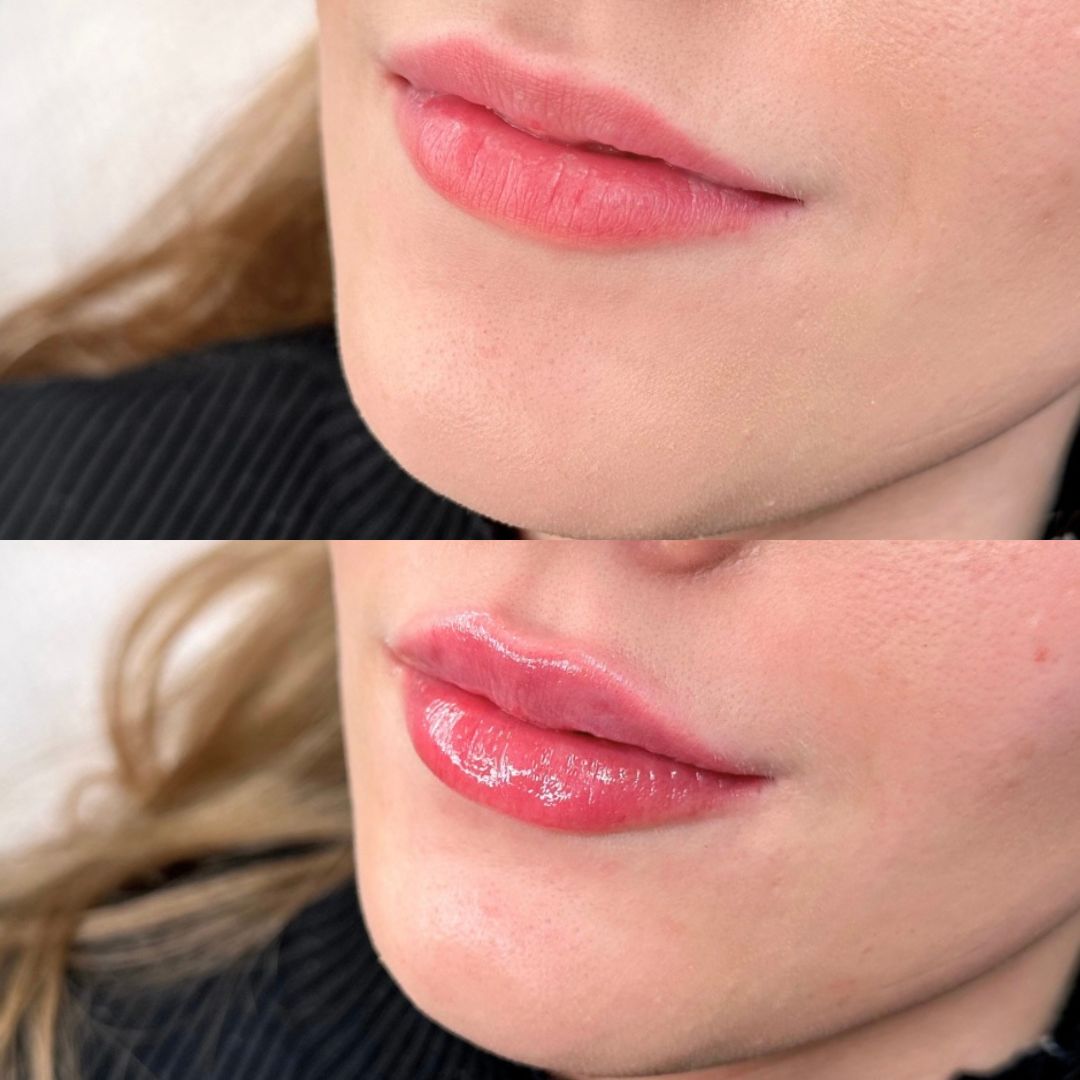
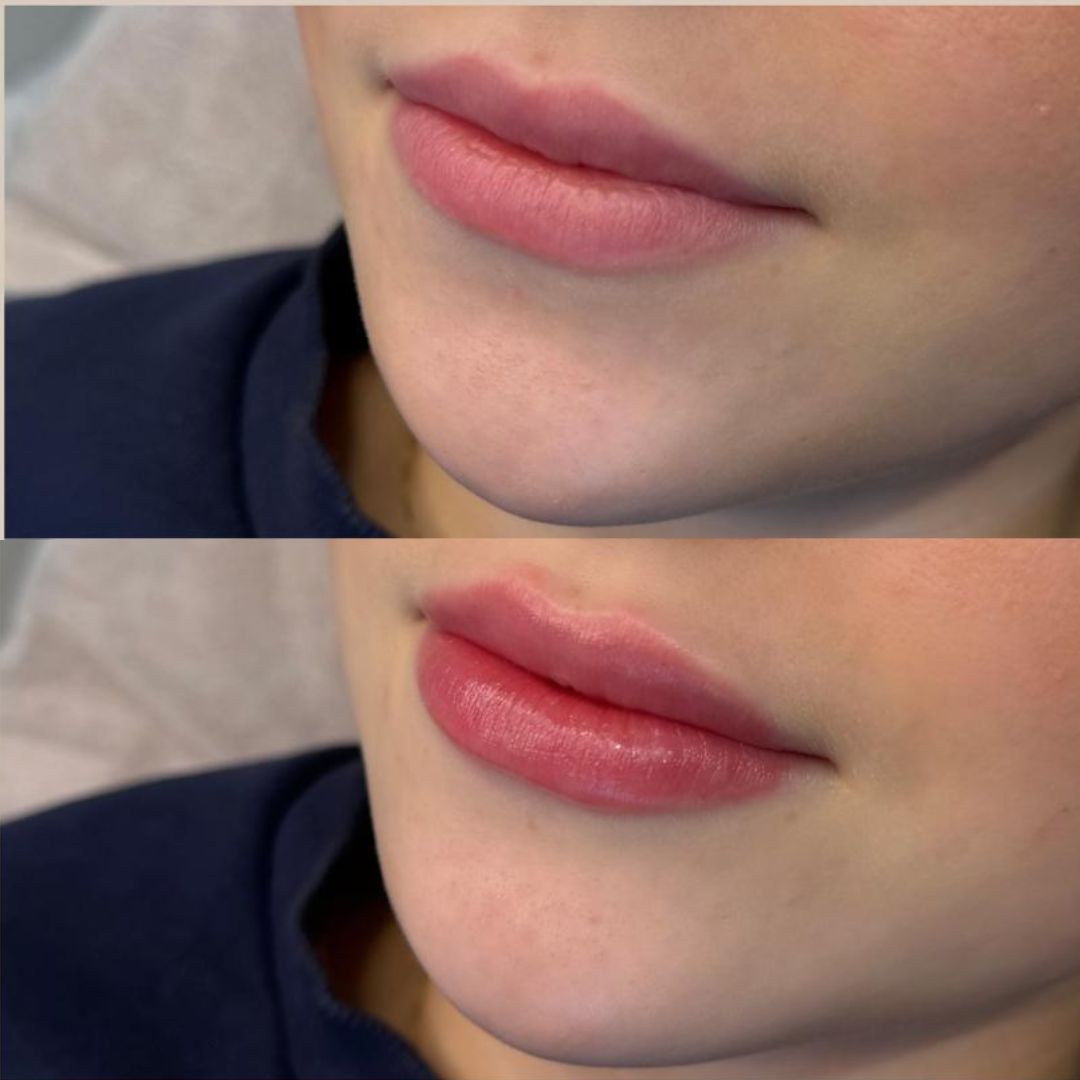
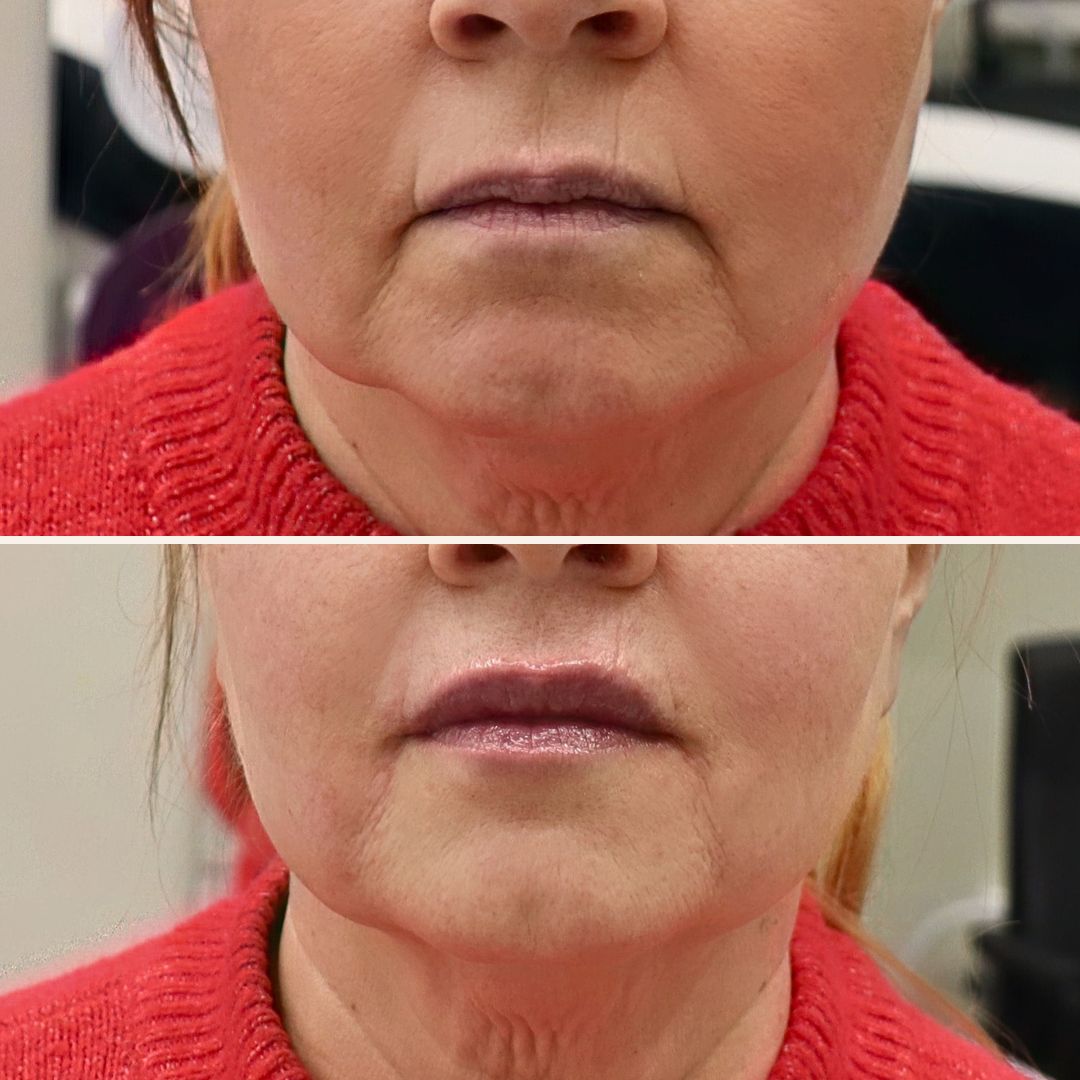
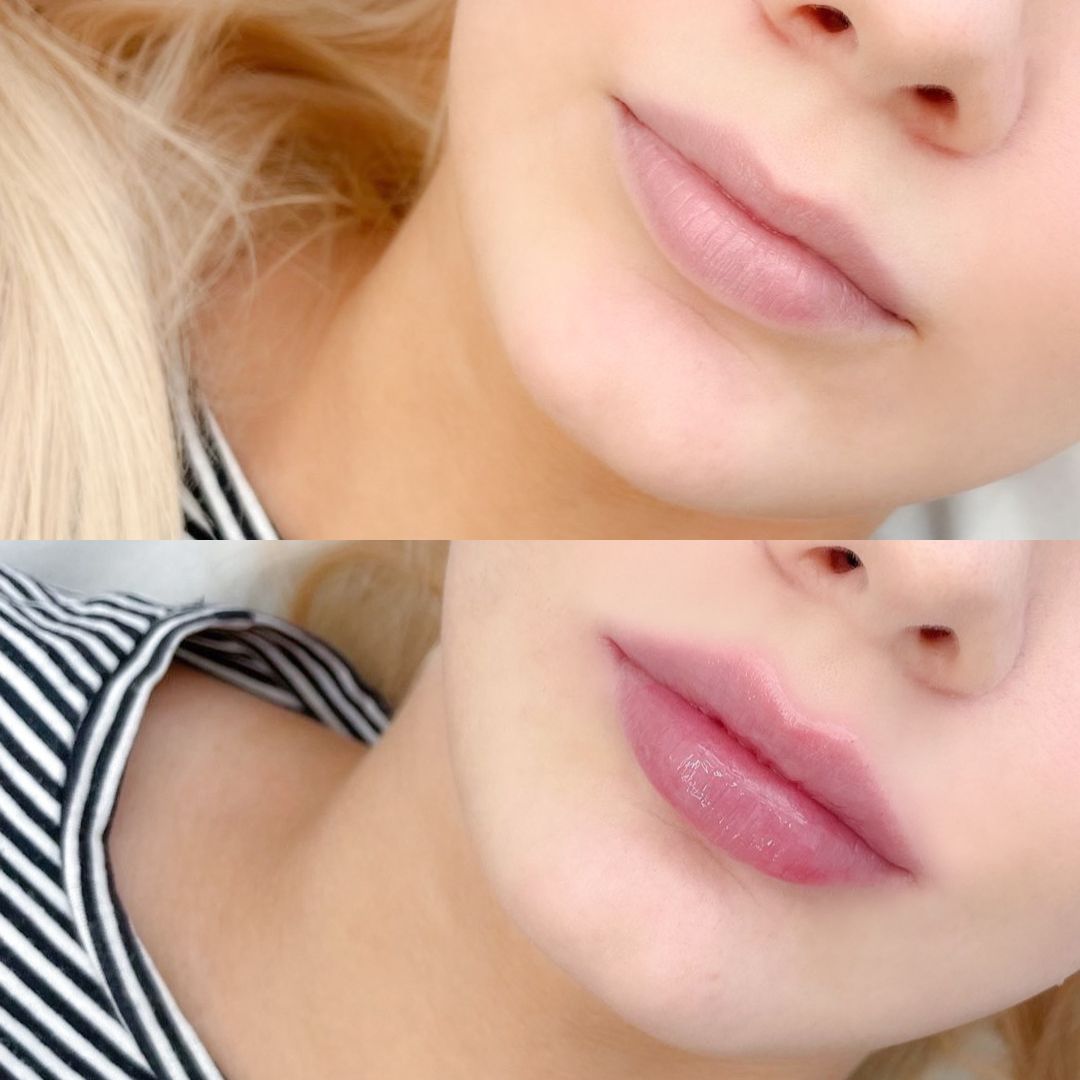
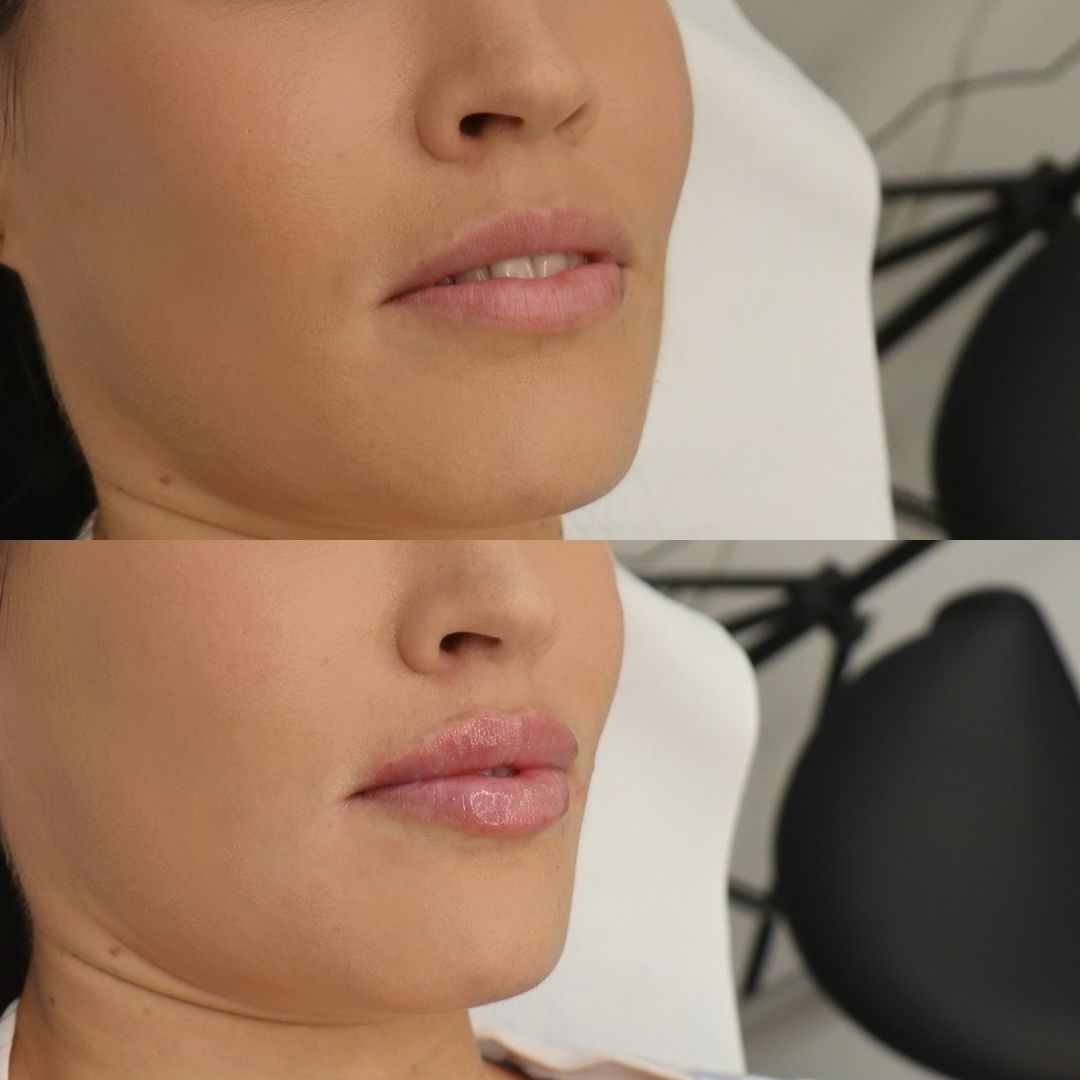
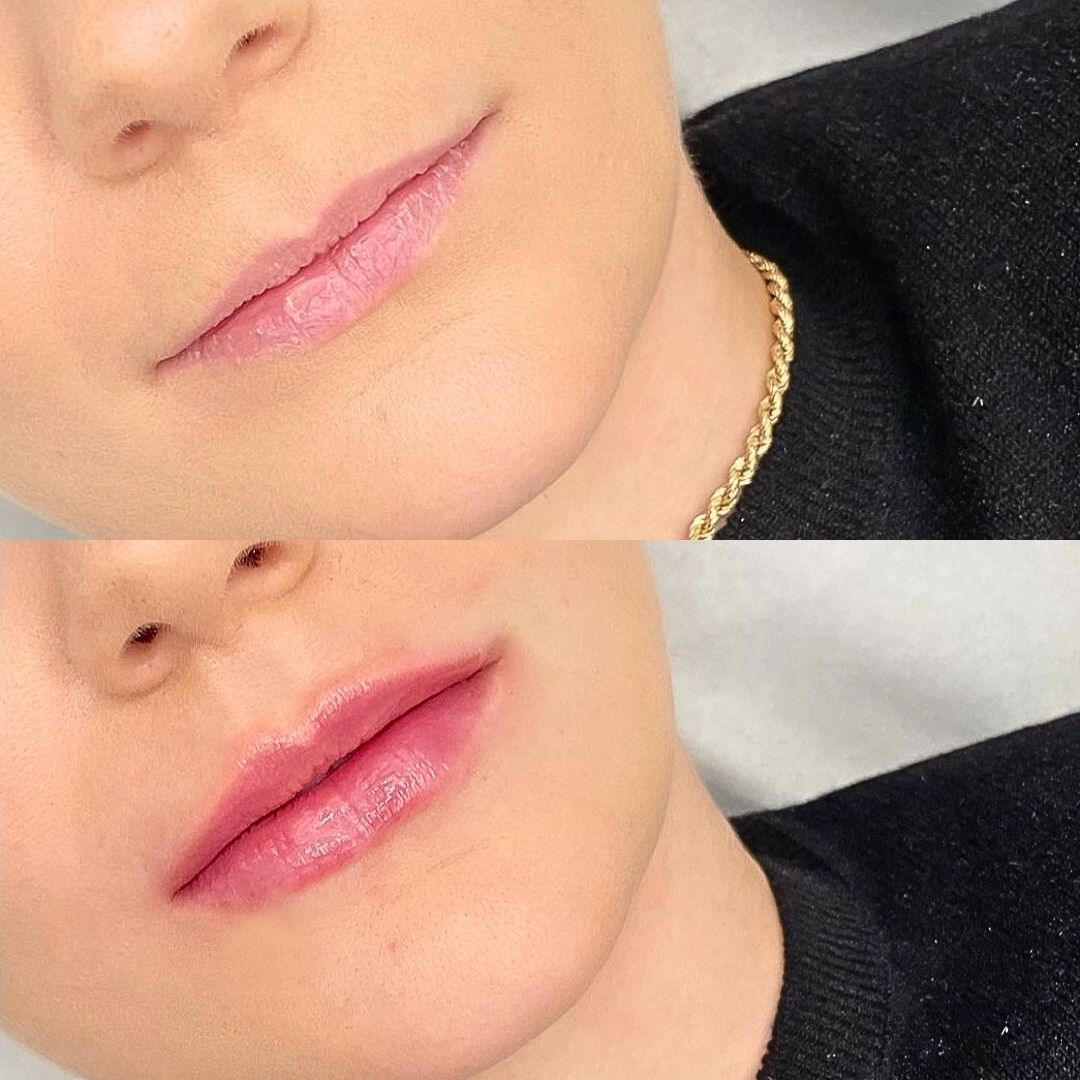
The results of the first lip filler treatment can sometimes be surprisingly short-lived, typically lasting around 3–6 months. However, with repeated treatments, the effects tend to last longer. After about three sessions, most people find that a single maintenance treatment per year is enough to sustain their desired results.
The results of Restylane and Juvéderm treatments last on average 6-12 months. There are wide individual differences.
Can the duration of results be extended?
There is variation in the duration of results. Each person's body is different and therefore each body breaks down hyaluronic acid injected into the lips differently. Some people get the best and longest lasting results with Juvéderm fillers, others get the best results with Restylane.
A few rules of thumb regarding duration:
- The faster the metabolism, the faster the hyaluronic acid injected into the lips is broken down.
- In people who exercise, fillers often break down a little faster than in non-exercisers.
- After the first filler treatment, the result is often shorter lasting than after repeated treatments.
- The softer and more flexible the filler, the more natural and beautiful the result. On the other hand, a soft and elastic hyaluronic acid gel breaks down faster than a solid one.
- The average duration of Juvéderm and Restylane fillers is 6-12 months.
This way you can try to prolong the duration of the results:
Follow the after-care instructions given to you by a professional. Recovery from lip filler treatment is fairly quick and easy. It may be tempting to skip the instructions. But try to keep your wits about you: following the instructions will help you enjoy the results faster - and for longer.
Protect your lips from the sun. Some studies show that hyaluronic acid injected into the lips may break down faster than normal if the lips are not protected from direct sunlight.
Eat healthy.Eating too much junk food can lead to low-grade inflammation in the body. An inflamed body may break down the hyaluronic acid gel faster than is desirable. The body of every person is different and therefore each body breaks down hyaluronic acid injected into the lips differently. For some, Juvéderm fillers give the best and longest lasting results, for others, Restylane gives the best results.
What not to do after lip fillers?
After lip filler treatment, it's essential to follow specific aftercare guidelines and avoid certain activities. This helps achieve a beautiful, long-lasting result while minimizing any side effects.
Here are some things that are not recommended to do after lip fillers:
Pressure or massage.
Avoid massaging or pressing the lips. Pressure on the lips can spread the filler and cause unevenness or swelling.
Hot baths or saunas.
Avoid hot baths, saunas and any exposure to intense heat. Heat can increase swelling and irritation.
Lip make-up.
Avoid using cosmetic products unless specifically instructed by your doctor. Rather, wait until the zone is completely healed.
Hard physical effort.
Avoid intense physical exertion, such as hard training or heavy lifting. These can increase blood flow and cause extra swelling and sometimes bruising.
Use of alcohol or blood thinners.
Avoid alcohol and blood-thinning medications unless otherwise instructed by your doctor, as they can increase the risk of bruising and swelling. However, never stop taking any prescribed medication without your doctor’s approval.
The most important thing is to follow your doctor's instructions and make sure you fully understand the aftercare instructions for lip fillers. These instructions will vary depending on the type of treatment and the filler used. If you have any doubts or questions, please contact your doctor.
What if the instructions are contradictory?
Always follow the aftercare instructions provided by your filler treatment provider. If you come across conflicting advice online, trust the guidance of your own injector, as they are familiar with your specific treatment and needs.